The Engineering Divide: Sprung vs. Unsprung Clutch Hubs
When sourcing an 07 233 clutch kit for a 2007-platform vehicle—frequently associated with transverse 2.0T FSI applications, European hot hatches, and specific light-duty import trucks—enthusiasts are immediately confronted with a critical architectural choice: sprung (dampened) versus unsprung (solid) clutch discs. While the friction material and pressure plate clamping force often dominate forum discussions, the hub design dictates the long-term survivability of your transmission, the NVH (Noise, Vibration, and Harshness) profile of the cabin, and the actual drivability of the vehicle on public roads.
As of 2026, the aftermarket has refined 233mm clutch technology significantly, offering bespoke solutions for everything from daily-driven single-mass flywheel (SMF) conversions to dedicated time-attack builds. However, selecting the wrong hub type for your specific application will result in catastrophic drivetrain shock, shattered gear teeth, or unbearable idle gear rattle. This technical deep-dive explores the mechanical realities of torsional dampening and how to properly spec your next 233mm clutch assembly.
Understanding Torsional Resonance in the Drivetrain
Internal combustion engines do not produce rotational force in a perfectly smooth, continuous line. Instead, power is delivered in violent, pulsating increments corresponding to cylinder firing events. At idle and low RPMs, these torsional vibrations travel through the crankshaft and into the transmission input shaft. If left unchecked, these harmonic oscillations cause the transmission gears to violently clash against one another, resulting in the infamous "gear rattle" and accelerated synchro wear.
The clutch disc hub acts as the primary mechanical fuse and harmonic isolator between the engine and the gearbox. According to Sachs technical documentation, the integration of torsional springs within the clutch hub is engineered specifically to absorb these low-frequency firing pulses, protecting the transmission casing and input shaft bearings from fatigue.
Analyzing the Sprung (Dampened) Clutch Disc
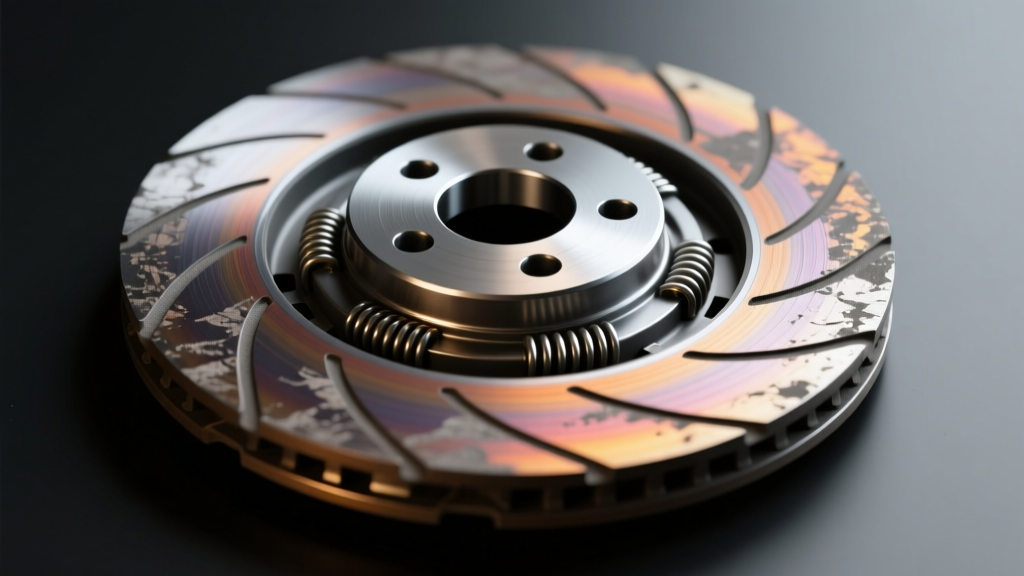
A sprung clutch disc features a complex hub assembly containing multiple stages of torsional coil springs, often paired with friction washers to provide hysteresis (dampening). Additionally, the friction surface itself is mounted on "marcel springs"—slightly waved steel segments that compress progressively as the pressure plate clamps down.
The Role of Marcel Springs and Torsional Hubs
- Torsional Springs: Absorb the rotational shock of engine firing pulses and the sudden mechanical lock-up during clutch engagement. They twist slightly under load, smoothing the torque delivery to the input shaft.
- Marcel Springs (Cushion Plate): Provide a progressive, linear engagement feel. When you release the clutch pedal, the marcel springs compress, allowing the friction material to gradually mate with the flywheel rather than snapping instantly into lock-up.
- Idle Gear Rattle Mitigation: By decoupling the engine's harmonic vibrations from the transmission input shaft when the clutch is engaged, sprung hubs eliminate the neutral gear rattle common in aggressive setups.
Expert Note: If you are converting a 2007 dual-mass flywheel (DMF) application to a Single Mass Flywheel (SMF) using an 07 233 clutch kit, a heavy-duty sprung hub is absolutely mandatory. The DMF originally housed the primary torsional dampening mass; removing it transfers the burden entirely to the clutch disc hub.
The Unsprung (Solid Hub) Architecture
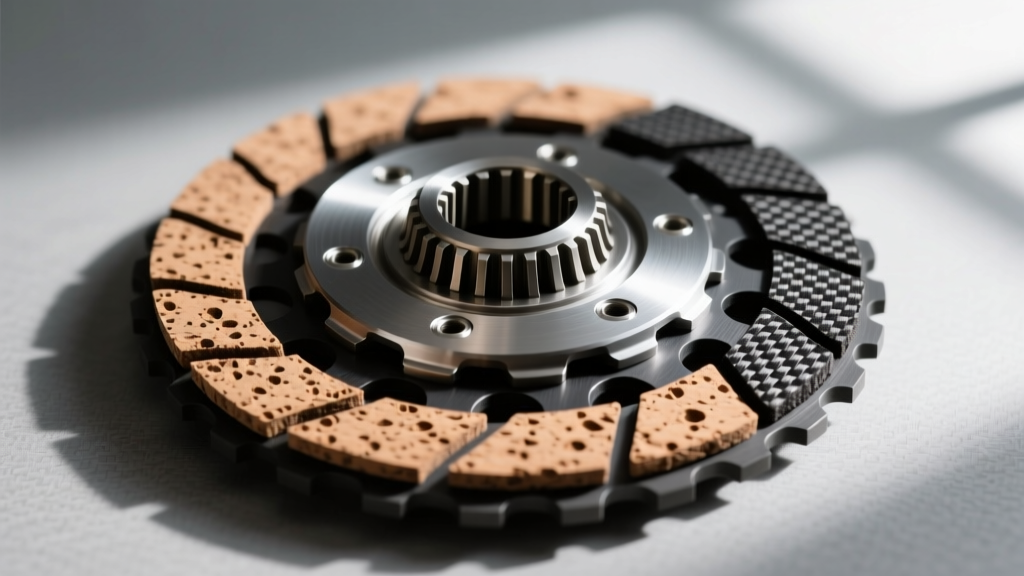
An unsprung clutch disc, often referred to as a "solid hub" or "puck disc," completely eliminates the torsional springs and marcel cushioning. The friction material is riveted or bonded directly to a solid, machined steel hub that splines onto the transmission input shaft.
Why Eliminate Dampening?
The primary advantage of an unsprung hub is the elimination of mechanical slop and the reduction of rotating mass. Without torsional springs to compress and rebound, the engagement is instantaneous and binary. This provides a direct, telepathic connection between the throttle and the tires, which is highly desirable in dedicated drag racing, rally, or time-attack applications where split-second shifting and maximum torque transfer are paramount.
However, as noted in Exedy's technical installation guides, solid hubs transmit 100% of the engine's torsional vibrations and engagement shock directly into the transmission. On a street-driven vehicle, this results in severe drivetrain clunk, shattered engine mounts, and premature failure of the differential spider gears.
Technical Comparison: Dampened vs. Solid Hubs
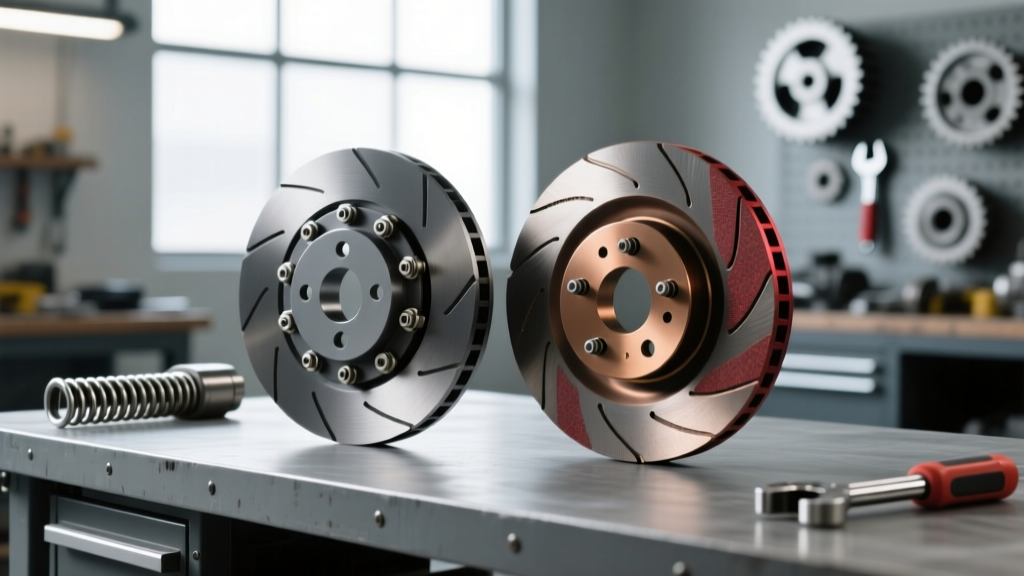
The following matrix outlines the operational differences between sprung and unsprung configurations within a 233mm footprint.
| Engineering Metric | Sprung (Dampened) Hub | Unsprung (Solid) Hub |
|---|---|---|
| Idle Gear Rattle | Minimal to None (with proper hysteresis) | Severe (requires heavy gear oil to mask) |
| Engagement Feel | Progressive, linear, forgiving | Instantaneous, aggressive, binary |
| Drivetrain Shock | Absorbed by hub springs | Transferred to axles, diff, and mounts |
| Rotating Mass | Higher (approx. 1.8 - 2.2 kg) | Lower (approx. 1.1 - 1.4 kg) |
| Max Torque Capacity |