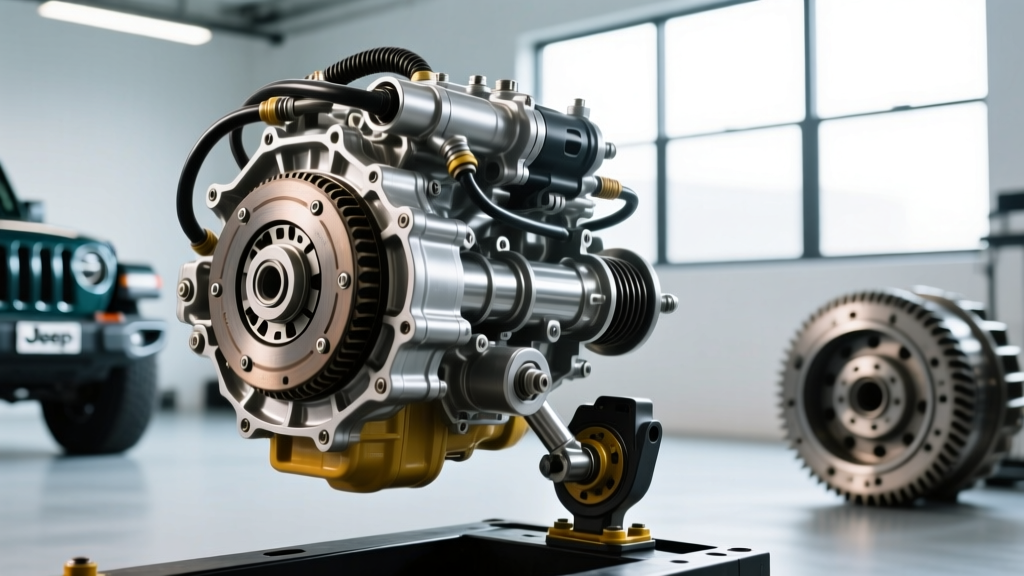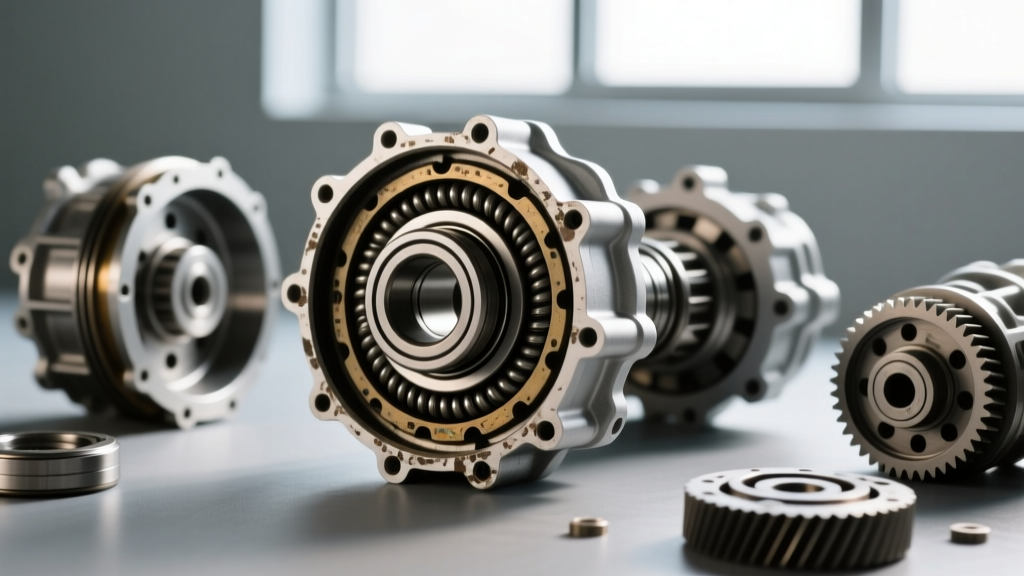
The Critical Role of the 6.7L Cummins Fan Clutch Assembly
The 6.7L ISB and ISX Cummins turbo-diesel engines, powering Ram 2500 and 3500 Heavy Duty trucks, generate massive thermal loads—especially when towing at high altitudes or navigating sustained grades. At the heart of the cooling system is the fan clutch, a component that dictates parasitic horsepower loss and thermal regulation. As of 2026, diagnosing fan clutch degradation is no longer just about preventing overheating; it is directly tied to preserving the engine's Exhaust Gas Temperatures (EGTs), ensuring proper Diesel Particulate Filter (DPF) regeneration cycles, and preventing crankcase oil dilution. When thermal regulation fails, the ECM interrupts passive regens, forcing frequent active regens that wash cylinder walls with unburned diesel fuel.
Understanding the precise wear signs and lifespan indicators is mandatory before initiating the 6.7 cummins fan clutch removal process. This technical deep-dive explores the failure modes of both legacy thermal viscous clutches and modern Electronic Viscous Clutches (EVC), providing exact diagnostic frameworks, OEM part data, and torque specifications for heavy-duty diesel technicians.
Evolution: Thermal Viscous vs. Electronic Viscous Clutches (EVC)
Early generations of the 6.7L Cummins (2007.5–2012) primarily utilized thermal bimetallic spring viscous clutches. These rely on ambient under-hood temperatures to expand a bimetallic strip, opening a valve that allows silicone fluid to transfer torque from the water pump shaft to the fan blade.
By 2013, Ram transitioned to Pulse Width Modulated (PWM) Electronic Viscous Clutches (EVC) manufactured by Horton and Eaton. The ECM monitors coolant temperature, intake air temperature, AC head pressure, and transmission fluid temperature, sending a 12V PWM duty cycle signal (ranging from 10% to 90%) to an electromagnetic solenoid inside the clutch hub. This allows for infinite slip control, reducing parasitic drag by up to 15 horsepower compared to locked thermal clutches. However, the introduction of internal solenoids and delicate wiring harnesses introduced new failure vectors that dictate modern lifespan indicators.
5 Definitive Lifespan Indicators of Fan Clutch Wear
1. The 'Cold Roar' and Parasitic Drag
A healthy fan clutch should remain largely disengaged (slipping) during cold startup and light-load cruising. If you hear a jet-engine 'roar' immediately upon cold-starting a 6.7L Cummins in 40°F weather, the internal silicone fluid has likely sheared, or the solenoid valve is mechanically stuck in the open position. This continuous engagement saps up to 20 HP from the crankshaft and accelerates water pump bearing wear due to the constant 15+ lb-ft of rotational drag.
2. High-Load Thermal Breakaway (Tow Mode Failure)
The most dangerous wear sign occurs under heavy towing. As the internal silicone fluid ages, its shear-stability degrades. The fluid essentially becomes 'thin,' causing the clutch to slip even when the ECM commands a 90% duty cycle lockup. Symptoms include coolant temperatures creeping past 225°F while pulling a 12,000-lb trailer on a 6% grade, accompanied by the ECM initiating an engine derate to protect the cylinder head.
3. Silicone Fluid Weep and Hub Corrosion
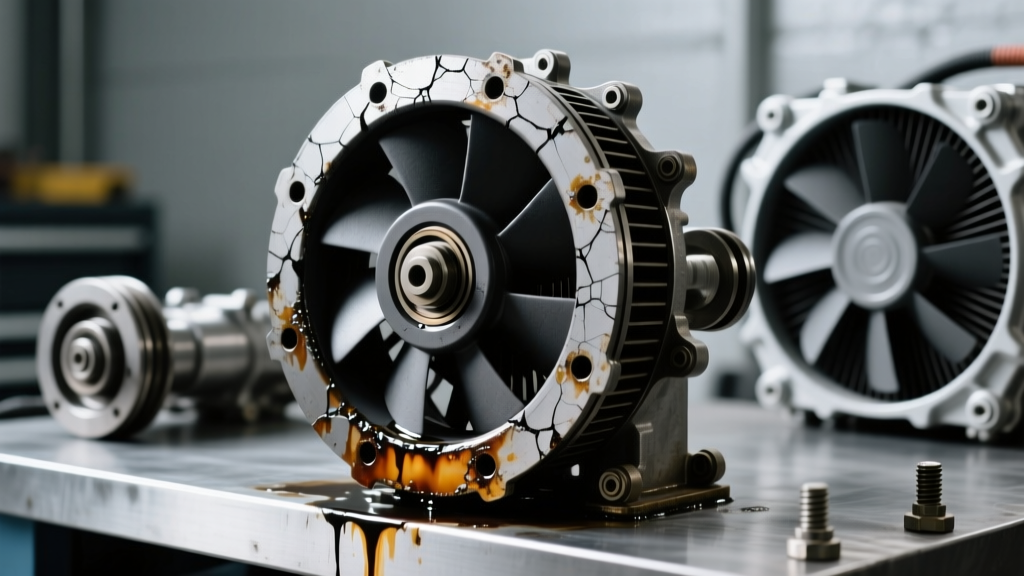
Visually inspect the fan clutch hub and the radiator shroud. A buildup of sticky, amber-colored residue mixed with road grime indicates a blown front seal. Once the hermetic seal fails, the precisely measured volume of polydimethylsiloxane (silicone) fluid leaks out, and air enters the shear cavity. A clutch exhibiting external weep has reached absolute end-of-life and requires immediate replacement.
4. AC Head Pressure Spikes at Idle
Because the 6.7L Cummins condenser relies heavily on mechanical airflow at idle, a slipping fan clutch will cause AC high-side pressures to spike above 350 PSI in stop-and-go traffic. The ECM uses AC pressure transducer data to command the fan clutch. If the ECM commands maximum engagement but head pressures continue to climb, the clutch is mechanically slipping internally.
5. PWM Solenoid Circuit Degradation
For 2013+ EVC models, the internal solenoid coil is subjected to extreme heat cycling. A healthy solenoid typically reads between 8.5 and 11.5 ohms at room temperature. As the coil insulation breaks down over 100,000+ miles, resistance increases, causing the ECM to log intermittent PWM circuit codes (e.g., P052E or manufacturer-specific Cummins/Ram communication faults) and default the clutch to a failsafe 'limp' mode (usually 50% engagement).
Diagnostic Data: Viscous vs. Electronic Fan Clutch Lifespans
| Clutch Type | Average Lifespan (Miles) | Primary Failure Mode | Diagnostic Metric |
|---|---|---|---|
| Thermal Bimetallic (2007-2012) | 80,000 - 110,000 | Fluid shear / Bimetallic spring fatigue | Cold-start roar; Tow-mode overheating |
| Electronic PWM (2013-2018) | 100,000 - 140,000 | Solenoid coil burnout / Wiring chafing | Ohm reading > 12.0Ω; AC pressure spikes |
| Advanced EVC (2019-2026) | 120,000 - 160,000 | Internal valve stiction / Seal weep | Scan tool duty cycle mismatch vs. RPM |
Pre-Removal Verification: The 6.7L Spin & Duty Cycle Test
Before committing to the 6.7 cummins fan clutch removal, perform a verified mechanical spin test. With the engine completely cold and OFF, attempt to rotate the fan blade by hand. A healthy viscous clutch should offer noticeable, smooth resistance (like stirring thick honey). If the blade spins freely with zero resistance, the fluid cavity is empty or entirely sheared.
For Electronic Viscous Clutches, use an advanced bi-directional scan tool (such as the Snap-on Zeus or Cummins INSITE). Command the fan clutch duty cycle from 10% to 90% while the engine is idling. You should hear a distinct, linear increase in fan roar. If the acoustic profile does not change, or if the engine RPM drops significantly at 90% command but coolant temps do not drop, the internal shear plate is failing.
'Never diagnose a 6.7L cooling system failure without verifying the fan clutch PWM duty cycle data PID. Replacing thermostats and water pumps will not resolve a mechanical slip inside the EVC hub.' — Heavy Duty Diesel Drivetrain Service Guidelines, 2025 Edition.
6.7 Cummins Fan Clutch Removal: Torque Specs & Part Numbers
The physical removal of the 6.7L fan clutch is notoriously difficult due to the tight clearance between the water pump hub and the radiator core support, combined with the extreme torque applied to the mounting nut at the factory.
Critical Technical Specifications
- Thread Direction: LEFT-HAND (Reverse) Thread. You must turn the nut CLOCKWISE to loosen it.
- Nut Size: 36mm (Some early models and aftermarket replacements use 1-1/2 inch).
- Removal Tool: J-46406 (or equivalent Cummins C46406) Fan Clutch Wrench Set.
- Barring Requirement: You MUST use a flywheel barring tool or a strap wrench on the water pump pulley to prevent the engine from rotating while breaking the nut loose. The Cummins 6.7L does not have enough cylinder compression off to hold the crankshaft against a 3/4-inch breaker bar.
- Installation Torque: 65 - 75 lb-ft (88 - 102 Nm). Apply a medium-strength thread locker (e.g., Loctite 243) to the water pump shaft threads before installation.
OEM and Aftermarket Part References
- Mopar OEM (Electronic Viscous): 68257254AA / 52027745AD (Varies by exact VIN and emissions tier).
- Horton Aftermarket (Heavy-Duty EVC): 993-8010 Series (Often preferred by fleet owners for upgraded seal materials).
- Hayden Automotive (Legacy Thermal): 2742 (For 2007.5-2012 applications).
Cost Analysis: OEM vs. Aftermarket Replacement in 2026
When budgeting for a 6.7 cummins fan clutch removal and replacement, owners must weigh the cost of OEM Mopar components against heavy-duty aftermarket alternatives. As of early 2026, an OEM Mopar Electronic Viscous Clutch assembly retails between $550 and $850, depending on the dealer network and specific emissions configuration (e.g., High-Output vs. Standard Output models). Aftermarket units from Horton or Hayden typically range from $350 to $600.
Labor times for the removal and installation generally book at 1.8 to 2.4 hours. Given that independent diesel specialty shops charge between $140 and $190 per hour, total out-the-door costs typically land between $750 and $1,300. Pro-Tip: If the water pump shows any signs of weeping from the weep hole, or if there is excessive radial play in the water pump shaft bearing, replace the water pump concurrently. The labor overlap is nearly 100%, and a failing water pump bearing will destroy a brand-new fan clutch hub within 10,000 miles due to harmonic imbalance.
Final Diagnostics and System Bleeding
Once the new fan clutch is torqued to 75 lb-ft and the wiring harness is secured away from the vibration damper, the cooling system must be vacuum-filled to prevent air pockets in the 6.7L's complex EGR cooler and heater core circuits. Clear all adaptive thermal learning codes via the ECM, and perform a 15-mile test drive with a bi-directional scanner active to verify that the PWM duty cycle responds dynamically to AC compressor engagement and throttle position. Properly diagnosing these wear signs ensures your Cummins maintains optimal EGTs, protects the DPF system, and delivers reliable power for the next 150,000 miles.