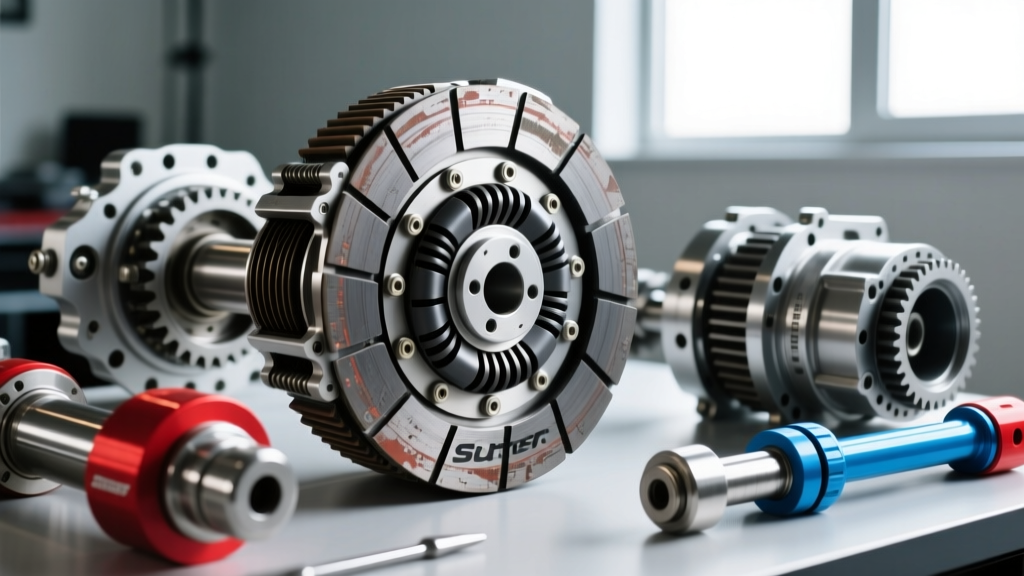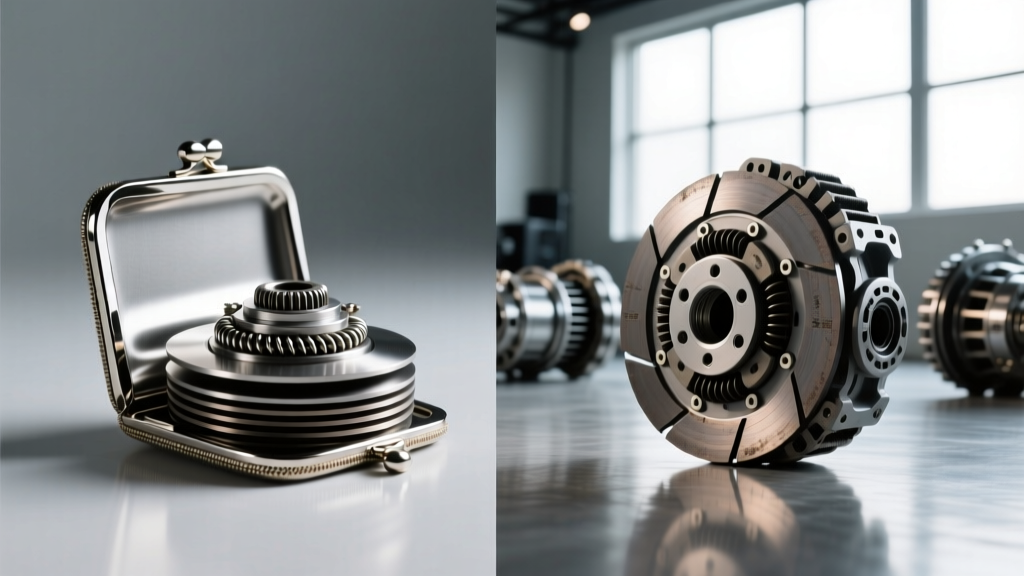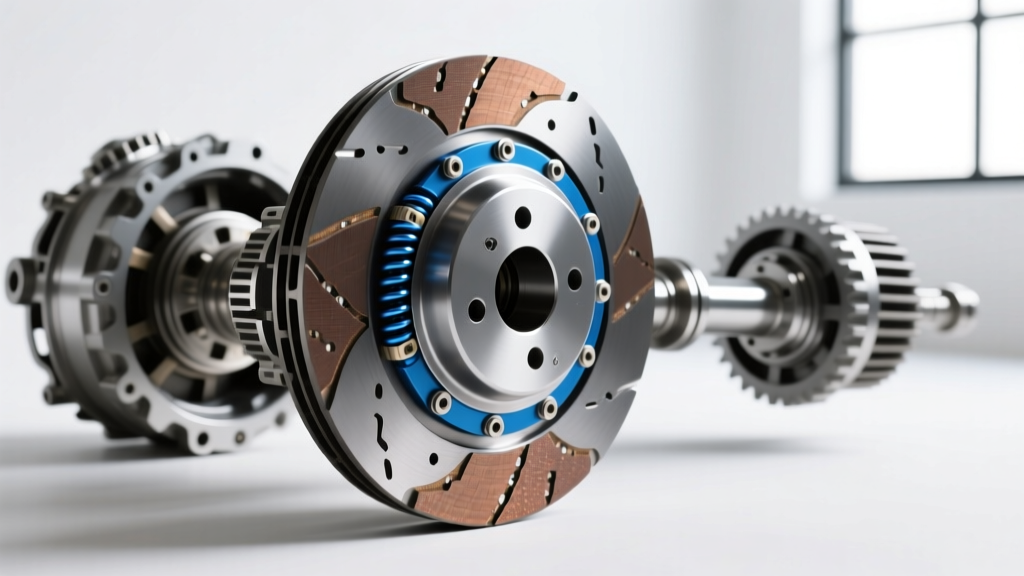
Defining the Mechanics: What Is a Two Stage Clutch?
When high-horsepower builders and track-day enthusiasts ask, what is a two stage clutch, they are usually referring to one of two distinct engineering solutions in the manual transmission world. In street/track twin-disc applications, a 'two-stage' engagement refers to a system where the primary friction disc features a marcel spring (a waved steel cushion) for soft initial bite, while the secondary disc is rigid for immediate, full lockup. This creates a progressive, two-step engagement feel that tames 1,000+ lb-ft of torque without snapping axles on launch.
In dedicated drag racing (such as Pro-Mod or Top Sportsman), a two-stage clutch refers to a multi-disc centrifugal setup. Stage one is the base static pressure provided by the clutch springs, and stage two is the dynamic clamping force added by adjustable centrifugal weights as engine RPM climbs. Understanding which type you are running is critical, as the symptom diagnosis and troubleshooting protocols vary wildly between brands like McLeod, ACT, Tilton, and Exedy.
2026 Performance Brand Comparison Matrix
Choosing the right multi-stage or twin-disc clutch requires matching the manufacturer's engineering philosophy to your drivetrain's shock-load tolerance. Below is a diagnostic comparison of the top performance brands dominating the market in 2026.
| Brand & Model | Target Application | Torque Capacity | Engagement Tech | Most Common Failure Symptom |
|---|---|---|---|---|
| McLeod Street Twin | Street/Strip (T-56, MT82) | 1,200 lb-ft | Lug or Strap Drive Intermediate | Neutral idle rattle (Lug) or strap fatigue |
| ACT Twin-Disc (SB2) | Time Attack / Drift | 1,000 - 1,300 lb-ft | Monoloc Housing, Sintered/Organic | Pedal stiffness, release bearing squeal |
| Tilton 3-Plate Metallic | Drag / Road Race (Porsche G50) | 1,800+ lb-ft | Sintered Iron, Centrifugal Assist | Mid-track slip due to weight mismanagement |
| Exedy Hyper Twin | JDM / Import (Supra, GTR) | 900 - 1,100 lb-ft | Strap Drive, Chrome-Moly Cover | Harsh chatter on takeoff, marcel spring crush |
Symptom Diagnosis & Troubleshooting by Brand
Troubleshooting a two-stage or twin-disc clutch is rarely as simple as 'replace the friction material.' The intermediate floater plate, flywheel step height, and pressure plate diaphragm geometry all introduce unique failure modes. Here is how to diagnose brand-specific quirks.
McLeod Street Twin: Neutral Rattle & Intermediate Plate Float
The Symptom: A loud, metallic clattering noise when the vehicle is in neutral with the clutch pedal released (engaged). The noise disappears when the pedal is depressed.
The Diagnosis: If you are running a McLeod Street Twin with a lug drive intermediate plate, this rattle is often normal. The intermediate plate floats on the lugs of the steel flywheel (Part #75207 for SFI 1.1 applications) to allow for thermal expansion. However, if the rattle is accompanied by a harsh clunk when shifting into first gear, the flywheel lugs may be wallowed out, or the intermediate plate straps (if equipped) have lost their tension.
The Fix: Inspect the flywheel lugs for galling. If you are building a dedicated street car and cannot tolerate the NVH (Noise, Vibration, and Harshness), switch to McLeod's strap drive intermediate plate. Strap drives silence the rattle but are more prone to snapping under the extreme shock loads of drag racing launches. Always verify your McLeod Racing Tech sheets for the correct strap torque specs.
ACT Twin-Disc (SB2 Series): Pedal Stiffness & Release Bearing Wear
The Symptom: Excessively heavy pedal effort (over 45 lbs of force) and a high-pitched squeal from the bellhousing during partial engagement.
The Diagnosis: ACT's Twin-Disc kits, such as the SB2-XTSS, utilize a heavy-duty pressure plate to achieve their 1,300 lb-ft rating. A common misdiagnosis by amateur mechanics is blaming the hydraulic master cylinder. In reality, the issue usually stems from improper bellhousing depth or an incorrectly adjusted clutch fork pivot ball. If the release bearing is pre-loaded against the diaphragm fingers at rest, the bearing will overheat and squeal, while the pedal will feel artificially stiff due to the over-center spring geometry fighting the driver.
The Fix: Measure the bellhousing depth and the distance from the flywheel face to the pressure plate fingers. According to ACT Installation Guidelines, there must be a precise air gap (typically 0.050' to 0.100') between the release bearing and the diaphragm fingers when the clutch is fully engaged. Adjust your pivot ball or hydraulic pushrod accordingly.
Tilton 3-Plate Sintered: Drag Racing Centrifugal Tuning & Slip
The Symptom: The car hooks perfectly on the trans-brake launch but begins to slip violently through 3rd and 4th gear at high RPM.
The Diagnosis: In a true two-stage centrifugal clutch like a Tilton 3-plate, base pressure (Stage 1) is meant to launch the car, while centrifugal weights (Stage 2) add clamping force as RPM rises to counteract the engine's peak torque curve. If the clutch slips at high RPM, the centrifugal weights are either too light, or the sintered iron discs have glazed due to excessive slip on the initial launch.
The Fix: Consult Tilton Engineering Technical Data to recalibrate your weight profile. Adding heavier centrifugal weights increases high-RPM clamping force but reduces the initial 'softness' of the engagement. Furthermore, sintered iron discs cannot be resurfaced like organic pads; if they are glazed blue from slip, they must be replaced. Expect to pay upwards of $1,200 just for a replacement Tilton sintered disc pack.
The Hidden Culprit: Flywheel Step Height & Resurfacing
Over 80% of all two-stage and twin-disc clutch failures diagnosed as 'chatter' or 'slip' are actually the result of incorrect flywheel step height. Because twin-disc systems sandwich an intermediate plate between the flywheel and the pressure plate, the vertical spacing is mathematically critical.
- Positive Step: The friction surface of the flywheel is raised above the mounting pad of the pressure plate. (Common in many Ford and GM applications).
- Negative Step: The friction surface is recessed below the mounting pad.
If a machine shop resurfaces your twin-disc flywheel flat (zero step) without cutting the correct recess or adding a shim, the intermediate plate will bind. The result is a clutch that will not fully release, causing gear grind, or a clutch that slips because the pressure plate cannot apply full clamping force to both discs simultaneously. Always use a depth micrometer to measure the step height before installation. Most McLeod and ACT twin-disc kits require a step height between 0.020' and 0.030', but you MUST verify this with the paper spec sheet included in your specific kit.
Critical Torque Specifications for Multi-Disc Setups
When diagnosing a vibrating two-stage clutch, the first step is verifying the installation torque. A loose flywheel will mimic the symptoms of a warped friction disc. Below are standard baseline torque specs for common performance platforms, though OEM service manuals should always be cross-referenced.
| Component | GM LS / LT (e.g., T-56 Magnum) | Ford Coyote / Modular (e.g., MT82) | Toyota 2JZ / Supra (e.g., V160) |
|---|---|---|---|
| Flywheel to Crank | 74 lb-ft (w/ Red Loctite) | 59 lb-ft (w/ Red Loctite) | 55 lb-ft (w/ Red Loctite) |
| Pressure Plate to Flywheel | 25 - 30 lb-ft (Star Pattern) | 25 - 30 lb-ft (Star Pattern) | 18 - 22 lb-ft (Star Pattern) |
| Intermediate Plate Bolts (if applicable) | 12 - 15 lb-ft | 12 - 15 lb-ft | N/A (Strap/Lug Drive) |
Final Diagnostic Takeaways
Understanding what is a two stage clutch is only the beginning of mastering high-horsepower drivetrains. Whether you are tuning a Tilton centrifugal drag clutch or troubleshooting a McLeod Street Twin for your weekend track car, the symptoms of chatter, slip, and NVH almost always trace back to three variables: flywheel step height, release bearing air gap, and intermediate plate float. Stop throwing expensive replacement discs at the problem. Grab a micrometer, measure your bellhousing depth, and diagnose the geometry first.