The Anatomy of Heavy-Duty Clutch Slipping
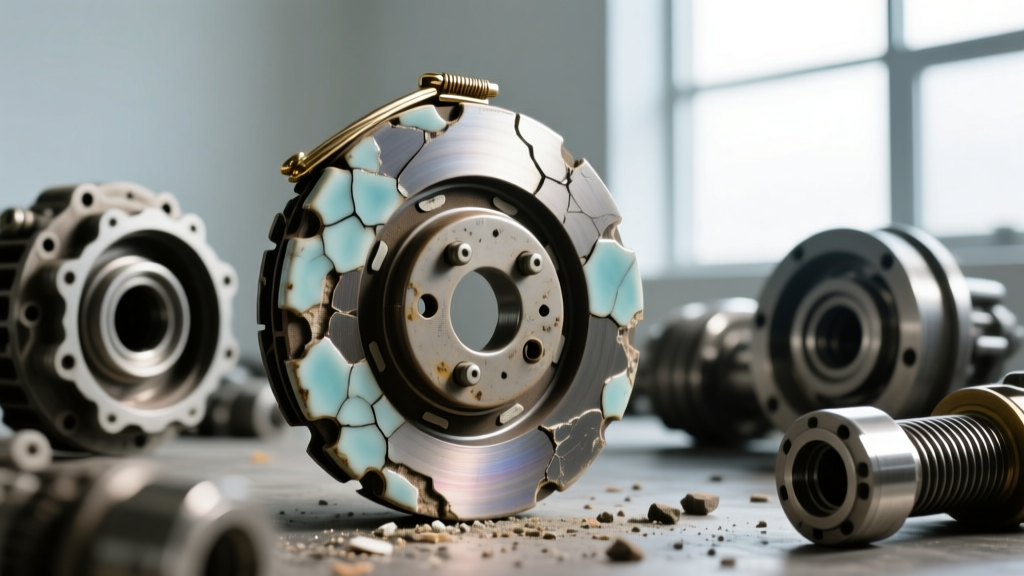
In the heavy-duty trucking industry, the manual transmission remains a cornerstone of vocational and over-the-road applications. Drivetrains equipped with legendary gearboxes like the Eaton Fuller RTLO-18918B or the FRO-16210C rely on a robust friction interface to transfer massive torque loads—often exceeding 1,850 lb-ft from modern Cummins X15 or Detroit DD15 engines. When this interface degrades, clutch slipping becomes a primary failure mode, leading to catastrophic thermal runaway, glazed friction surfaces, and ultimately, a stranded rig.
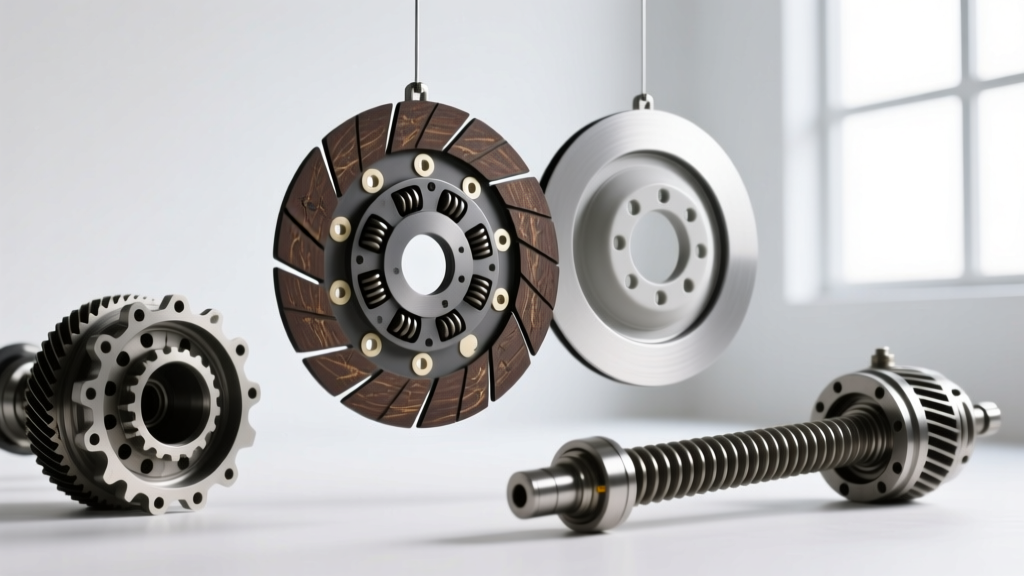
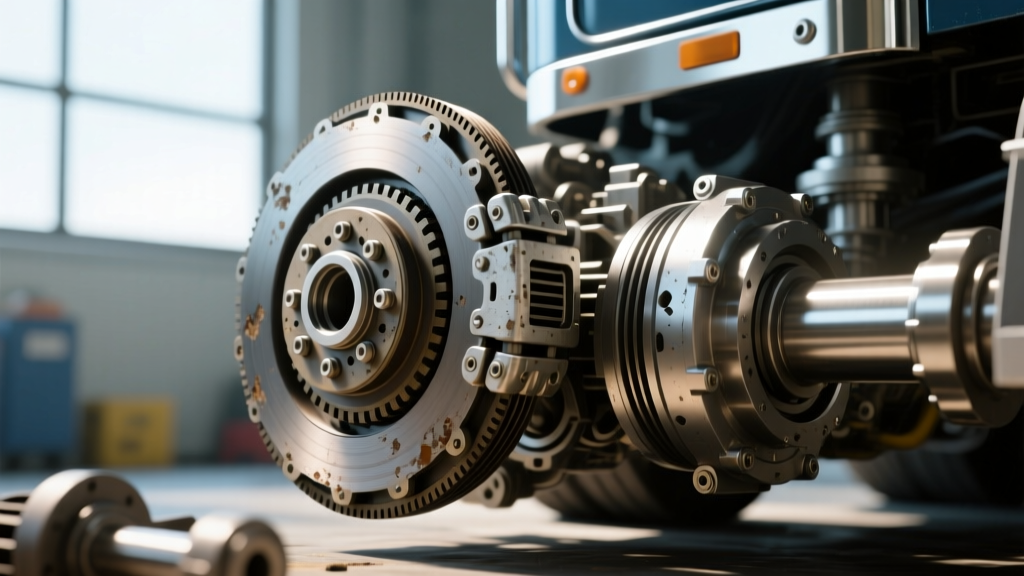
Clutch slipping in a Class 8 semi-truck occurs when the friction disc fails to maintain a locked mechanical connection between the engine flywheel and the transmission input shaft under load. Unlike passenger vehicles, heavy-duty clutches utilize complex diaphragm spring mechanisms, such as the Eaton Solo 15.5-inch twin-plate or Spicer multi-plate assemblies. Recognizing the early symptoms and employing advanced driving techniques as diagnostic tools is essential for preventive maintenance.
Core Symptoms in Class 8 Drivetrains
- RPM Flare Under Load: The most definitive symptom. When pulling a heavy grade or accelerating in high gears (e.g., 8th through 10th in a 10-speed), the engine RPM will surge without a proportional increase in vehicle speed.
- Thermal Degradation Odor: A sharp, acrid smell of burning phenolic resin and fiberglass friction material entering the HVAC system, indicating surface temperatures have exceeded 400°F (204°C).
- Loss of Clutch Brake Function: If the clutch is slipping or dragging due to improper adjustment, the transmission input shaft will not halt efficiently, causing gear clash when shifting into first or reverse from a standstill.
- Pedal Feel Alterations: A slipping clutch may present with a 'spongy' pedal or a noticeable change in the engagement bite point, often migrating higher up the pedal travel as the friction disc wears thin.
Diagnostic Protocol: Road Test and Static Analysis
Before pulling the transmission and incurring thousands in labor costs, a systematic diagnostic approach is required. Static checks involve measuring pedal free play and inspecting the release bearing travel through the bellhousing inspection cover. According to TMC Recommended Practices, improper linkage adjustment is responsible for over 40% of premature heavy-duty clutch failures.
Using the Double-Clutch Method as a Diagnostic Tool
Mastering how to double clutch a semi truck goes beyond traditional driving instruction; it is an active, real-world diagnostic procedure for assessing clutch and synchronizer health. Double clutching involves depressing the pedal, shifting to neutral, releasing the pedal, rev-matching the engine to the transmission input shaft speed, and then depressing the pedal again to engage the next gear.
When diagnosing a suspected slipping or dragging clutch, pay close attention to the following during the double-clutch maneuver:
- Input Shaft Spin-Down Time: When you push the clutch in and shift to neutral, the input shaft should spin down smoothly. If you hear a persistent whirring or grinding after releasing the pedal in neutral, the clutch is dragging (not fully releasing), which accelerates wear and leads to slipping under heavy loads.
- Rev-Match Responsiveness: If the engine RPM does not cleanly dictate the transmission input shaft speed during the neutral phase, it indicates contamination on the friction surfaces or a failing dampener spring assembly within the disc.
- Engagement Bite Sharpness: Upon the second clutch depression and gear engagement, the bite should be immediate. A delayed or shuddering engagement confirms that the friction coefficient of the disc has been compromised by heat glazing or oil contamination from a rear main seal leak.
'Drivers who understand how to double clutch a semi truck effectively use the technique to save the clutch brake and synchronizers. However, if double clutching results in gear clash despite perfect RPM matching, the clutch disc is likely warped or the release yoke is worn, requiring immediate mechanical intervention.' — Heavy-Duty Drivetrain Diagnostics Manual
Preventive Maintenance: Extending Clutch Life
Preventing clutch slipping requires strict adherence to maintenance intervals and precise adjustment specifications. Heavy-duty clutches are not 'set and forget' components. As the friction material wears, the diaphragm spring fingers move forward, altering the geometry of the release bearing and the clutch brake engagement zone.
Pedal Free Play and Clutch Brake Adjustments
Maintaining the correct free play ensures the release bearing is not riding against the diaphragm springs during highway cruising, which would cause parasitic drag, heat buildup, and eventual slipping. Conversely, insufficient free play prevents the clutch from fully engaging, guaranteeing premature failure.
| Maintenance Parameter | Specification / Target | Diagnostic Consequence of Deviation |
|---|---|---|
| Pedal Free Play | 1.5 to 2.0 inches | Less than 1.5' causes clutch slip and bearing wear. More than 2.0' causes clutch drag and gear clash. |
| Clutch Brake Squeeze | 1.0 to 1.5 inches from floor | Improper squeeze prevents the input shaft from stopping, destroying the clutch brake and forcing drivers to ride the clutch. |
| Release Bearing Travel (Eaton Solo) | Check wear indicator pointer | Pointer past the 'Replace' notch indicates the disc is worn to the rivets, causing severe slipping and flywheel scoring. |
| Bellhousing Runout (SAE #1) | Max 0.015 inches TIR | Excessive runout causes uneven clutch disc wear, leading to localized hot spots and high-speed slipping. |
Furthermore, lubrication must be handled with extreme care. Over-greasing the release bearing and clutch fork pivot points is a common shop error. Excess grease slings off the bearing carrier onto the friction disc, causing immediate, irreversible slipping that necessitates a complete teardown and solvent cleaning of the flywheel and pressure plate.
When to Replace: Cost and Component Breakdown
When diagnostic road tests and static measurements confirm severe clutch slipping, replacement is the only viable option. According to industry data tracked by Heavy Duty Trucking, the cost of a Class 8 clutch replacement has risen significantly due to parts and labor constraints.
- Clutch Kit (Eaton Solo 15.5' or Spicer Twin Plate): $1,400 – $2,800 depending on torque rating (e.g., 1,850 lb-ft vs 2,250 lb-ft).
- Flywheel Resurfacing/Replacement: $400 – $900. (Cummins X15 flywheel to crank bolts require strict torque specs of 135-155 lb-ft in a star pattern).
- Shop Labor (14-20 Hours): $2,100 – $3,600 at standard heavy-duty shop rates ($150-$180/hr).
- Total Estimated Cost: $3,900 – $7,300.
To avoid these costs, fleet managers and owner-operators must prioritize preventive maintenance. By ensuring proper linkage adjustments, monitoring the clutch wear indicator through the inspection window every 50,000 miles, and utilizing proper shifting techniques—including knowing when and how to double clutch to reduce thermal stress on the friction materials—you can reliably extend the service life of a heavy-duty clutch system past 600,000 miles. For detailed service manuals and torque sequences, always refer to the Eaton Cummins Drivetrain Resource Center.