The Great Debate: Organic vs Ceramic Clutch Materials in Powersports
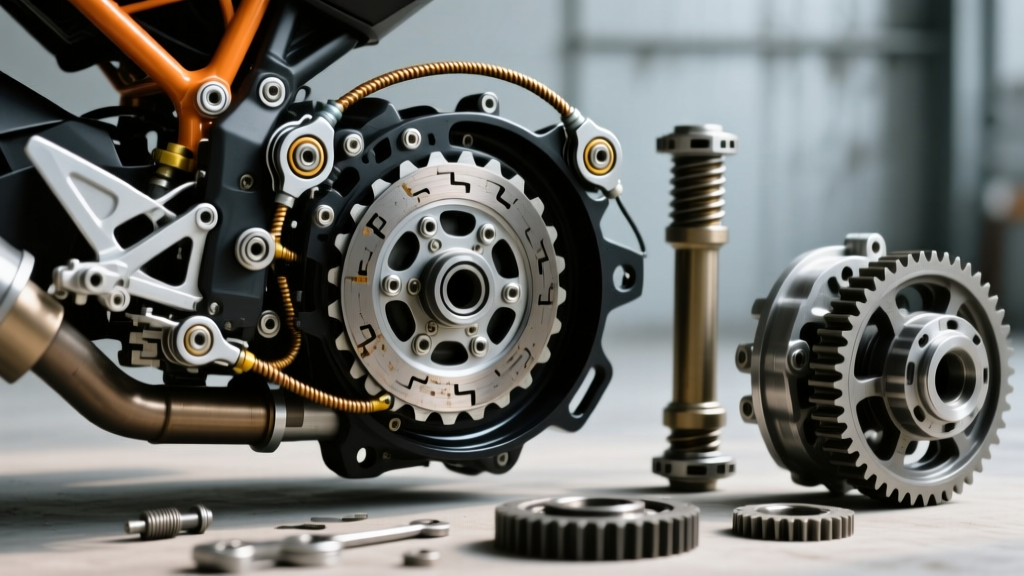
When riders and off-road enthusiasts begin upgrading their machines, the organic vs ceramic clutch debate inevitably surfaces. While automotive enthusiasts usually discuss this in the context of single-plate dry clutches in manual cars, the powersports world—specifically motorcycles and ATVs—relies on complex, multi-plate wet or dry clutch systems. In 2026, as high-performance side-by-sides and track-focused motorcycles push past 200 horsepower, understanding how friction materials dictate clutch engagement, heat dissipation, and longevity is critical for diagnosing drivetrain symptoms.
Most beginner riders don't realize that the friction material bonded to their clutch plates is the primary culprit behind common issues like high-RPM slipping, low-speed chatter, and notchy shifting. Whether you are tearing through the dunes on a Yamaha YXZ1000R or carving canyons on a Ducati Panigale V4 R, choosing the wrong friction compound for your riding style will lead to rapid failure. This guide breaks down the metallurgy, symptoms, and diagnostic steps for motorcycle and ATV clutch systems.
Material Science: Organic vs Ceramic Friction Plates
Before diagnosing a slipping or chattering clutch, you must understand what is happening inside the clutch basket. Multi-plate clutches alternate between steel drive plates and friction plates lined with specific compounds.
Organic Friction Materials
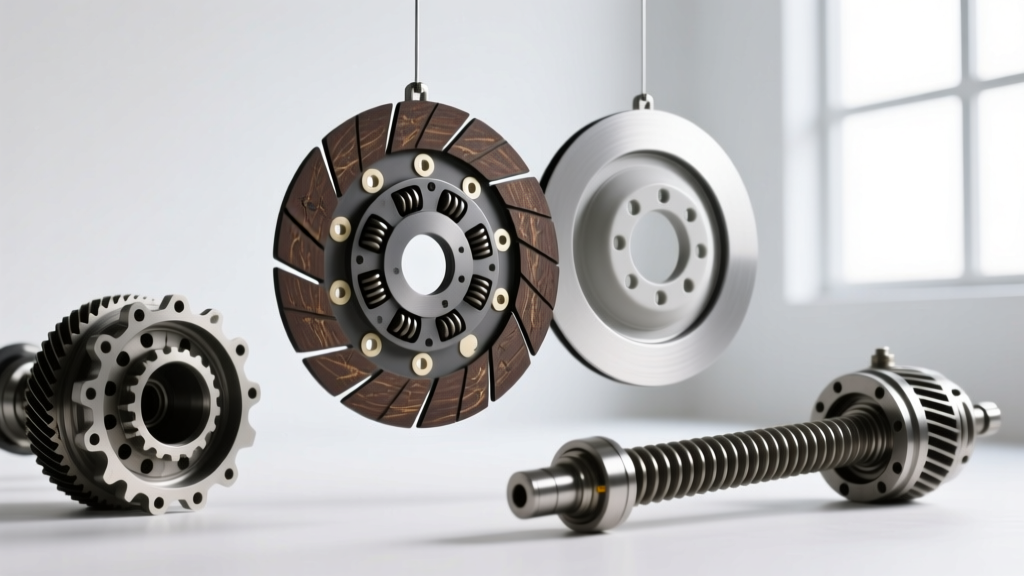
Organic clutch plates are manufactured using a composite of paper, cork, Kevlar fibers, and phenolic resins. They are the OEM standard for 90% of street motorcycles and recreational ATVs. Organic materials provide a smooth, progressive engagement, making them incredibly forgiving for beginners. They operate quietly and are gentle on the aluminum clutch basket tangs. However, their fatal flaw is heat tolerance. Once organic plates exceed their thermal threshold (typically around 350°F to 400°F), the resins break down, leading to a glazed surface that causes catastrophic slipping.
Ceramic and Sintered Friction Materials
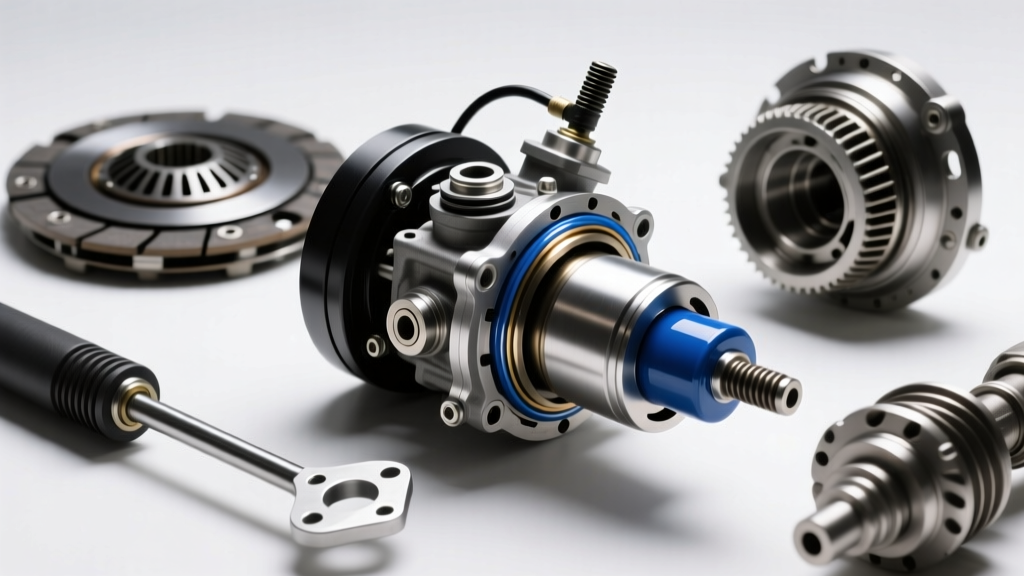
When riders ask about a 'ceramic' clutch in the powersports realm, they are usually referring to sintered metallic or ceramic-metallic composites. These plates are created by fusing copper, iron, and ceramic particles directly to a steel core under extreme heat and pressure. Sintered/ceramic plates offer massive coefficients of friction and can withstand temperatures exceeding 800°F without glazing. They are the mandatory choice for mud-bogging ATVs, high-horsepower UTV race rigs, and track-day motorcycles. The trade-off? They engage aggressively, can cause low-speed chatter, and will literally chew through soft aluminum clutch baskets if the tangs are not hardened or if the basket is worn.
Diagnosing Symptoms by Friction Material
Your machine will tell you exactly what is wrong with the clutch based on how the lever feels and how the drivetrain reacts. Here is how to map your symptoms to the organic vs ceramic clutch dilemma.
Symptom 1: High-RPM Slipping and the 'Burnt Toast' Smell
The Scenario: You are winching your ATV out of a deep mud hole or launching your motorcycle on the street. The engine revs to the redline, but the vehicle barely moves. A distinct, acrid smell resembling burnt toast or hot brakes fills the air.
The Diagnosis: This is the classic signature of glazed organic friction plates. The organic resin has overheated, melted, and formed a hard, glass-like surface on the friction pads. The steel drive plates may also be blued from heat. No amount of cable adjustment or hydraulic bleeding will fix this. The organic material has reached its absolute thermal limit and must be replaced. If you frequently ride in high-load, low-speed environments (like rock crawling or mud), you must upgrade to a sintered/ceramic clutch kit to prevent recurring slip.
Symptom 2: Low-Speed Chatter and Aggressive Engagement
The Scenario: You are feathering the clutch lever to navigate a tight, technical trail on your dirt bike or UTV. Instead of a smooth crawl, the rear tires hop, the drivetrain clunks, and the lever pulses in your hand.
The Diagnosis: This is known as clutch chatter, and it is a hallmark symptom of installing ceramic or aggressive sintered plates in a machine designed for organic compounds. Ceramic materials have a very high 'static coefficient of friction'—meaning they want to lock up immediately rather than slip progressively. In lightweight ATVs or trials motorcycles, this aggressive bite transfers shock directly through the drivetrain, causing the tires to break traction and hop. If you recently upgraded to a ceramic clutch kit for durability but are experiencing chatter, you may need to swap to a softer organic compound or install a slipper clutch hub to absorb the drivetrain shock.
Symptom 3: Clutch Drag and Notchy Shifting
The Scenario: With the clutch lever pulled completely to the handlebar, the motorcycle still creeps forward when in gear. Finding neutral at a stoplight is nearly impossible, and downshifts feel like kicking a brick wall.
The Diagnosis: While clutch drag is often blamed on a stretched cable or air in the hydraulic line, in high-performance builds, it is frequently caused by warped steel drive plates. When ceramic/sintered friction plates transfer immense heat into the clutch pack, the alternating steel plates can warp. Because ceramic plates do not absorb heat as well as organic paper-based plates, the thermal load shifts to the steel. Warped plates prevent the clutch pack from fully separating when the lifter pushes the pressure plate away. Always check steel plates for runout (flatness) using a glass surface and feeler gauge; anything over 0.1mm of warp requires replacement.
Application Breakdown: ATVs vs. Motorcycles
Side-by-Sides and ATVs (Yamaha YXZ1000R, Can-Am Maverick)
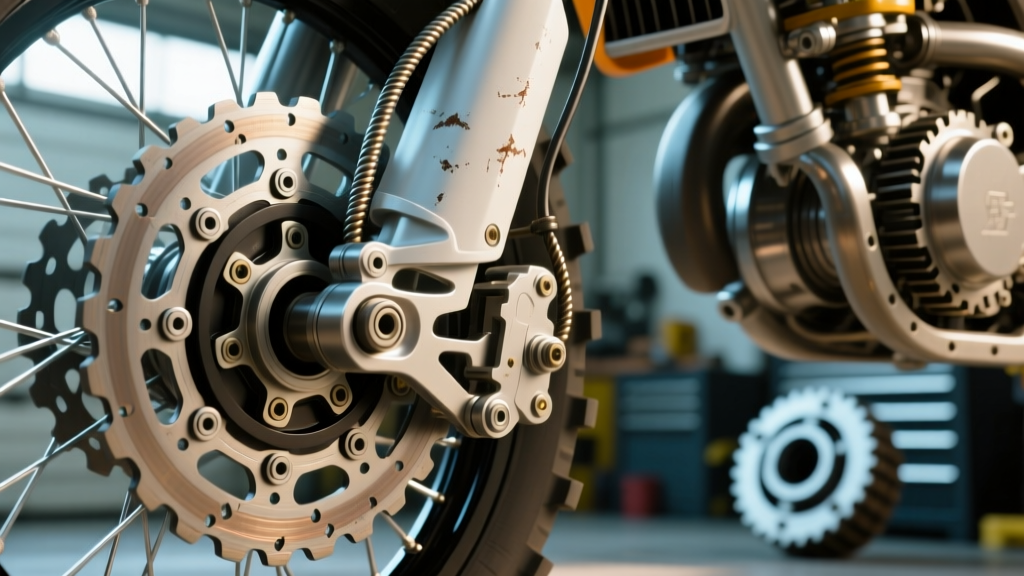
High-performance UTVs like the Yamaha YXZ1000R utilize a traditional 9-plate wet clutch system, much like a sportbike. The OEM organic plates are excellent for dune running where momentum is high. However, for rock crawling or heavy towing, the YXZ's organic plates will glaze rapidly. Upgrading to a full sintered/ceramic kit from manufacturers like Barnett Clutches is a common 2026 modification. Expert Tip: When servicing the YXZ1000R clutch, the clutch boss locknut requires a precise torque of 54 lb-ft (74 Nm). Under-torquing this nut with heavy ceramic plates will result in the boss walking off the main shaft, destroying the transmission input gear.
Track Motorcycles and Dry Clutches (Ducati Panigale V4 R)
While most street bikes use wet clutches bathed in engine oil, track-focused machines like the Ducati Panigale V4 R use a dry, multi-plate clutch (often manufactured by STM). Dry clutches rely entirely on the friction material and air cooling. Ceramic and carbon-sintered plates are mandatory here to handle the 200+ horsepower without the drag of engine oil. A common symptom of a failing dry clutch is a loud, metallic rattling at idle that changes pitch when the lever is pulled. According to STM Tuned, the friction plates on these race clutches must be measured regularly; if the ceramic sintered material wears below the 2.8mm minimum thickness, the clutch will slip under hard acceleration, and the steel plates will score the aluminum basket.
Friction Material Comparison Chart
| Material Type | Best Application | Heat Tolerance | Engagement Feel | Avg. Cost Per Plate (2026) |
|---|---|---|---|---|
| Organic (Paper/Cork) | Street bikes, Trail ATVs, Beginners | Low (Up to 400°F) | Smooth, Progressive, Forgiving | $15 - $25 |
| Kevlar / Carbon | Enduro, Motocross, Mixed Terrain | Medium (Up to 600°F) | Firm, Predictable Bite | $25 - $40 |
| Ceramic / Sintered | Mud Bogs, UTV Racing, Track Bikes | Extreme (800°F+) | Aggressive, Abrupt, Prone to Chatter | $45 - $65 |
Step-by-Step Diagnostic & Maintenance Guide
If you suspect your organic or ceramic clutch pack is failing, follow this diagnostic protocol before ordering replacement parts:
- Verify Free Play: Before tearing down the engine, ensure your lever has the correct free play. For cable-actuated motorcycles, RevZilla's technical guides recommend 2-3mm of play at the lever perch. For hydraulic ATVs, check the master cylinder pushrod clearance; zero clearance will cause the clutch to slip continuously, mimicking a worn organic plate.
- Inspect the Basket Tangs: Remove the clutch cover and pull the plates. Run your fingernail across the aluminum tangs of the clutch basket. If you feel deep notches, the plates are hanging up, causing drag. Ceramic plates accelerate this wear. You may need to file the notches smooth or replace the basket with a billet steel unit.
- Measure Friction Plates: Use a micrometer to measure the thickness of the friction plates. Compare your measurements to the OEM service manual. For example, a standard Yamaha ATV friction plate might have a new thickness of 3.0mm and a service limit of 2.6mm. If your ceramic plates are within spec but the bike still slips, the clutch springs have likely sagged from the extreme heat generated by the sintered material.
- Check Spring Free Length: Measure the clutch springs. If they have compressed more than 1-2mm past their service limit, they cannot provide enough clamping force to hold the aggressive ceramic plates. Always replace springs when swapping from organic to ceramic.
Final Thoughts on Clutch Selection
The organic vs ceramic clutch decision is not about which material is universally 'better'; it is about matching the friction compound to your specific riding environment. If you are a beginner learning to modulate the friction zone on a trail bike or a street motorcycle, organic plates offer the smooth, predictable engagement required to build muscle memory. However, if you are subjecting your ATV to the extreme loads of mud bogs, or pushing a track motorcycle through high-G corner exits, ceramic and sintered materials are the only way to prevent catastrophic slippage and drivetrain failure. Diagnose your symptoms accurately, respect the torque specs, and choose the material that fits your throttle hand.