The Physics of Engagement vs. Disengagement
When manual transmission drivers experience drivetrain anomalies, they often conflate engagement failures with disengagement failures. A common panic search in automotive forums is how to fix a snapped clutch cable—a catastrophic disengagement failure that leaves the vehicle stranded in gear and unable to shift. However, the far more insidious and mechanically destructive issue is clutch slipping, which represents a failure of engagement. As a preventive maintenance guide, understanding the boundary between a slipping friction disc and an over-tensioned, soon-to-snap cable is critical for saving your transmission, your flywheel, and your wallet.
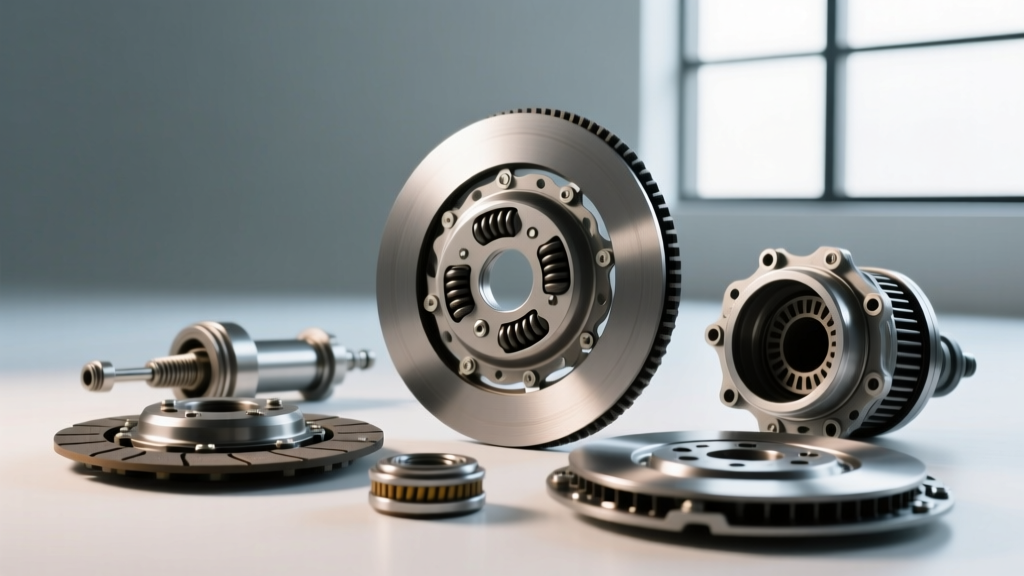
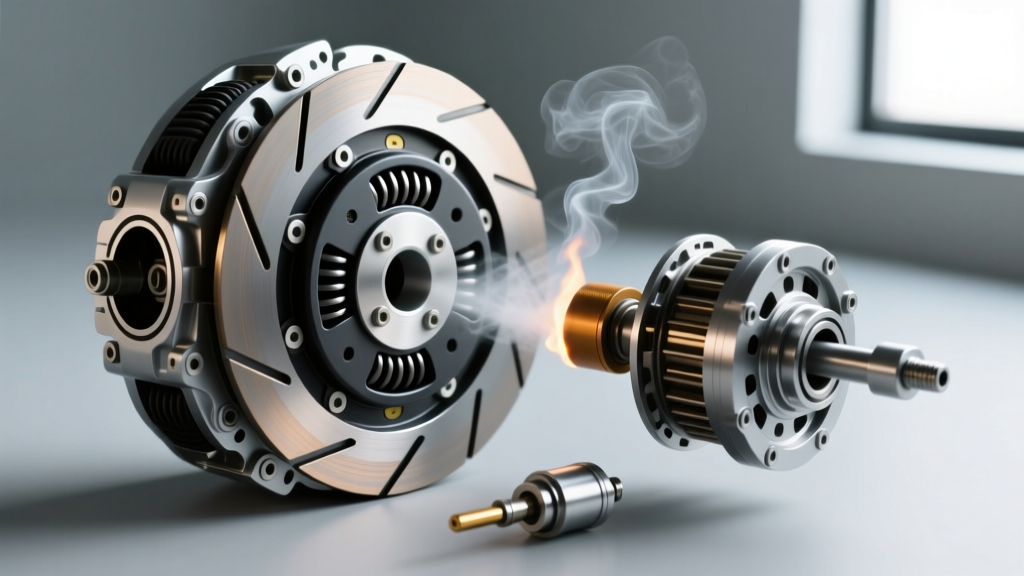
A clutch system is designed to transmit engine torque to the transmission input shaft via friction. In a classic cable-actuated setup—found in iconic platforms like the Ford Foxbody/SN95 Mustang, the Mazda MX-5 Miata (NA/NB), and countless Honda K-Series applications—the clutch cable pulls the release fork, which presses the throwout bearing (TOB) against the pressure plate diaphragm fingers. When drivers mistakenly try to 'tighten' a slipping clutch by removing all pedal freeplay, they inadvertently cause the TOB to ride the fingers constantly. This generates immense heat, glazes the friction material (worsening the slip), and places extreme tensile stress on the inner clutch cable wire, ultimately leading to the exact scenario where you must learn how to fix a snapped clutch cable.
Diagnostic Matrix: Slipping, Dragging, and Cable Snaps
Before tearing into the bellhousing or ordering replacement cables, use this diagnostic matrix to isolate the exact failure mode of your clutch system.
| Symptom | Root Cause | Primary Component | Preventive Action |
|---|---|---|---|
| Clutch Slipping (RPMs rise, speed does not) | Friction material wear, oil contamination, weak pressure plate, zero pedal freeplay | Disc / Flywheel / Cable Adjustment | Verify 10-15mm pedal freeplay; inspect rear main seal for leaks |
| Snapped Cable (Pedal goes to floor, stuck in gear) | Over-tensioning, fraying at firewall, lack of lubrication, quadrant failure | Clutch Cable / Firewall Adjuster | Maintain freeplay, lubricate inner wire with PTFE dry lube annually |
| Clutch Dragging (Grinding into 1st/Reverse) | Warped disc, air in hydraulic line, cable binding in sheath | Master/Slave Cylinder or Cable Sheath | Bleed system, inspect pivot ball wear, replace frayed sheath |
| Chatter/Vibration on Engagement | Hot spots on flywheel, broken hub springs, engine misfire | Flywheel Surface / Disc Hub | Resurface flywheel to 15-30 RA microinches; check engine mounts |
Step-by-Step Diagnosis of Clutch Slipping
Diagnosing clutch slipping requires verifying that the friction coefficient between the disc and the flywheel has dropped below the threshold required to hold the engine's torque output. Here is the professional diagnostic protocol.
1. The Pedal Freeplay Measurement
The most common cause of premature slipping and subsequent cable failure is incorrect pedal freeplay. Freeplay is the distance the pedal travels before the throwout bearing makes contact with the pressure plate fingers.
- Honda K-Series (Civic Si / Accord): Requires 10-15mm of freeplay at the pedal pad. Adjust via the pushrod nut at the clutch master cylinder or the under-dash quadrant.
- Ford Mustang (SN95 Cable Setup): Requires roughly 1 to 1.5 inches of freeplay. Adjusted via the firewall quadrant or aftermarket adjusters (e.g., Maximum Motorsports MM-CL-1).
Critical Warning: If you have zero freeplay, the throwout bearing is constantly spinning against the pressure plate. This not only destroys the bearing but also prevents the pressure plate from fully clamping the disc, causing slipping. Tightening the cable further to 'fix' the slip will inevitably snap the cable.
2. The 4th Gear Load Test
To confirm slipping under load, perform a safe stall-style test. Find an empty, flat road. Accelerate to 30 MPH, shift into 4th gear (or 5th in a 6-speed like the Tremec T-56 Magnum), and mat the throttle. If the tachometer climbs rapidly but the vehicle speed does not increase proportionally, the clutch is slipping. A healthy organic disc (friction coefficient of ~0.38) should lug the engine down and either stall it or accelerate the car without RPM flare.
3. Inspecting for Contamination
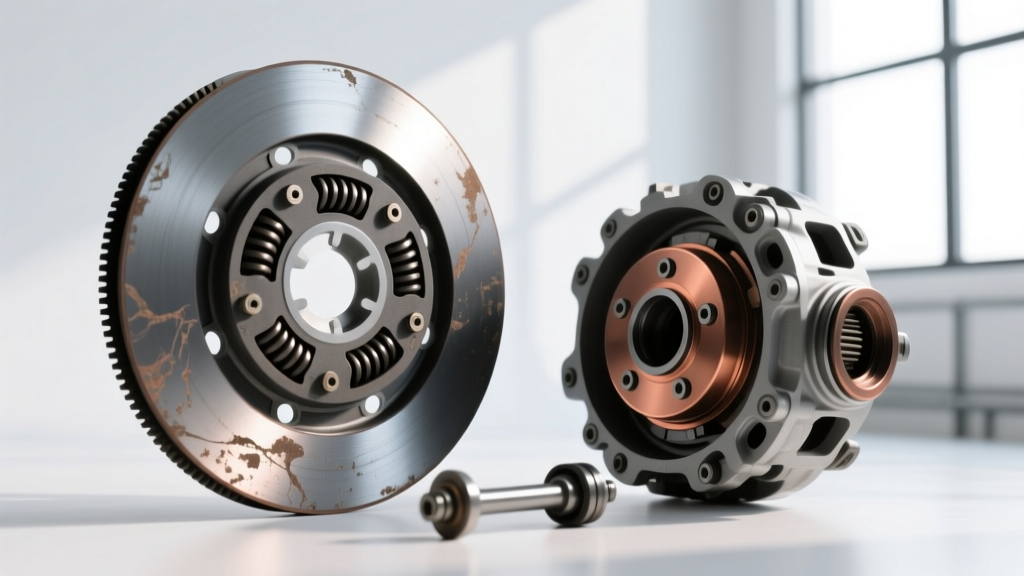
Clutch slipping is frequently caused by hydrodynamic lubrication contaminating the friction surface. Even a few drops of oil can ruin a disc. Inspect the bellhousing inspection cover for signs of:
- Engine Oil: Indicates a failed crankshaft rear main seal. (Repair cost: $800-$1,200 due to engine removal).
- Transmission Fluid: Indicates a leaking input shaft seal. (Repair cost: $400-$600, requires transmission drop).
- Grease: Indicates over-lubrication of the transmission input shaft splines or throwout bearing collar. Only a thin film of high-temp moly grease (like Ford Performance M-7575-A) should be used on splines; excess grease slings onto the disc under centrifugal force.
Preventive Maintenance: Saving the Cable and the Friction Disc
Preventive maintenance in manual drivetrains is all about managing heat and mechanical preload. If you have diagnosed slipping, do not attempt to compensate by over-tensioning the clutch cable. This is a band-aid that accelerates wear and guarantees a snapped cable. According to Maximum Motorsports technical guidelines, over-tensioning a Mustang clutch cable removes the necessary mechanical slack, transferring engine vibration directly into the cable housing and causing the inner wire to fray at the firewall adjuster or the clutch fork.
Flywheel Resurfacing and Runout Specs
If the friction disc is worn but not oil-contaminated, the flywheel must be resurfaced or replaced. When diagnosing slipping, always check flywheel runout with a dial indicator. Per Tremec service documentation and general OEM standards, maximum allowable runout is typically 0.004 inches (0.10 mm). Furthermore, the surface finish (Roughness Average, or RA) must be between 15 and 30 microinches for organic clutch discs. A surface that is too smooth will cause the disc to 'stick' and chatter; a surface that is too rough will act like sandpaper, destroying the new friction material in under 1,000 miles.
Real-World Cost & Part Data
When replacing slipping components, opt for OEM-equivalent or high-quality aftermarket kits to ensure proper clamp load and pedal feel.
- Exedy OEM Replacement Disc (e.g., HCD030U for Honda): $120 - $180. Excellent for daily driving, maintains factory pedal effort.
- Sachs Pressure Plate & Disc Kit (e.g., 0105099001 for VW/Audi): $250 - $350. Includes dual-mass flywheel (DMF) hardware where applicable.
- Heavy-Duty Clutch Cable (e.g., Ford Performance M-7553-A): $60 - $90. Features a reinforced inner wire and upgraded sheath to prevent snapping under heavy pedal effort.
The Verdict: Fix the Root Cause, Not the Symptom
Clutch slipping symptoms and diagnosis require a methodical approach that respects the mechanical limits of the drivetrain. While learning how to fix a snapped clutch cable is a necessary skill for emergency roadside repairs—usually involving a quick ratchet, a 13mm wrench, and a replacement cable from a local auto parts store—it is entirely preventable. By maintaining proper pedal freeplay, addressing oil leaks immediately, and respecting flywheel machining tolerances, you ensure that your clutch engages firmly, disengages smoothly, and keeps your cable intact for the life of the friction disc. For further reading on drivetrain tribology and friction material standards, refer to the SAE International Standards database.