The Olfactory Warning: Identifying a True Clutch Burn
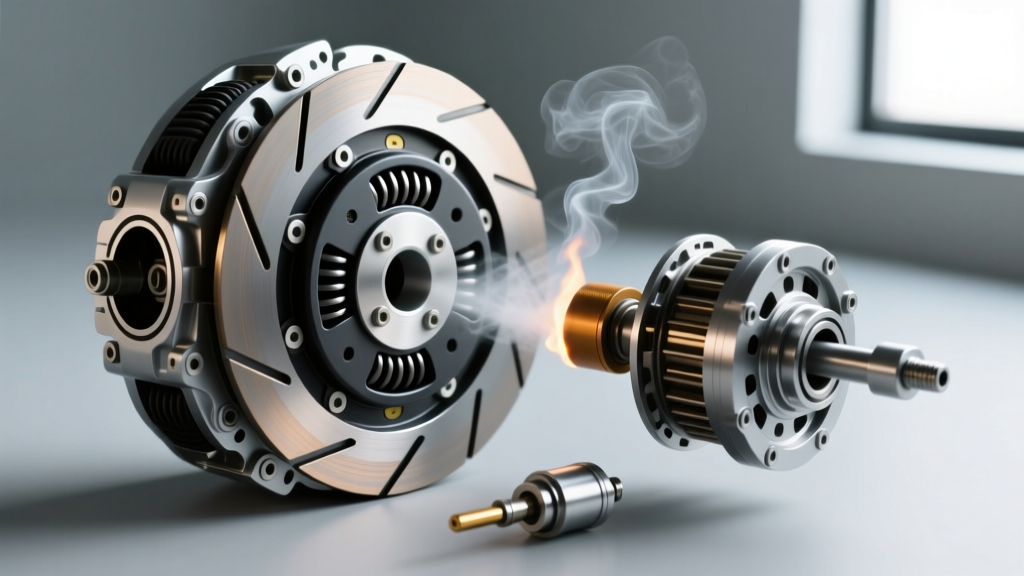
There are few smells more alarming to a manual transmission driver than the acrid, sulfurous stench of a burning clutch. Often described as a cross between hot brake dust, burnt toast, and sulfur, this distinct odor is the direct result of friction material resins vaporizing under extreme thermal loads. If you are driving a performance-oriented manual vehicle—particularly platforms like the Subaru WRX/STI, Honda S2000, or BMW E46/E90—and you detect this smell after aggressive driving or stop-and-go traffic on an incline, your clutch assembly is actively suffering from excessive slip.
However, diagnosing the root cause of this slip requires looking beyond the friction disc itself. In many modern and legacy manual hydraulic systems, the factory-installed Clutch Delay Valve (CDV) is the hidden culprit. This diagnostic guide explores the mechanical relationship between OEM hydraulic restrictions, clutch slip, and the burning smell, while detailing how a Perrin clutch delay valve modification (often a restrictor swap or complete delete) can restore proper hydraulic flow and save your friction material.
The Hidden Culprit: How OEM Clutch Delay Valves Cause Slip
To understand why your clutch is burning, you must first understand the hydraulic architecture of your clutch engagement system. The clutch master cylinder generates hydraulic pressure, which travels through hard lines, flexible hoses, and eventually to the slave cylinder. The slave cylinder actuates the release fork, pushing the throw-out bearing against the pressure plate diaphragm fingers to disengage the clutch.
When you release the clutch pedal, fluid must return from the slave cylinder to the master cylinder reservoir. Automakers intentionally install a Clutch Delay Valve (CDV) in this hydraulic circuit. The CDV is essentially a calibrated orifice that restricts the speed at which fluid returns, thereby slowing down the physical engagement of the clutch disc against the flywheel.
The Engineering Rationale vs. Real-World Consequences
OEM engineers install CDVs to protect the drivetrain. By artificially slowing clutch engagement, the CDV prevents abrupt shock loading that could damage differential gears, CV axles, and engine mounts, especially when driven by inexperienced operators. However, for performance driving, this delay is catastrophic.
During a Wide Open Throttle (WOT) shift from 2nd to 3rd gear, engine RPMs drop rapidly. Because the CDV delays full clamp load, the clutch disc remains partially disengaged, slipping against the spinning flywheel for an additional 0.5 to 1.2 seconds. At 6,000 RPM, this prolonged slip generates immense friction heat. The organic or semi-metallic binders in the clutch friction material begin to vaporize, producing the unmistakable burning smell and progressively glazing the friction surface.
Perrin Clutch Delay Valve Delete vs. OEM Restriction
When enthusiasts and tuners refer to a Perrin clutch delay valve modification, they are typically addressing the Subaru 5MT and 6MT hydraulic platforms. Perrin Performance offers engineered solutions, such as the Clutch Master Cylinder Restrictor or complete delay valve delete kits, designed to optimize hydraulic flow without introducing destructive drivetrain shock.
Instead of the highly restrictive OEM valve, the Perrin setup utilizes a precisely machined orifice (or a complete bypass, depending on the specific kit and master cylinder setup) that allows 100% fluid volume transfer while still maintaining a manageable engagement ramp. This eliminates the artificial slip duration, ensuring the pressure plate clamps the disc immediately upon pedal release, drastically reducing heat generation and eliminating the burning smell.
| Parameter | OEM CDV Setup | Perrin Performance Setup |
|---|---|---|
| Fluid Flow Rate | Restricted (Delayed Engagement) | Optimized (Direct Engagement) |
| Slip Duration (WOT Shift) | 0.8 - 1.5 Seconds | 0.2 - 0.4 Seconds |
| Heat Generation | High (Causes Glazing & Smell) | Minimal |
| Drivetrain Shock | Low | Moderate (Manageable) |
| Friction Material Life | Premature Wear | Extended Life |
Step-by-Step Clutch Burning Smell Diagnosis
Before tearing into the transmission bellhousing or ordering a Perrin clutch delay valve delete kit, you must systematically diagnose the current state of your clutch assembly. The burning smell is a symptom; you need to determine if the damage is already permanent.
1. The Static Lug Test (Slip Verification)
Find a safe, empty stretch of road. Bring the vehicle to a stop, engage 4th gear, and slowly release the clutch while applying moderate throttle. A healthy clutch will stall the engine almost immediately as the hydraulic system locks the drivetrain to the flywheel. If the engine revs freely or the RPMs climb while the vehicle struggles to move, your clutch is severely worn or glazed. The Perrin mod will not fix a mechanically destroyed clutch; it only prevents future slip.
2. Hydraulic Fluid Inspection
Check the clutch master cylinder reservoir. If the fluid is dark, cloudy, or smells burnt, the heat from the slave cylinder area has transferred into the hydraulic lines, degrading the fluid. Standard DOT 3 or cheap DOT 4 fluid boils at relatively low temperatures under extreme clutch slip conditions. Flush the system immediately with a high-performance fluid like Motul RBF 600 (Dry Boiling Point 312°C / 593°F) or Castrol SRF.
3. The WOT Shift Road Test
Perform a safe 2nd-to-3rd gear WOT shift. If you smell the burning odor immediately following the shift, but the clutch still holds torque in high gears, your friction material is likely intact but suffering from thermal overload due to the OEM CDV. This is the exact scenario where installing a Perrin clutch delay valve restrictor or delete is the correct mechanical intervention.
Technical Specifications & Torque Data
If your diagnosis points to a hydraulic restriction issue, upgrading the system requires precision. Below are the critical specifications for addressing the clutch hydraulic circuit and related components on common performance platforms (using the Subaru 5MT/6MT as the primary reference for Perrin applications).
- Perrin Clutch Master Cylinder Restrictor (Part # PER1-115): Replaces the OEM banjo bolt restriction. Typical retail price: $45 - $65.
- Slave Cylinder Mounting Bolts (M8x1.25): Torque to 22 Nm (16 lb-ft). Do not overtighten; the aluminum transmission bellhousing threads strip easily.
- Clutch Bleeder Valve Nipple: Torque to 8 Nm (71 lb-in). Use a proper flare-nut wrench or a 6-point socket to avoid rounding the soft brass nipple.
- Transmission Bellhousing to Engine Block (M10 Bolts): Torque to 45 Nm (33 lb-ft) if a full clutch replacement is required.
- Hydraulic Fluid Capacity: Typically 0.5L to 1.0L for a complete system flush.
Expert Diagnostic Tip: When bleeding a clutch system after removing an OEM CDV or installing a Perrin restrictor, always use a pressure bleeder set to 15-20 PSI. Manual pedal pumping can introduce micro-bubbles into the slave cylinder circuit, resulting in a spongy pedal feel that mimics the symptoms of a failing master cylinder.
Is Your Friction Material Already Glazed?
If the burning smell has been present for weeks, the extreme heat generated by the OEM CDV's delayed engagement has likely glazed the clutch disc. Glazing occurs when the organic resins melt and form a hard, glass-like shell over the friction material. A glazed clutch will exhibit a high-frequency chatter upon initial engagement in 1st gear and will slip under heavy load, regardless of hydraulic flow rates.
Measurement Thresholds for Replacement
If you drop the transmission to install a Perrin clutch delay valve delete and find glazing, you must replace the assembly. Use a micrometer and dial indicator to verify the following thresholds:
- Clutch Disc Thickness (New): 8.5mm - 9.0mm (varies by manufacturer like Exedy or ACT).
- Clutch Disc Service Limit: 6.5mm. If worn beyond this, replace immediately.
- Flywheel Runout Limit: Maximum 0.1mm (0.004 in). Excessive runout causes uneven wear and localized hot spots that perpetuate the burning smell even with a new clutch.
- Pressure Plate Diaphragm Finger Wear: Inspect for grooves deeper than 0.3mm caused by the throw-out bearing. If present, replace the pressure plate.
Final Verdict: Protecting Your Investment
A clutch burning smell is your vehicle's chemical distress signal. While aggressive driving habits can contribute to the issue, the OEM Clutch Delay Valve is fundamentally responsible for prolonging slip and generating destructive heat during normal performance driving. By systematically diagnosing the hydraulic circuit and upgrading to a Perrin clutch delay valve restrictor or delete, you restore the direct, mechanical connection between your left foot and the pressure plate. This not only eliminates the dreaded burning smell but also extends the lifespan of your friction material, ensuring your drivetrain operates exactly as the engineers intended before the CDV was ever installed.
For further community-driven diagnostics and real-world installation data on hydraulic modifications, enthusiasts frequently reference the extensive archives at the NASIOC Subaru Powertrain Forum, where decades of empirical testing on CDV deletes and clutch master cylinder upgrades are documented.