The Anatomy of a Hydraulic Clutch Leak in Performance Builds
As we navigate the 2026 track season, the widespread adoption of high-clamp-load twin and triple-disc clutches—such as the McLeod RXT or Tilton 3-plate setups—has placed unprecedented stress on OEM hydraulic systems. When upgrading your drivetrain, the hydraulic release mechanism often becomes the weakest link. Recognizing the signs of a bad clutch slave cylinder is the first step in preventing catastrophic missed shifts, transmission synchro damage, and ruined track days.
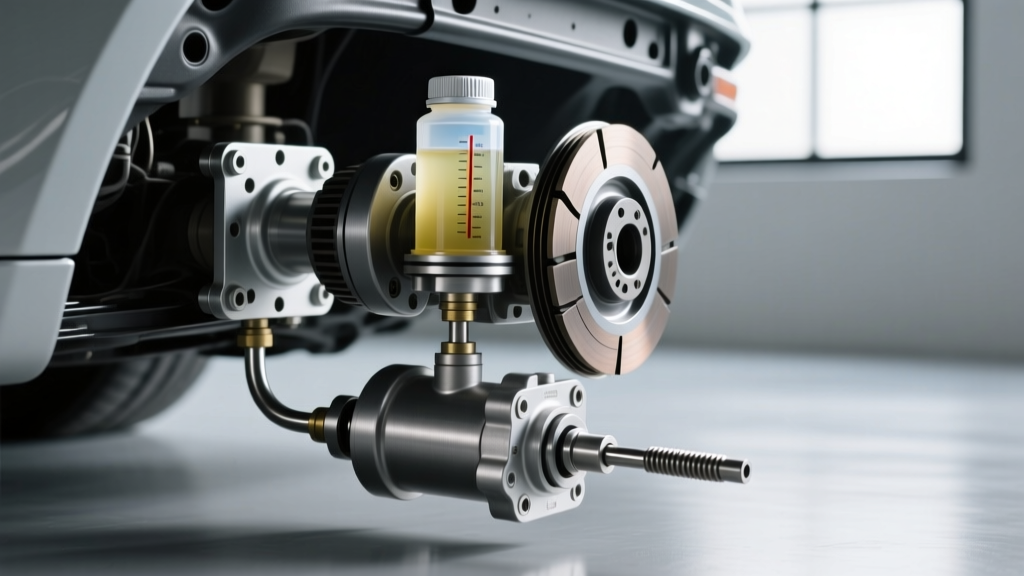
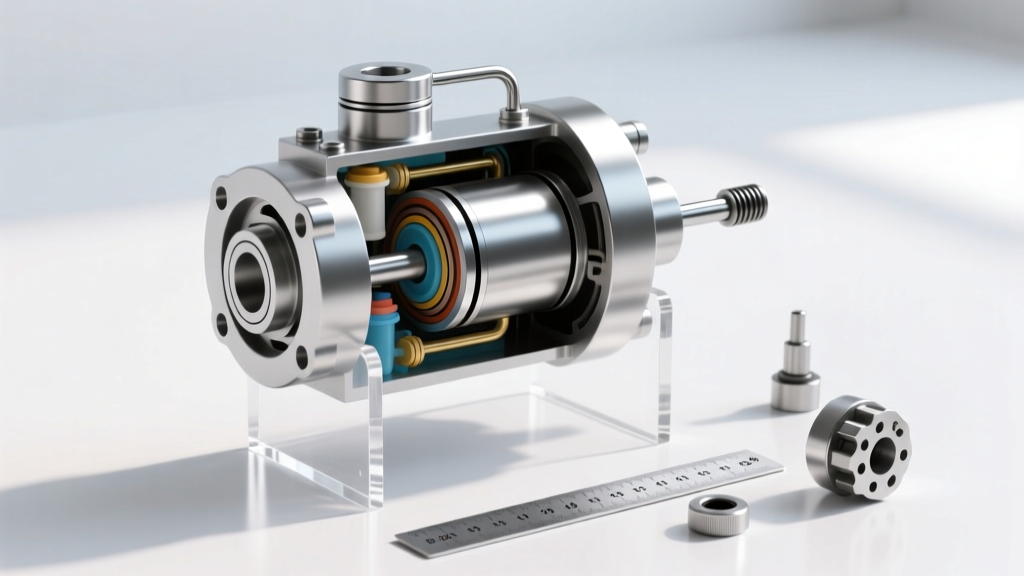
A hydraulic clutch system operates on the principle of incompressible fluid transfer. When the master cylinder pushes DOT fluid through the hard lines and flexible hoses, the slave cylinder translates that hydraulic pressure into mechanical force against the clutch fork or hydraulic throwout bearing (HTOB). A leak in this system compromises volumetric efficiency, leading to incomplete clutch disengagement. To properly diagnose and upgrade your system, we must differentiate between external weeping and internal seal bypassing.
5 Critical Signs of a Bad Clutch Slave Cylinder
Diagnosing a failing slave cylinder requires more than just looking for puddles on your garage floor. Modern performance vehicles often route hydraulic lines internally or shield the bellhousing, masking external leaks. Here are the definitive symptoms of slave cylinder failure:
- Pedal Sink at Stoplights (Internal Bypass): If you hold the clutch pedal depressed at a red light and it slowly sinks toward the floor over 10-15 seconds, the internal piston seals inside the slave cylinder are bypassing fluid. The fluid isn't leaving the system; it is simply moving past the seal, resulting in a loss of hydraulic pressure.
- Inconsistent Bite Point (Aeration and Fluid Loss): A shifting bite point that moves higher up the pedal travel after aggressive driving indicates fluid loss or aeration. As external micro-leaks draw in air during the pedal's return stroke, the compressible air bubbles create a spongy, unpredictable engagement zone.
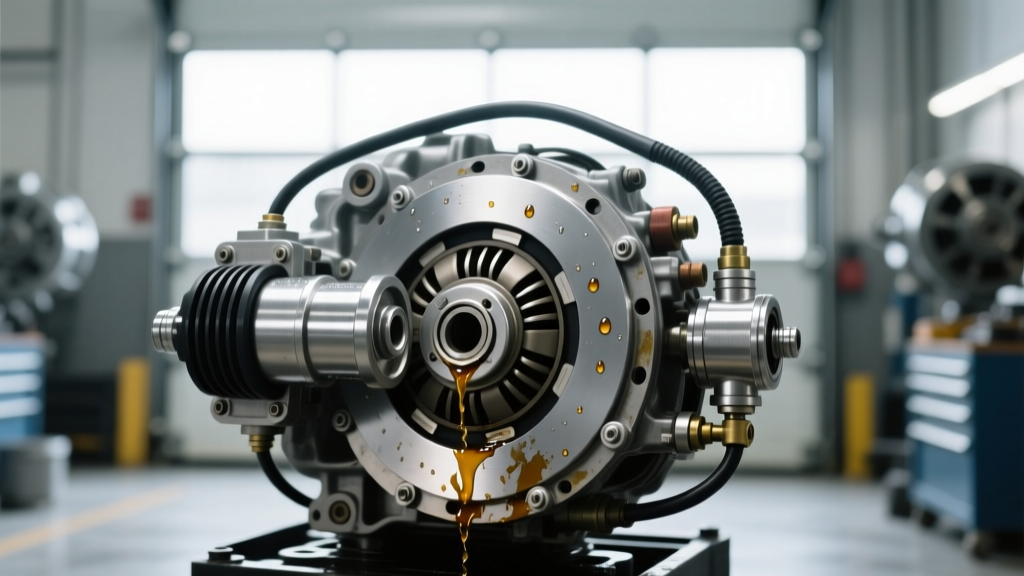
- Visible DOT Fluid on the Bellhousing (External Leak): Inspect the inspection cover or the bottom of the bellhousing. Wet, oily residue that smells distinctly of glycol (DOT fluid) rather than petroleum (gear oil) confirms an external seal failure at the slave cylinder pushrod or HTOB piston.
- Grinding Gears on 2-3 or 4-5 Shifts: Incomplete disengagement forces the transmission synchros to work overtime. If your Tremec T56 Magnum or Ford MT-82 grinds specifically during high-RPM shifts, the slave cylinder may be suffering from volumetric loss, failing to push the pressure plate fingers far enough to clear the friction discs.
- Spongy Pedal Feel Post-Bleed: If you have meticulously bled the system using a pressure bleeder, yet the pedal remains soft, the slave cylinder bore may be scored, or the return spring has fatigued, preventing the piston from fully retracting and sealing.
Advanced Diagnostic Protocols for Track and Street
Guesswork leads to unnecessary parts swapping. Professional transmission shops and track-side mechanics rely on systematic pressure and dye testing to isolate clutch hydraulic leaks.
1. The Motive Power Bleeder Pressure Test
Attach a Motive Products Power Bleeder to your clutch master cylinder reservoir. Pump the system to exactly 20 PSI. Close the bleeder valve on the slave cylinder. Monitor the gauge for 10 minutes. A healthy system will hold 20 PSI indefinitely. If the pressure drops to 15 PSI or lower, you have a leak. To isolate, clamp the flexible rubber hose connecting the hard line to the slave cylinder. If the pressure holds, the leak is downstream (slave cylinder or HTOB). If it still drops, the leak is in the master cylinder, hard line, or flex hose.
2. UV Dye Tracing for Micro-Leaks
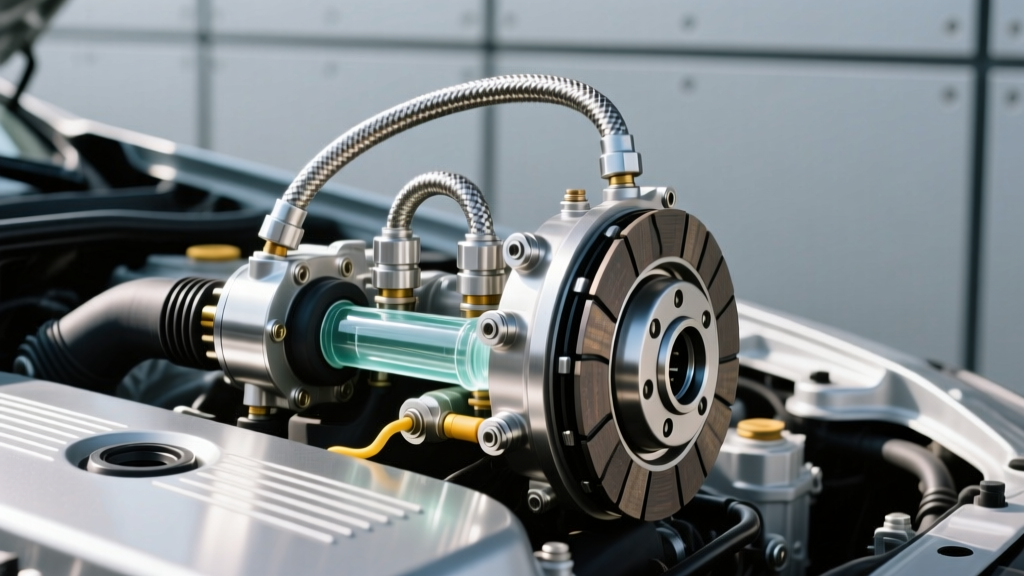
For elusive external leaks, introduce a glycol-compatible UV dye into the master cylinder reservoir. Cycle the clutch pedal 50 times to pressurize the system and force the dye through any microscopic breaches in the line fittings or slave cylinder boot. Use a 365nm UV flashlight in a darkened environment to pinpoint the exact origin of the weep. This is especially critical for braided stainless steel lines where the inner PTFE tube can fail beneath the outer steel braid.
Performance Upgrade Matrix: OEM vs. Aftermarket Slaves
When diagnosis confirms a failing slave cylinder, replacing it with another OEM plastic unit is a disservice to a performance build. OEM cylinders are designed for cost-efficiency and stock clutch pressures, not the 3,500+ lb clamp loads of aftermarket race clutches. Below is a comparison of common upgrade paths for popular performance platforms.
| Platform / Application | OEM Part / Material | Performance Upgrade | Bore Size & Volume | Est. Cost (2026) |
|---|---|---|---|---|
| GM T56 / T56 Magnum | GM 24284262 (Plastic) | Tick Performance Billet Aluminum | 0.800" Bore (High Volume) | $180 - $220 |
| Ford MT-82 (Mustang) | Ford M-7519-A (Plastic) | McLeod Adjustable Billet Slave | Adjustable Pushrod / 0.750" | $250 - $290 |
| Porsche G50 / 911 | FTE KG15030 (Cast Iron) | LN Engineering Billet Aluminum | 15.87mm (5/8") Bore | $350 - $420 |
Expert Insight: When upgrading to a larger bore slave cylinder (e.g., moving from a 0.700" to a 0.800" bore), you will increase the mechanical force applied to the clutch fork, but you will decrease the total linear travel. Ensure your master cylinder bore is matched correctly to avoid a heavy pedal with insufficient throw.
High-Temperature Fluid Selection for Heavy Clutches
A leaking slave cylinder often necessitates a complete fluid flush. In high-performance applications, the hydraulic fluid is subjected to immense heat radiating from the exhaust and bellhousing. Standard DOT 3 fluid will boil, creating vapor lock that mimics the symptoms of a bad slave cylinder. According to Motul's engineering data, selecting a fluid with a high dry and wet boiling point is non-negotiable for track use.
| Fluid Type | Dry Boiling Point | Wet Boiling Point | Best Application |
|---|---|---|---|
| Standard DOT 4 | 446°F (230°C) | 311°F (155°C) | Stock street clutches, daily driving. |
| DOT 5.1 (Glycol) | 500°F (260°C) | 356°F (180°C) | Aggressive street, light autocross. |
| Motul RBF 660 | 622°F (328°C) | 401°F (205°C) | Track days, high-clamp load twins. |
| Castrol SRF Racing | 590°F (310°C) | 518°F (270°C) | Endurance racing, extreme heat. |
Note: Never use DOT 5 (Silicone) fluid in a standard hydraulic clutch system. It is compressible, leading to a spongy pedal, and does not mix with glycol-based fluids, which will ruin your rubber seals.
Precision Installation and Torque Specifications
When replacing the slave cylinder, proper torque and bleeding procedures are paramount. Overtightening aluminum slave cylinders into cast-iron transmission bellhousings can crack the mounting ears or strip the threads, leading to immediate external leaks. Always consult the specific Tremec or OEM service manual, but adhere to these general performance baselines:
- T56 Magnum Slave Cylinder Mounting Bolts (M8x1.25): Torque to 15 Nm (11 lb-ft). Use a drop of blue Loctite 243 to prevent vibration-induced backing out.
- Ford MT-82 Slave Cylinder Bolts (M6x1.0): Torque to 10 Nm (89 lb-in). These are small fasteners; use a 1/4-inch drive torque wrench to avoid snapping them.
- Hard Line Flare Nuts (3/16" or M10x1.0): Torque to 14-16 Nm (10-12 lb-ft). Over-torquing the AN3 or ISO bubble flare fittings will crush the soft aluminum or copper seat, guaranteeing a permanent weep.
Finally, bench-bleed the new slave cylinder or master cylinder before installation. By securing the component in a vise and cycling the pushrod while submerged in a small cup of fresh DOT fluid, you eliminate 90% of the trapped air that causes prolonged bleeding sessions and phantom sponginess. Upgrading your hydraulic hardware and diagnosing leaks with precision ensures your drivetrain performs flawlessly, whether you are launching on the drag strip or navigating canyon roads.