The Hidden Bottleneck in High-Performance Clutch Swaps
Upgrading to an aftermarket twin-disc or triple-disc clutch assembly—such as a McLeod RXT or Tilton OT-II—is a rite of passage for high-horsepower builds. However, as of 2026, one of the most common points of failure in these conversions isn't the clutch itself; it is the hydraulic actuation system. If your pedal feels like stepping on a brick wall, or conversely, if it sinks to the floor without fully disengaging the pressure plate, your hydraulic ratio is mismatched. This brings us to the critical variable: the clutch master cylinder bore size.
In this step-by-step guide, we will address the fundamental question of where is the clutch master cylinder located across various chassis architectures, and then walk through the precise extraction, measurement, and mathematical sizing required to match your master cylinder bore to your aftermarket slave cylinder.
Where Is the Clutch Master Cylinder Located? (Chassis Breakdown)
Before you can measure or upgrade the bore, you must locate the component. The exact position depends heavily on your vehicle's chassis engineering:
- Firewall-Mounted (Pushrod Actuated): Common in GM F-Bodies (Camaro/Firebird), Ford Mustangs (S197/S550), and most front-engine/rear-wheel-drive trucks. The cylinder is bolted directly to the firewall in the engine bay, with a pushrod passing through the firewall to connect to the clutch pedal arm.
- Pedal-Box Mounted (Direct Actuated): Found in Porsche 911s, Nissan GT-Rs, and dedicated track cars. The master cylinder is located inside the cabin or front trunk area, bolted to a fabricated or cast pedal box, eliminating the need for a long pushrod and reducing flex.
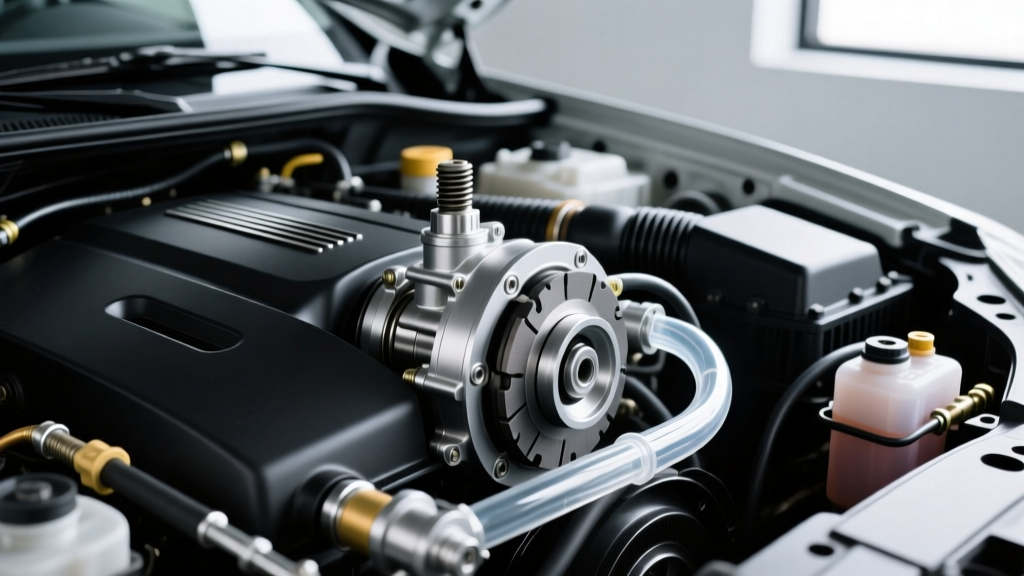
- Remote Reservoir / Concentric Slave Setups: Many modern European vehicles (BMW, Audi) use a combined clutch/brake fluid reservoir located in the engine bay, feeding a master cylinder that is tucked high against the firewall, often obscured by the brake booster and HVAC plumbing.
Step 1: Safe Extraction and Fluid Management
Removing the master cylinder requires care to prevent highly corrosive DOT fluid from destroying your vehicle's paint and wiring harnesses.
- Depressurize and Drain: Place a catch pan under the firewall. Use a fluid extraction syringe to remove the bulk of the DOT 4 or DOT 5.1 fluid from the remote or attached reservoir.
- Disconnect the Hard/Soft Line: Use a line wrench (flare nut wrench) to prevent rounding the soft brass or aluminum fittings. For modern quick-disconnect fittings (common on 2010+ GM and Ford trucks), use a specialized release tool or carefully depress the retaining collar while pulling the line.
- Detach the Pushrod: From inside the cabin, remove the cotter pin or retaining clip securing the master cylinder pushrod to the clutch pedal pivot arm.
- Unbolt the Firewall Nuts: Back in the engine bay, locate the two (sometimes four) mounting nuts. These are typically M8x1.25 or 5/16-18 hardware. Remove them and gently pull the cylinder forward through the firewall.
Step 2: Precision Bore Measurement
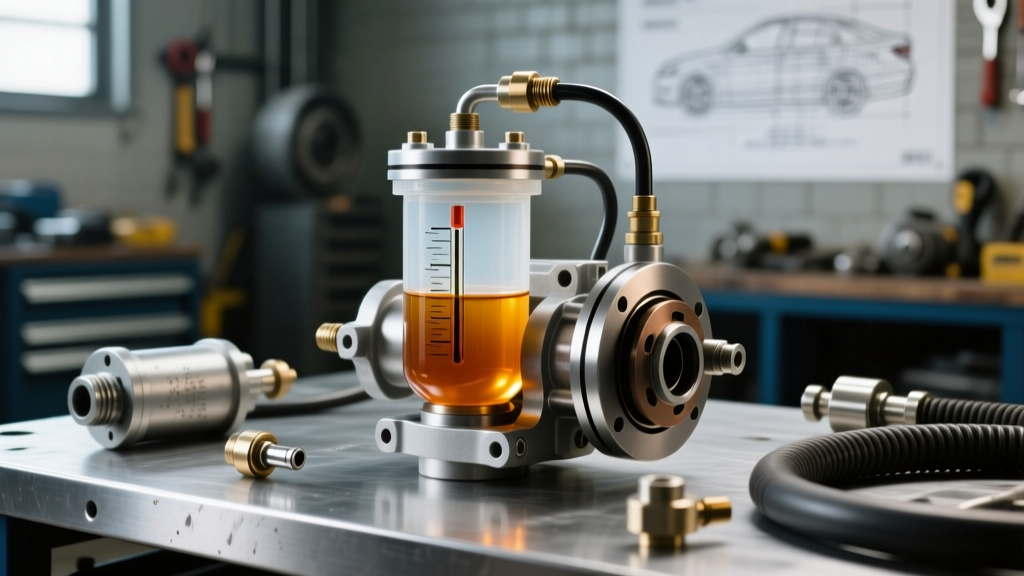
Do not rely on stamped part numbers or internet forum guesses. To determine your exact clutch master cylinder bore size, you must measure the internal diameter of the cylinder bore using digital calipers.
Expert Tip: Never measure the rubber piston seal or the outer diameter of the metal piston. Seals compress, and pistons are slightly undersized to allow for fluid bypass. Insert your calipers into the open fluid reservoir port or the rear of the cylinder (if disassembled) and measure the bare aluminum or cast-iron inner wall.
Standard OEM bore sizes typically range from 0.625" (5/8") to 0.800". If you are measuring an OEM GM LS-era master cylinder, you will likely find a 0.700" or 0.750" bore. Ford applications often utilize a 0.790" (roughly 20mm) bore.
Step 3: The Mathematics of Clutch Hydraulics
Understanding why bore size matters requires looking at the hydraulic ratio. The hydraulic ratio is calculated by dividing the area of the slave cylinder piston by the area of the master cylinder piston. According to Tilton Engineering's hydraulic design guides, a higher ratio yields a lighter pedal feel but requires more pedal travel, while a lower ratio increases pedal effort but provides faster, more precise engagement.
| Master Bore Size | Slave Bore Size | Hydraulic Ratio | Pedal Characteristics | Best Application |
|---|---|---|---|---|
| 0.700" (OEM) | 0.850" | 1.47:1 | Light effort, long travel | Stock Single-Disc, OEM Replacements |
| 0.750" (Wilwood) | 0.850" | 1.28:1 | Moderate effort, crisp engagement | Aftermarket Twin-Disc (Street/Track) |
| 1.000" (Tilton) | 1.125" | 1.26:1 | Heavy effort, immediate response | Triple-Disc, Heavy-Duty Truck, Drag |
| 0.625" (Small) | 0.850" | 1.84:1 | Extremely light, excessive travel | Small-Radius Sintered Iron Clutches |
If you install a heavy-duty clutch with high clamp load (e.g., 3,200 lbs) and retain a small 0.625" master cylinder, the pedal travel will bottom out against the floor before the slave cylinder has moved far enough to disengage the clutch fingers. Conversely, using a massive 1.125" master bore with a small slave will result in a pedal so stiff it causes driver fatigue and knee strain.
Step 4: Selecting the Right Aftermarket Bore Size
When upgrading, you must match the master bore to both the slave cylinder volume and the physical travel limits of your clutch pedal assembly. As of 2026, the industry standard for high-performance street and track applications relies heavily on precision-machined billet aluminum cylinders.
- The 0.75" Sweet Spot: The Wilwood 260-1304 (0.75" bore) is widely considered the gold standard for GM LS and LT engine swaps utilizing a T56 Magnum transmission and an aftermarket McLeod or Ram hydraulic throwout bearing. Priced around $160-$190, it provides the perfect balance of volume displacement and pedal firmness.
- The Heavy-Duty 1.0" Bore: For diesel trucks (Cummins, Duramax) running massive multi-disc clutches with large-volume external slave cylinders, a 1.0" bore master cylinder like the Tilton 78-Series (Part # 78-1018) is required. These units cost upwards of $300 but feature internal compensation ports designed to prevent fluid trapping under extreme heat.
For deeper insights into component matching, refer to Wilwood Engineering's technical bulletins on clutch and brake hydraulic balancing.
Step 5: Installation, Pushrod Geometry, and Bleeding
Installing a new master cylinder is not simply a bolt-on affair. Pushrod geometry and freeplay are where 90% of DIY installations fail, leading to premature throwout bearing wear or fluid boiling.
- Firewall Mounting: Feed the new cylinder through the firewall. Thread the M8x1.25 mounting nuts by hand to avoid cross-threading the aluminum firewall studs. Torque these nuts to 18-22 lb-ft (25-30 Nm). Over-torquing can warp the plastic or billet mounting flange, causing a slow vacuum or fluid leak.
- Pushrod Adjustment (Critical): The pushrod must have a specific amount of freeplay—typically 0.010" to 0.030" of lash before it begins applying pressure to the master cylinder piston. If the pushrod is adjusted too tightly (preload), the internal compensation port remains blocked. As the fluid heats up and expands, it will apply constant pressure to the clutch fork or throwout bearing, causing catastrophic slip and failure.
- Line Connection: Use new AN-3 or OEM quick-connect fittings. If using AN fittings, torque the aluminum hose ends to 12-15 lb-ft using an aluminum jaw wrench to prevent marring.
Step 6: Fluid Selection and Pressure Bleeding
High-volume bore sizes require high-quality fluid to resist vapor lock. The clutch hydraulic system is often routed near the exhaust headers or transmission bellhousing, exposing it to extreme radiant heat.
- Standard Street (DOT 4): Motul RBF 600 (Dry Boiling Point 626°F / 330°C). Excellent for 0.75" bore street applications.
- Track / Heavy-Duty (DOT 5.1 / Racing): Castrol SRF or AP Racing PRF. Essential for 1.0" bore setups in drag racing or road course environments where brake and clutch fluid share a common reservoir and heat soak is severe.
Do not rely on manual pedal pumping to bleed a large-bore system. Use a pneumatic or manual pressure bleeder (like a Motive Products 101) pressurized to 12-15 PSI. Open the slave cylinder bleeder screw and allow the fluid to run clear and bubble-free. Cycling the clutch pedal 20-30 times while the bleeder is closed helps dislodge air pockets trapped in the hydraulic throwout bearing cavity.
Conclusion: Precision Over Guesswork
Knowing where the clutch master cylinder is located is only the first step in a successful drivetrain upgrade. By accurately measuring your OEM bore size, understanding the hydraulic ratio, and selecting a precision aftermarket unit like a 0.75" Wilwood or 1.0" Tilton, you transform a stubborn, unpredictable clutch pedal into a linear, communicative extension of your left foot. Always respect pushrod freeplay specifications, and your high-performance clutch system will deliver thousands of miles of flawless engagement.