Introduction: Mechanical Linkage vs. Electromagnetic Actuation
When diagnosing drivetrain engagement anomalies, automotive technicians must clearly distinguish between mechanical linkage degradation and electromagnetic failures. For instance, diagnosing a failing cub cadet zt1 pto clutch typically involves testing a 12V magnetic coil, checking wiring harness continuity, and measuring a precise 0.010-inch to 0.020-inch air gap between the armature and rotor. It is an entirely electromagnetic process devoid of mechanical levers. In stark contrast, manual automotive transmissions—such as the Tremec T56 Magnum, Ford MT-82, and GM Muncie M22—rely on a physical clutch fork and pivot ball to translate hydraulic or cable force into lateral bearing movement. When clutch fork and pivot issues arise in these automotive applications, the symptoms often mimic severe internal transmission damage, making precise, expert diagnostics critical to avoid unnecessary teardowns.
The Anatomy of Clutch Fork and Pivot Wear
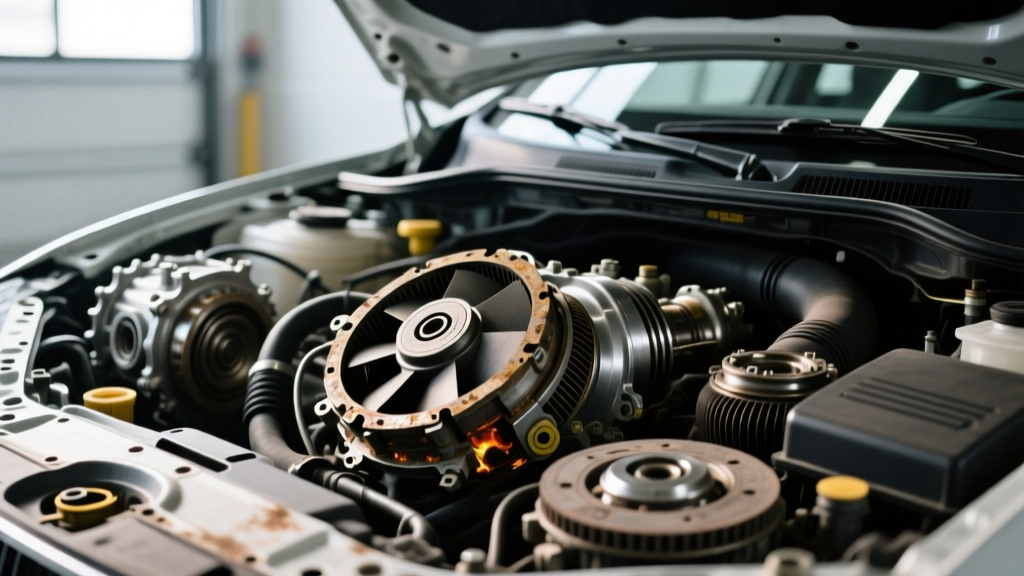
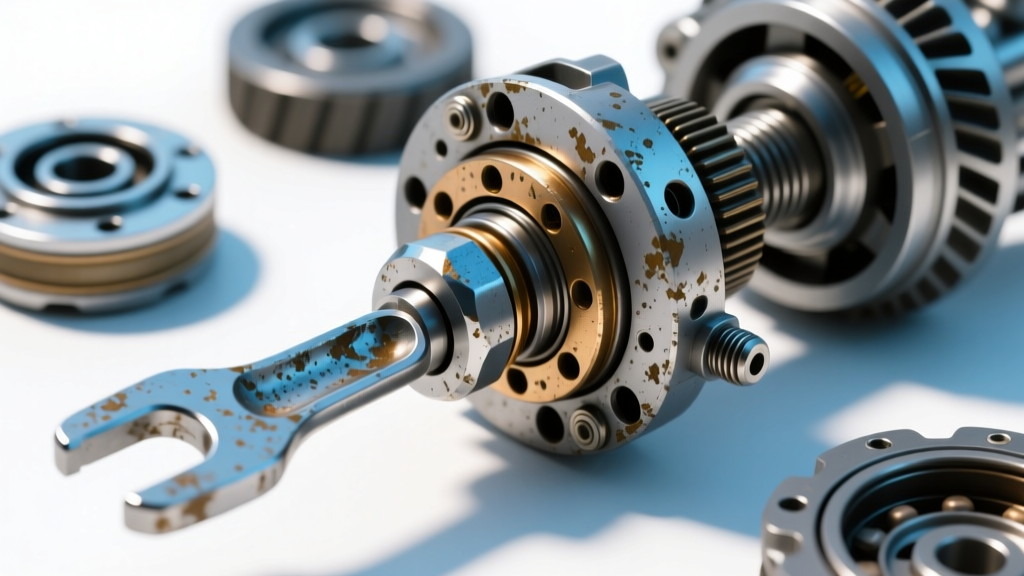
The clutch fork acts as a first-class lever, pivoting on a hardened steel or nylon-tipped ball stud mounted directly to the transmission bellhousing. As the throwout bearing collar presses against the pressure plate diaphragm fingers, the fork experiences immense lateral and rotational stress. Over tens of thousands of miles, the pivot ball can wear a deep groove into the fork's internal recess, or the fork's contact pads can wear completely through to the cast iron or stamped steel base.
Unlike the electromagnetic engagement of a cub cadet zt1 pto clutch, which wears uniformly across its friction disc and armature plate without lateral binding, mechanical pivot wear creates asymmetric friction. This asymmetric wear leads to off-axis loading on the throwout bearing, accelerating bearing failure and causing severe drivetrain chatter. In modern high-torque applications, the use of heavy-duty diaphragm pressure plates (exceeding 2,800 lbs of clamp load) exponentially increases the stress on the pivot ball and fork interface.
Core Symptoms of Fork and Pivot Degradation
1. Pedal Chatter and Asymmetric Engagement
When the pivot ball wears a non-spherical groove into the clutch fork, the fork cannot pivot smoothly. As the clutch pedal is released and the diaphragm fingers push back against the throwout bearing, the fork binds and releases in micro-increments. This translates directly to the driver's foot as a violent, rhythmic chatter during the friction zone. Unlike engine misfires or warped flywheels, pivot-induced chatter is most prominent at low-RPM takeoffs and is often accompanied by a metallic squeak from the bellhousing.
2. Incomplete Disengagement and Gear Grinding
If the clutch fork pads wear excessively, the effective length of the lever is reduced. Even with a fully depressed clutch pedal, the throwout bearing may not travel the requisite distance to fully disengage the clutch disc from the flywheel. This results in grinding when shifting into first or reverse while stationary. Technicians often misdiagnose this as a warped clutch disc or a failing hydraulic master cylinder, replacing parts that are perfectly within spec.
3. Squeaking, Clunking, and Pedal Bind
A dry or heavily grooved pivot ball will produce a distinct squeaking noise that correlates exactly with pedal movement. If the pivot stud itself is loose in the bellhousing threads, the entire fork assembly will shift forward and backward, causing a loud metallic clunk when the clutch is engaged or disengaged, and resulting in a highly unpredictable pedal feel.
Comparative Analysis: Manual Linkage vs. Electromagnetic PTO
Understanding the fundamental differences in clutch actuation systems helps isolate the root cause of engagement failures. Below is a structural comparison between automotive mechanical setups and heavy-duty lawn equipment PTO systems.
| Feature | Manual Clutch Fork & Pivot (Automotive) | Electromagnetic PTO (e.g., Cub Cadet ZT1) |
|---|---|---|
| Actuation Method | Mechanical Lever / Hydraulic Slave Cylinder | Magnetic Coil (12V DC Electromagnet) |
| Primary Wear Point | Pivot ball, fork pads, throwout collar | Armature plate, rotor surface, coil windings |
| Adjustment Mechanism | Pivot stud height, linkage freeplay, hydraulics | Air gap shims (typically 0.010" - 0.020") |
| Primary Failure Symptom | Grinding, chatter, pedal bind, squeaking | Slipping under load, no engagement, excess heat |
Expert Diagnostic Procedures and Measurements
As of 2026, advanced diagnostic procedures require moving beyond simple pedal feel assessments. To accurately diagnose clutch fork and pivot issues without immediately pulling the transmission, technicians should employ the following methodologies:
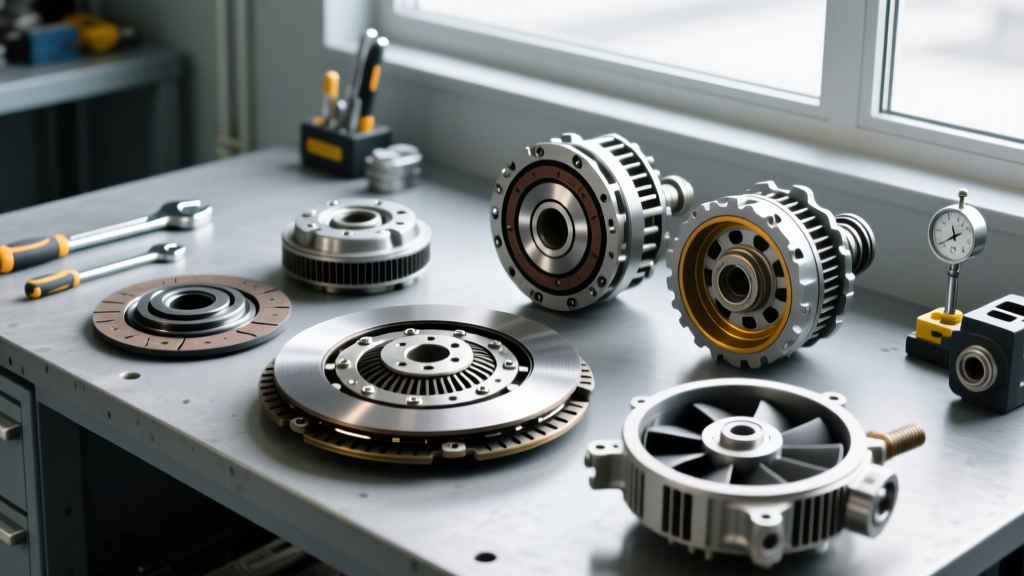
- Dial Indicator Fork Travel Test: Remove the transmission inspection cover or slave cylinder. Mount a magnetic dial indicator to the bellhousing and measure the lateral travel of the clutch fork. A Tremec T56 Magnum typically requires 0.450 to 0.500 inches of fork travel for full disengagement. If pedal travel is full but fork travel is short, the fork pads or pivot ball are severely worn.
- Endoscope Pivot Inspection: Use a high-definition borescope through the inspection window to visually inspect the pivot ball. Look for flat-spotting, galling, or a lack of high-temperature grease. If the pivot ball shows a shiny, polished wear ring, the fork recess is likely gouged.
- Hydraulic vs. Cable Masking: Be aware that Concentric Slave Cylinders (CSC), like those found in the Ford MT-82, are self-adjusting. A CSC will continuously extend to compensate for worn fork pads and clutch disc material. This masks pivot wear until the CSC runs out of internal stroke, leading to sudden, catastrophic disengagement failure. External slave cylinders (like on the GM LS/T56 platforms) will show a visible decrease in pushrod extension as fork wear increases.
Torque Specifications, Repair Best Practices, and Costs
When a worn clutch fork and pivot ball are confirmed, the transmission must be removed for service. Reusing a grooved pivot ball with a new clutch kit is a hallmark of amateur repairs and will lead to immediate warranty returns. According to engineering guidelines from Tremec, the pivot ball stud must be perfectly aligned with the transmission input shaft centerline to prevent asymmetric bearing wear.
Critical Torque Specs and Upgrades
For GM and Tremec applications utilizing a 3/8"-16 pivot stud, the factory torque specification is generally 20 to 25 lb-ft. It is imperative to apply a medium-strength threadlocker (such as Loctite 262 Red) to the pivot stud threads before installation. If the pivot stud backs out even 0.050 inches during operation, it will alter the clutch geometry and cause severe release issues.
For high-performance or heavily abused vehicles, upgrading to an adjustable pivot ball is highly recommended. Manufacturers like McLeod Racing and RAM Clutches offer billet steel adjustable pivot balls that allow technicians to dial in the exact fork geometry, compensating for resurfaced flywheels or aftermarket bellhousings.
2026 Pricing and Part Number Reference
| Component | Part Number / Example | Estimated Cost (USD) |
|---|---|---|
| OEM GM Pivot Stud | GM 14066187 | $12 - $18 |
| McLeod Adjustable Pivot Ball | McLeod #1690 | $45 - $55 |
| RAM Heavy-Duty Clutch Fork | RAM #80-2100 | $120 - $150 |
| Transmission R&R Labor | Shop Rate (4-6 Hours) | $450 - $950 |
Conclusion
While electromagnetic systems like the cub cadet zt1 pto clutch offer maintenance-free, magnetically actuated engagement for heavy equipment, the automotive manual transmission remains reliant on the brute-force physics of the clutch fork and pivot ball. Recognizing the distinct symptoms of pivot wear—chatter, incomplete disengagement, and bellhousing noise—allows technicians to accurately diagnose drivetrain issues. By utilizing dial indicators, adhering to strict torque specifications, and upgrading to adjustable billet components, professionals can ensure smooth, reliable clutch operation for the life of the vehicle.