Navigating the 2026 Clutch Disc Market: Material Costs and Performance
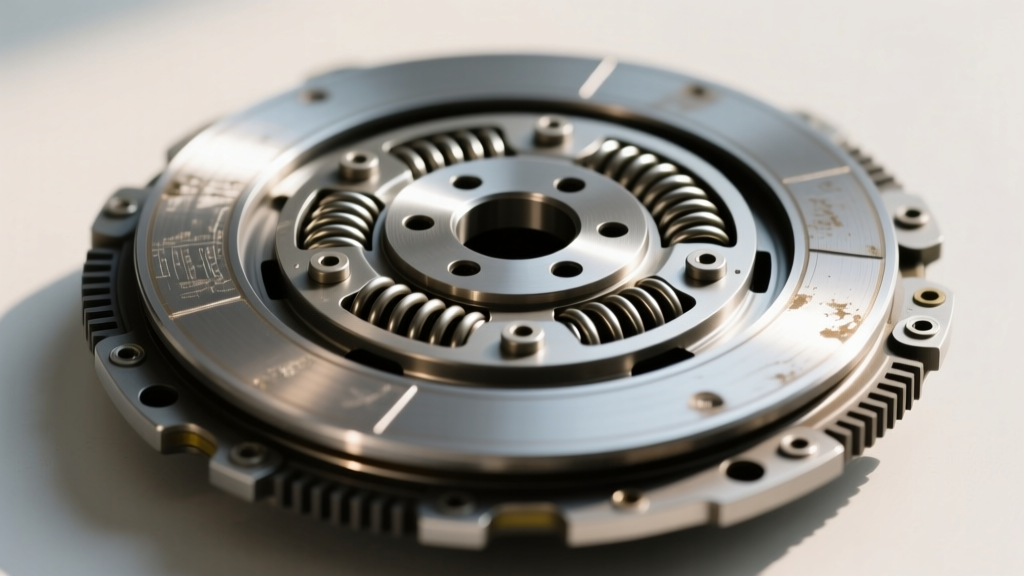
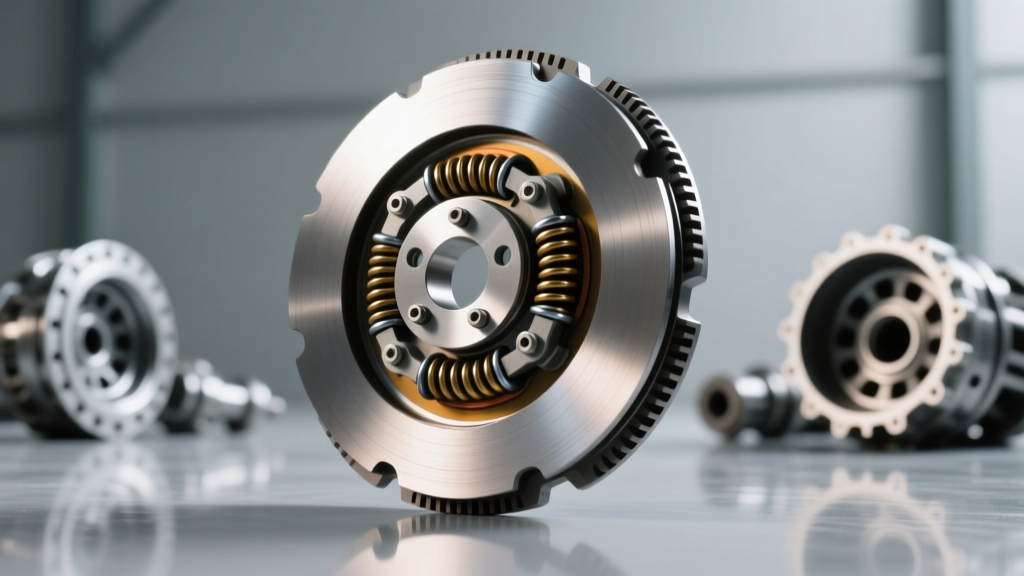
When upgrading or replacing a manual transmission drivetrain, the clutch disc is the critical nexus between engine output and gear engagement. In 2026, global supply chain fluctuations—specifically regarding copper, brass, and aramid fiber availability—have shifted the pricing landscape for friction materials. Selecting the right clutch disc friction material is no longer just about torque capacity; it is a complex cost-benefit analysis involving initial purchase price, flywheel wear rates, and long-term drivability.
Whether you are building a 400-wheel-horsepower Honda K-series track car, rebuilding a daily-driven Subaru WRX, or preparing a 1,000-horsepower Tremec T56 Magnum drag car, understanding the financial and mechanical implications of organic, Kevlar, ceramic, and sintered iron materials is essential. This comprehensive cost breakdown will guide you through the real-world pricing, hidden installation expenses, and specific failure modes of modern clutch disc friction materials.
The Baseline: Organic Clutch Disc Pricing and Daily Drivability
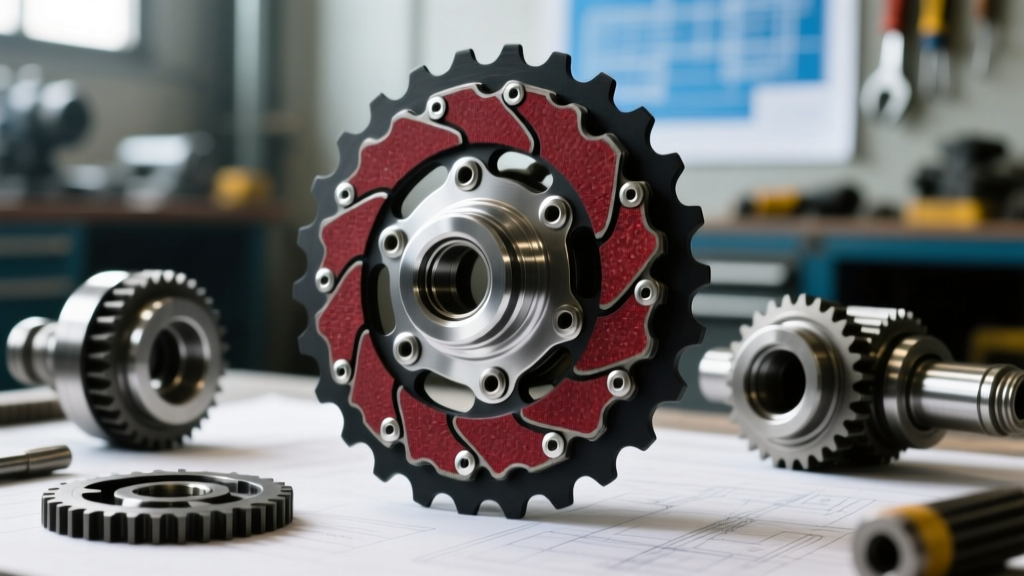
Organic friction materials are the industry standard for OEM and mild performance applications. These clutch disc facings are composed of a phenolic resin matrix reinforced with fiberglass, brass wire, and sometimes Kevlar or carbon strands. The brass wire acts as a heat conductor, pulling thermal energy away from the friction surface to prevent fading during stop-and-go traffic.
Cost Breakdown and Specifications
- Average Price Range (2026): $120 to $350 per disc.
- Torque Capacity: 250 lb-ft to 450 lb-ft (depending on clamp load and disc diameter).
- Coefficient of Friction (COF): 0.30 to 0.38.
For a direct OEM replacement, such as a Sachs or Exedy organic disc for a BMW E46 M3 (Part #2290601009), expect to pay around $240 to $280. Upgrading to an Exedy Stage 1 organic performance disc for a Ford Mustang GT (5.0L Coyote) typically costs between $280 and $350. These discs offer smooth, progressive engagement, making them ideal for daily driving and autocross.
Failure Modes and Limitations
The primary failure mode of organic clutch discs is thermal degradation. When subjected to excessive slip—such as during aggressive launch control or heavy towing—the phenolic resin overheats and burns. This creates a glass-like glaze on the friction surface, drastically reducing the COF and resulting in perpetual slip. Once an organic disc is glazed, it cannot be machined; it must be replaced.
Mid-Tier Upgrades: Kevlar and Carbon-Kevlar Blends
Kevlar (aramid fiber) clutch discs represent the bridge between street manners and dedicated track performance. Kevlar offers exceptional tensile strength and high thermal resistance, capable of withstanding surface temperatures exceeding 700°F without immediate structural failure. However, this material demands a specific driving style and precise flywheel preparation.
Cost Breakdown and Specifications
- Average Price Range (2026): $400 to $750 per disc.
- Torque Capacity: 400 lb-ft to 650 lb-ft.
- Coefficient of Friction (COF): 0.38 to 0.45 (highly dependent on temperature).
A high-quality Kevlar clutch disc, such as those found in ACT's Heavy Duty Kevlar kits or Clutch Masters FX350 systems, generally retails between $450 and $600 for the disc alone. Carbon-Kevlar blends, which mix the initial bite of carbon with the durability of aramid, push the upper limit of this bracket, often costing $700 or more.
The Hidden Cost of Kevlar: Flywheel Preparation
Kevlar friction material is notorious for 'chatter' if the mating surface is imperfect. To avoid severe engagement shudder, the flywheel must be Blanchard ground to a flatness tolerance of 0.001 inches. Furthermore, Kevlar requires a strict, heat-cycling break-in procedure (typically 500 miles of conservative driving). If the user 'rides' the clutch or slips it excessively in traffic before the break-in is complete, the Kevlar will glaze, resulting in a $600 mistake that requires complete disassembly to fix.
High-Performance and Racing: Ceramic and Sintered Iron
For applications exceeding 700 lb-ft of torque, such as those utilizing the Nissan CD009 transmission or built Tremec T56 Magnums, organic and Kevlar materials simply cannot survive the clamping forces required. Enter ceramic and sintered iron clutch discs.
Sintered Iron: The Drag Racing Standard
Sintered iron is created by fusing powdered metal under extreme heat and pressure. The resulting friction material is essentially metallic, offering an instantaneous, aggressive bite with a COF often exceeding 0.50.
- Average Price Range (2026): $650 to $1,400+ per disc.
- Torque Capacity: 800 lb-ft to 1,500+ lb-ft.
According to Tilton Engineering, their 7.25-inch OT-II sintered iron multi-disc setups are the gold standard for professional racing. While a single-disc sintered iron setup from manufacturers like Ram Clutches might cost around $650 to $850, twin-disc sintered systems easily surpass the $1,200 mark.
Ceramic: The Track-Day Compromise
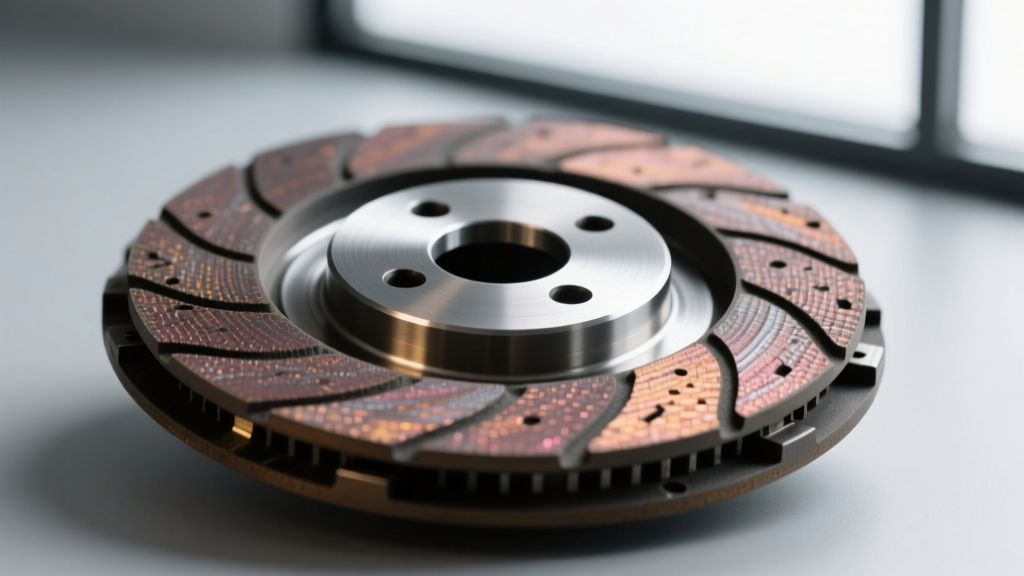
Ceramic (puck-style) clutch discs use a silicon-based friction material that offers high heat resistance and aggressive engagement, though slightly less abrupt than sintered iron. A ceramic puck disc from McLeod Racing or SPEC typically costs between $350 and $550. However, ceramic pucks concentrate the clamping force over a smaller surface area, which accelerates flywheel wear.
Material Compatibility and Flywheel Destruction
Both sintered iron and ceramic materials are highly abrasive. If paired with a standard OEM steel or aluminum-insert flywheel, these discs will gouge and destroy the flywheel mating surface within a few hundred miles. Upgrading to a hardened nodular iron or billet steel flywheel is mandatory, adding $400 to $900 to your total project cost.
2026 Friction Material Cost and Performance Matrix
| Friction Material | Avg. Disc Price (2026) | Max Torque Est. | Engagement Feel | Flywheel Requirement |
|---|---|---|---|---|
| OEM Organic | $120 - $250 | 300 lb-ft | Smooth, Progressive | Standard Steel / DMF |
| Performance Organic | $250 - $350 | 450 lb-ft | Firm but Streetable | Standard Steel / Nodular |
| Kevlar / Aramid | $400 - $750 | 650 lb-ft | Progressive (after heat) | Blanchard Ground Steel |
| Ceramic (Puck) | $350 - $550 | 800 lb-ft | Aggressive, On/Off | Hardened Steel / Nodular |
| Sintered Iron | $650 - $1,400+ | 1,500+ lb-ft | Instantaneous, Violent | Billet Steel / Nodular Iron |
Hidden Costs: Flywheel Machining, Hardware, and Torque Specs
Focusing solely on the clutch disc price is a common budgeting error. The true cost of a friction material upgrade includes the supporting hardware and machining required to ensure reliability.
Flywheel Resurfacing vs. Replacement
If you are reusing a stock flywheel, Blanchard grinding (resurfacing) typically costs between $60 and $150 at a local machine shop. However, you must verify the 'step height'—the distance between the friction surface and the pressure plate mounting pad. If a shop removes too much material, the diaphragm springs on the pressure plate will sit at an incorrect angle, leading to premature bearing wear and reduced clamping force. If the step height is out of spec, a new aftermarket billet flywheel will cost $450 to $1,100.
Dual-Mass to Single-Mass Conversions
Many modern vehicles (e.g., VW/Audi DSG-to-manual swaps, Ford EcoBoost applications) use Dual-Mass Flywheels (DMF). DMFs cannot be resurfaced. When upgrading to a performance Kevlar or Ceramic clutch disc, you must convert to a Single-Mass Flywheel (SMF). This conversion kit (flywheel, new starter ring gear, and modified clutch geometry) adds $600 to $900 to your bottom line.
Critical Torque Specifications
Proper installation requires adherence to exact torque specifications to prevent harmonic vibrations or catastrophic failure.
- Pressure Plate to Flywheel (GM LS / Tremec T56): M8 x 1.25 bolts should be torqued to 22-26 lb-ft in a star pattern. Using a higher grade bolt without proper lubrication can snap the bolt head off at 35 lb-ft.
- Flywheel to Crankshaft (Subaru FA20/FB20 6MT): The massive center flywheel bolt requires 69 lb-ft, followed by an additional 90 degrees of rotation (yield torque). Reusing this stretch bolt is a guaranteed path to failure.
- Pilot Bearing/Bushing: Always replace the pilot bearing ($15-$30). A seized pilot bearing will tear the input shaft seal and destroy the transmission input bearings, turning a $500 clutch job into a $2,500 transmission rebuild.
Conclusion: Calculating True Cost-Per-Mile
In 2026, the cheapest clutch disc is rarely the most economical choice over the lifespan of the vehicle. An organic disc may only cost $180, but if it slips and fails under the 420 lb-ft of torque your tuned WRX produces, the cost of pulling the transmission a second time (typically $600 to $900 in labor) dwarfs the initial savings. Conversely, dropping $900 on a sintered iron disc for a street car will result in unbearable chatter, destroyed engine mounts, and a ruined flywheel. Match the friction material to your actual torque output and driving environment, budget for mandatory flywheel prep, and always use fresh, correctly torqued hardware.