The Olfactory Diagnostic: Identifying the Source of the Burn
When the unmistakable stench of a burning clutch enters the cabin, immediate triage is required to prevent catastrophic drivetrain damage. The acrid, sweet-sour odor of burning phenolic resin is a manual transmission driver's worst nightmare. However, accurate clutch system diagnostics requires separating this specific scent from other mechanical failures. Before tearing into the bell housing, you must profile the smell. Burning organic clutch friction material smells remarkably similar to burning brake pads, owing to the shared use of phenolic resins and metallic binders. In contrast, a sulfur or 'rotten egg' smell indicates GL-4 or GL-5 gear oil leaking from a faulty input shaft seal and dripping onto a hot exhaust downpipe. A sharp, melting rubber scent usually points to a slipping serpentine belt or a seized alternator pulley.
According to the diagnostic frameworks outlined by AA1Car's technical library, a true clutch burn occurs when the friction disc slips against the flywheel and pressure plate under load, generating localized temperatures exceeding 800°F (426°C). This thermal overload glazes the friction surface, vaporizes the resin binders, and can lead to severe flywheel heat checking. But what if the root cause isn't a worn-out disc or aggressive driving? What if the underlying mechanical trigger is a binding actuation system?
The Mechanical Paradox: When a Clutch Cable Snapped Event Causes Overheating
Most enthusiasts associate a snapped clutch cable with a completely limp pedal and the inability to shift gears. However, in specific cable-actuated architectures—such as the 1999-2004 Ford Mustang V6, the Mk4 Volkswagen Golf, or various older Honda Civic models—a cable failure can manifest as a severe slipping condition before total disengagement occurs. How does a clutch cable snapped scenario lead to a burning smell? The answer lies in the routing and the recoil mechanics of the inner steel wire.
Jammed Release Forks and Partial Engagement
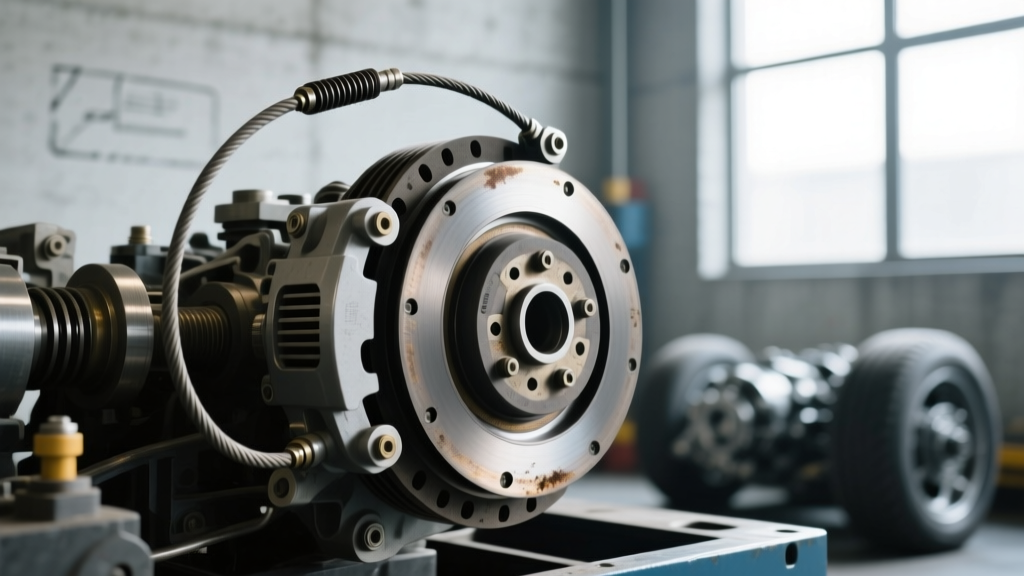
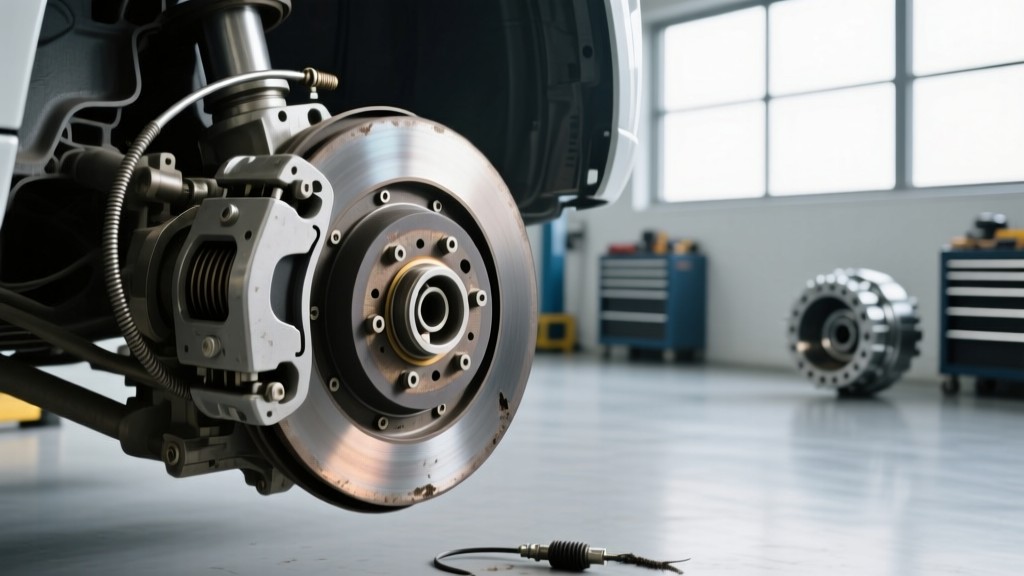
In many transaxle and external bell housing designs, the clutch cable routes through a tight inspection window or a plastic guide tube. When a frayed cable finally snaps under high pedal tension, the inner wire can whip and recoil. If the frayed steel strands wedge themselves between the clutch release fork and the pivot ball, or if the broken cable housing jams against the diaphragm spring fingers, it applies a constant, unintended lateral force to the pressure plate. This prevents the clutch from fully engaging, even when the pedal is completely released. The throwout bearing is forced to ride the spinning spring fingers, and the friction disc slips continuously under load. The driver will smell burning resin, experience massive power loss on inclines, and eventually find the pedal sitting on the floorboards once the frayed wire finally gives way entirely.
This specific failure mode highlights why clutch system diagnostics must never stop at the pedal feel. A limp pedal accompanied by a prior burning smell should immediately prompt an inspection of the clutch fork, pivot ball, and cable routing pathway for mechanical binding.
Thermal Thresholds of Friction Materials
Understanding the thermal limits of your clutch disc is vital for diagnosing the severity of the burn. Not all friction materials degrade at the same rate. If you are diagnosing a burn on a high-performance or heavy-duty towing setup, the material composition dictates whether the disc is salvageable or requires immediate replacement.
| Friction Material | Thermal Fade Threshold | Combustion / Glazing Point | Best Application |
|---|---|---|---|
| Organic (Kevlar/Resin) | 450°F (232°C) | 750°F (398°C) | Daily driving, OEM replacement |
| Heavy-Duty Organic | 550°F (287°C) | 850°F (454°C) | Light towing, spirited street |
| Cerametallic | 800°F (426°C) | 1100°F (593°C) | Track use, heavy drag |
| Sintered Iron | 1000°F+ (537°C+) | Extreme (Rarely burns) | Purpose-built racing, sled pulling |
As documented in Schaeffler's REPXPERT technical guides, once an organic disc surpasses its combustion point, the friction surface vitrifies. This glazing creates a glass-like finish that permanently ruins the coefficient of friction. No amount of sanding or scuffing will restore the bite; the disc must be replaced.
Bell Housing Inspection: Step-by-Step Teardown
If a burning smell is confirmed and a binding cable or hydraulic failure is suspected, the transmission must be dropped for a physical inspection. Do not skip these critical measurement steps:
- Inspect the Pivot Ball and Fork: Look for deep grooves worn into the clutch fork pivot ball. A worn pivot ball changes the geometry of the throwout bearing travel, causing the bearing to cock at an angle. This leads to uneven pressure on the diaphragm spring, resulting in drag, slipping, and eventual burning.
- Check the Throwout Bearing Collar: Inspect the transmission input shaft bearing retainer collar. If it is scored or lacks a micro-thin layer of high-temp synthetic grease (e.g., Mobil 1 Synthetic), the bearing will bind, preventing full clutch engagement.
- Measure Flywheel Runout: Using a dial indicator mounted to the bell housing, measure the flywheel face runout. The absolute maximum allowable runout for most passenger vehicles is 0.003 inches (0.076mm). Excessive runout causes the friction disc to wobble, leading to localized hot spots, uneven wear, and a persistent burning smell during partial engagement.
- Friction Material Thickness: Measure the disc thickness with digital calipers. A new organic disc typically measures around 8.0mm. If the friction material is worn down to within 1.0mm of the rivet heads, or if the rivets are exposed and have gouged the flywheel, immediate replacement is mandatory.
Repair Costs, Part Numbers, and Torque Specifications
Addressing a burnt clutch requires replacing the entire clutch assembly as a matched set. Reusing a glazed pressure plate or a heat-warped flywheel will destroy a new friction disc in under 500 miles. Below is a realistic breakdown of costs and specifications for a standard rear-wheel-drive or transverse FWD application (e.g., Ford Modular V8 or Honda K-Series).
- Clutch Cable Replacement (If Applicable): $45 - $95. (Example: Dorman 924-303 Clutch Cable Adjuster or OEM equivalent). Always inspect the firewall quadrant for stress fractures.
- Full Clutch Kit (LuK RepSet Pro Gold or Sachs): $180 - $380. Includes pressure plate, friction disc, throwout bearing, and alignment tool.
- Flywheel Resurfacing / Machining: $75 - $150. If the flywheel exhibits deep heat checking (blueing and micro-cracks), it must be replaced, as machining will not remove the compromised metallurgical structure. New OEM flywheels range from $250 - $600.
- Hydraulic Master/Slave Cylinder (If Cable is Not the Issue): $120 - $250 for a matched pre-filled set (e.g., FTE Automotive).
Critical Torque Specifications
Proper clamping force is essential to prevent the pressure plate from lifting under high RPM, which causes slip and subsequent burning. Always use a calibrated torque wrench and follow a crisscross star pattern to ensure even diaphragm spring tension.
- M8 Pressure Plate Bolts (Typical 4-cylinder / small V6): 22 - 25 lb-ft (30 - 34 Nm).
- M10 Pressure Plate Bolts (Typical V8 / Turbo applications): 35 - 45 lb-ft (47 - 61 Nm).
- Flywheel to Crankshaft Bolts (M10 x 1.25): 60 - 85 lb-ft (often requires an additional 90-degree angle turn depending on OEM TTY specs). Always use medium-strength threadlocker (Loctite 243).
Expert Break-In Tip: After installing a new organic clutch kit to resolve a burning smell issue, the bedding process is critical. The phenolic resins require a heat-cycling process to cure properly onto the steel backing plate. Avoid aggressive launches or heavy towing for the first 500 miles. Instead, perform moderate stop-and-go city driving to allow the friction surfaces to mate evenly and the resins to outgas safely without glazing.
Final Diagnostic Takeaway
A clutch burning smell is a definitive symptom of friction overload, but the root cause is not always a worn-out disc or an abusive driver. By systematically checking the actuation system—including verifying if a clutch cable snapped and bound the release fork, or if a hydraulic slave cylinder is failing to retract—you can accurately diagnose the true source of the thermal failure. Armed with precise measurements, correct torque specs, and an understanding of friction material limits, you can restore your manual transmission to factory-level efficiency and reliability.