The NVH Illusion: When the Cooling System Mimics Drivetrain Failure
In the realm of heavy-duty manual transmissions, few platforms are as revered—and as frequently misdiagnosed—as the Ram 2500/3500 equipped with the 6.7L Cummins and the Getrag G56 6-speed manual. As we navigate the 2026 diagnostic landscape, these trucks are aging into a window where multiple high-wear systems fail simultaneously. One of the most common, yet wildly misunderstood, complaints entering the service bay is a vibrating clutch pedal at idle or low RPM.
Naturally, the driver and even novice technicians immediately suspect the dual-mass flywheel (DMF), the clutch pressure plate, or a failing throw-out bearing. However, a severe harmonic vibration felt directly through the clutch pedal is frequently traced back to the front of the engine, specifically a failing engine-driven viscous or electronic cooling fan assembly. While commonly searched by owners as the 'AC fan clutch' (because its thermal engagement is heavily tied to AC condenser temperatures and high-side pressures), this component is technically the primary engine cooling fan clutch. When it fails, it creates a Noise, Vibration, and Harshness (NVH) profile that perfectly mimics a disintegrating drivetrain.
The Mechanics of Harmonic Transfer
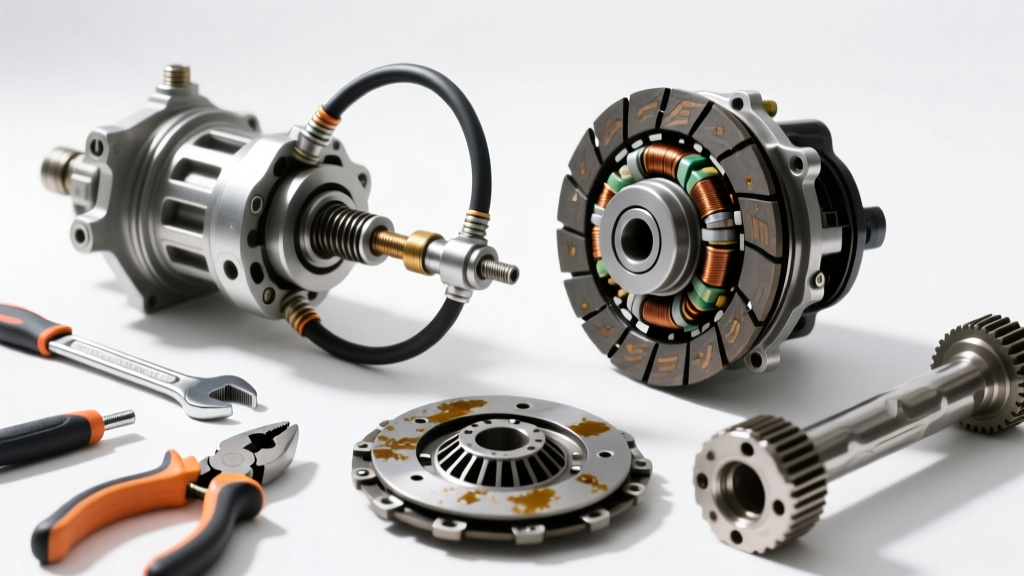
The OEM thermal fan clutch assembly on the 6.7L Cummins weighs over 12 pounds and is mounted directly to the water pump hub, which is bolted to the front gear case of the engine block. Inside the clutch is a silicone-based viscous fluid and a bimetallic actuator spring. When the internal fluid degrades, leaks past the shaft seal, or the bearing seizes, the fan assembly loses its dynamic balance.
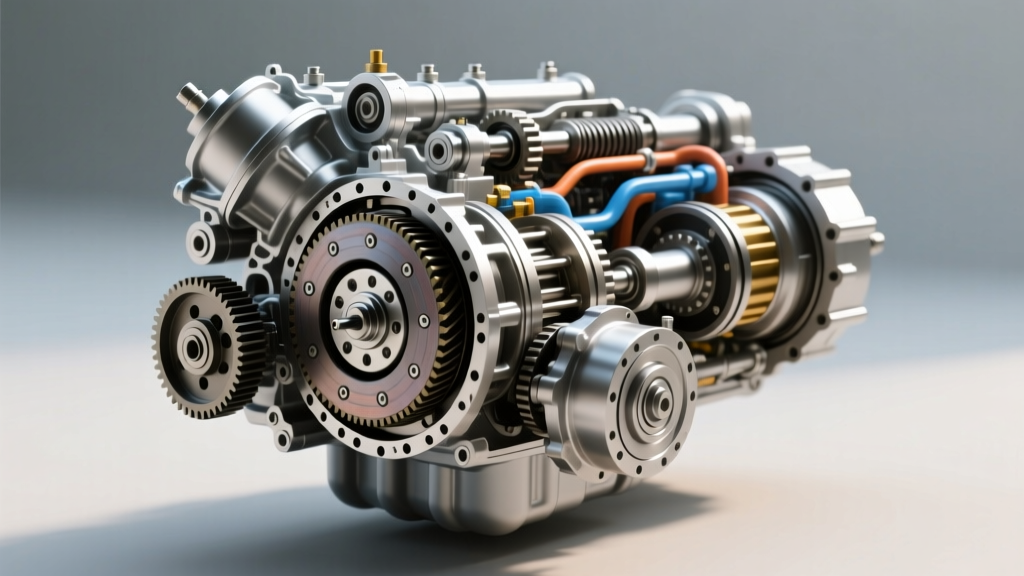
At engine speeds between 1,600 and 2,200 RPM, an unbalanced fan clutch generates a massive fore-aft harmonic oscillation. Because the G56 transmission is rigidly bolted to the rear of the same engine block, this vibration travels through the cast iron, into the bellhousing, and down the hydraulic clutch linkage. The clutch pedal acts as a mechanical lever, amplifying the high-frequency buzz directly into the driver's foot. According to diagnostic bulletins referenced by Genos Garage, replacing a perfectly healthy South Bend or OEM clutch assembly will not cure this vibration if the fan clutch is the true culprit.
Diagnostic Matrix: Vibrating Pedal vs. Failing Components
To avoid a $2,500+ unnecessary transmission pull, technicians must isolate the vibration source using a systematic RPM sweep and load test. Below is the definitive diagnostic matrix for G56 clutch pedal anomalies.
| Symptom / Pedal Feel | RPM / Condition | Most Likely Culprit | Verification Test |
|---|---|---|---|
| High-frequency buzz/vibration | 1,600 - 2,200 RPM (Neutral) | Failing AC Fan Clutch / Water Pump Hub | Remove serpentine belt; run engine briefly. If vibration vanishes, fan clutch is guilty. |
| Heavy 'clunk' and shudder on engagement | Take-off from stop (1st gear) | Dual-Mass Flywheel (DMF) internal spring failure | Inspect DMF rotational free-play (max 30 degrees). Check for friction dust in bellhousing. |
| Spongy, soft pedal that sinks to the floor | Any time, especially when hot | Hydraulic Master Cylinder internal bypass / leak | Inspect master cylinder pushrod area for DOT 3/4 fluid; check CP4 pump for contamination. |
| Hard, gritty pedal with poor disengagement | Depressing pedal through mid-travel | Clutch fork pivot ball wear / Input shaft scoring | Measure pedal travel; inspect bellhousing fork pivot for severe spherical wear. |
Hydraulic Failures: Diagnosing Soft and Spongy Pedals
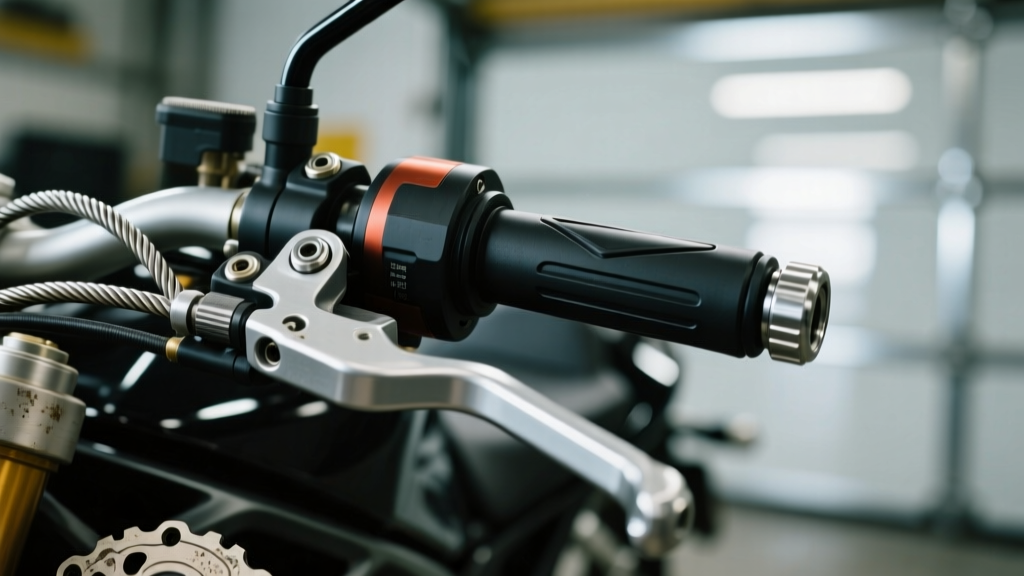
If the vibration is ruled out and the pedal feels soft, spongy, or slowly sinks to the floor while held at a stoplight, the G56's hydraulic actuation system is the primary suspect. The Ram hydraulic clutch master cylinder (Mopar 52113731AH or equivalent) is notorious for two specific failure modes that plague the Cummins platform.
The CP4 Pump Contamination Risk
The clutch master cylinder is mounted on the firewall directly above the high-pressure fuel pump (CP3 on older models, CP4 on newer). When the master cylinder's rear seal fails, DOT 3 or DOT 4 brake fluid drips directly onto the fuel pump and wiring harness. Brake fluid is highly corrosive and will rapidly degrade the rubber seals on the CP4 pump, leading to catastrophic fuel system contamination. If you have a spongy clutch pedal, immediately inspect the top of the fuel pump for fluid accumulation.
Proper Bleeding Procedure
A spongy pedal is often caused by micro-bubbles trapped in the hydraulic line or the slave cylinder. The G56 slave cylinder is located inside the bellhousing, making traditional bleeding difficult. To achieve a firm pedal:
- Use a pressure bleeder set to 15-20 PSI on the master cylinder reservoir.
- Open the bleeder valve on the slave cylinder (accessed through the inspection cover or by dropping the skid plate).
- Cycle the clutch pedal slowly 20 times to agitate trapped air in the slave cylinder bore.
- Verify that the master cylinder pushrod has a minimum of 1/16-inch free play to ensure the compensation port is not blocked, which can cause the clutch to drag.
Mechanical Binding: The Hard Clutch Pedal
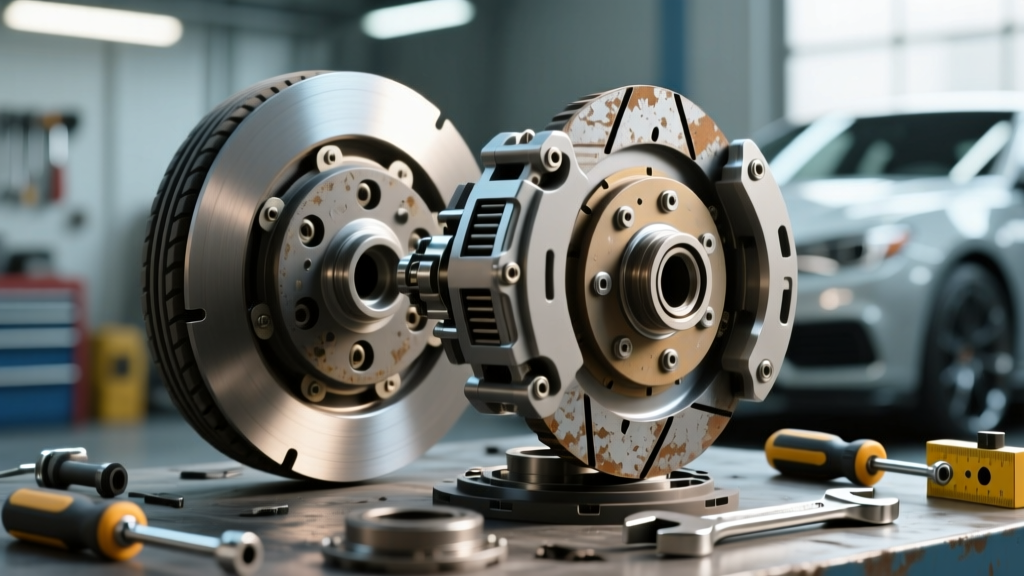
A hard clutch pedal that requires excessive leg effort and feels 'gritty' or 'notchy' is rarely a hydraulic issue. On the G56 transmission, this is almost universally caused by mechanical binding inside the bellhousing. According to engineering data from South Bend Clutch, the OEM cast-iron clutch fork rides on a small steel pivot ball. Under the extreme clamping pressure of heavy-duty towing and high-torque aftermarket clutch kits, this pivot ball wears down, creating a flat spot. This alters the geometry of the fork, causing the throw-out bearing to bind against the transmission input shaft sleeve.
Upgrading the Pivot Geometry
When performing a clutch replacement on any 6.7L Cummins G56, reusing the OEM pivot ball is a critical error. Upgrading to a heavy-duty, hardened steel pivot ball and a bronze bushing clutch fork sleeve is mandatory for longevity. Furthermore, the transmission input shaft sleeve must be inspected for scoring. If the throw-out bearing has been binding due to a worn pivot ball, it will carve grooves into the aluminum or steel input shaft sleeve, preventing smooth clutch disengagement and resulting in a stiff pedal.
Model-Specific Repair Specs and Torque Data
Whether you are replacing the deceptive AC fan clutch at the front of the engine or the G56 clutch assembly at the rear, adhering to exact torque specifications is vital for the 6.7L Cummins platform. Below are the critical service specs for 2026-compliant repairs.
- Viscous Fan Clutch to Water Pump Hub: 32 lb-ft (M8 bolts). Do not use an impact gun to remove; use a specialized fan clutch wrench to prevent cracking the water pump impeller shaft.
- Dual-Mass Flywheel (DMF) to Crankshaft: 98 lb-ft + 90-degree turn (Torque-to-Yield). Must use new OEM Mopar TTY bolts. Never reuse DMF bolts.
- Clutch Pressure Plate to Flywheel: 35 lb-ft (Star pattern sequence). Ensure alignment tool matches the G56 input shaft spline count (1-3/8" x 10 spline).
- Hydraulic System Fluid: DOT 4 (High temp). Capacity is roughly 0.5 liters for the complete master/slave line flush.
Final Triage: Trust the Data, Not the Assumption
Diagnosing clutch pedal problems on the Ram Cummins G56 requires a holistic view of the vehicle's mechanical ecosystem. Before authorizing a $3,000 drivetrain teardown to fix a vibrating clutch pedal, spend 15 minutes removing the serpentine belt and sweeping the RPMs. If the vibration disappears, you have just saved the owner thousands of dollars by identifying a failing AC fan clutch. For verified hydraulic and mechanical component part numbers, always cross-reference with Cummins QuickServe Online using the engine ESN (Electronic Serial Number) to ensure compatibility across the varied mid-year production splits of the 6.7L platform.