The Evolution of Motorbike Clutch Control in Automatics
The landscape of two-wheeled motoring has shifted dramatically over the last decade. While purists may debate the loss of the traditional left-hand lever, modern automatic motorcycles rely on sophisticated ECU mapping and hydraulic actuation to execute flawless shifts. However, when automated motorbike clutch control systems degrade, diagnosing the issue requires a fundamentally different approach than traditional cable-actuated setups. Unlike a slipping manual clutch that simply demands a lever adjustment or a new friction plate, automatic transmission clutch problems often masquerade as electrical gremlins, sensor failures, or hydraulic blockages.
In this 2026 comparison and buyer's guide, we break down the most common clutch problems in automatic motorcycle transmissions. We will compare Honda's Dual Clutch Transmission (DCT), Yamaha's Chip Controlled Shift (YCC-S), and the ubiquitous CVT centrifugal clutches found on maxi-scooters. Whether you are a DIY mechanic or a shop owner looking to stock the right components, understanding the precise failure modes, torque specifications, and replacement costs of these systems is critical for accurate diagnostics.
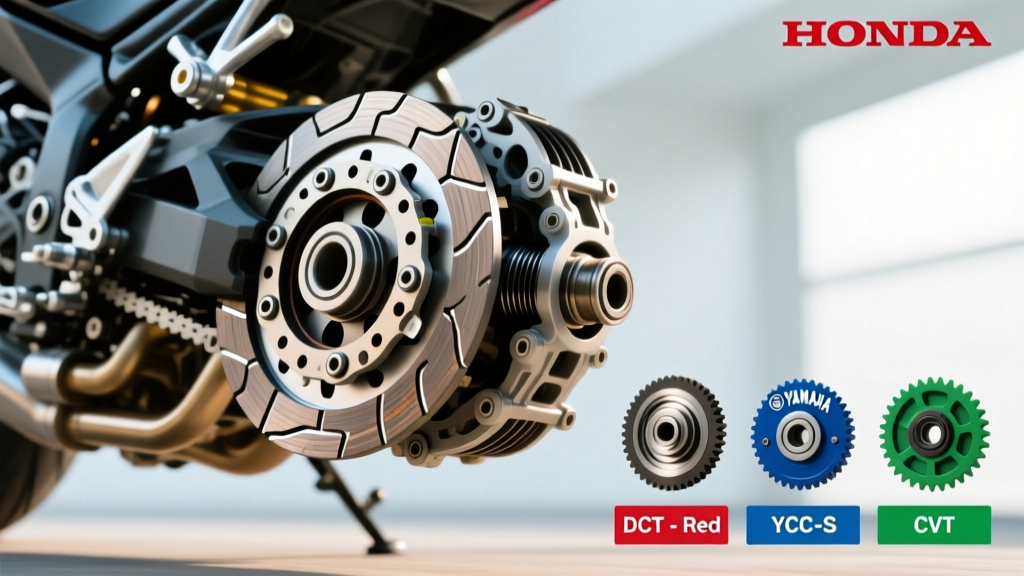
Comparing Automatic Motorcycle Transmission Types
Before pulling out the wrenches, it is vital to understand which type of automated clutch system your machine utilizes. Each architecture manages motorbike clutch control through entirely different mechanical and electronic means, leading to unique diagnostic pathways.
| System Type | Clutch Mechanism | Common Failure Mode | Avg. Repair Cost (2026) | Fluid / Spec |
|---|---|---|---|---|
| Honda DCT (Gen 3/4) | Multi-plate wet (Dual) | Linear solenoid clog / Plate wear | $850 - $1,600 | 3.9L HMMF (08260-99904HE) |
| Yamaha YCC-S | Multi-plate wet (Single) | Actuator DC motor burnout | $1,200 - $2,100 | 2.8L Yamalube 10W-40 |
| CVT (Maxi-Scooter) | Centrifugal dry shoe | Shoe glazing / Bell warping | $150 - $450 | SAE 90 Gear Oil (Hub only) |
Diagnosing Clutch Problems in Honda DCT Systems
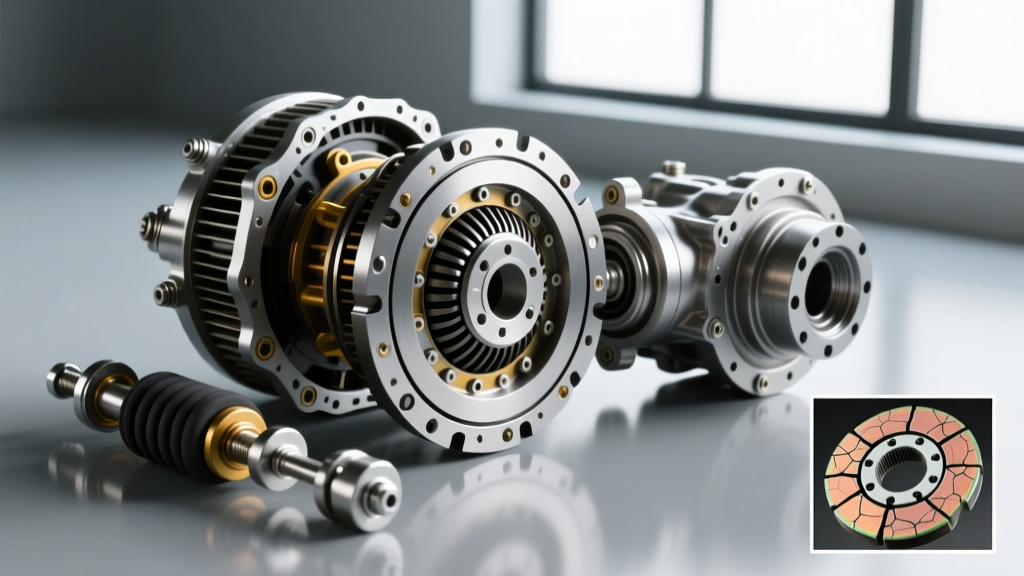
Honda's DCT, found in staples like the Africa Twin (CRF1100L) and Gold Wing (GL1800), utilizes two separate clutch packs: one for odd gears (1, 3, 5) and one for even gears (2, 4, 6). The ECU manages motorbike clutch control via hydraulic pressure routed through linear solenoid valves. When a rider complains of 'jerky' low-speed engagement or a delayed shift from 1st to 2nd gear, the issue is rarely a complete mechanical failure of the clutch plates themselves.
Symptoms of DCT Clutch Pack Wear vs. Hydraulic Faults
If the DCT throws a 'Check Engine' light accompanied by a flashing 'D' on the dash, you must pull the OBD2 codes using a Honda HDS (Honda Diagnostic System) tool. A code like P0731 (Gear 1 Incorrect Ratio) often points to clutch slip. However, before tearing down the engine case, check the clutch pressure sensor and the hydraulic fluid filter. The DCT relies on a dedicated internal filter (Part # 25410-MFL-000) that, when clogged with friction material debris, starves the linear solenoids of pressure, mimicking a worn clutch pack.
True mechanical wear in the DCT clutch packs usually presents as a high-RPM flare during upshifts without a corresponding drop in engine speed, similar to a slipping manual clutch. Because the odd and even clutches operate independently, you can isolate the wear: if the slip only occurs during 1st-to-2nd or 3rd-to-4th shifts, the even-gear clutch pack is the culprit.
DCT Replacement Specs and Buyer's Guide
When replacement is confirmed, you must source the correct friction and steel plates. For the Africa Twin CRF1100L, the complete clutch set (Part # 22200-MFL-000) retails for approximately $320. During reassembly, precision is non-negotiable. The clutch center locknut must be torqued to exactly 59 Nm (43 lb-ft) using the specialized holder tool (07923-KS2-500). Over-torquing this nut will warp the clutch basket, leading to immediate chatter upon re-engagement. Furthermore, the DCT requires Honda Multi-Matic Fluid (HMMF); using standard 10W-40 motorcycle oil will cause the wet clutch friction modifiers to break down, resulting in catastrophic slip within 500 miles.
Troubleshooting Yamaha YCC-S Automated Clutches
Yamaha's approach to motorbike clutch control, primarily seen on the FJR1300AS, utilizes a single traditional multi-plate wet clutch actuated by a DC electric motor and a ball-screw mechanism. This system physically mimics the pull of a rider's hand but relies entirely on electronic feedback loops.
The most notorious clutch problem in the YCC-S system is not the friction plates, but the clutch actuator motor itself. When the carbon brushes inside the DC motor wear out, or the ball-screw track becomes pitted from moisture ingress, the ECU loses track of the clutch's physical position. This results in the bike refusing to shift out of neutral, or aggressively dumping the clutch at stoplights, causing the engine to stall.
Actuator Initialization and Push-Rod Adjustment
If you are replacing the friction plates on a YCC-S equipped bike, the mechanical installation is identical to a standard manual bike. However, the post-installation calibration is where most mechanics fail. The clutch push-rod free play must be mechanically adjusted to exactly 28.5mm of actuator travel before the electronic initialization sequence is performed. If the mechanical baseline is off by even 2mm, the ECU will over-current the DC motor trying to find the 'bite point,' eventually frying the actuator control unit (a $900+ part). Always perform the 'Clutch Position Learn' procedure via the Yamaha diagnostic tool after any clutch service.
CVT Centrifugal Clutch Failures on Maxi-Scooters
While not a 'transmission' in the geared sense, the Continuously Variable Transmission (CVT) relies on a dry centrifugal clutch to connect the drive belt to the rear wheel. Found on popular commuters like the Honda ADV350 and Yamaha XMAX 300, motorbike clutch control here is purely mechanical, dictated by centrifugal force and spring tension.
Identifying Glazing and Bell Warping
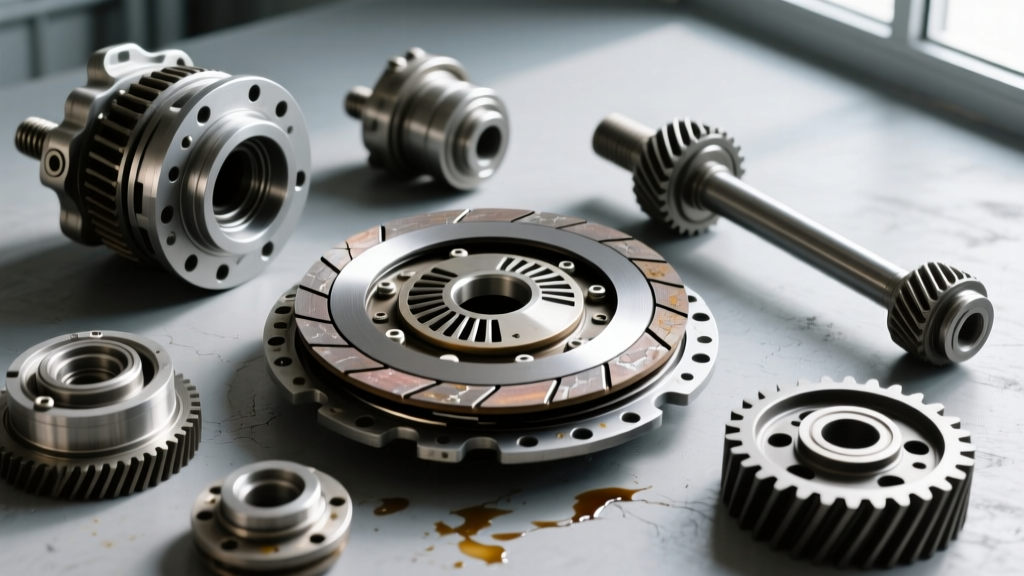
The most common symptom of a failing CVT centrifugal clutch is a high-RPM 'scream' off the line with very little forward acceleration. This is caused by clutch shoe glazing. When the clutch slips excessively in stop-and-go traffic, the extreme heat melts the resin in the friction material, creating a glass-like surface on the shoes. Simultaneously, the inner diameter of the clutch bell can warp or develop a bluish heat-tint.
Diagnosing this requires removing the CVT outer case and measuring the clutch bell's inner diameter runout. The service limit for most 300cc maxi-scooters is 0.05mm. If the bell is warped, simply sanding the shoes will not fix the chatter; the entire clutch bell assembly must be replaced. When buying replacement shoes, opt for Kevlar-infused aftermarket compounds (like those from Malossi or Polini) which offer a 30% higher friction coefficient and resist glazing far better than OEM organic pads.
Buyer's Guide: Selecting the Right Replacement Components
When sourcing parts for automatic motorcycle clutches, the market is split between OEM dealerships and high-performance aftermarket manufacturers. Here is a decision framework for 2026:
- For Honda DCT Systems: Always stick to OEM Honda friction plates and HMMF fluid. The DCT's hydraulic mapping is calibrated specifically to the friction coefficient of OEM paper-based plates. Aftermarket Kevlar plates engage too aggressively, causing the ECU to detect 'shock' and throw a fault code, putting the bike into limp mode.
- For Yamaha YCC-S Systems: OEM clutch plates are recommended, but you can safely upgrade the clutch springs to stiffer aftermarket units (e.g., ProX Racing) if the bike is heavily loaded with touring luggage. This raises the engagement RPM slightly, preventing low-speed slip without confusing the ECU.
- For CVT Centrifugal Clutches: The aftermarket is king here. OEM shoes are designed for quiet, gentle engagement, which leads to glazing in heavy traffic. Upgrading to sintered bronze or Kevlar shoes from brands like Dr. Pulley or Malossi will transform the bike's launch characteristics and drastically extend the service interval.
Summary Checklist for Diagnostics
Before ordering parts for any automated clutch system, run through this diagnostic checklist:
- Read the Codes: Never assume mechanical wear without checking the ECU for solenoid or actuator position sensor faults.
- Check the Fluids: For DCT and YCC-S, verify fluid levels and condition. Burnt-smelling fluid indicates severe clutch slip; milky fluid indicates water ingress destroying the hydraulic valves.
- Inspect the Filters: A $15 clogged hydraulic filter can mimic a $400 clutch pack failure.
- Measure Mechanical Tolerances: Use a micrometer to check steel plate thickness and a dial indicator for CVT bell runout before condemning the friction materials.
Understanding the nuances of modern motorbike clutch control systems bridges the gap between traditional mechanical wrenching and modern electronic diagnostics. By respecting the specific torque specs, fluid requirements, and ECU calibration procedures outlined above, you can accurately diagnose and repair automatic transmission clutch problems, keeping these advanced machines on the road where they belong.
For more in-depth engineering breakdowns, refer to Cycle World's deep dive into DCT architecture and the official Honda Powersports OEM catalog for verified part numbers and service bulletins.