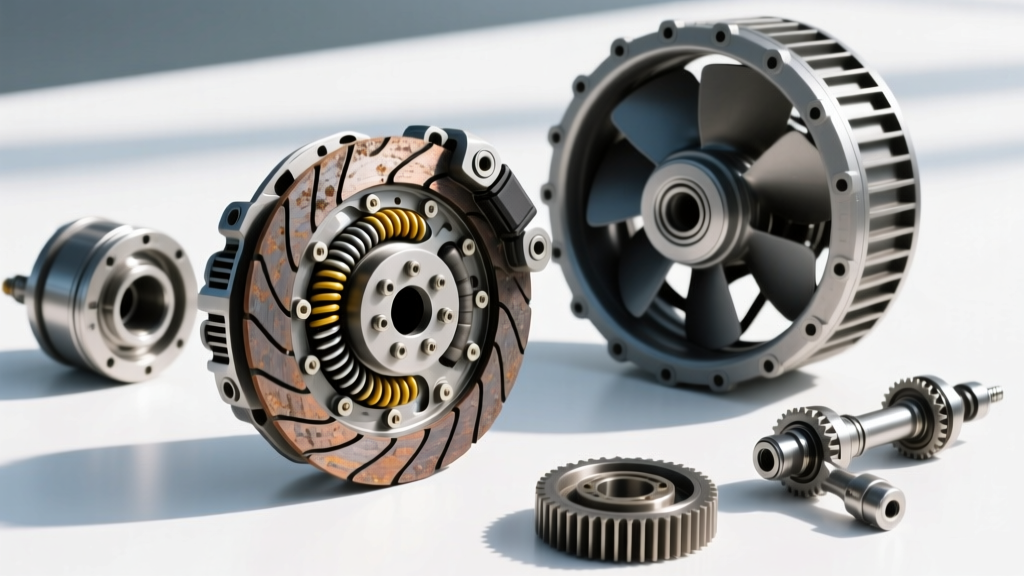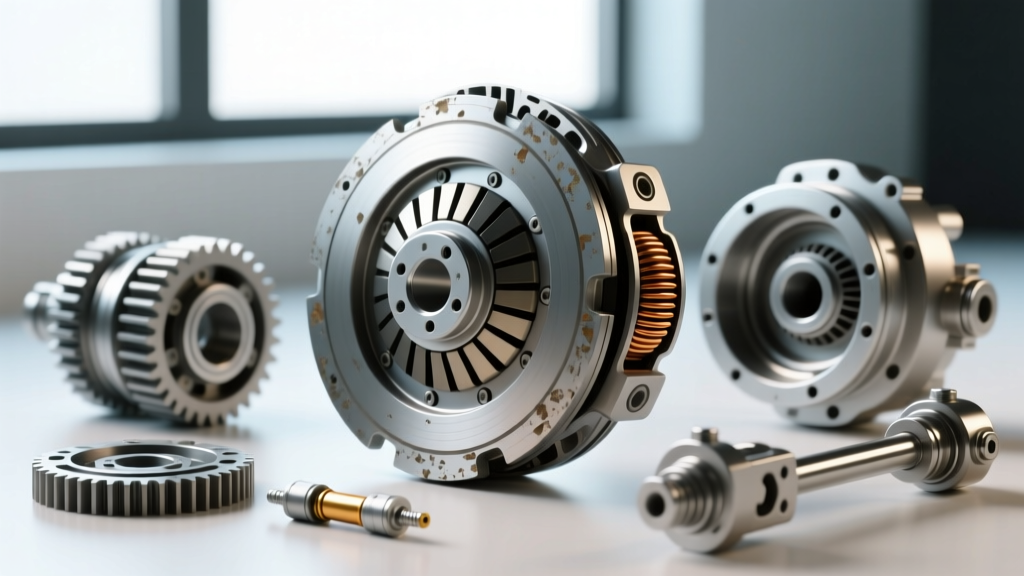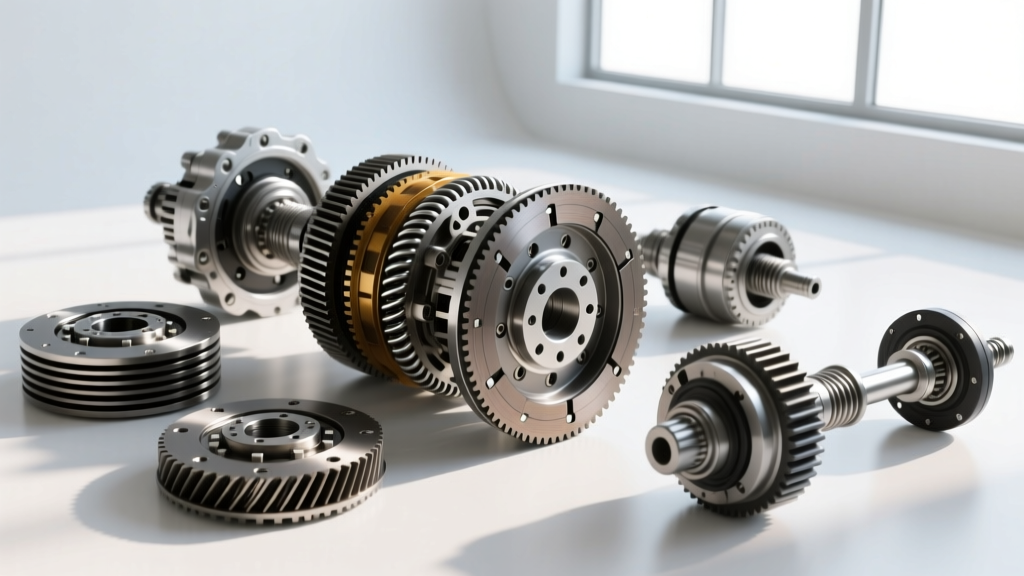
Do Sequential Gearboxes Have a Clutch? The Engineering Reality
When transitioning from a traditional H-pattern manual to a sequential transmission, one of the most common questions from drivers and mechanics is: do sequential gearboxes have a clutch? The short answer is yes. While sequential gearboxes (like those from Xtrac, Sadev, or Holinger) utilize a dog-ring engagement mechanism that allows for clutchless upshifts via ignition cut, they absolutely require a clutch for launching from a standstill, engaging reverse, and managing low-speed pit lane maneuvers.
However, the clutch architecture in a sequential setup is vastly different from a standard OEM single-plate organic unit. Motorsport sequential applications typically rely on compact, multi-plate sintered iron, ceramic, or carbon/carbon clutches, often paired with pneumatic or electronic automated actuators. Because these components operate under extreme torque loads and aggressive launch control parameters, understanding their specific failure modes is critical. This 2026 buyer’s guide and diagnostic manual breaks down the root causes of sequential clutch failures and helps you select the right kit for your application.
Sequential Clutch Architecture vs. Standard Manual
To diagnose failures, you must first understand the hardware. A standard road car uses a 240mm to 275mm single-plate clutch with a heavy steel flywheel to dampen NVH (Noise, Vibration, and Harshness). In contrast, sequential racing gearboxes prioritize rotational inertia reduction. They utilize small-diameter (typically 5.5-inch or 7.25-inch) multi-plate clutches mounted directly to a lightweight aluminum or chromoly flywheel.
This reduction in mass allows the engine to rev up and drop down significantly faster, matching the rapid shift times of a sequential barrel. However, the lack of a sprung hub or heavy mass means the clutch friction materials and strap drives absorb immense torsional shock, leading to unique failure profiles.
Root Cause Analysis: Top 4 Sequential Clutch Failure Modes
When a sequential clutch fails, it is rarely due to simple 'wear and tear.' It is almost always the result of thermal overload, improper setup, or harmonic vibration. Here is a deep dive into the primary failure modes and their root causes.
1. Thermal Degradation and Friction Material Glazing
Symptoms: The clutch slips aggressively under high torque (e.g., exiting a corner in 3rd gear), and engagement feels abrupt or 'grabby' at low RPMs. Inspection reveals friction plates with a shiny, glass-like surface.
Root Cause: Sintered iron friction plates are designed to operate at high temperatures, but they have a thermal ceiling. If the clutch surface exceeds 800°C (1472°F), the metallic binders melt and smear across the surface, creating a glaze. In sequential setups, this is frequently caused by overly aggressive launch control slip parameters, or a pneumatic auto-clutch system that 'feathers' the clutch too long during a shift.
2. Input Shaft Spline Galling and Hub Fracture
Symptoms: The clutch refuses to disengage fully, or you feel a metallic grinding sensation when pulling the clutch pedal (or when the pneumatic actuator fires). The car creeps forward even with the clutch fully depressed.
Root Cause: Micro-movements between the clutch hub and the gearbox input shaft under extreme torque (often 800+ lb-ft) cause friction welding or 'galling' on the splines. This is almost always traced back to improper assembly—specifically, the failure to apply a high-quality molybdenum disulfide (Molykote) paste to the input shaft splines during installation, or misalignment between the engine block and the sequential bell housing.
3. Release Bearing Collapse and Over-Travel
Symptoms: A catastrophic loss of clutch pressure, often accompanied by a loud snapping noise inside the bell housing. The pedal goes to the floor with zero resistance.
Root Cause: Sequential racing clutches use a diaphragm spring that operates 'over-center.' If the release bearing is pushed past its designed travel limit (usually beyond 0.080 inches of clearance), the spring inverts and crushes the bearing cage. In modern 2026 motorsport applications utilizing pneumatic actuators, this happens when the air pressure regulator fails or the actuator stroke is not mechanically limited, forcing the bearing past its physical dead-point.
4. Strap Drive Fatigue and Plate Separation
Symptoms: A high-frequency metallic rattle at idle that disappears when the clutch is depressed. In severe cases, the clutch cover separates from the flywheel under load.
Root Cause: Straight-cut gears and aggressive engine firing orders create severe torsional vibrations. If the clutch cover's tangential strap drives are not rated for the specific harmonic frequency of the engine, they will suffer from metal fatigue and snap. This is common when buyers pair a high-horsepower V8 with a clutch kit rated for a lower-torque inline-4 application.
Comparison Chart: Sequential Clutch Materials & Thresholds
Choosing the right friction material is the first step in preventing the failure modes listed above. Below is a comparison of the three primary materials used in sequential gearbox clutches for the 2026 racing season.
| Material | Max Temp Threshold | Torque Capacity (7.25" 3-Plate) | Est. Cost (2026) | Best Application |
|---|---|---|---|---|
| Sintered Iron | ~800°C (1472°F) | 750 - 900 lb-ft | $1,200 - $1,800 | Rally, Time Attack, Drift |
| Ceramic / Carbon-Ceramic | ~1000°C (1832°F) | 900 - 1100 lb-ft | $2,200 - $2,900 | GT3, Hillclimb, Drag |
| Carbon / Carbon | ~1200°C+ (2192°F+) | 1100 - 1400+ lb-ft | $3,500 - $4,800 | Top Fuel, Pro Mod, F1-style |
Buyer’s Guide: Sizing and Specification Selection
When purchasing a replacement or upgrade for your sequential transmission, diameter and plate count dictate your inertia and torque handling. Brands like Tilton Engineering and AP Racing dominate this space.
- 5.5-Inch (140mm) Clutches: Ultra-low inertia. Best for high-RPM, naturally aspirated engines (e.g., 2.0L Formula or Hillclimb cars) where rapid throttle response is more critical than raw torque capacity. Typically limited to 450 lb-ft.
- 7.25-Inch (184mm) Clutches: The industry standard for most GT, rally, and time-attack sequential builds. A 3-plate sintered setup (like the Tilton OT-II Part #55-3003 series) offers the perfect balance of street-ability (if required for transit) and track durability, handling up to 900 lb-ft.
- 8.5-Inch (215mm) Clutches: Reserved for heavy vehicles or massive torque applications (e.g., diesel drag racing or heavy off-road trucks) where the rotational mass penalty is offset by the need for immense clamping force and thermal mass.
Pro-Tip for Buyers: Never buy a sequential clutch kit without verifying the spline count and diameter of your specific gearbox input shaft. Xtrac, Sadev, and Quaife all use different proprietary spline profiles. Buying a generic 1-inch 26-spline clutch for a Sadev SL90-22 gearbox will result in immediate hub destruction.
Trackside Diagnostics: Identifying Imminent Failure
Catching a sequential clutch failure before it strands you on the grid requires paying attention to subtle data and physical feedback. Monitor the following:
- Engagement RPM Creep: If your car normally bites at 4,500 RPM on launch, but you notice it requires 5,200 RPM to move the car without stalling, your friction plates are wearing thin or the diaphragm spring is losing clamping force due to heat cycling.
- Pneumatic Actuator Pressure Drops: If your auto-clutch system requires higher air pressure to achieve the same disengagement stroke, the release bearing is likely wearing, or the hydraulic master cylinder (if using a hybrid pedal-to-pneumatic system) is developing internal bypass leaks.
- Shift Cut Timing Errors: If your ECU logs show that ignition cut times during upshifts are increasing to maintain smooth shifts, the clutch drag may be increasing due to warped intermediate plates or spline galling.
Installation Torque Specs & Best Practices
Improper installation is the leading root cause of sequential clutch failure. When mounting a multi-plate racing clutch to a lightweight flywheel, adhere strictly to these parameters:
- Flywheel to Crank Bolts: Use ARP 200,000 psi fasteners with ARP Ultra-Torque lube. Standard torque for most M10x1.25 bolts is 25 ft-lbs, followed by an additional 60 degrees of turn. Do not reuse stretch bolts.
- Clutch Cover to Flywheel: Torque the cover bolts (typically 5/16" or M8) to 12-15 ft-lbs in a strict crisscross star pattern. Uneven torquing will warp the clutch cover, causing uneven release and premature strap failure.
- Release Bearing Preload: This is critical. When the clutch is fully engaged (pedal released or pneumatic cylinder retracted), there must be 0.050" to 0.080" of clearance between the release bearing face and the diaphragm spring fingers. Zero clearance will cause the bearing to spin constantly, generating enough heat to melt the bearing seal and seize the unit within a single race weekend.
Conclusion
So, do sequential gearboxes have a clutch? Yes, and it is one of the most highly stressed, precision-engineered components in your drivetrain. By understanding the root causes of thermal glazing, spline galling, and over-travel, you can tailor your maintenance schedule and setup parameters to maximize component life. Whether you are buying a $1,500 sintered iron kit for weekend rallycross or a $4,500 carbon/carbon setup for professional drag racing, matching the clutch material to your specific torque and thermal requirements is the ultimate key to finishing the race.