The Hidden Link: Main Drivetrain Clutches and Auxiliary Systems
Heavy-duty commercial trucks operate in extreme torque environments. With the widespread adoption of downsped powertrains in 2026 Class 8 models, engines like the Cummins X15 and Detroit DD15 produce peak torque at significantly lower RPMs. While this improves fuel economy, it places immense torsional stress on the drivetrain clutch. Upgrading to a performance twin-disc setup is a standard procedure for heavy-haul, logging, and specialized vocational applications. However, accurate drivetrain diagnostics require a holistic view of the engine's entire accessory drive ecosystem. A frequently overlooked factor in main clutch chatter, premature friction disc wear, and engagement vibration is parasitic drag from auxiliary components. Understanding the exact ac compressor clutch location and its operational health is critical when diagnosing drivetrain vibrations or performing a heavy-duty clutch upgrade.
The Physics of Parasitic Drag and Clutch Chatter
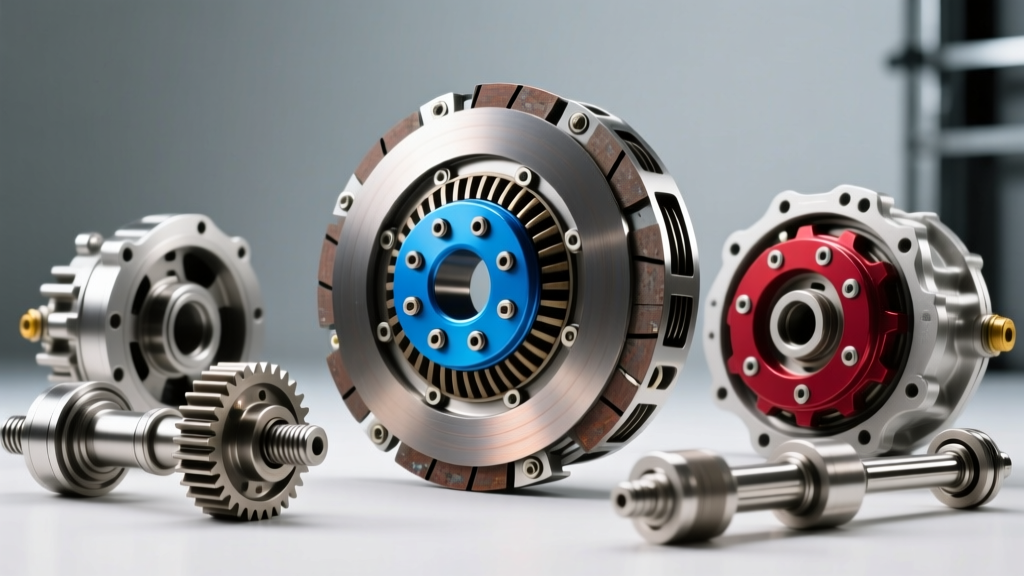
Internal combustion engines, particularly large-displacement inline-six diesels, generate massive torsional vibrations. The main drivetrain clutch utilizes complex dampening mechanisms—such as multi-stage torsional springs and friction rings found in the Eaton Solo series—to absorb these pulses before they reach the transmission input shaft. If an auxiliary clutch is dragging due to a failing electromagnetic coil, contaminated friction surfaces, or a worn-out bearing, it creates an uneven rotational mass on the crankshaft.
This harmonic imbalance transfers directly through the engine block and flywheel. When the driver engages the main clutch, the torsional dampeners are suddenly overwhelmed by the erratic rotational resistance of the dragging accessory. The result is severe clutch chatter upon engagement, often misdiagnosed as a warped flywheel or weak clutch dampening springs. Before tearing down the transmission, heavy-duty technicians must rule out accessory drag by inspecting the ac compressor clutch location and other PTO (Power Take-Off) drive systems.
Mapping the AC Compressor Clutch Location in Class 8 Engines
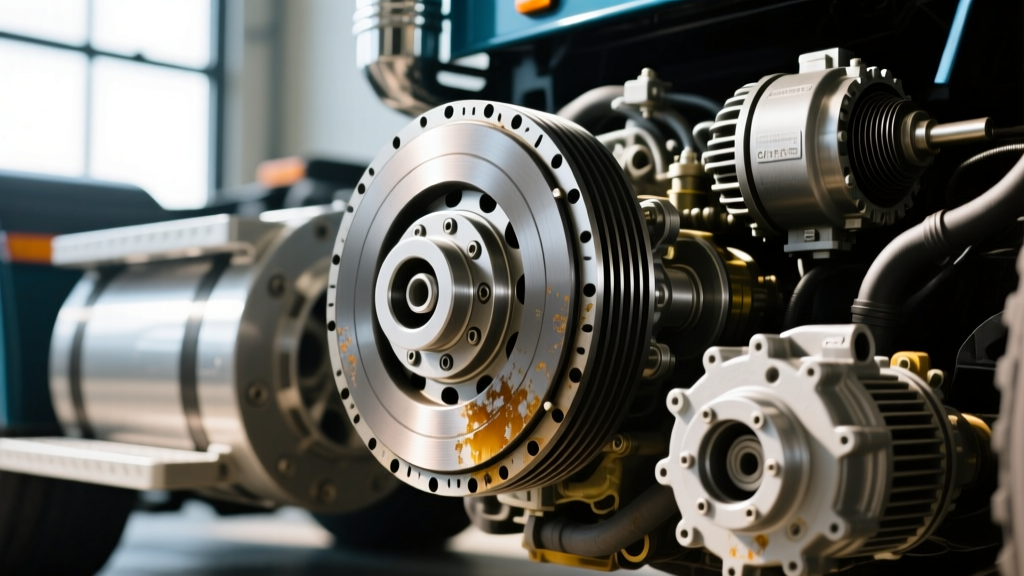
To isolate accessory drag, technicians must first identify the ac compressor clutch location, which varies significantly between major OEM engines due to packaging constraints and emissions system routing.
- Cummins X15 (2024-2026 Specs): Utilizes a side-mount configuration. The Sanden SD7H15 or equivalent Denso compressor is typically mounted on the passenger side, driven by the multi-ribbed serpentine belt. The ac compressor clutch location here is highly accessible from the ground but is notably prone to debris ingestion and moisture corrosion from the front axle and steering gear.
- Detroit DD15: Features a high-mount configuration. The compressor is positioned near the top of the engine block to accommodate the complex asymmetric turbocharger and EGR routing. Accessing the ac compressor clutch location on a DD15 often requires removing the charge air cooler pipes and the primary cooling fan shroud to verify belt alignment and clutch air gap.
- Volvo D13 / Mack MP8: Front-mounted and integrated into the primary accessory drive bracket. The ac compressor clutch location is tightly packaged behind the viscous fan drive, requiring specialized pullers and feeler gauges to measure the electromagnetic clutch air gap (typically 0.4mm to 0.6mm).
For deeper component specifications and accessory drive routing diagrams, technicians should consult the Cummins QuickServe portal or OEM service manuals.
Diagnostic Framework: Isolating Clutch Chatter vs. Accessory Drag
When a fleet manager reports clutch chatter in a Peterbilt 579 or Freightliner Cascadia, use this diagnostic matrix before authorizing a transmission drop.
| Symptom | Main Drivetrain Clutch Failure | Auxiliary (AC/PTO) Clutch Drag |
|---|---|---|
| Chatter Timing | Occurs strictly during vehicle launch (1st/2nd gear) | Can occur at launch, but worsens when AC is cycled ON |
| Engine RPM Drop | Normal drop, but vehicle shudders violently | Excessive RPM bog; engine sounds loaded at idle |
| Visual Inspection | Friction dust at bell housing weep hole | Glazed serpentine belt; AC clutch coil shows heat bluing |
| Air Gap Measurement | N/A (Internal to bell housing) | Exceeds 0.8mm (indicates worn friction plates) |
Performance Upgrade: Installing the Eaton Solo 40 Twin-Disc
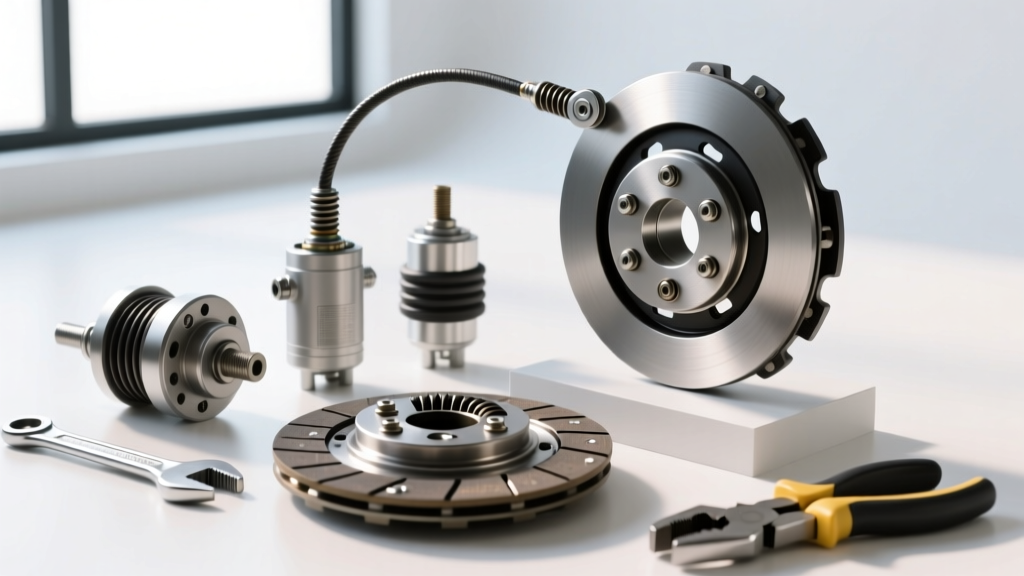
When upgrading from a standard 14-inch single-plate to a 15.5-inch Eaton Solo 40 twin-disc clutch (Part # 399524X) for 2,000 lb-ft torque capacity, precision is paramount. This upgrade is essential for vocational trucks pulling heavy lowboy trailers where clutch slip would otherwise generate catastrophic heat.
Critical Torque Specifications and Clearances
Improper installation is the leading cause of premature failure in upgraded heavy-duty clutches. When mating the new flywheel and clutch assembly to a Cummins X15, adhere strictly to these specifications:
- Flywheel to Crankshaft Bolts: Torque to 125 lb-ft, followed by an additional 60-degree turn. Always use new OEM stretch bolts.
- Flywheel Runout: Must be within 0.002 inches. Exceeding this tolerance will cause the twin-disc intermediate plate to hang up, resulting in incomplete disengagement.
- Pilot Bearing: Never reuse the pilot bearing. Press in a heavy-duty sealed bearing (e.g., National 614026) and ensure it is flush with the crankshaft flange. A protruding pilot bearing will bind the transmission input shaft.
- Clutch Housing to Flywheel: Torque the 3/8"-16 mounting bolts to 35-40 lb-ft in a strict star pattern to prevent housing distortion.
For comprehensive installation guidelines and warranty requirements, reference Eaton's official heavy-duty clutch catalog.
Clearance Checks and Accessory Drive Alignment
When dropping a heavy transmission like the Eaton Fuller RTLO-18918B (weighing over 700 lbs), the engine is often supported by a hydraulic jack or cribbing. This support method can slightly shift the engine on its polyurethane or hydraulic mounts. Even a 3mm shift can alter the front accessory drive alignment. If the belt tracking is off, the AC compressor clutch will experience accelerated friction ring wear and localized overheating. Verifying the ac compressor clutch location relative to the crankshaft harmonic balancer ensures the new main clutch isn't fighting a misaligned accessory drive. Always use a laser alignment tool on the serpentine pulleys before reinstalling the radiator and charge air cooler assemblies.
2026 Heavy-Duty Clutch Upgrade Cost Breakdown
Fleet managers and owner-operators must weigh the upfront costs of a performance upgrade against the long-term ROI of reduced downtime. Below is a realistic cost analysis for a Class 8 twin-disc upgrade.
| Component / Service | Part Number / Spec | Estimated Cost (USD) |
|---|---|---|
| Eaton Solo 40 Twin-Disc Kit | 399524X (15.5") | $2,200 - $2,600 |
| Heavy-Duty Flywheel Resurfacing | OEM Spec (0.002" TIR) | $250 - $400 |
| Sealed Pilot Bearing | National 614026 | $45 - $85 |
| AC Compressor Clutch Coil (if dragging) | Sanden SD7H15 Coil | $120 - $180 |
| Shop Labor (R&R Transmission & Clutch) | 8 - 12 Hours | $1,200 - $1,800 |
Final Thoughts on Drivetrain Longevity
Upgrading a commercial vehicle's drivetrain clutch is not just about bolting in a higher-capacity friction assembly; it is about managing the entire rotational ecosystem of the engine. By understanding the physics of torsional vibration, mapping the exact ac compressor clutch location, and adhering to strict torque and runout specifications, technicians can eliminate clutch chatter and ensure the upgraded drivetrain survives the brutal demands of modern heavy-hauling. Always diagnose auxiliary parasitic drag before condemning a main clutch, and rely on OEM data to guide your performance upgrades.