The Viral Hook: Fashion Bags vs. Friction Discs
In early 2026, the 'Carmella clutch Twitter' debate went viral when a lifestyle influencer posted a video complaining about her 'Carmella clutch' getting stuck. The plot twist? She was not talking about a designer handbag. She was aggressively pumping the clutch pedal of her manual-transmission sports car while wearing heels, completely misunderstanding the mechanical linkage and stalling the vehicle in traffic. The automotive corner of Twitter (X) immediately dissected the video, turning a humorous pop-culture moment into a massive, impromptu masterclass on clutch engagement and disengagement diagnostics.
While the memes were entertaining, the underlying mechanical reality of why a car grinds, stalls, or refuses to go into gear is no joke. Whether you are a beginner who just bought their first manual car or an enthusiast diagnosing a track build, understanding clutch disengagement is critical. Let us break down the actual mechanics, symptoms, and real-world fixes behind the viral trend.
What Does 'Clutch Disengagement' Actually Mean?
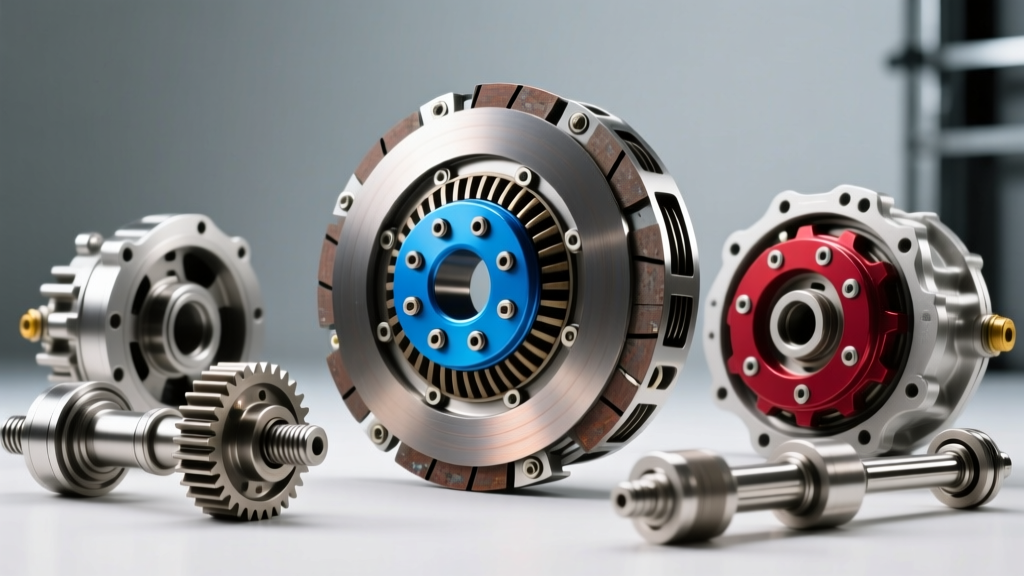
In a manual transmission, the clutch's job is to connect and disconnect the engine's rotational power from the transmission's input shaft. When your foot is off the pedal, the pressure plate clamps the friction disc against the flywheel (engagement). When you press the pedal, the hydraulic or cable system actuates a throwout bearing, which pushes against the pressure plate's diaphragm fingers, releasing the clamping force (disengagement).
If your clutch fails to fully disengage, the input shaft continues to spin even when the pedal is floored. This results in gear clash, grinding, and the inability to shift into first or reverse while stopped. If it fails to engage smoothly, you experience chatter, slipping, or violent drivetrain shock.
Top Symptoms Your Clutch Isn't Disengaging Properly
1. The 'Grind and Crunch' (Gear Clash)
This is the most common symptom of incomplete disengagement. If you press the pedal to the floor and attempt to shift into Reverse or First gear, and you hear a violent grinding noise, the transmission input shaft is still spinning. The synchronizers cannot match the speeds of the gear and the shaft, resulting in metal-on-metal clash. This is often caused by air in the hydraulic line, a worn master cylinder, or a bent clutch fork.
2. The Spongy or 'Dead' Pedal
If the pedal feels like stepping on a wet sponge, or worse, stays pinned to the floorboard, you have a hydraulic failure. Brake fluid (which is used in most clutch hydraulic systems) is hygroscopic, meaning it absorbs moisture over time. This moisture lowers the fluid's boiling point and causes internal corrosion in the slave cylinder, leading to bypassing seals and lost hydraulic pressure.
3. Creeping at the Stoplight
If you are stopped at a red light with the clutch pedal fully depressed and the car in first gear, but the vehicle still tries to creep forward or the engine RPM dips significantly, your clutch is dragging. The friction disc is not fully separating from the flywheel, often due to a warped disc, incorrect clutch fork pivot ball geometry, or a failing concentric slave cylinder (CSC).
Diagnostic Data: Hydraulic vs. Cable Systems
Not all disengagement systems are created equal. Here is a breakdown of the two primary architectures and their specific failure modes as of 2026.
| System Type | Common Failure Point | Primary Symptom | Est. Repair Cost (2026) |
|---|---|---|---|
| Hydraulic (CSC) | Concentric Slave Cylinder internal seal bypass | Pedal drops to floor; fluid loss inside bellhousing | $900 - $1,600 (Requires trans removal) |
| Hydraulic (External Slave) | Pushrod wear or slave cylinder bore pitting | Incomplete disengagement; gear grinding | $150 - $350 (External swap & bleed) |
| Mechanical Cable | Cable stretch, fraying, or firewall quadrant wear | Pedal feels loose at the top of travel; dragging | $80 - $200 (Cable & quadrant replacement) |
Deep Dive: Real-World Fixes, Part Numbers, and Torque Specs
To move past the beginner basics, we need to look at specific, high-failure platforms and how to properly diagnose and fix them using exact OEM and aftermarket data.
GM Tremec T56 Magnum & Concentric Slave Cylinders (CSC)
The Tremec T56 Magnum is a staple in modern V8 swaps and track cars. However, its hydraulic disengagement system relies on a Concentric Slave Cylinder (CSC) that sits inside the bellhousing. When the CSC fails, it dumps DOT 4 fluid directly onto the clutch disc, ruining it instantly.
- OEM Part Number: GM Performance Hydraulic Throwout Bearing Assembly (Part # 19299070).
- Crucial Spec: The T56 Magnum bellhousing to engine block torque spec is exactly 35 lb-ft. Over-torquing can distort the bellhousing, misaligning the CSC and causing premature wear on the transmission input shaft bearing.
- Pro-Tip: Always measure the distance from the engine block mating surface to the clutch diaphragm fingers, and compare it to the CSC's maximum travel limit. If the gap is too large, the CSC will over-extend and blow its internal seals.
For authoritative installation guidelines, always consult the official Tremec Engineering service documentation before mating the transmission to the block.
Honda K-Series Hydraulics & The Wilwood Upgrade
The Honda K-Series (found in the Civic Si, RSX, and Accord) is notorious for a soft, vague clutch pedal feel, largely due to the OEM 5/8' (0.625 inch) master cylinder bore and restrictive delay valves. When disengagement feels sluggish at high RPMs (the infamous '7th gear' lockout), upgrading the hydraulics is the only fix.
'Upgrading to a larger bore master cylinder moves more fluid volume per pedal stroke, ensuring the slave cylinder fully actuates the fork before the synchronizers time out.' - Senior Drivetrain Engineer
- Aftermarket Solution: Wilwood Engineering 3/4' Bore Master Cylinder (Part # 260-9439).
- Fluid Choice: Flush the OEM fluid and replace it with Motul RBF 600 (DOT 4) or Castrol SRF. Never use DOT 5 (silicone-based), as it will swell and destroy the Honda rubber seals.
- Bleeding Procedure: The K-Series slave cylinder is notorious for trapping air. Use the 'zip-tie method': zip-tie the clutch pedal to the steering wheel overnight to force the slave cylinder piston fully outward, allowing micro-bubbles to rise back to the master cylinder reservoir.
Enthusiasts on platforms like Honda-Tech Forums have extensively documented the exact pedal effort ratios when pairing a 3/4' Wilwood master with an OEM K-Series slave, noting a 15% increase in pedal effort but a massive gain in disengagement speed and shift crispness.
The Beginner's Step-by-Step Diagnostic Checklist
Before you throw parts at your car or end up as the next viral social media meme, run through this diagnostic checklist:
- Check Fluid Level & Condition: Open the brake master cylinder reservoir (most cars share the brake and clutch fluid). If it is low, or the fluid looks dark and muddy, you have a leak or severe moisture contamination.
- Inspect for External Leaks: Look at the rubber boot on the external slave cylinder. If it is wet with brake fluid, the slave cylinder is dead.
- Test Pedal Free-Play: Press the pedal with your finger. There should be about 1/2 inch to 1 inch of 'free play' before you feel the hydraulic resistance. Zero free-play means the throwout bearing is constantly riding the pressure plate, causing heat and premature failure.
- The 'Shift Test': With the car off, shift into first. It should slide in easily. Start the car, press the clutch to the floor, wait three seconds, and try to shift into first. If it grinds now but did not when the engine was off, your clutch is definitely not fully disengaging.
Final Thoughts: Don't Let Your Drivetrain Become a Meme
The 'Carmella clutch Twitter' trend was a hilarious reminder of how disconnected many drivers are from the mechanical realities of their vehicles. But for those of us who care about drivetrain longevity, understanding the precise hydraulic pressures, torque specs, and component geometries that govern clutch disengagement is non-negotiable. Whether you are bleeding a Honda K-Series slave cylinder or measuring CSC preload on a Tremec T56, precision is everything. Treat your friction materials and hydraulics with respect, and your manual transmission will reward you with crisp, grind-free shifts for thousands of miles.