The Diagnostic Crossroads: Fluid Volume vs. Electronic Pressure
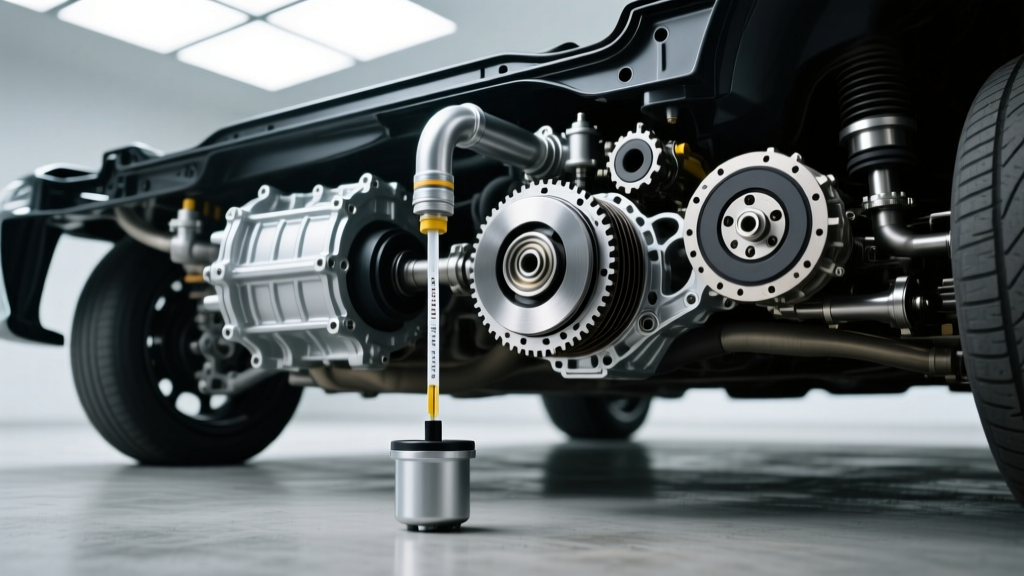
Modern automatic transmissions are marvels of electro-hydraulic engineering. They rely on a delicate balance between physical fluid volume and electronic pressure monitoring to execute seamless gear changes. When a vehicle presents with harsh shifts, slipping, or limp-mode activation, the immediate culprit is often assumed to be a failing electronic component. However, before condemning a $500 electronic module, a technician or DIYer must know how to properly check automatic transmission fluid to verify the physical hydraulic baseline. A clogged filter or a severely low fluid level will trigger the exact same OBD-II codes (such as P0868 or P0932) as a failed pressure sensor.
Ruling Out the Physical Baseline
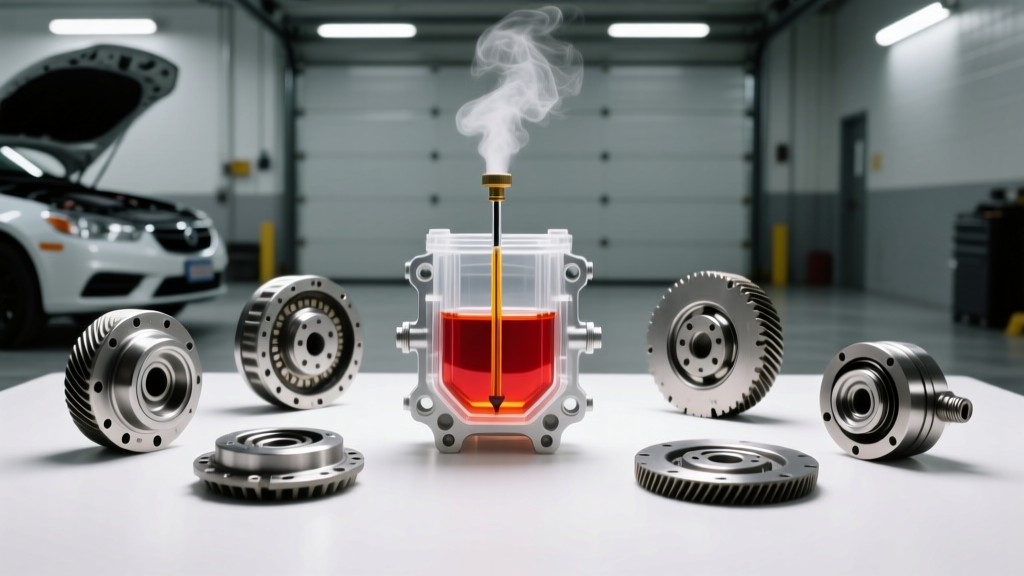
Unlike older vehicles with a simple dipstick under the hood, checking fluid on modern units like the GM 6L80 or the ZF 8HP requires a precise thermal procedure. For the GM 6L80/6L90, the transmission must be between 86°F and 122°F (30°C–50°C). You must remove the 8mm Allen fill plug on the side of the transmission case while the engine is idling. If no fluid drips out, the physical volume is insufficient, which will starve the line pressure sensor and trigger a low-pressure code. Only after verifying the fluid level and condition (checking for clutch material or metallic glitter) should you proceed to electronic pressure sensor diagnostics.
Common Pressure Sensor Failure Modes by Transmission Model
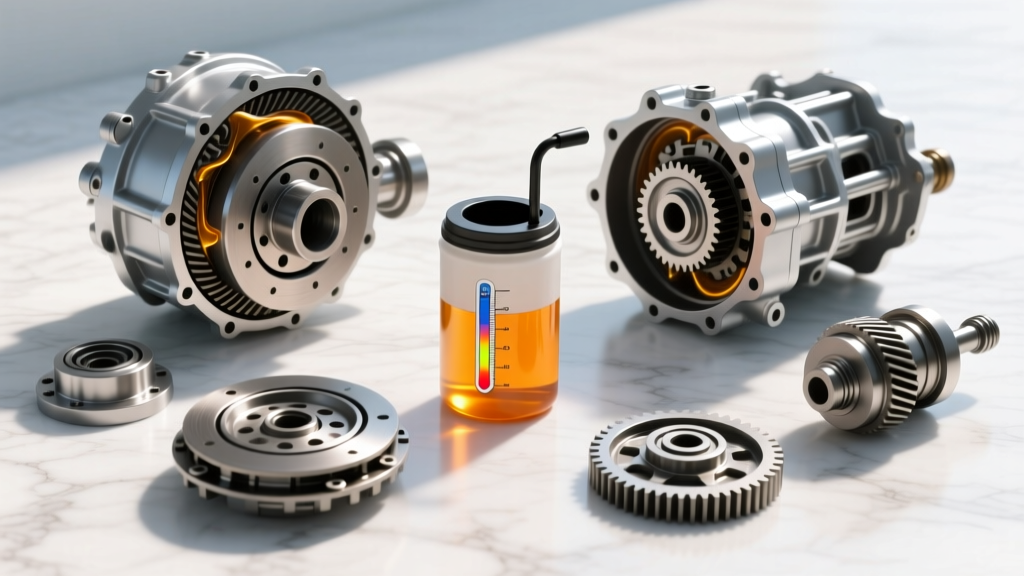
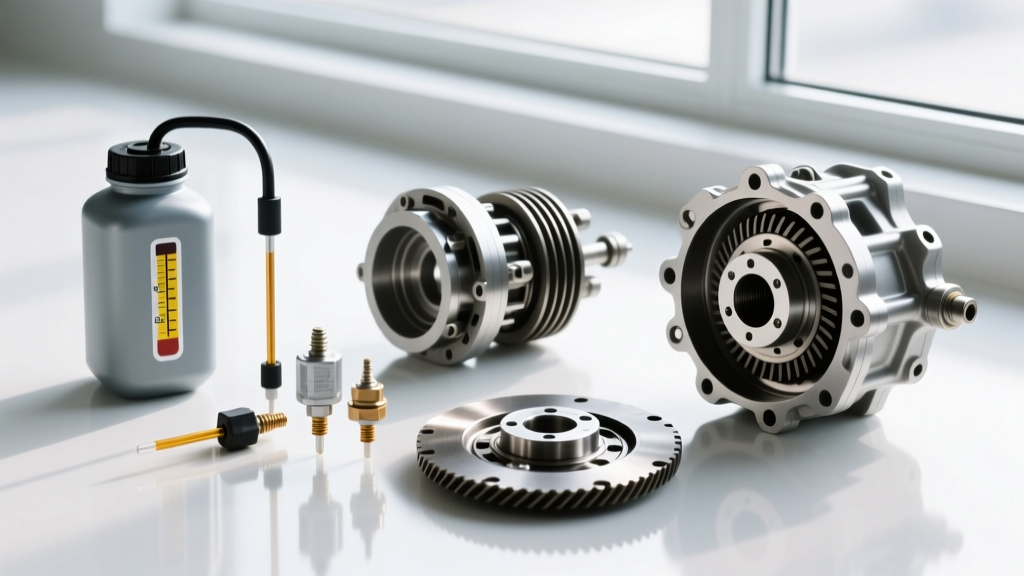
Transmission fluid pressure sensors (often called transducers or pressure switches) convert hydraulic line pressure into a variable voltage signal for the Transmission Control Module (TCM). When these fail, the TCM defaults to maximum line pressure to prevent clutch slippage, resulting in notoriously harsh, neck-snapping shifts.
GM 6L80 / 6L90: The TEHCM Dilemma
The GM 6-speed family integrates the TCM, solenoids, and pressure sensors into a single unit known as the TEHCM (Transmission Electro-Hydraulic Control Module), located inside the transmission pan. The internal pressure sensor is a known failure point due to heat cycling and vibration. Historically, GM did not sell the pressure sensor separately; dealerships required the purchase of an entire TEHCM assembly (Part # ACDelco 24253109), which retails between $450 and $650, plus programming.
ZF 8HP: Mechatronic Transducer Degradation
The ZF 8HP (found in Ram trucks, BMWs, and Jaguars) houses its pressure sensors within the Mechatronic unit (the integrated valve body and TCM). The primary line pressure sensor can suffer from internal diaphragm fatigue. Unlike the GM, ZF and aftermarket suppliers like Sonnax offer standalone sensor replacement kits and upgraded sealing sleeves, saving the consumer from replacing the entire $2,500+ Mechatronic assembly.
Buyer’s Guide: OEM Assemblies vs. Aftermarket Repair Kits
As of 2026, the aftermarket transmission repair industry has developed highly reliable solutions that bypass the need for dealership-level module replacements. Below is a comparison of repair strategies for the ubiquitous GM 6L80 pressure sensor issue.
| Repair Strategy | Estimated Cost (2026) | Pros | Cons | Skill Level Required |
|---|---|---|---|---|
| OEM TEHCM Assembly (ACDelco 24253109) | $450 - $650 | Factory reliability, includes all new solenoids | Requires J-43654 tech2/GDS2 programming | Professional (Requires Dealer Software) |
| Aftermarket Sensor Board (e.g., Rostra) | $120 - $180 | No TCM reprogramming required, sold separately | Requires soldering or precise pin extraction | Advanced DIY / Independent Shop |
| Complete Valve Body w/ Sensors | $350 - $500 | Bolt-on solution, solves worn valve bore issues | More labor-intensive, requires fluid refill | Intermediate DIY |
Top Bi-Directional Scanners for Pressure Diagnostics
You cannot accurately diagnose a pressure sensor issue by simply reading codes; you must compare the commanded line pressure against the actual reported line pressure in real-time. If the TCM commands 150 PSI, but the sensor reports 40 PSI (and you have already verified the physical fluid level is correct), the sensor or its wiring harness is faulty.
- Autel MaxiSys MS908S Pro II: Excellent bi-directional coverage for GM and Ford. Allows you to command specific line pressures while monitoring the sensor feedback graph. (Approx. $2,800)
- Snap-on Apollo D9: Features advanced oscilloscope integration. You can back-probe the pressure sensor signal wire to view the raw voltage wave, instantly ruling out TCM internal faults. (Approx. $4,500)
- XTOOL D8W: A budget-friendly bi-directional option for advanced DIYers. It reads live TCM pressure data streams on most 2010-2025 models, though it lacks advanced oscilloscope features. (Approx. $450)
Critical Torque Specifications & Installation Protocols
When replacing pressure sensors, valve bodies, or TEHCM units, adhering to exact torque specifications is non-negotiable. Overtightening aluminum valve body bolts or mechatronic sleeves will warp the casting, causing internal hydraulic cross-leaks that mimic a bad pressure sensor.
- GM 6L80 TEHCM to Valve Body Bolts: 11 Nm (8 lb-ft). Use a calibrated inch-pound torque wrench. Do not use standard foot-pound wrenches.
- GM 6L80 Transmission Fill/Level Plug: 25 Nm (18 lb-ft). Replace the aluminum crush washer every time.
- ZF 8HP Mechatronic to Case Bolts: 11 Nm (8 lb-ft). These are Torx E8 bolts and are notorious for snapping if over-torqued or reused.
- Ford 6R80 Valve Body Bolts: 10 Nm (89 lb-in). Follow the specific spiral tightening sequence outlined in the Ford workshop manual to prevent valve body warpage.
Expert Insight: Always use a dedicated transmission fluid (like ACDelco Dexron ULV or ZF LifeguardFluid 8) when refilling after a sensor repair. Using incorrect 'universal' fluids alters the hydraulic viscosity, which can cause the new pressure sensor to read inaccurately during cold-start operations, triggering phantom P0868 codes.
Final Verification
After installing the new sensor or TEHCM and verifying the fluid level via the thermal check plug procedure, clear all TCM adaptive tables. Drive the vehicle through a full thermal cycle (until the scanner reports fluid temps above 160°F) to allow the TCM to relearn the new pressure transducer's baseline voltage. For more in-depth hydraulic repair strategies, consult technical bulletins from TransGo regarding valve body wear patterns that can physically damage new sensors.