The Performance Imperative: Why Temperature Dictates Fluid Accuracy
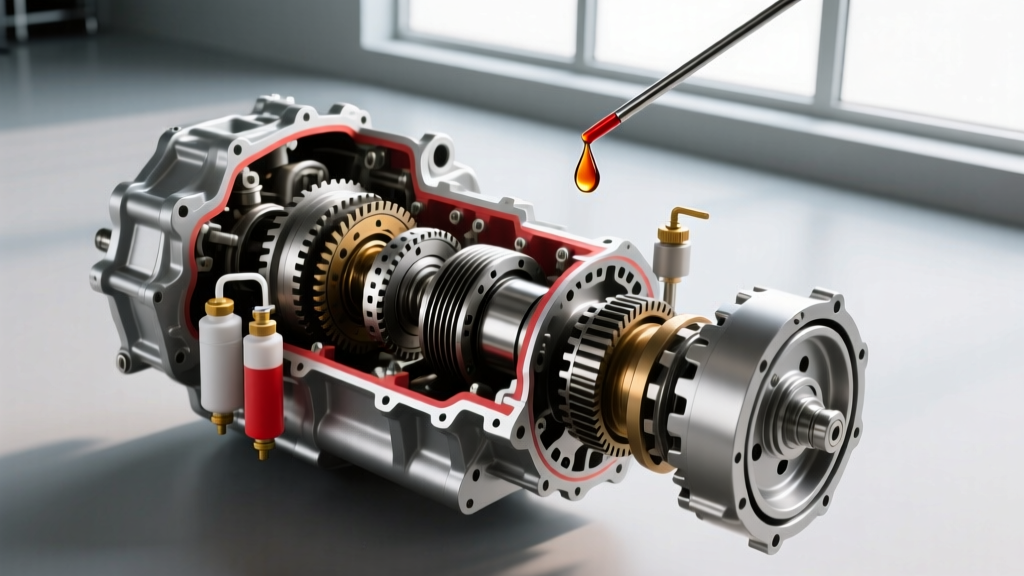
When pushing a tuned 10th or 11th-generation Honda Civic on the track or during aggressive canyon runs, transmission thermal management becomes a critical bottleneck. Whether you are running a high-torque L15B7 setup or extracting maximum WHP from a K20C1, understanding fluid dynamics is non-negotiable. For performance builders and track-day enthusiasts, knowing exactly how to check automatic transmission fluid in Honda Civic applications is about far more than just pulling a dipstick; it is about mastering thermal expansion, viscosity thresholds, and precise hydraulic pressure management.
A common and catastrophic mistake made by amateur tuners is checking transmission fluid when it is cold. Fluid volume changes significantly with temperature. Checking a cold transmission leads to overfilling once the fluid reaches operating temperature, resulting in aeration, foaming, and ultimately slipped clutches or CVT belt failure. As we navigate the 2026 performance landscape, where aftermarket cooling solutions and high-stall torque converters are commonplace, mastering the hot vs. cold checking protocol is essential for drivetrain longevity.
Thermal Dynamics: Honda HCF-2 CVT vs. DW-1 Traditional ATF
Honda's engineering philosophy relies heavily on specialized, low-viscosity fluids designed to minimize parasitic drag while maximizing hydraulic response. To accurately assess your fluid level, you must first identify which transmission architecture your Civic utilizes, as the thermal expansion rates and checking procedures differ wildly.
Honda HCF-2 CVT Fluid (Earth Dreams CVTs)
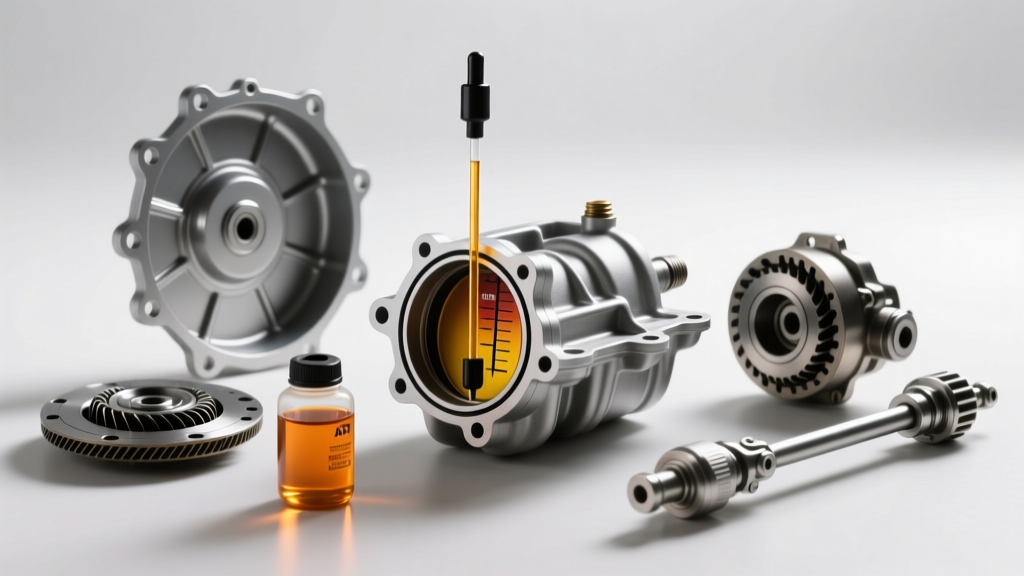
Found in the majority of modern non-Si/Type-R Civics, the Earth Dreams CVT relies on a steel push-belt and variable pulley system. The clamping pressure required to keep the belt from slipping under heavy acceleration is entirely dependent on precise hydraulic fluid pressure. Honda HCF-2 fluid (Part # 08200-HCF2) is engineered specifically for this. Its viscosity index is highly sensitive to temperature. If the fluid is too cold, it is overly viscous, causing sluggish pulley response. If it is too hot, it thins out, risking belt slip. Total system capacity is roughly 3.9 US quarts (3.7 liters), making even a half-quart overfill highly detrimental to the pump's ability to maintain prime without cavitating.
Honda ATF DW-1 (Traditional Parallel-Axis Automatics)
Older generations (such as the 8th and 9th gen Civics) and specific global market variants utilize Honda's traditional parallel-axis 5-speed or 6-speed automatic transmissions. These require Honda ATF DW-1 (Part # 08200-9008). Traditional automatics utilize wet clutch packs that require a specific fluid film thickness. DW-1 is a low-viscosity fluid designed to improve cold-weather shift quality and fuel economy, but it expands noticeably when subjected to the 180°F+ heat generated during track use.
The Danger of the 'Cold Check' in Performance Builds
Why is the 'cold check' so dangerous? According to AMSOIL Technical Guides, automatic transmission fluids can expand in volume by up to 5% to 8% as they transition from ambient garage temperatures (65°F) to heavy-load operating temperatures (200°F+).
- Aeration and Foaming: If you fill to the 'FULL' mark on a cold dipstick, the fluid level will rise above the rotating internal components once hot. The clutch drums or CVT pulleys will whip the fluid, mixing air into the hydraulic circuit.
- Compressible Hydraulics: Air bubbles are compressible; liquid is not. When the transmission control module (TCM) commands a shift or increases CVT clamping pressure, aerated fluid causes a spongy hydraulic response, leading to delayed shifts and severe clutch chatter.
- Cooler Cavitation: Performance builds utilizing aftermarket Mishimoto or PRL Motorsports transmission coolers already have increased system volume. Overfilling exacerbates the stress on the transmission fluid pump, potentially causing cavitation and starving the cooler circuit.
Step-by-Step: How to Check Automatic Transmission Fluid in Honda Civic
To properly evaluate your fluid level, you must rely on data, not guesswork. The Honda Technical Information System strictly mandates the use of the Transmission Fluid Temperature (TFT) sensor data via the CAN bus before attempting a level check.
Phase 1: Preparation and Diagnostics
- Park the vehicle on a perfectly level surface. Even a slight incline will skew the dipstick reading by up to a quarter-quart.
- Connect an advanced OBD2 scanner capable of reading Honda-specific live data streams (e.g., Foxwell NT510 Elite for Honda, Autel MaxiCOM, or Honda HDS). Navigate to the Transmission Data PID and locate the TFT (Transmission Fluid Temperature) sensor reading.
- Ensure the engine is at a cold start to monitor the temperature climb in real-time.
Phase 2: The Warm-Up Cycle
Start the engine and allow the vehicle to idle or drive gently. You are waiting for the TFT sensor to reach the exact manufacturer-specified checking window. For track-prepped Civics with aftermarket thermostats or cooler bypass deletes, this warm-up cycle may take significantly longer than stock. Do not rush this step by revving the engine in neutral; the fluid must circulate through the torque converter and the cooler lines to achieve a homogenous temperature.
Phase 3: The Reading Protocol (Engine ON vs. Engine OFF)
This is where most enthusiasts fail. The state of the engine during the dipstick pull depends entirely on the transmission type.
Hot vs. Cold Specifications & Thresholds
| Transmission Type | Fluid Spec | Target TFT Window | Engine State | Dipstick Target |
|---|---|---|---|---|
| Earth Dreams CVT | HCF-2 (08200-HCF2) | 104°F - 113°F (40°C - 45°C) | OFF (Check within 60 sec) | Between Upper & Lower Hot Marks |
| 5AT / 6AT Parallel-Axis | DW-1 (08200-9008) | 140°F - 176°F (60°C - 80°C) | ON (Idling in Park) | Upper Hot Mark |
| Any Transmission (Cold Check) | HCF-2 / DW-1 | 68°F - 86°F (20°C - 30°C) | Varies | Lower Cold Mark (Reference ONLY) |
Note: For the CVT, Honda explicitly requires the engine to be turned OFF, and the dipstick must be pulled and read within 60 seconds. This allows the fluid in the valve body to drain back into the pan, providing an accurate pan-level reading. Leaving a CVT engine running during the check will yield a falsely low reading, leading to catastrophic overfilling.
Performance Upgrades: Aftermarket Coolers and Fluid Volume
When building a high-output Civic, managing transmission heat is paramount. Installing an aftermarket air-to-liquid or air-to-air transmission cooler increases the total fluid capacity of the system by 0.5 to 1.5 quarts, depending on the core size and line length. According to build logs documented on Honda-Tech Forums, this added volume fundamentally alters the thermal inertia of the drivetrain.
If your Civic is equipped with an aftermarket cooler, the TFT sensor (located in the transmission pan or valve body) will read cooler for a longer period during the warm-up phase. You must drive the vehicle under moderate load to ensure the fluid inside the external cooler lines reaches the same temperature as the fluid in the pan. Furthermore, during actual track use, TFT can easily exceed 220°F. At this extreme temperature, the fluid will expand past the upper 'HOT' mark on the dipstick. Do not attempt to drain fluid while the car is at track temperature. Allow the vehicle to cool back down to the 140°F - 176°F checking window before making any volume adjustments.
Drain and Fill Specs for the Performance Builder
When adjusting your fluid level or performing a baseline drain-and-fill after installing a new cooler, precision is key. Honda transmissions do not have traditional deep pans with gaskets; they utilize a drain plug and a crush washer, much like an engine oil pan.
- Drain Plug Torque: 24 lb-ft (32 Nm). Use a calibrated torque wrench; overtightening can crack the aluminum transmission casing.
- Crush Washer: Always replace the 18mm aluminum crush washer (Part # 90471-PX4-000) to prevent slow leaks that can lead to low-fluid aeration over time.
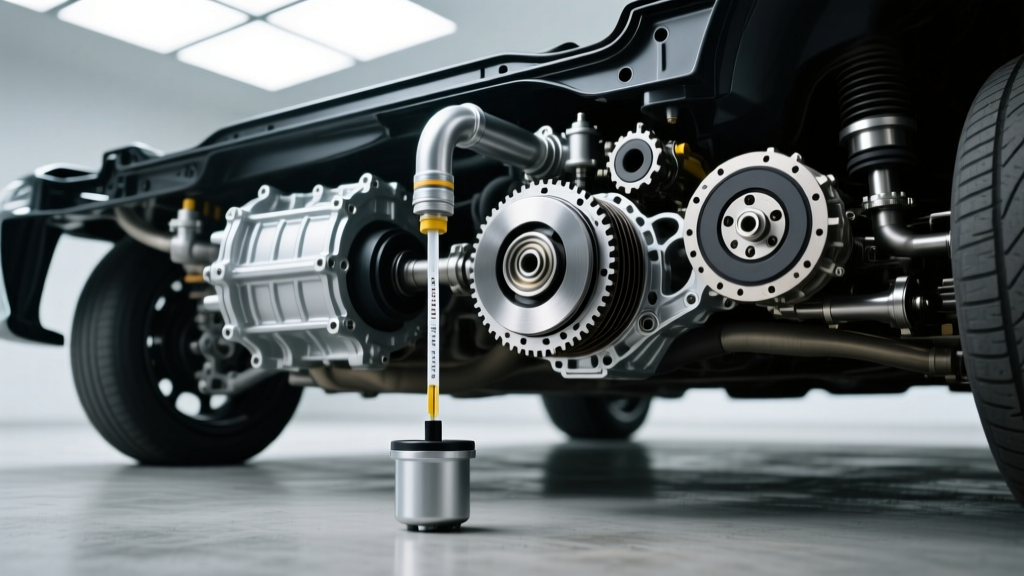
- Fill Method: Use a high-quality pump to fill through the dipstick tube. Add fluid in 0.25-quart increments, waiting 3 minutes between additions to allow the fluid to settle into the complex geometry of the valve body and torque converter.
Expert Troubleshooting & Edge Cases
Even with perfect procedure, performance Civics can present unique fluid-related anomalies. Here is how to diagnose them:
TFT Sensor Drift and CAN Bus Errors
If your OBD2 scanner reports a TFT of 300°F or -40°F, the thermistor has likely failed or the wiring harness near the transmission connector has been damaged by road debris or heat shielding degradation. A failed TFT sensor will force the TCM into a fail-safe 'limp' mode, locking line pressure to maximum to prevent clutch slip, resulting in harsh, punishing shifts. Replace the sensor and clear the TCM adaptation tables before re-evaluating fluid levels.
Fluid Color and Olfactory Diagnostics
While the dipstick is out, assess the fluid condition. Fresh HCF-2 and DW-1 are translucent with a slight amber/green hue. If the fluid is dark brown or black and emits a burnt, acrid odor, the clutch packs or CVT belt have been slipping. In a high-horsepower Civic, this is a common byproduct of exceeding the torque capacity of the stock transmission. No amount of fluid adjustment will fix burnt fluid; the transmission requires a teardown, clutch pack replacement, and a complete flush of the cooler lines to remove metallic particulate.
The 'Foaming' Dipstick Illusion
When pulling the dipstick on a hot, recently driven Civic, you may notice the fluid level appears erratic, with bubbles clinging to the plastic indicator. This is mild aeration, often caused by aggressive cornering forces (lateral Gs) sloshing the fluid in the pan and uncovering the pickup tube. If the bubbles dissipate within 10 seconds of resting the dipstick on a clean paper towel, the fluid volume is likely correct. If the fluid resembles a thick, milky milkshake, the transmission is severely overfilled, or coolant is intruding via a failed internal heat exchanger (if equipped).
Final Thoughts for the Track-Prepped Civic
Mastering how to check automatic transmission fluid in Honda Civic platforms requires discarding old 'driveway mechanic' habits and embracing data-driven thermal management. By relying on OBD2 TFT data, respecting the distinct Engine ON/OFF protocols for CVTs versus traditional automatics, and accounting for the expanded volume of aftermarket cooling systems, you ensure that your drivetrain can handle the brutal demands of modern performance tuning. Treat your transmission fluid with the same analytical rigor as your engine oil, and your Civic will deliver consistent, punishing acceleration lap after lap.