The Preventive Maintenance Imperative for Modern Drivetrains
As we navigate the 2026 automotive landscape, automatic transmissions have evolved into highly complex, thermally sensitive hydraulic computers. Whether your vehicle is equipped with a legacy GM 4L60E, a robust 6L80, or a precision-engineered ZF 8HP 10-speed, the automatic transmission fluid (ATF) serves as the lifeblood of the system. It provides hydraulic pressure for clutch actuation, lubrication for planetary gearsets, and thermal transfer to keep friction materials intact. Yet, a pervasive myth of "lifetime" fluid has left countless drivers stranded with $4,500+ rebuild bills. Mastering how to check automatic transmission fluid—and understanding the realities of service intervals—is the cornerstone of drivetrain preventive maintenance.
The Great Divide: Dipstick vs. Sealed Transmission Architectures
Before grabbing a rag and popping the hood, you must identify which transmission architecture your vehicle utilizes. The industry has undergone a massive paradigm shift over the last two decades, moving from owner-serviceable dipsticks to sealed, temperature-dependent check-plug systems.
1. The Traditional Dipstick Method (Legacy & Heavy Duty)
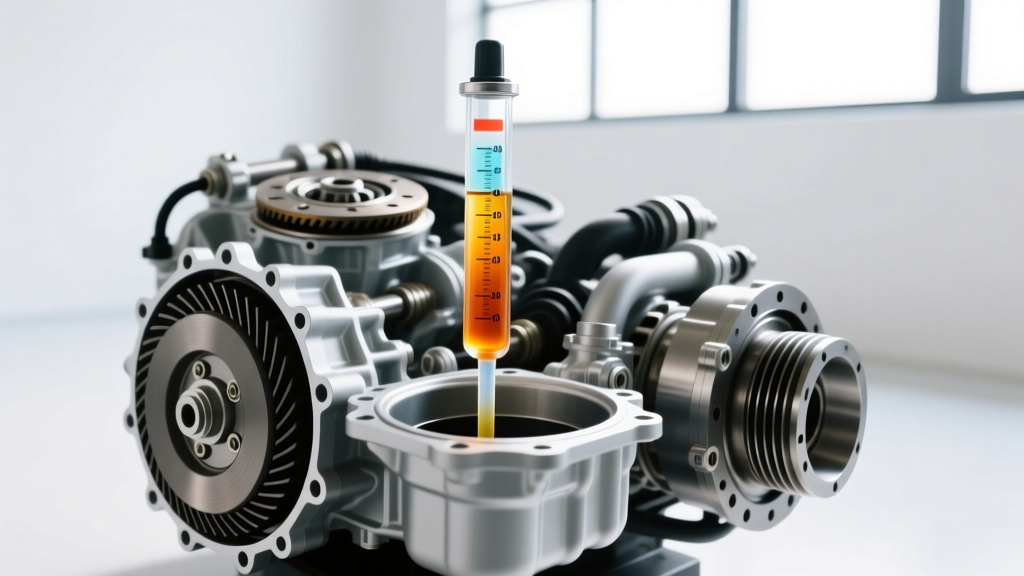
Vehicles equipped with older designs (like the Ford 4R70W or GM 4L60E) and many modern heavy-duty trucks still utilize a physical dipstick, typically located near the back of the engine bay on the passenger side. The fluid in these units expands significantly with heat, meaning a "cold" reading will be drastically different from a "hot" operating reading.
- Preparation: Park the vehicle on a perfectly level surface. Engage the parking brake.
- Operating State: For 95% of GM and Ford applications, the engine must be running and idling in Park. (Note: Some older Chrysler and Honda applications require the engine to be idling in Neutral—always verify your specific owner's manual).
- The Pull: Pull the dipstick, wipe it with a lint-free shop towel, reinsert it fully, and pull it again. Read the fluid level against the "HOT" crosshatch or dot markers if the vehicle has been driven for at least 15 miles.
2. The Sealed Check-Plug Method (Modern Passenger Vehicles)
Most modern passenger vehicles, including those with the ZF 8HP (found in BMW, Chrysler, and Audi) or the GM 10L90, utilize a "sealed" transmission pan. There is no dipstick. Instead, fluid level is verified via a check plug (or leveling plug) located on the side or bottom of the transmission pan, and it is strictly dependent on Transmission Fluid Temperature (TFT).
Expert Warning: When servicing or checking a sealed transmission via the bottom pan plug, always locate and loosen the top fill plug first. If you remove the check plug and fluid drains out, only to discover the top fill plug is seized or requires a proprietary tool you don't have, you will strand the vehicle and risk immediate pump cavitation upon startup.
Step-by-Step Sealed Unit Verification:
- Level the Vehicle: The car must be on a level lift or perfectly level jack stands. A 2-degree pitch can alter the fluid level reading by up to half a quart.
- Monitor TFT via OBD2: Connect a bi-directional OBD2 scanner to read the Transmission Fluid Temperature sensor. For ZF 8HP and GM 6L/8L series transmissions, the fluid must be between 30°C and 50°C (86°F - 122°F) for an accurate level check.
- Crack the Check Plug: With the engine idling in Park, remove the check plug (often an 8mm or 10mm Allen/Torx bit). If a small trickle of fluid drips out, the level is correct. If nothing comes out, fluid must be added via the top fill port until it weeps from the check hole.
- Torque to Spec: Reinstall the check plug with a new crush washer or O-ring, torquing to the manufacturer's exact specification to prevent pan leaks or stripped threads.
Technical Specifications & Torque Reference Table
Precision is non-negotiable in transmission maintenance. Below is a reference table for common automatic transmissions, detailing their fluid requirements, check methods, and critical torque specifications for service plugs.
| Transmission Model | OEM Fluid Specification | Check Method | Check/Fill Plug Torque | Approx. Dry Fill Capacity |
|---|---|---|---|---|
| GM 4L60E | ACDelco Dexron VI | Dipstick (Idling in Park) | N/A (Pan bolts: 11 Nm) | 11.2 Quarts |
| GM 6L80 / 6L90 | ACDelco Dexron VI (P/N: 10-9395) | Bottom Check Plug (30-50°C) | 25 Nm (18 lb-ft) | 12.4 Quarts |
| ZF 8HP (45/70/90) | ZF LifeguardFluid 8 (P/N: 1071.319.262) | Side/Bottom Plug (30-50°C) | 35 Nm (26 lb-ft) | 8.5 - 10.5 Quarts |
| Toyota A750E / A760E | Toyota ATF WS | Overflow Tube (46°C / 115°F) | 20 Nm (15 lb-ft) | 11.5 Quarts |
Addressing the Core Question: How Often Should Automatic Transmission Fluid Be Changed?
When researching preventive maintenance, the most hotly debated topic among technicians and owners alike is how often should automatic transmission fluid be changed. The answer requires dismantling the marketing fiction of "Lifetime Fluid."
In the automotive industry, "lifetime" generally refers to the operational lifespan of the vehicle's powertrain warranty (typically 60,000 to 100,000 miles), not the mechanical limit of the hardware. Once out of warranty, the burden of failure falls entirely on the owner. According to ZF Aftermarket's official lubricant guidelines, while their fluids are engineered for extreme longevity, severe operating conditions necessitate fluid changes at 80,000 to 120,000 kilometers (approximately 50,000 to 75,000 miles).
Defining Your Service Interval Framework
To determine your exact interval, categorize your driving profile:
- Severe Duty (Change every 30,000 - 50,000 miles): This includes frequent towing, hauling heavy payloads, extensive stop-and-go city traffic, off-roading, or operating in extreme ambient heat (consistently above 90°F). These conditions rapidly degrade the friction modifiers and anti-wear additives (like zinc and phosphorus) in the ATF.
- Normal Duty (Change every 60,000 - 80,000 miles): Highway commuting, moderate climates, and standard passenger loads. Even under ideal conditions, the base oil undergoes shear thinning, and the detergent/dispersant packages become exhausted, leading to varnish buildup on valve body solenoids.
- CVT Transmissions (Change every 30,000 - 60,000 miles): Continuously Variable Transmissions (like Nissan's Jatco CVT8 or Subaru's Lineartronic) rely entirely on fluid friction to grip the steel belt/pulleys. CVT fluid degradation is catastrophic and must be serviced much earlier than traditional stepped automatics.
Sensory Diagnostics: Reading the Fluid's Condition
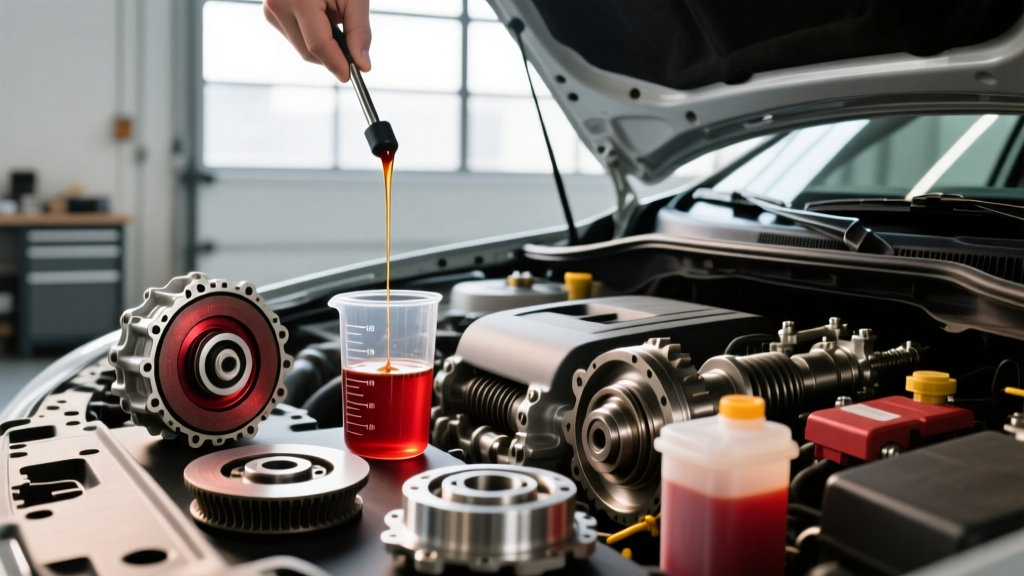
When you perform your fluid check, you are conducting a real-time biopsy of your transmission's internal health. Do not just look at the level; analyze the fluid's physical properties. Industry experts at Bob Is The Oil Guy (BITOG) frequently emphasize that tribological analysis starts with your senses.
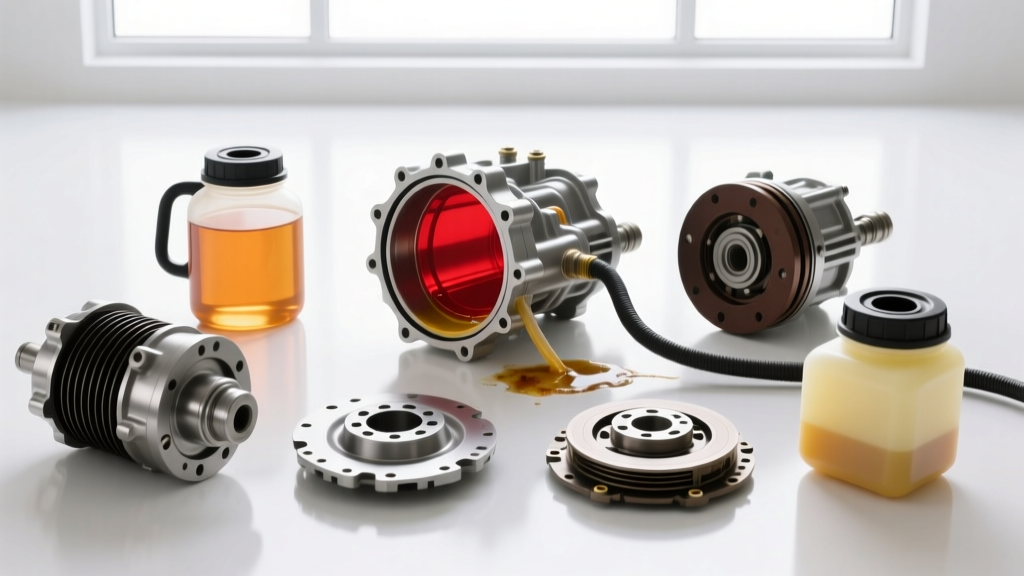
- Color - Bright Red/Translucent: Fresh, healthy ATF. The dye is intact, and oxidation is minimal.
- Color - Dark Red/Amber: Normal aging. The fluid has seen heat cycles but still possesses adequate frictional characteristics. Plan a drain-and-fill soon.
- Color - Brown/Opaque: Severe oxidation. The fluid has lost its thermal stability and anti-foaming agents. Sludge may be restricting the transmission cooler lines or torque converter clutch (TCC) apply circuits.
- Color - Black with Particulates: Critical failure imminent or ongoing. The black color is carbonized clutch material and shredded steel from planetary gearsets or thrust washers.
- Smell - Burnt Toast/Acrid: Indicates the fluid has exceeded its thermal breakdown point (typically above 260°F/126°C). The friction linings on the clutch packs are likely glazed or burned.
Final Thoughts on Preventive Drivetrain Care
Whether you are pulling a dipstick on a work truck or reading an OBD2 TFT sensor on a luxury sedan, checking your ATF is a non-negotiable aspect of vehicle ownership. By combining accurate level verification with a realistic, condition-based service interval, you bypass the "lifetime fluid" trap. For further reading on general vehicle upkeep and avoiding catastrophic mechanical failures, the Consumer Reports Car Maintenance archives offer excellent supplementary data on holistic vehicle care. Treat your transmission fluid as a wearable component, not a permanent fixture, and your drivetrain will reliably deliver power to the wheels for hundreds of thousands of miles.