If you have spent any time in high-performance drivetrain forums or searching for engagement footage, you have likely encountered the bizarre algorithmic typo 'carmella clutch videos.' Search engines frequently autocorrect or conflate 'cerametallic' with 'carmella' due to phonetic similarities and obscure internet search trends. However, when diagnosing a slipping twin-disc or a chattering sintered iron setup, internet memes will not save your driveline. In this technical deep-dive, we are bypassing the search anomalies to deliver a hardcore engineering analysis of cerametallic clutch wear signs, lifespan indicators, and the precise metallurgical thresholds that dictate replacement in 2026.
The Metallurgy of Sintered Cerametallic Friction Discs
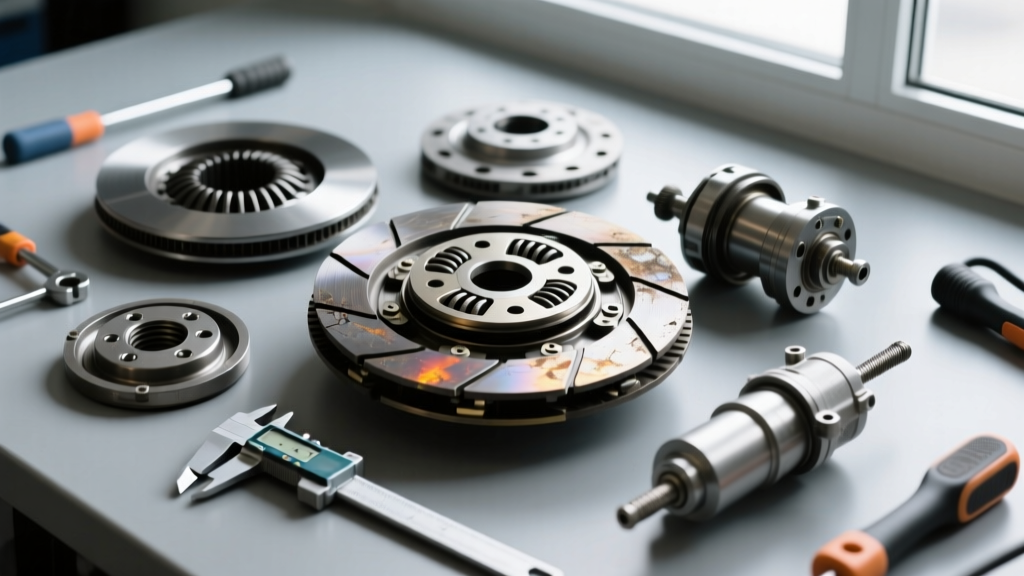
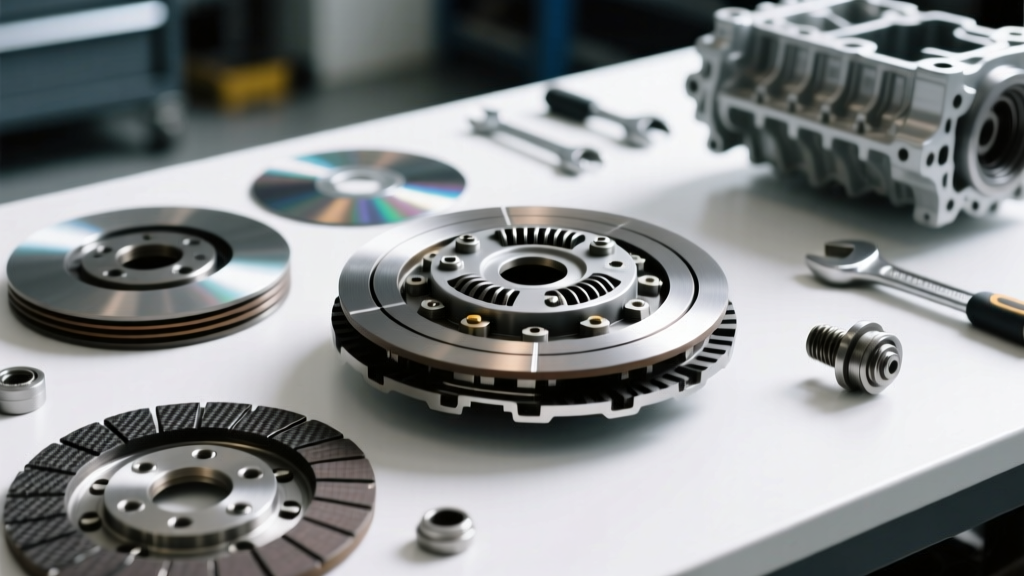
To understand wear indicators, you must first understand the material. Unlike organic clutches that utilize a woven fiberglass and Kevlar matrix bonded with phenolic resins, cerametallic (often referred to as sintered iron or sintered copper) discs are manufactured through powder metallurgy. Metallic powders are compressed under extreme hydraulic pressure and baked at temperatures exceeding 900°C, fusing them into a porous, high-density friction puck.
According to engineering data from Exedy Global, this sintered matrix yields a coefficient of friction (μ) between 0.38 and 0.45, compared to the 0.27-0.32 range of organic materials. This aggressive bite is ideal for high-torque applications (700+ lb-ft at the crank), but it fundamentally alters how the system wears. Cerametallic discs do not 'burn up' like organics; instead, they transfer extreme thermal shock to the mating surfaces, leading to unique failure modes that require specific diagnostic approaches.
Critical Wear Signs and Lifespan Indicators
Diagnosing a cerametallic clutch requires looking beyond simple friction material thickness. The lifespan of these systems is rarely dictated by the disc itself, but rather by the collateral damage inflicted on the flywheel and pressure plate.
1. Thermal Glazing vs. Sintered Porosity Loss
A healthy sintered puck should exhibit a rough, porous surface texture. When subjected to prolonged slip (such as repeated launch control events or excessive feathering in track traffic), the surface temperatures can momentarily exceed 1000°C. This causes the metallic binders to liquefy and pool on the surface, creating a glass-like glaze. Diagnostic Indicator: If a fingernail cannot catch on the surface pores of the puck, the friction material has thermally glazed. The coefficient of friction drops by up to 40%, resulting in high-RPM slip that feels identical to a worn organic disc, even if the puck thickness is well within spec.
2. Flywheel Heat Checking and Runout
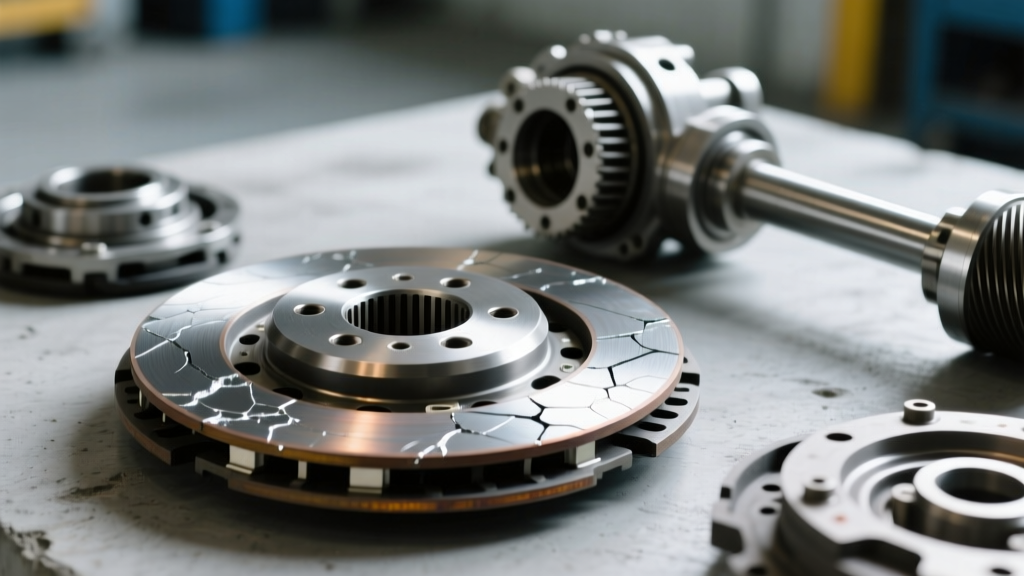
Because cerametallic pucks lack the thermal dampening properties of organic facing, they transfer heat directly into the chromoly or billet steel flywheel. This rapid heating and cooling cycle causes 'heat checking'—a network of micro-fissures on the flywheel friction surface. While minor heat checking is acceptable in dedicated drag applications, it is a critical failure point for street/track cars. Furthermore, the extreme clamping forces (often exceeding 3,200 lbs of plate load) combined with thermal shock can induce flywheel runout.
Engineering Maxim: Never machine a chromoly flywheel past the manufacturer's minimum thickness specification (typically 0.850 inches for standard V8 applications). Removing material alters the diaphragm spring geometry, reducing clamp load and causing premature release bearing failure.
3. Hub Spline Galling and Maraging Steel Fatigue
The aggressive engagement of a sintered clutch transmits massive shock loads through the disc hub splines. A primary lifespan indicator is the condition of the hub-to-input-shaft interface. If the clutch has been subjected to severe drivetrain shock (e.g., 7,000 RPM clutch-drops), the steel splines will gall and deform. This causes the disc to bind on the input shaft, preventing full disengagement and leading to gear crunching, which amateurs often misdiagnose as a failing hydraulic master cylinder.
Visual Diagnostics: Analyzing Engagement Footage
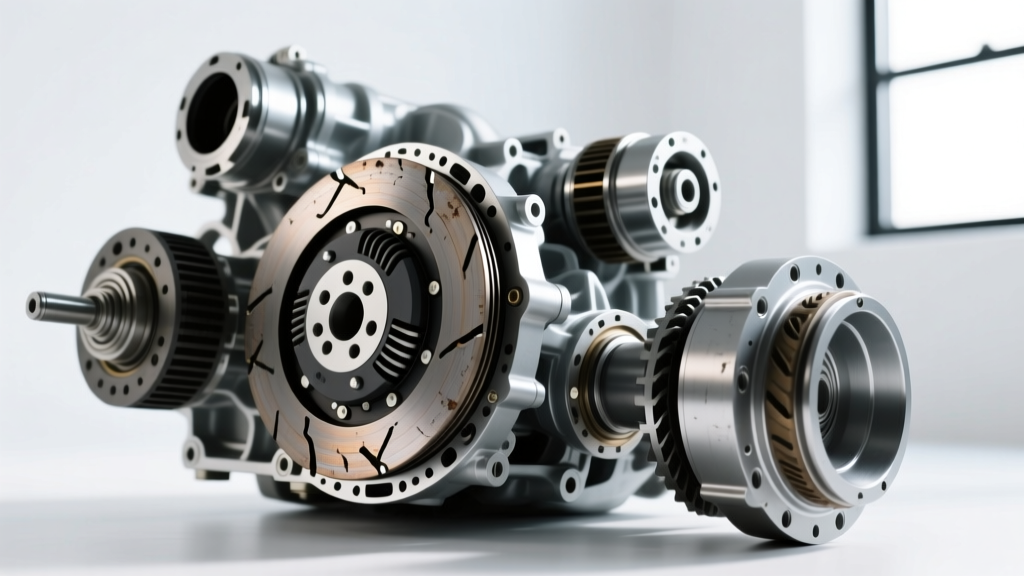
While the aforementioned 'carmella clutch videos' search anomaly yields useless results, analyzing actual high-speed telemetry and visual diagnostics of cerametallic engagement is crucial for modern tuning. When reviewing slow-motion footage of a sintered twin-disc setup (such as a Tilton 7.25-inch carbon/ceramic hybrid), engineers look for 'strap drive fatigue.' The thin steel straps connecting the pressure plate to the flywheel flex during engagement. Over 10,000 track miles, these straps undergo work-hardening and develop stress fractures at the rivet points. Visual inspection requires removing the inspection cover and using a borescope with 1000-lumen illumination to check for micro-cracking on the strap edges.
Comparative Friction Data and Thermal Thresholds
Understanding where cerametallic materials sit in the broader friction hierarchy helps in diagnosing whether a system is operating outside its intended thermal window.
| Friction Material | Peak Temp Limit | Coefficient of Friction (μ) | Engagement Characteristic | Avg Track Lifespan |
|---|---|---|---|---|
| Organic / Kevlar | 250°C | 0.27 - 0.32 | Smooth, progressive | 20k - 30k miles |
| Cerametallic (Sintered) | 800°C | 0.38 - 0.45 | Aggressive, high bite | 8k - 15k miles |
| Carbon-Ceramic | 1200°C | 0.45 - 0.55 | Extremely abrupt | 5k - 10k miles |
Note: Lifespan metrics are highly variable and depend on clamping force, vehicle weight, and driver modulation. Data synthesized from ZF Sachs Performance technical bulletins.
Hard Specs: Torque, Clearances, and 2026 Pricing
As of 2026, the integration of hybrid-assisted manual transmissions (like the latest e-clutch assist systems seen in niche performance platforms) places unique parasitic drag variables on traditional sintered setups. Proper installation and diagnostic tolerances are more critical than ever.
- Friction Disc Thickness: New sintered pucks typically measure 0.315" (8.0mm). The absolute wear limit is 0.236" (6.0mm). Use a micrometer, not calipers, to measure the puck excluding the backing plate.
- Flywheel Step Height: For twin-disc cerametallic setups, the step height between the flywheel friction surface and the intermediate floater plate mounting surface must be within ±0.002" of the manufacturer spec (commonly 0.400" to 0.430"). Incorrect step height causes the intermediate plate to bind, resulting in severe clutch drag.
- Fastener Torque Specs: When reinstalling a chromoly flywheel using ARP 200-2804 (M10x1.5) fasteners, you must use ARP Ultra-Torque lubricant. The target torque is 90 ft-lbs. Do not reuse torque-to-yield (TTY) OEM bolts with an aftermarket sintered setup; the clamping load variance will lead to flywheel warping under thermal stress.
- Replacement Costs: A premium cerametallic twin-disc assembly (e.g., Exedy Hyper Twin or Tilton ST-200) ranges from $1,800 to $2,800 in 2026. Resurfacing a billet/chromoly flywheel, provided it is above minimum thickness, costs between $150 and $250. If the flywheel is heat-checked beyond salvage, replacement billet units run $600 to $1,100.
Conclusion: Proactive Drivetrain Management
Ignoring the algorithmic noise of internet search typos and focusing on hard metallurgical data is the only way to accurately diagnose a high-performance clutch system. Cerametallic clutches do not fail gracefully; they operate perfectly until the flywheel cracks, the hub splines gall, or the pressure plate straps snap. By monitoring friction surface porosity, verifying flywheel step heights with precision machinist tools, and adhering to strict torque specifications, you can maximize the lifespan of your sintered setup and keep your drivetrain firmly planted on the tarmac.
For further technical documentation on powder metallurgy friction materials and diaphragm spring load curves, refer to the engineering archives at Tilton Engineering and your specific transmission manufacturer's service manual.