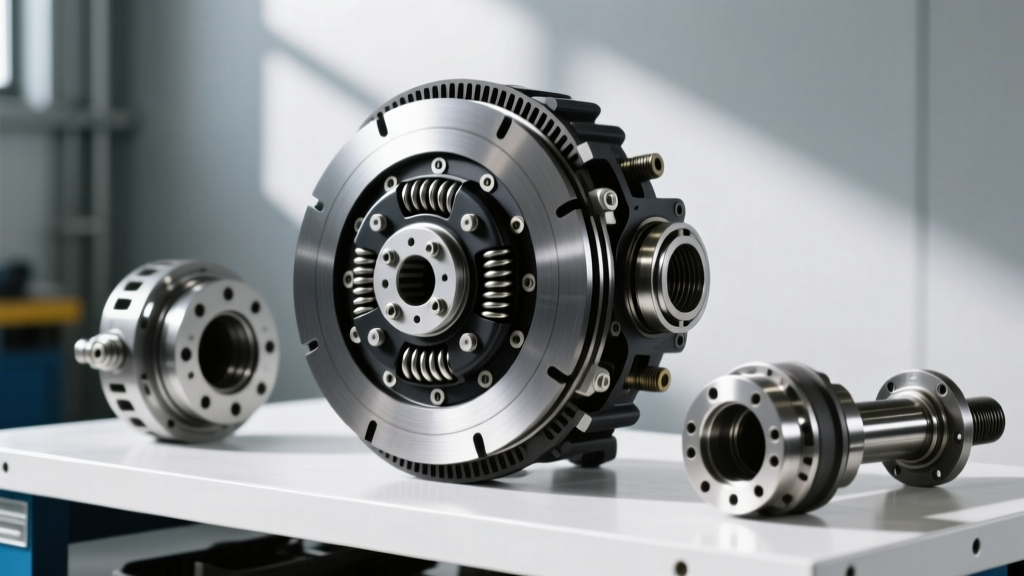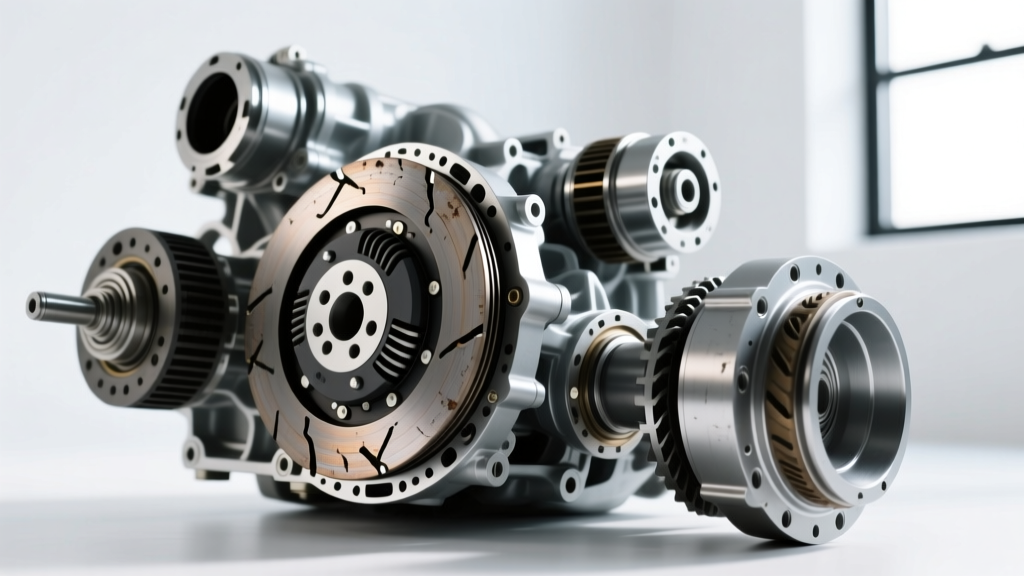
The Carmella Clutch Stepmom Bracket: Understanding Post-Replacement Failures
In the custom engine swap and drivetrain fabrication community, the Carmella clutch stepmom kit is a niche but highly regarded solution. Specifically designed to correct clutch master cylinder pushrod geometry when mating heavy-duty manual transmissions—such as the Tremec T56 Magnum or TR-6060—to non-native chassis like the Nissan S-chassis, Mazda Miata, or classic GM A-bodies. The 'stepmom' designation refers to the bracket's dual-plane, stepped mounting architecture that bridges the factory firewall to an aftermarket Wilwood or Tilton master cylinder, ensuring a straight pushrod stroke.
However, when a clutch assembly is replaced, the hydraulic geometry inherently changes. If the Carmella Stepmom bracket is not re-indexed, or if the pushrod length is not adjusted to account for the new clutch disc's wear compensator and pressure plate finger height, severe post-repair symptoms emerge. In 2026, with shop labor rates averaging between $150 and $185 per hour, a botched post-replacement adjustment can turn a routine clutch swap into a financial nightmare. This guide breaks down the exact costs, diagnostic procedures, and mechanical realities of fixing clutch problems after a Carmella Stepmom kit installation.
Diagnostic Cost Matrix: Symptoms and Financial Impact
Identifying whether your post-replacement clutch issue is a simple hydraulic bleed problem or a catastrophic mechanical failure caused by bracket misalignment is the first step in controlling costs. Below is a breakdown of common symptoms, their root causes related to the stepmom bracket, and the estimated 2026 repair costs.
| Post-Repair Symptom | Root Cause (Carmella Bracket Related) | Required Fix | Estimated Cost (Parts + Labor) |
|---|---|---|---|
| Chatter on Engagement | Pushrod pre-load due to unadjusted stepmom bracket; clutch never fully engages. | Bracket re-indexing, pushrod adjustment, hydraulic bleed. | $350 - $550 |
| Slipping at High RPM | Incomplete engagement causing Concentric Slave Cylinder (CSC) over-extension and disc glazing. | Transmission R&R, new clutch disc, flywheel resurfacing. | $1,800 - $2,600 |
| Hard or Dead Pedal | Crushed hydraulic line or binding pushrod at the bracket firewall pass-through. | Replace AN4 hydraulic line, flush DOT 4 fluid, bleed system. | $250 - $400 |
| Pedal Vibration / Noise | Firewall flex due to missing bracket reinforcement plate or improper torque. | Install firewall reinforcement plate, re-torque to spec. | $150 - $250 |
Labor vs. Parts: The True Cost of a Transmission Redo
When post-replacement clutch slipping occurs due to improper Carmella stepmom bracket adjustment, the friction disc is often glazed beyond repair. This necessitates pulling the transmission again. According to installation guidelines from Tremec, removing and reinstalling a T56 Magnum requires careful alignment of the input shaft and bellhousing, a labor-intensive process.
Let us break down the financial impact of a full redo for a typical LS-swapped vehicle using a premium aftermarket clutch:
- Shop Labor (R&R Transmission): 7.5 hours at $165/hr = $1,237.50
- Replacement Clutch Kit: McLeod Street Twin (Part #7521607) = $1,150.00
- Flywheel Resurfacing/Machining: GM LS 8-bolt flywheel = $175.00
- Hydraulic Line & Fluid: AN4 braided line + Motul RBF 600 DOT 4 = $110.00
- Total Redo Cost: $2,672.50
As noted by parts retailers like Summit Racing Equipment, the price of high-performance twin-disc clutches has stabilized in 2026, but labor costs continue to climb. This makes the initial setup of the Carmella Stepmom bracket absolutely critical to avoid paying for a secondary transmission removal.
Hydraulic System Complications and the CSC Factor
Modern manual swaps frequently utilize a Concentric Slave Cylinder (CSC) or a heavily modified external slave setup. The Carmella Stepmom bracket alters the mechanical advantage and stroke length of the master cylinder. If a mechanic replaces the clutch but fails to measure the new pressure plate's finger height, the pushrod may be set too long. This creates a 'pre-load' scenario where the clutch is never allowed to fully engage, leading to rapid friction material degradation and severe chatter.
Conversely, if the pushrod is too short, the CSC may not travel far enough to disengage the clutch, resulting in grinding gears and difficulty shifting into first or reverse. Adjusting the pushrod on a stepped firewall bracket requires loosening the clevis locknut, threading the rod, and re-measuring the stroke. A proper hydraulic bleed using a pressure bleeder at 15-20 PSI is mandatory, as the stepped geometry of the bracket can create micro-air pockets in the master cylinder reservoir if the firewall is not perfectly plumb.
Precision Torque Specs and Installation Checklist
To prevent firewall flex and pushrod binding—two primary culprits of post-replacement clutch problems—fabricators and mechanics must adhere to strict torque specifications. According to technical bulletins from McLeod Racing, hydraulic alignment is just as critical as mechanical alignment. Use the following checklist during installation or post-repair diagnostics:
- Stepmom Bracket to Firewall (M8x1.25 bolts): 18 lb-ft (24 Nm) with medium threadlocker (Loctite 243).
- Pushrod Clevis Locknut: 22 lb-ft. Ensure the clevis pin has zero lateral play.
- Pressure Plate to Flywheel (GM 8-bolt pattern): 35 lb-ft in a strict star pattern to prevent hat distortion.
- Bellhousing to Engine Block: 35-50 lb-ft (verify specific Tremec or QuickTime bellhousing requirements).
- Master Cylinder Mounting Nuts: 12 lb-ft. Over-torquing will warp the Wilwood/Tilton reservoir mount.
Expert Diagnostic Tip: If you experience clutch chatter immediately after a replacement, do not immediately assume the flywheel was machined poorly. Place a dial indicator on the firewall near the Carmella Stepmom bracket. Have an assistant depress the clutch pedal. If the firewall deflects more than 0.030 inches, the bracket is pulling against the sheet metal, altering the pushrod stroke dynamically. Install a reinforced firewall backing plate before condemning the clutch assembly.
When to Demand a Warranty Redo
If you paid a professional shop for a clutch replacement and you are experiencing slipping, chatter, or engagement issues within the first 500 miles, the burden of proof lies in the installation data. Many shops are unfamiliar with the nuanced geometry of custom swap brackets like the Carmella Stepmom kit. They may treat it as a standard OEM firewall mount, ignoring the required pushrod stroke adjustments dictated by the new clutch disc's wear compensator.
Before authorizing a $2,500+ redo, demand that the shop measure the clutch pedal free-play and pushrod over-center travel. A properly adjusted Carmella Stepmom kit should yield approximately 1/8-inch to 1/4-inch of free-play at the pedal face before the master cylinder piston begins to move. If the shop cannot provide documentation of this measurement, you have strong grounds to demand a warranty correction at no additional labor cost. Understanding the intricate relationship between custom fabrication brackets, hydraulic geometry, and clutch mechanical tolerances is the only way to protect your wallet and your drivetrain in the modern swap era.