Introduction: The Triple-Disc Learning Curve
Upgrading to a high-performance Bully 3 disc clutch is a major milestone for diesel truck owners and high-horsepower manual transmission enthusiasts. Whether you are pairing it with a Dodge Ram G56 transmission or a Ford ZF S6-650, a multi-disc setup offers massive torque-holding capacity without requiring a leg-day workout to press the pedal. However, beginners often find themselves frustrated by mysterious clutch dragging, harsh engagement, or gear grinding. Understanding the physics of a triple-disc assembly is the first step toward mastering your drivetrain. In this beginner-friendly explainer, we will break down the exact mechanical and hydraulic reasons your Bully 3 disc clutch might be failing to engage or disengage properly, complete with real-world diagnostic steps and torque specifications.
Understanding the Triple-Disc Architecture
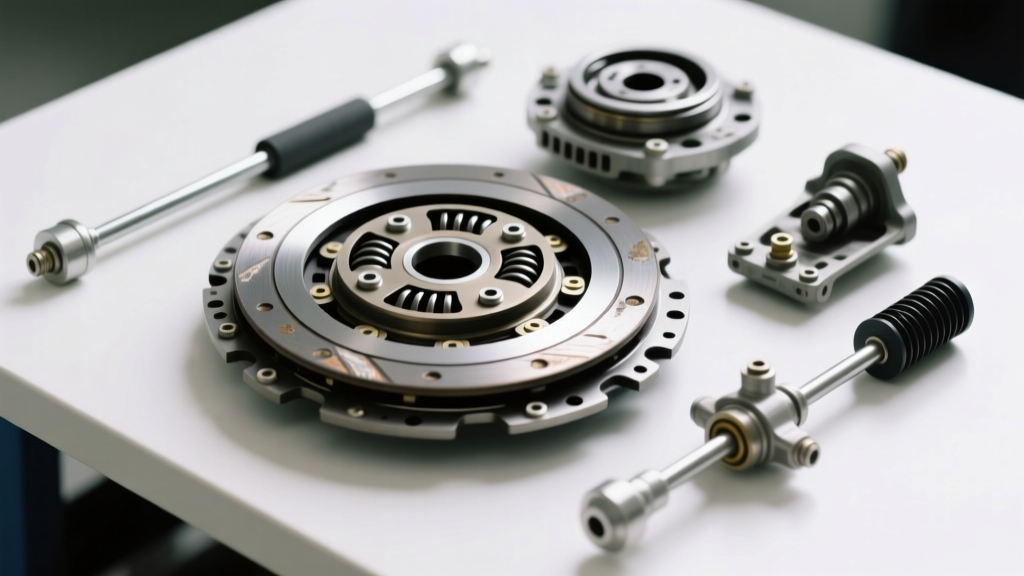
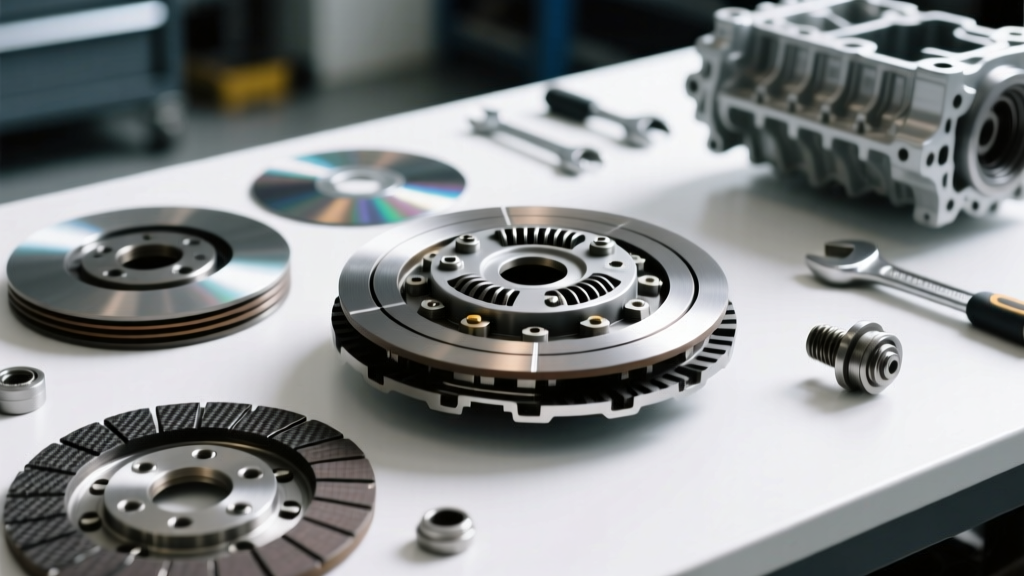
To diagnose a problem, you must first understand how a Bully 3 disc clutch differs from a standard single-disc organic setup. A traditional clutch uses one friction disc sandwiched between the flywheel and the pressure plate. A triple-disc clutch, however, utilizes three friction discs and two intermediate 'floater' plates.
Think of the floater plates like the meat in a multi-layer sandwich. When the clutch is engaged (pedal released), the massive clamp load of the pressure plate squeezes all three discs and two floater plates against the flywheel, locking the engine's rotation to the transmission input shaft. When you press the pedal to disengage, the pressure plate pulls back. In a perfectly functioning system, drive straps and anti-rattle springs pull the floater plates away from the friction discs, creating microscopic air gaps that allow the transmission input shaft to stop spinning. If those air gaps fail to materialize, you experience 'clutch drag,' making shifting into gear nearly impossible without grinding.
Diagnosing Disengagement Issues (Clutch Drag)
If your truck creeps forward when the pedal is fully depressed, or if you hear a violent grinding noise when trying to shift into first or reverse, your Bully 3 disc clutch is failing to disengage. Here are the primary culprits:
1. Floater Plate Hang-Up and Strap Failure
Multi-disc clutches rely on drive straps or anti-rattle tabs to retract the intermediate floater plates when the pressure plate lifts. If these straps are bent, improperly tensioned during manufacturing, or damaged by excessive heat, the floater plates will remain pressed against the friction discs. This keeps the transmission input shaft spinning even when the pedal is on the floor. While some high-end manufacturers use specialized anti-rattle springs to prevent this, aggressive driving and repeated hard launches can fatigue these components.
2. Pilot Bearing or Bushing Seizure
The pilot bearing sits in the center of the flywheel and supports the tip of the transmission input shaft. If this bearing lacks proper high-temperature grease or begins to seize, it creates rotational drag on the input shaft. Even if the Bully 3 disc clutch perfectly separates the friction surfaces, a seized pilot bearing will continue to spin the transmission shaft, causing gear clash. According to drivetrain experts on the Cummins Forum, replacing the factory pilot bushing with a sealed, high-temp ceramic or needle-bearing pilot assembly is a mandatory upgrade for any triple-disc conversion.
3. Hydraulic Fade and Concentric Slave Cylinder (CSC) Failure
Modern manual transmissions, particularly the G56 found in heavy-duty Rams, utilize a hydraulic Concentric Slave Cylinder (CSC) located inside the transmission bell housing. If the CSC develops an internal leak, or if air becomes trapped in the hydraulic lines, the clutch fork or release bearing will not travel far enough to fully compress the pressure plate diaphragm springs. A spongy pedal or a pedal that slowly sinks to the floor is a dead giveaway of hydraulic failure.
Troubleshooting Harsh Engagement and Chatter
Conversely, if your clutch disengages fine but engages with a violent shudder, a harsh 'on/off' feel, or aggressive chassis chatter, you are dealing with engagement issues.
Friction Material and Marcel Springs
Many Bully-style 3 disc clutches utilize aggressive ceramic or sintered iron friction pucks to handle 800+ lb-ft of torque. Unlike organic discs, ceramic pucks lack a 'marcel' spring—a wavy steel cushion riveted between the friction surfaces that provides a gradual, smooth engagement. Without a marcel spring, the clutch engages almost instantly. For beginners, this requires a delicate balance of throttle and pedal release. Furthermore, if the flywheel has hot spots or uneven wear, the rigid ceramic pucks will grab and release rapidly, causing severe drivetrain chatter.
Flywheel Step-Height Precision
When resurfacing or replacing a flywheel for a multi-disc clutch, 'step height' is the most critical measurement. Step height is the distance between the friction surface of the flywheel and the mounting pad where the pressure plate bolts down. According to engineering guidelines from South Bend Clutch, if the step height is off by even 0.005 inches, the clamp load distribution across the three discs will be uneven. This leads to premature wear on the outer discs and severe engagement shudder. Always have your flywheel measured with a dial indicator by a machine shop experienced in multi-disc diesel applications.
Critical Torque Specs and Measurement Data
Proper installation is non-negotiable for a triple-disc setup. Below is a reference table for common heavy-duty applications (such as the 5.9L/6.7L Cummins paired with a G56 or NV5600 transmission). Always verify with your specific manufacturer's documentation, but these are the industry-standard baselines for high-performance clutch installations.
| Component / Procedure | Specification / Estimated Cost |
|---|---|
| Flywheel to Crankshaft Bolts | 130 lb-ft + 90-degree turn (Yield bolts) |
| Pressure Plate to Flywheel | 35 - 45 lb-ft (Star pattern sequence) |
| Flywheel Step Height Tolerance | +/- 0.005 inches from OEM spec |
| Clutch Fork Pivot Ball Torque | 25 - 30 lb-ft (with threadlocker) |
| Bully 3-Disc Kit Replacement Cost | $1,400 - $2,400 (Parts only) |
| Billet Hydraulic Master/Slave Upgrade | $450 - $850 |
| Flywheel Machining & Balancing | $150 - $350 |
Hydraulic Upgrades and Bleeding Procedures
If you have ruled out mechanical binding and verified your flywheel step height, your disengagement issues likely stem from the hydraulics. The factory plastic master cylinders and rubber flex lines are notorious for expanding under the high line pressure required to actuate a heavy-duty triple-disc pressure plate.
Upgrading to a billet aluminum master cylinder and a stainless-steel braided flex line eliminates hydraulic expansion, ensuring that 100% of your pedal travel is translated into movement at the release bearing. When bleeding the system, gravity bleeding is rarely sufficient for a multi-disc setup. You must use a pressure bleeder set to 15-20 PSI, forcing fresh DOT 4 or DOT 5.1 fluid from the master cylinder down through the slave. For transmissions with an internal CSC, such as those documented by ZF Group in their commercial manuals, cycling the pedal slowly 20 to 30 times after the initial pressure bleed is required to purge micro-bubbles trapped inside the bell housing.
Final Thoughts for the Beginner
Transitioning to a Bully 3 disc clutch transforms your vehicle into a torque-monster, but it demands respect and precision. By understanding the delicate interplay between floater plates, hydraulic pressure, and flywheel step heights, you can confidently diagnose whether your engagement issues are a simple hydraulic bleed problem or a sign of internal mechanical wear. Keep your pedal free-play adjusted to the manufacturer's exact millimeter specifications, invest in high-temperature synthetic fluids for your transmission, and never ignore the early signs of clutch drag before they damage your synchronizers.