The Architecture of the C6 Hydraulic Clutch System
The Chevrolet C6 Corvette (2005–2013) represents a high-water mark for analog sports car engineering, particularly when equipped with a manual transmission. Whether your C6 is mated to the early Tremec T56 (2005–2007) or the robust Tremec TR6060 (2008–2013), the hydraulic clutch actuation system is a critical, yet frequently overlooked, maintenance item. As of 2026, the vast majority of C6 Corvettes are well over a decade old, meaning the original hydraulic components are operating on borrowed time.
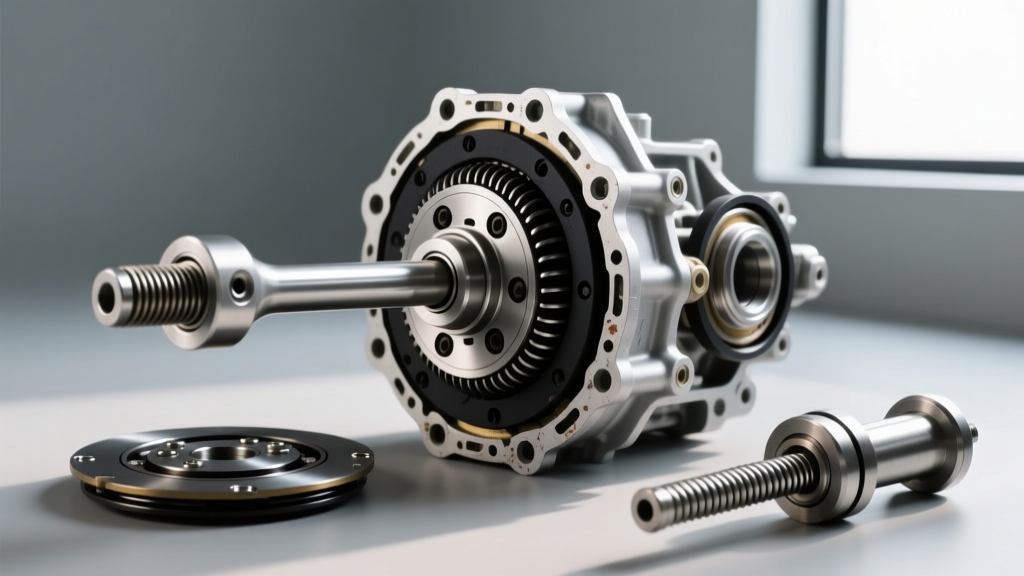
Unlike older vehicles with dedicated clutch master cylinder reservoirs, the C6 Corvette utilizes a shared fluid architecture. The clutch master cylinder, mounted on the firewall, draws its c6 corvette clutch fluid directly from the brake master cylinder reservoir via a small take-off hose. This fluid travels through a series of hard lines and flexible hoses routed along the torque tube, ultimately actuating a Concentric Slave Cylinder (CSC) located inside the bellhousing. Because the CSC rides directly on the transmission input shaft bearing retainer, any fluid leak or internal seal failure requires transmission removal—a labor-intensive job costing between $1,200 and $1,800 at independent specialty shops.
C6 Corvette Clutch Fluid Specifications & Degradation
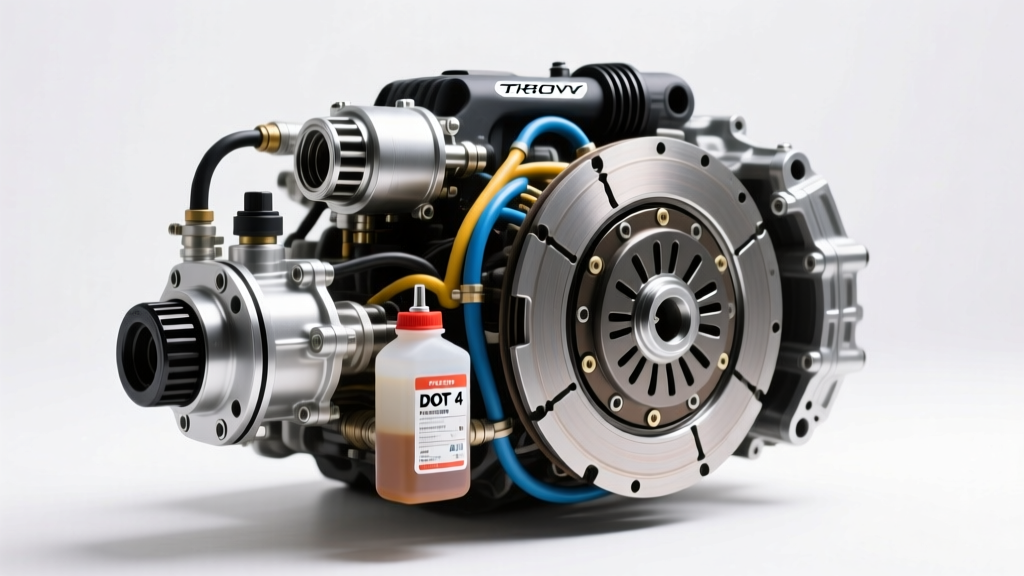
General Motors specifies DOT 4 brake fluid for the C6 Corvette hydraulic system (GM Part Number 19299818 or ACDelco equivalent). DOT 4 is a glycol-ether-based fluid that is inherently hygroscopic, meaning it absorbs moisture from the atmosphere over time. This moisture absorption drastically lowers the fluid's boiling point and promotes internal corrosion within the master and slave cylinders.
For track-driven C6s or those operating in high-humidity environments, upgrading to a high-performance DOT 4 fluid with a higher dry boiling point is highly recommended. Below is a comparison of standard and performance fluid specifications relevant to the C6 platform.
| Fluid Specification | Dry Boiling Point (Minimum) | Wet Boiling Point (Minimum) | Best Application |
|---|---|---|---|
| Standard DOT 4 (OEM) | 446°F (230°C) | 311°F (155°C) | Daily driving, street use |
| High-Perf DOT 4 (e.g., Motul RBF 600) | 593°F (312°C) | 420°F (216°C) | Track days, autocross, aggressive driving |
| DOT 5.1 | 518°F (270°C) | 374°F (190°C) | Alternative street/track (Requires full flush) |
Note: Never use DOT 5 (silicone-based) fluid in a C6 Corvette. It is not compatible with the GM hydraulic seals and will cause catastrophic system failure.
The Technical Inspection Checklist
Performing a thorough clutch system inspection checklist requires more than just glancing at the brake fluid reservoir. Follow this three-phase diagnostic protocol to evaluate the health of your C6's hydraulic actuation system.
Phase 1: Reservoir and Master Cylinder Evaluation
Because the clutch and brake systems share the same reservoir, understanding the internal architecture of the C6 brake master cylinder is crucial. The clutch take-off port is located slightly higher than the brake feed ports. This means that if the fluid level drops due to a minor brake leak or pad wear, the clutch system will draw air into the lines before the brakes are compromised.
- Fluid Level Check: Verify the fluid is at the 'MAX' line. If it is below the clutch take-off port threshold, air ingestion has likely occurred.
- Moisture Testing: Use a digital brake fluid moisture tester. If the water content exceeds 2.5%, a complete system flush is mandatory.
- Master Cylinder Pushrod: Inspect the clutch master cylinder pushrod under the dash. Ensure the retaining clip is secure and the pushrod is not binding or showing signs of lateral wear.
- Firewall Flex Test: Have an assistant depress the clutch pedal while you observe the master cylinder mounting point on the firewall. The C6 firewall is known to flex under heavy pedal pressure, which siphons off hydraulic stroke and results in a spongy pedal feel.
Phase 2: Hard Line and Fitting Integrity
The hydraulic line routes from the firewall, down the chassis, and alongside the torque tube to the bellhousing. This area is exposed to road debris, heat, and corrosive elements.
- Visual Trace: Inspect the entire length of the hard line for pitting, corrosion, or physical impact damage from road debris.
- Connection Points: Check the quick-connect fittings at the master cylinder and the transition hose near the torque tube. Look for weeping or crusty DOT 4 residue.
- Torque Tube Routing: Ensure the line is securely fastened in its retaining clips. A loose line vibrating against the torque tube will eventually wear through the steel casing, leading to sudden fluid loss and a stranded vehicle.
Phase 3: Concentric Slave Cylinder (CSC) Diagnostics
The CSC is the most vulnerable component in the C6 clutch system. Because it is enclosed within the bellhousing, direct visual inspection requires specialized tools or partial disassembly.
- Borescope Inspection: Remove the torque tube inspection cover (located on the top of the torque tube, secured by 12mm bolts). Insert an automotive borescope to visually inspect the CSC weep hole. Any sign of wetness, dark sludge, or active dripping indicates internal seal failure.
- Pedal Stroke Measurement: Measure the clutch pedal travel. The C6 requires approximately 11mm to 13mm of hydraulic stroke at the slave cylinder to fully disengage the clutch. If pedal feel is inconsistent or 'mushy' at the top of the stroke, the CSC internal spring or seals are failing.
- Acoustic Diagnostics: With the engine idling and the vehicle in neutral, lightly press the clutch pedal just enough to take up the free play (the 'preload' point). If you hear a high-pitched squealing or rattling noise that disappears when the pedal is fully depressed, the CSC bearing is worn and requires immediate replacement.
Diagnosing Hydraulic Symptoms vs. Mechanical Failure
Incorrectly diagnosing a hydraulic issue as a mechanical clutch failure is a common and expensive mistake. The Tremec TR6060 transmission utilizes advanced carbon-lined synchronizers. These synchros require absolute input shaft stoppage to engage smoothly. If the c6 corvette clutch fluid is aerated, or the CSC is not providing full stroke, the clutch will 'drag'.
A dragging clutch forces the TR6060 synchronizers to absorb the rotational energy of the engine, leading to rapid carbon dust shedding and premature synchro failure. According to transmission rebuild data shared on CorvetteForum C6 Tech, a significant percentage of reported 'grinding gear' issues in the TR6060 are actually rooted in degraded hydraulic fluid or a failing CSC, rather than worn synchronizers.
Diagnostic Rule of Thumb: If your C6 grinds specifically when shifting into 1st gear or Reverse while stationary, but shifts smoothly into 3rd or 4th gear while rolling, you have a hydraulic disengagement issue, not a mechanical synchronizer failure. Address the fluid and CSC before authorizing a transmission teardown.
Bleeding Protocols and Critical Torque Specifications
If your inspection checklist reveals air in the system, or if you are performing a routine 2-year fluid flush, proper bleeding protocols are non-negotiable. The C6 hydraulic line features a high point near the bellhousing that traps air, making standard manual pumping ineffective.
Recommended Bleeding Method: Use a pressure bleeder (such as a Motive Products Power Bleeder) set to 12-15 PSI. Open the CSC bleeder screw and allow the fluid to flow until it is completely free of micro-bubbles. For stubborn air pockets, the 'reverse bleeding' method—injecting fluid from the CSC bleeder valve up toward the master cylinder reservoir using a large syringe—is highly effective for the C6 platform.
Critical Torque Specifications:
- Clutch Master Cylinder Mounting Nuts: 10 Nm (89 lb-in)
- CSC Bleeder Screw: 8 Nm (71 lb-in) - Do not overtighten; the CSC housing is brittle.
- Torque Tube Inspection Cover Bolts: 12 Nm (106 lb-in)
- Bellhousing to Engine Block Bolts: 50 Nm (37 lb-ft) - If transmission removal is required for CSC replacement.
Adhering to this comprehensive clutch system inspection checklist will preserve the mechanical integrity of your Tremec transmission and ensure the precise, communicative pedal feel that defines the C6 Corvette driving experience. For further technical documentation on Tremec manual transmissions, refer to the official Tremec engineering resources and service manuals.