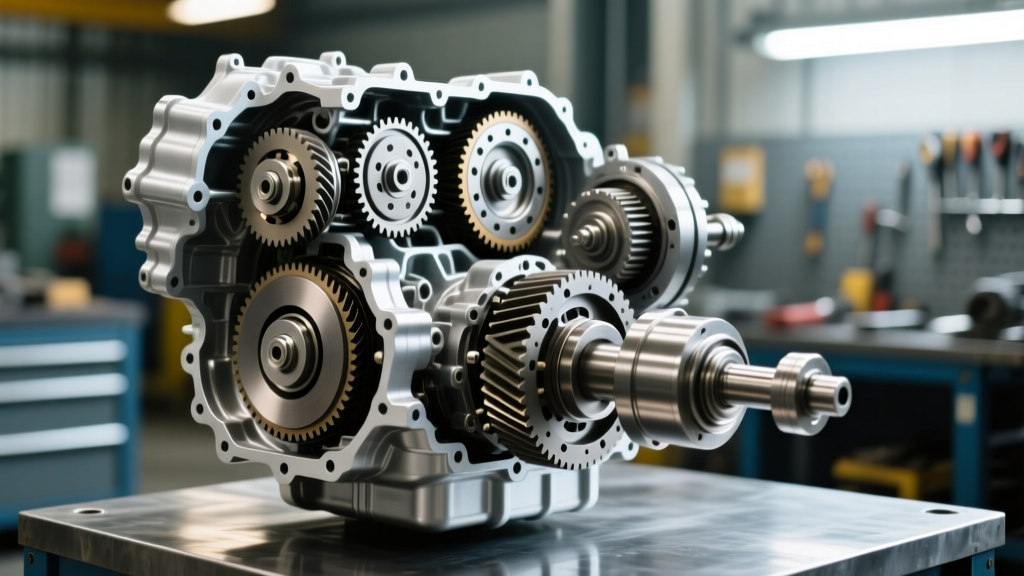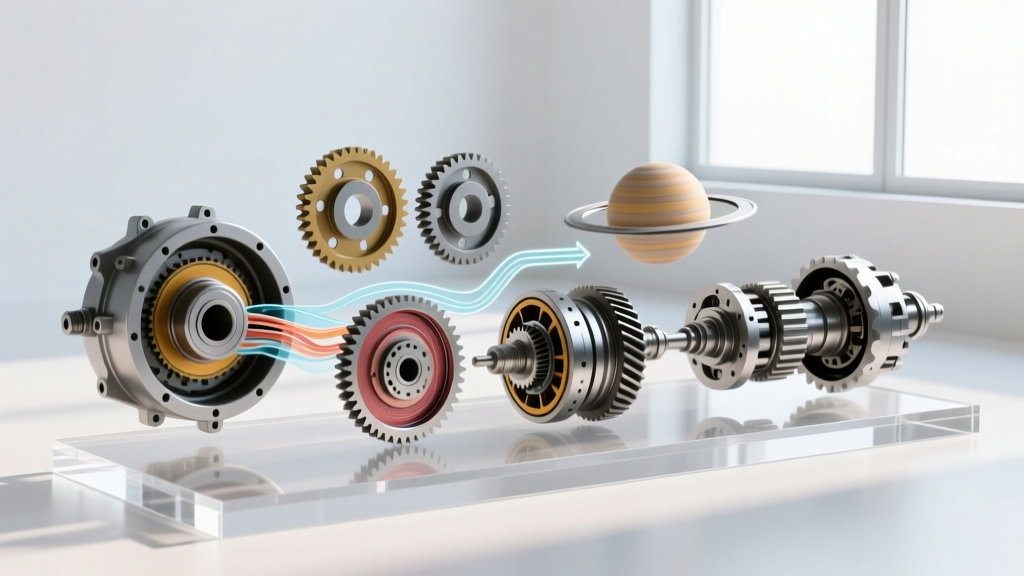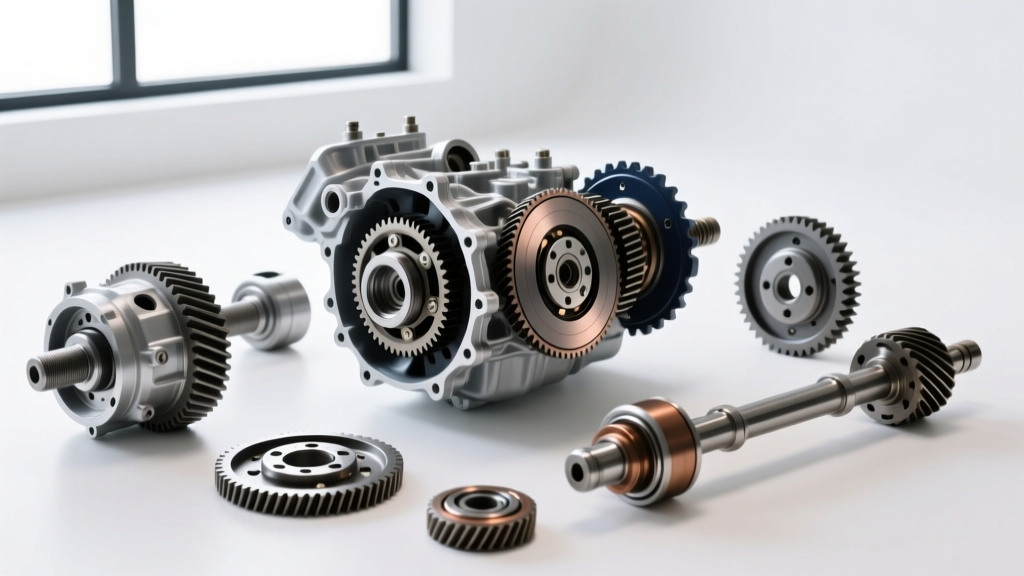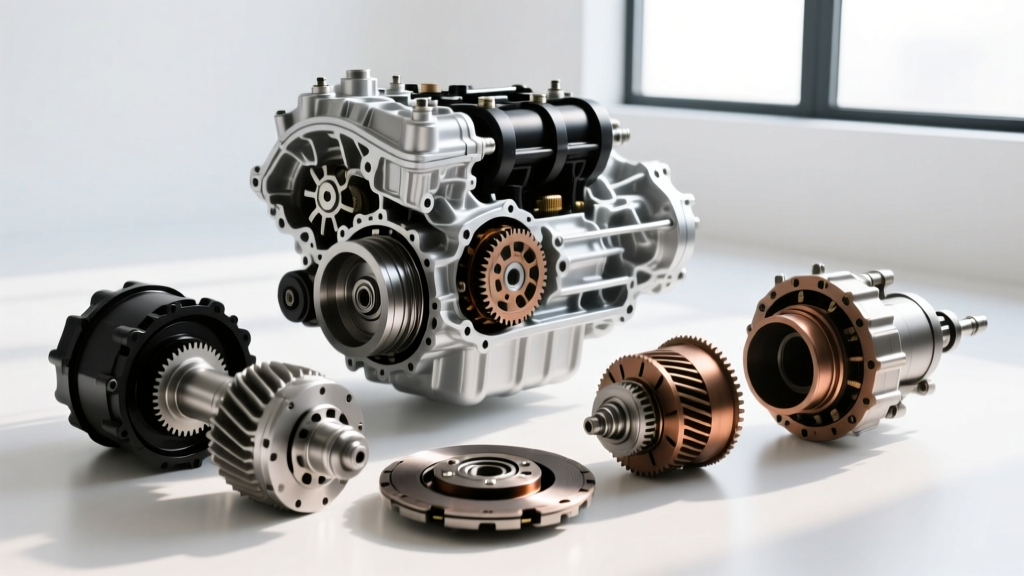
What Is a Car Transmission? The Drivetrain’s Master Translator
At its core, a car transmission is a mechanical torque multiplier and speed adapter. Internal combustion engines have a narrow power band—typically producing peak torque between 1,500 and 4,500 RPM—yet a vehicle must travel at speeds ranging from 0 to over 100 mph. The transmission bridges this gap. By utilizing varying gear ratios, it ensures the engine operates within its optimal efficiency and power range while delivering the correct amount of torque to the drive wheels.
In a manual transmission, the driver physically selects these ratios via a clutch and shift linkage. However, the modern automotive landscape is dominated by automatic transmissions. These complex electro-hydraulic marvels use pressurized fluid, planetary gearsets, and computer-controlled solenoid valves to shift gears seamlessly without driver intervention. But to truly understand how to maintain these intricate systems in 2026, we must first understand their origins.
Historical Context: When Was the Automatic Transmission Invented?
Many automotive history buffs ask, 'When was the automatic transmission invented?' The answer is not a single date, but rather an evolution of engineering. The first patent for an automated gearbox was filed in 1921 by Canadian engineer Alfred Horner Munro. His design used compressed air rather than hydraulic fluid, which ultimately resulted in a severe lack of commercial power and reliability.
The true birth of the modern hydraulic automatic occurred in 1939 when General Motors introduced the Hydra-Matic in Oldsmobile vehicles. This was the first mass-produced, fully automatic, hydraulic transmission. It utilized a fluid coupling (the precursor to the modern torque converter) and three forward gears. According to historical automotive archives, the Hydra-Matic was a massive success, fundamentally changing the driving experience and setting the stage for the complex 8-, 9-, and 10-speed units we see on the roads today.
The Maintenance Paradigm Shift: Early automatics like the GM TH350 or Powerglide were incredibly forgiving, often surviving hundreds of thousands of miles with minimal maintenance due to their large, simple hydraulic passages. Today's transmissions, such as the ZF 8HP or GM 10L90, feature microscopic mechatronic valve body clearances. Neglecting preventive maintenance on a modern unit will lead to catastrophic solenoid failure and clutch pack burnout long before the 100,000-mile mark.
Anatomy of Modern Automatics: Beyond the Basics
To perform effective preventive maintenance, you must understand the components you are protecting. Modern automatics rely on three primary subsystems:
1. The Torque Converter
The torque converter replaces the mechanical clutch found in manual cars. It consists of an impeller (driven by the engine), a turbine (connected to the transmission input shaft), and a stator (which redirects fluid flow to multiply torque). Modern converters also feature a Torque Converter Clutch (TCC) that mechanically locks the impeller and turbine together at cruising speeds to eliminate parasitic fluid slip and improve fuel economy. Degraded fluid causes TCC shudder, a common failure point in neglected vehicles.
2. Planetary Gearsets and Clutch Packs
Instead of sliding gears on a shaft, automatics use planetary gearsets comprising a sun gear, planet carrier, and ring gear. By holding specific components stationary using multi-disc clutch packs and brake bands, the transmission achieves different gear ratios. These clutch packs are lined with friction material that naturally wears down over time. Suspended friction material in old fluid acts like sandpaper, destroying the delicate bushings and bearings inside the gearbox.
3. The Mechatronic Valve Body
The valve body is the transmission's brain and nervous system combined. It houses the Transmission Control Module (TCM), pressure regulator valves, and shift solenoids. In units like the GM 6L80, the TEHCM (Transmission Electro-Hydraulic Control Module) is submerged directly in the transmission fluid. If the fluid overheats or becomes contaminated with metallic debris, the delicate sensors and solenoids within the TEHCM will fail, requiring a $600+ module replacement and a complete teardown to reprogram the pressure taps.
Preventive Maintenance Guide: Protecting Your Investment
The most pervasive myth in the automotive industry is the concept of 'lifetime transmission fluid.' In reality, 'lifetime' refers only to the duration of the manufacturer's warranty period. For long-term reliability extending past 150,000 miles, rigorous preventive maintenance is non-negotiable.
Fluid Selection: The Lifeblood of the Gearbox
Automatic Transmission Fluid (ATF) is not just a lubricant; it is a highly engineered hydraulic medium that must resist foaming, manage extreme heat, and provide precise friction coefficients for clutch engagement. Using the wrong fluid will cause immediate shift degradation and eventual failure.
- GM Dexron VI / ULV: Required for most GM 6-speed, 8-speed, and 10-speed units. (e.g., ACDelco Part # 10-9395).
- ZF LifeguardFluid 8: Specifically engineered for the ZF 8HP series found in BMW, Audi, Dodge, and Ram vehicles. Never substitute this with generic multi-vehicle ATFs.
- Motorcraft Mercon ULV: The mandatory fluid for Ford's 10R80 and 10L90 platforms.
Service Intervals and Real-World Costs
Below is a data table outlining the specific maintenance requirements for some of the most common modern transmissions on the road in 2026. Note that 'Service Capacity' refers to a standard drop-pan drain and fill, not a dry-fill rebuild capacity.
| Transmission Model | Common Applications | Fluid Type | Pan/Filter Part # | Service Capacity | Est. Dealer Cost |
|---|---|---|---|---|---|
| GM 6L80 / 6L90 | Silverado, Camaro, Corvette | Dexron VI | ACDelco 24236933 | 6.0 - 7.5 Quarts | $300 - $450 |
| ZF 8HP70 / 8HP90 | BMW 3/5 Series, Ram 1500 | ZF Lifeguard 8 | ZF 1087.298.367 | 5.5 - 7.0 Quarts | $450 - $700 |
| Ford 10R80 | F-150, Mustang, Explorer | Mercon ULV | Ford JK4Z-7A098-A | 6.5 - 8.0 Quarts | $350 - $500 |
Step-by-Step Drain and Fill: Torque Specs & Procedures
Modern transmissions rarely feature traditional dipsticks. Checking and filling the fluid requires a precise temperature-based procedure using an OBD2 scan tool and a vehicle lift.
GM 6L80/6L90 Procedure:
- Connect an OBD2 scanner capable of reading Transmission Fluid Temperature (TFT).
- Start the engine and cycle through all gears to fill the clutch packs and cooler lines.
- Monitor the TFT. The fluid must be between 86°F and 122°F (30°C - 50°C) for an accurate level check.
- With the engine running and the vehicle perfectly level, remove the fluid leveling plug located on the side of the transmission case (not the bottom drain plug).
- Allow excess fluid to drain until it slows to a steady drip.
- Reinstall the leveling plug and torque to 25 Nm (18 lb-ft).
- Reinstall the transmission pan. The pan bolts (M6x1.0) must be torqued to exactly 10 Nm (89 lb-in) in a star pattern to prevent cracking the plastic pan or warping the gasket.
ZF 8HP Procedure Note: As documented by ZF Aftermarket technical bulletins, the ZF 8HP utilizes a plastic oil pan with an integrated filter. The entire pan assembly must be replaced during a service. Furthermore, the ZF mechatronic adapter sleeve (Part # 1087.298.369) is prone to cracking and leaking coolant into the transmission valley. Preventive maintenance should include a visual inspection of this sleeve every 60,000 miles.
Common Failure Modes from Neglected Maintenance
Skipping a $300 fluid service will inevitably lead to exponentially higher repair bills. Here are the most common failure modes directly tied to poor maintenance:
- Valve Body Bore Wear: Abrasive clutch material suspended in old fluid acts as a lapping compound, wearing out the aluminum bores in the valve body. This causes pressure drops, leading to flared shifts and burnt clutches. (Common in early Ford 10R80s and Aisin units).
- Torque Converter Shudder: When the friction modifiers in the ATF break down, the TCC cannot apply smoothly. This results in a violent vibration at highway speeds, often misdiagnosed by novice mechanics as an engine misfire or bad U-joint.
- Solenoid Sticking: Micro-debris lodges in the mesh screens of the shift solenoids, causing them to stick open or closed. This triggers 'Limp Mode' and harsh 2-3 or 4-5 shift flares. For a deep dive into GM solenoid failures, Sonnax technical resources provide excellent diagnostic flowcharts.
Conclusion
Understanding what a car transmission is—and the rich history of when the automatic transmission was invented—gives you a profound appreciation for the engineering sitting beneath your center console. From the rudimentary air-driven concepts of the 1920s to the hyper-efficient, computer-controlled 10-speeds of 2026, the automatic transmission remains one of the most complex assemblies in your vehicle. Treat it with respect, adhere to strict preventive maintenance intervals, use only OEM-specified fluids, and your drivetrain will deliver hundreds of thousands of miles of seamless, reliable performance.