The Core Purpose: Torque Multiplication vs. Speed
For new car owners, the engine often gets all the glory, but the transmission is the unsung hero that makes driving possible. Internal combustion engines operate efficiently within a very narrow RPM band (typically between 1,500 and 6,500 RPM). If the engine were connected directly to the wheels, your car would top out at roughly 35 mph before the engine hit its redline, and it would lack the torque required to accelerate from a stop. So, how does a car transmission work to solve this physics problem? It acts as a dynamic torque multiplier and speed reducer.
By utilizing specific gear ratios, the transmission trades rotational speed for twisting force (torque) in lower gears to get the vehicle moving, and trades torque for rotational speed in higher gears for efficient highway cruising. Understanding this fundamental trade-off is the first step in mastering automotive drivetrain basics.
Inside the Black Box: The Anatomy of an Automatic Transmission
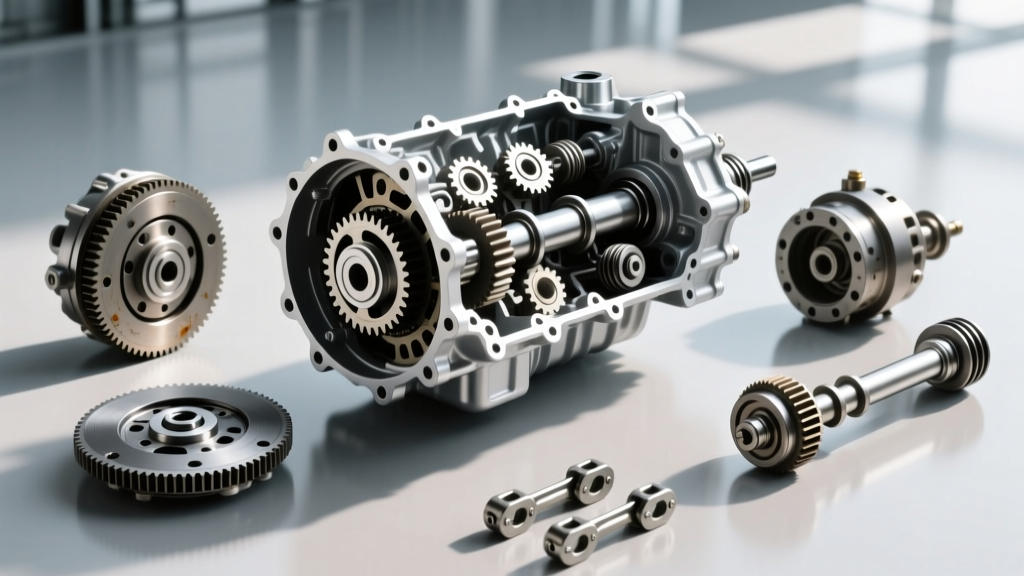
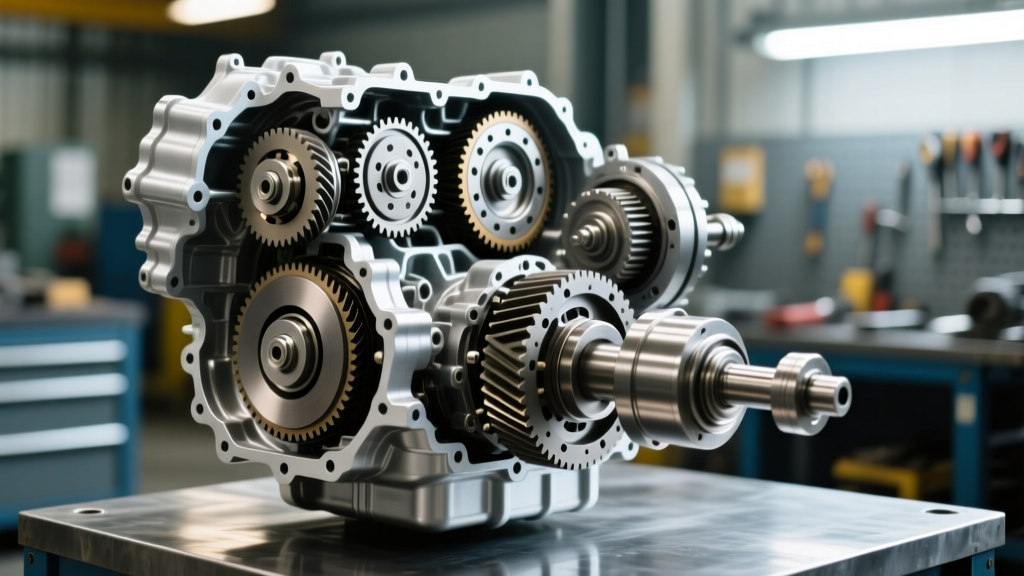
Modern automatic transmissions are marvels of fluid dynamics, metallurgy, and computer engineering. While manual transmissions rely on a driver-operated friction clutch and sliding synchronizers, automatics manage power transfer through a combination of fluid coupling and complex gear arrangements.
The Torque Converter: Fluid Coupling Explained
Instead of a mechanical friction clutch, traditional automatics use a torque converter. This fluid-filled donut sits between the engine's flexplate and the transmission's input shaft. It consists of three primary elements:
- The Impeller (Pump): Bolted directly to the engine, it spins at engine RPM, flinging transmission fluid outward via centrifugal force.
- The Turbine: Connected to the transmission input shaft, it catches the fluid thrown by the impeller, causing it to spin and drive the transmission.
- The Stator: Sitting between the impeller and turbine on a one-way clutch, the stator redirects returning fluid to multiply torque during initial acceleration (often achieving a 2:1 torque multiplication ratio).
Once the vehicle reaches cruising speed, the Torque Converter Clutch (TCC) engages. This friction plate mechanically locks the impeller and turbine together, eliminating fluid slippage and improving fuel economy by up to 5%.
Planetary Gearsets: The Magic of Automatic Shifting
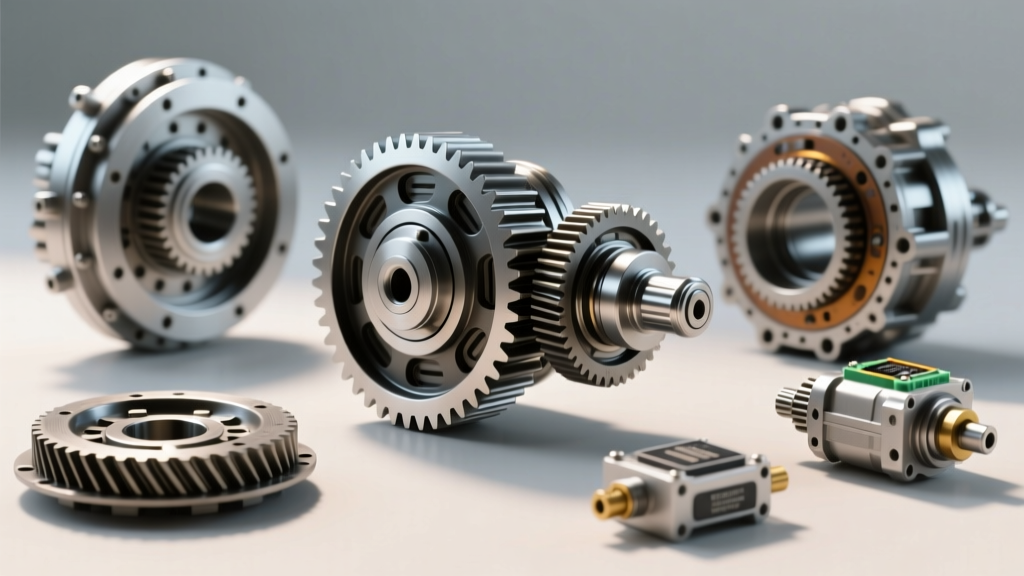
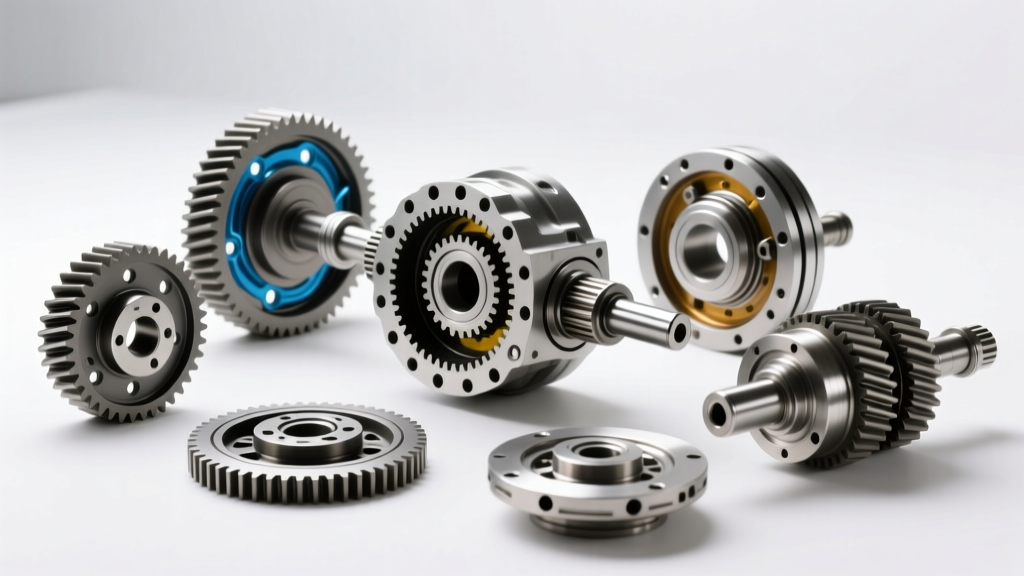
Unlike manual transmissions that use parallel shafts with sliding gears, automatics rely on epicyclic (planetary) gearsets. A single planetary set consists of a central sun gear, surrounded by planet gears mounted on a planet carrier, all enclosed within an internal ring gear.
By holding one component stationary, driving a second, and using the third as the output, the transmission can achieve forward reduction, direct drive, overdrive, and reverse without ever physically sliding gears out of mesh. Modern transmissions compound these sets. For example, the legendary ZF 8HP 8-speed automatic utilizes a Lepelletier gear arrangement—combining a simple planetary set with a Ravigneaux set—to achieve eight distinct ratios using only four gearsets and five shift elements (clutches/brakes).
Hydraulic Control and the Mechatronic Era
To actuate the clutches and bands that hold the planetary gearset components, the transmission uses pressurized hydraulic fluid. In older transmissions like the GM 4L60E, this was managed by a complex maze of mechanical valves, springs, and governor pressures. Today, this is handled by a Mechatronic Unit.
The mechatronic unit integrates the Transmission Control Module (TCM) directly into the valve body. It uses Pulse Width Modulated (PWM) solenoids to precisely control clutch apply rates in milliseconds. This allows modern transmissions to execute 'skip-shift' maneuvers (e.g., shifting directly from 8th gear down to 2nd gear during heavy braking) seamlessly. However, because the TCM is submerged in hot transmission fluid (often exceeding 140°C / 284°F under load), thermal degradation of the mechatronic sleeve and internal solder joints is a known failure point in high-mileage vehicles.
Real-World Maintenance: Fluid Specs and Torque Requirements
As a new car owner, knowing how your transmission works is only half the battle; maintaining it is the other. Transmission fluid (ATF) is not just a lubricant; it is a vital hydraulic medium and friction modifier. Using the wrong fluid can lead to catastrophic clutch pack failure within a few hundred miles. Below is a technical comparison of three ubiquitous modern and legacy transmissions.
| Transmission Model | Common Applications | Fluid Specification | Service Fill Capacity | Pan Bolt Torque Spec |
|---|---|---|---|---|
| GM 4L60E | Chevy Silverado, Camaro (1990s-2010s) | DEXRON VI | ~6.0 Quarts (Service) | 11 Nm (97 lb-in) |
| ZF 8HP70 | BMW F-Series, Dodge Charger, Audi | ZF LifeguardFluid 8 | ~8.5 Liters (Service) | 10 Nm (89 lb-in) (ZF specific pan) |
| Ford 10R80 | F-150, Mustang (2018-Present) | MERCON ULV | ~13.1 Quarts (Total) | 12 Nm (106 lb-in) |
Expert Warning: Never substitute MERCON ULV (Ultra Low Viscosity) with older MERCON V or LV fluids in a 10R80. The friction modifiers and viscosity profiles are entirely different, and incorrect fluid will cause immediate shift flares and torque converter shudder.
Troubleshooting Common Drivetrain Issues
Even with a solid understanding of transmission basics, issues can arise. Here are two common scenarios new owners face, backed by technical diagnostics:
1. Torque Converter Shudder (The 'Washboard' Effect)
If you feel a rhythmic vibration between 40-60 mph under light throttle, your TCC is likely slipping erratically. This is often caused by the degradation of friction modifiers in the ATF. Before condemning the torque converter (a $1,200+ repair), many drivetrain specialists recommend a fluid exchange combined with a friction modifier additive like Lubegard Platinum or Dr. Tranny Instant Shudder Fixx to restore the fluid's coefficient of friction.
2. ZF 8HP Mechatronic Sleeve Leaks
If you own a vehicle with a ZF 8-speed and notice fluid dripping from the bell housing area, or if the transmission enters 'limp mode' with low fluid warnings, inspect the mechatronic sealing sleeve (Part # ZF 0501 216 243). The plastic retaining tabs on this sleeve become brittle over time due to heat cycling, causing the electrical connector to leak ATF down the side of the transmission case. Replacing this $40 sleeve requires dropping the valve body and resetting the TCM adaptation values via an OBD2 bidirectional scanner.
Pro-Tip for New Owners: 'Lifetime' transmission fluid is a marketing term defined by the manufacturer's warranty period, not the mechanical lifespan of the vehicle. For optimal longevity, especially if you tow or drive in stop-and-go traffic, perform a drain-and-fill service every 50,000 to 60,000 miles. Always reference SAE International guidelines or your specific OEM service manual for exact procedures.
Summary: Respect the Drivetrain
Understanding how a car transmission work transforms you from a passive driver into an informed owner. By recognizing the immense hydraulic pressures, precise solenoid controls, and complex planetary physics occurring beneath your feet, you can make better maintenance decisions, diagnose early warning signs, and ensure your vehicle's drivetrain survives well past the 150,000-mile mark.