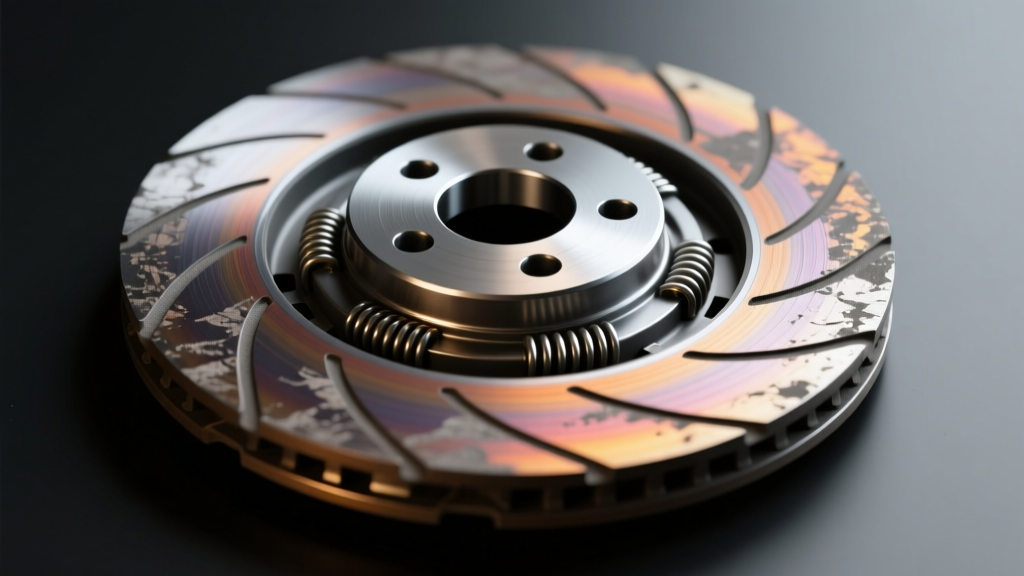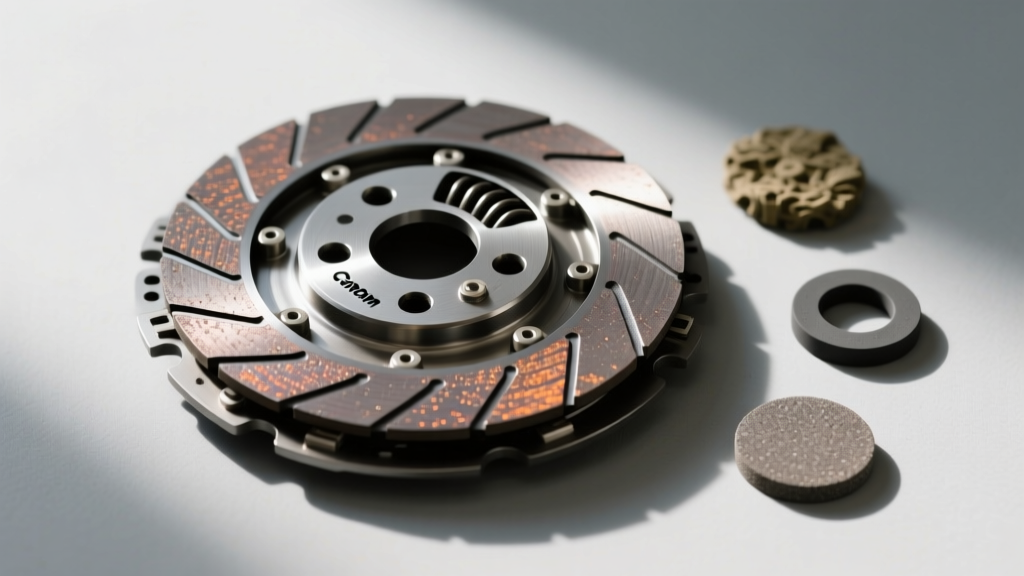
The Metallurgy of Friction: Organic vs. Ceramic vs. Sintered
When diagnosing drivetrain slip, chatter, or erratic engagement, the root cause almost always traces back to the friction material interface. As of 2026, advancements in powder metallurgy and composite resins have blurred the lines between street and off-road applications, but the fundamental physics of friction remain unchanged. Whether you are rebuilding a manual transmission or upgrading the wet-clutch systems in a heavy-duty UTV, understanding the distinct failure modes of organic, ceramic, and sintered clutch discs is critical for accurate symptom diagnosis.
Organic Friction Materials: The Baseline
Organic clutch discs are composed of a composite matrix of phenolic resins, fiberglass, carbon fiber, and Kevlar, bonded to a steel carrier. They are designed for progressive engagement, high marcel spring compliance, and smooth torque transfer. However, their thermal threshold is relatively low, typically degrading rapidly past 400°F (204°C).
- Common Symptoms of Failure: Glazing, shuddering under light load, and a distinct 'burnt toast' odor.
- Diagnostic Clue: Inspect the friction surface. If it appears glassy, shiny, and lacks porosity, the organic resins have melted and re-solidified, destroying the coefficient of friction.
Ceramic and Silicon Carbide Discs: The Track Specialist
Ceramic clutch discs utilize silicon carbide or aluminum oxide compounds sintered at extreme temperatures. They offer an aggressive bite and can withstand surface temperatures exceeding 800°F (426°C) without fading. The trade-off is a harsh engagement that frequently destroys flywheel surfaces and transmission input shafts if not paired with a heavy-duty dampening hub.
- Common Symptoms of Failure: Low-speed chatter, flywheel scoring, and marcel spring collapse.
- Diagnostic Clue: Look for gray or white abrasive dust around the bellhousing. Ceramic dust acts like lapping compound, accelerating wear on the flywheel mating surface.
Sintered Iron and Bronze: The Off-Road Workhorse
Sintered clutch discs are manufactured through powder metallurgy, where copper, iron, and graphite powders are fused under intense heat and pressure. This creates a highly porous, metallic friction surface that excels in both dry and wet (oil-bath) environments. Sintered bronze is the industry standard for wet AWD engagement clutches and PTO systems due to its ability to dissipate heat through surrounding fluids.
- Common Symptoms of Failure: Dragging when disengaged, groaning in wet baths, and carrier plate warping.
- Diagnostic Clue: Sintered discs rarely 'burn' in the traditional sense. Instead, they suffer from pore-clogging (in wet applications) or severe grooving that reduces the friction coefficient.
Symptom Diagnosis: Reading the Friction Matrix
Proper troubleshooting requires analyzing the physical evidence left behind by the failing clutch disc. Use the matrix below to cross-reference your symptoms with the likely material degradation.
| Friction Material | Primary Symptom | Dust / Residue Color | Common Failure Mode | Optimal Application |
|---|---|---|---|---|
| Organic | Slip under high torque | Black / Brown (Resin) | Thermal Glazing | Daily Driving, Light Trail |
| Ceramic | Engagement Chatter | Gray / White (Abrasive) | Flywheel Scoring | Drag Racing, Time Attack |
| Sintered Bronze | Wet Groaning / Drag | Metallic Sludge | Pore Clogging (Oil Breakdown) | AWD Clutches, Wet PTO |
| Sintered Iron | Harsh Engagement | Dark Metallic Flakes | Carrier Plate Warping | Heavy Towing, Mud Bogging |
Application Spotlight: The Can Am Outlander Clutch Kit
When enthusiasts search for a Can Am Outlander clutch kit, they are typically focused on CVT tuning—upgrading primary clutch weights, secondary helixes, and springs to optimize belt grip and backshift. However, a critical diagnostic blind spot occurs when the CVT is upgraded but the underlying friction disc systems are neglected.
The AWD Engagement Clutch Dilemma
The Can-Am Outlander (particularly the 850 and 1000R X mr models) utilizes an electronic or Visco-Lok AWD engagement system that relies on a wet clutch pack. These packs use sintered bronze friction discs interleaved with steel separator plates. When you install an aggressive Can Am Outlander clutch kit (such as those from Dalton Industries or EPI Engineering) to maximize torque transfer to the wheels, the sudden spike in drivetrain shock load frequently exposes weak, glazed, or worn sintered friction plates in the AWD engagement housing.
Diagnostic Scenario: Your Outlander 1000R has a new CVT clutch kit and a high-horsepower tune. Under heavy mud-load, the rear wheels spin, but the front end fails to engage or 'pops' in and out violently. This is rarely a CVT issue; it is a sintered friction disc failure in the AWD limiting clutch.
Troubleshooting the Outlander AWD Friction Pack
- Fluid Analysis: Drain the front differential and AWD engagement fluid. If the XPS Synthetic Gear Oil smells burnt or contains metallic bronze particulate, the sintered discs have degraded.
- Thickness Measurement: Remove the AWD clutch pack. Use a micrometer to measure the sintered friction discs. OEM specification for most Can-Am wet friction plates is 2.0mm, with a strict wear limit of 1.7mm. If they measure below 1.75mm, replacement is mandatory.
- Steel Plate Runout: Sintered discs generate immense localized heat. Check the steel separator plates for warping using a surface plate and dial indicator. Runout exceeding 0.005 inches (0.12mm) will cause clutch drag and premature wear on the new sintered discs.
Torque Specifications and Reassembly Best Practices
Whether you are installing a ceramic puck-style disc in a manual transmission or reassembling the wet sintered clutch pack in your Outlander, precision torque is non-negotiable. Improper clamping force leads to uneven material wear and immediate symptom recurrence.
Manual Flywheel and Pressure Plate Torque
For automotive applications utilizing ceramic or sintered iron discs, the flywheel must be perfectly resurfaced. Ceramic discs will not bed into a glazed flywheel; they will simply destroy it.
- Flywheel to Crank (ARP 200-2802 Bolts): Torque to 95 ft-lbs, then turn an additional 90 degrees. Always use a new torque-to-yield bolt or apply ARP Ultra-Torque assembly lubricant.
- Pressure Plate to Flywheel: Torque to 25 ft-lbs in a strict star pattern. Do not use impact wrenches, as uneven clamping will warp the pressure plate diaphragm, causing ceramic chatter.
Can-Am AWD Clutch Pack Reassembly
When servicing the wet sintered discs in a Can-Am off-road platform, the assembly environment must be meticulously clean. According to engineering guidelines published by SAE International regarding wet friction interfaces, microscopic debris trapped between sintered pores alters the hydrodynamic fluid film, leading to stick-slip chatter.
- Pre-Soaking: Always soak new sintered bronze friction discs in fresh XPS Synthetic oil for a minimum of 2 hours before installation. This ensures the porous metal is fully saturated, preventing dry-start scuffing upon initial engagement.
- Retaining Nut Torque: The AWD clutch retaining nut on the Outlander driveshaft must be torqued to exactly 110 ft-lbs (150 Nm) and secured with a new staked lock washer. Under-torquing allows axial play, which destroys the friction disc tabs.
Final Verification: The Break-In Protocol
The most common cause of 'warranty returns' on aftermarket clutch kits is improper break-in. Organic discs require 500 miles of stop-and-go driving to mate the resin to the flywheel. Ceramic discs require 5-10 aggressive, high-RPM slip engagements to bed the silicon carbide into the steel. Sintered wet discs, however, require immediate, moderate-load engagement to seat the metallic pores without generating flash-boiling in the fluid bath. By matching your diagnostic findings to the correct friction material—and respecting the engineering tolerances of your specific platform—you can eliminate drivetrain slip and maximize torque delivery for years to come.