The Unique Demands of the Air-Cooled Drivetrain
When classic automotive enthusiasts and transaxle builders search for an ac clutch kit, they are rarely looking for air conditioning compressor components. Instead, 'AC' in this high-performance context refers to Air-Cooled platforms—specifically the legendary rear-engine, rear-wheel-drive layouts of the Volkswagen Type 1/Type 4 and the Porsche 911/914. These drivetrains present unique inertial and parasitic challenges that standard front-engine, longitudinal clutch setups simply do not face.
As we move through 2026, the aftermarket support for air-cooled platforms has evolved significantly. Modern friction materials and chromoly flywheel manufacturing have allowed builders to push 2276cc VW strokers and 3.2L Porsche hot-rods well past 300 wheel-horsepower without sacrificing streetability. However, selecting the correct clutch disc, pressure plate, and flywheel mating combination requires a deep understanding of transaxle mainshaft clearances, gland nut torque dynamics, and release bearing geometries.
Anatomy of an Air-Cooled Clutch Assembly
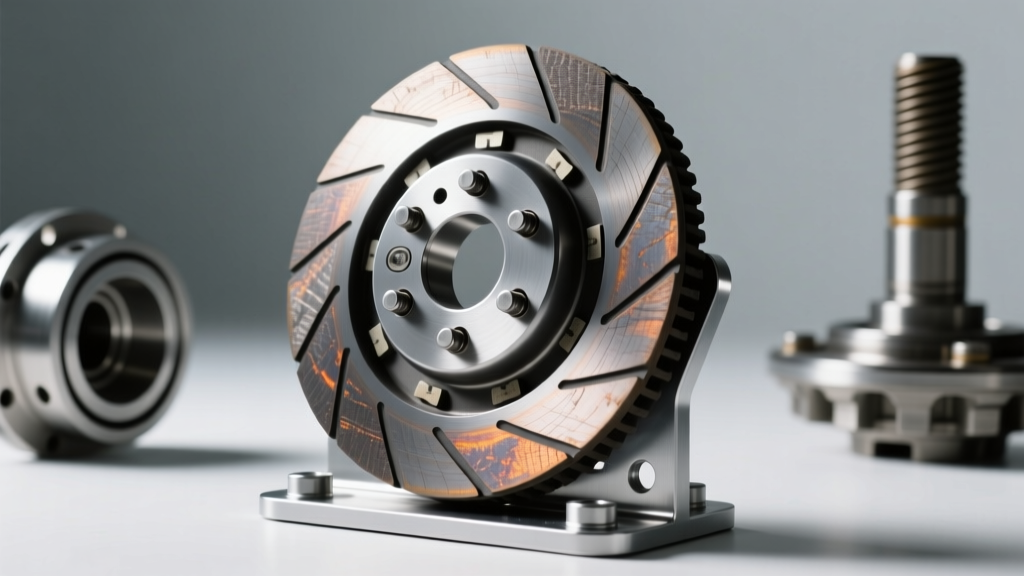
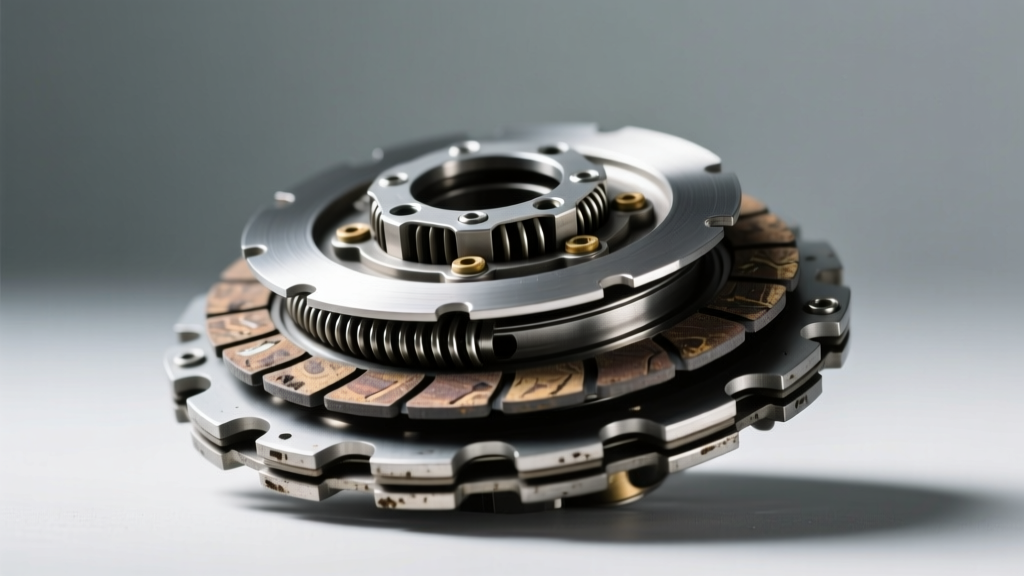
Unlike a conventional flywheel that bolts to a flat flange on a crankshaft, the VW Type 1 and early Porsche air-cooled engines utilize a tapered crankshaft snout secured by a massive gland nut. The flywheel itself serves as the primary thrust surface for the engine and houses the pilot bearing (or bushing) that supports the transaxle input shaft.
Step-Height and Disc Clearance
The most critical measurement when installing any AC drivetrain clutch kit is the 'step-height'—the distance from the flywheel friction surface to the pressure plate mounting surface. If a flywheel is resurfaced improperly, the step-height changes, altering the clamping load and the throwout bearing's resting position. For a standard 200mm VW application, the step-height should remain between 0.8mm and 1.2mm. Deviating from this spec will result in premature release bearing failure on the transaxle mainshaft collar.
Top Performance Selections for Specific Vehicles
VW Beetle, Karmann Ghia, and Bus (Type 1, 1600cc–2387cc)
For mildly built daily drivers (1600cc to 1915cc), the OEM-equivalent Sachs Performance kit (Part #881861999) remains the gold standard. It features an organic disc with heavy-duty torsional springs that absorb the harsh power pulses inherent to flat-four engines, protecting the transaxle's ring and pinion gears from shock-loading.
However, for high-torque stroker engines (2276cc and above) producing over 180 lb-ft of torque, the stock 200mm pressure plate will slip under boost or aggressive launches. Upgrading to a Kennedy Engineering Stage 2 or Stage 3 kit is mandatory. Kennedy utilizes a 210mm or 215mm sintered iron or cerametallic disc paired with a reinforced diaphragm pressure plate. Note: Upsizing to a 210mm disc requires machining the bellhousing of the VW transaxle to clear the outer diameter of the friction material.
Porsche 911 and 914 (1972–1986, 2.4L to 3.2L Carrera)
The Porsche 915 and early G50 transaxles require meticulous attention to the clutch fork pivot ball and release bearing collar. For a 1984 3.2L Carrera, the LuK RepSet (Part #04-079) provides OEM-level engagement and durability. But for track-focused builds running 3.4L big-bore kits, a SPEC Stage 2+ Kevlar composite disc offers the thermal stability required to survive repeated track-day launches without fading.
Friction Material Comparison for AC Platforms
Choosing the right friction material is paramount. Air-cooled engines lack the rotational mass of heavy cast-iron V8s, meaning the clutch disc must do more of the work in smoothing out engine vibrations. Below is a decision matrix for 2026 performance builds:
| Material Type | Coefficient of Friction | Torque Capacity | Driveability | Best Application |
|---|---|---|---|---|
| Organic (OEM) | 0.28 - 0.32 | Stock to +15% | Excellent | 1600cc-1915cc Daily Drivers |
| Kevlar / Aramid | 0.35 - 0.38 | +40% to +60% | Good (Requires break-in) | Autocross 914 / 2.7L 911 |
| Cerametallic | 0.40 - 0.45 | +80% to +120% | Poor (Aggressive bite) | 2387cc Drag / Turbo VW |
| Sintered Iron | 0.45+ | +150%+ | Very Poor (On/Off switch) | Porsche 935 / Tube-Frame Racing |
Critical Installation Torque Specs & Clearances
Failure to adhere to precise torque specifications in an air-cooled drivetrain will result in catastrophic engine or transaxle damage. Always use a calibrated torque wrench and new hardware.
- VW Type 1 Gland Nut: 253 lb-ft (343 Nm). This nut secures the flywheel to the crankshaft taper. If under-torqued, the flywheel will wobble, destroying the rear main seal and engine case. Always stake the lockplate securely.
- VW Pressure Plate Bolts (M8x1.25): 15 to 18 lb-ft. Use a star-pattern tightening sequence to ensure the diaphragm spring seats evenly against the disc.
- Porsche 911 Flywheel Bolts (M10x1.25): 59 lb-ft (80 Nm) plus 90 degrees (torque-to-yield). Must use new OEM Porsche bolts (Part #930-102-197-00) every time the flywheel is removed.
- Throwout Bearing Free Play: At the transaxle clutch fork, you must have exactly 2.0mm to 3.0mm of free play before the release bearing contacts the pressure plate fingers. Zero clearance will cause the bearing to spin constantly, leading to mainshaft collar grooving within 500 miles.
Common Pitfalls in Air-Cooled Drivetrain Swaps
The Pilot Bearing Oversight
In VW applications, the pilot bearing presses directly into the center of the chromoly or cast-iron flywheel. Many builders forget to freeze the bearing and heat the flywheel before installation, resulting in a crushed bearing race. If the pilot bearing seizes, it will snap the transaxle input shaft upon clutch disengagement. Always verify the input shaft spins freely with the transaxle mated to the engine and the clutch fully depressed.
Transaxle Alignment Dowels
Both VW and Porsche air-cooled engines rely on precision alignment dowels to mate the engine case to the transaxle bellhousing. If these dowels are missing, bent, or corroded, the transaxle will hang at a slight angle. This misalignment puts lateral stress on the clutch disc hub and the input shaft, causing severe vibration, premature spline wear, and eventual failure of the clutch disc's torsional springs. Clean the dowel bores with a brass brush and apply a thin layer of anti-seize before mating the drivetrain components.
Conclusion
Upgrading an air-cooled platform requires more than just bolting on a high-clamp-load pressure plate. By understanding the specific step-height requirements, selecting the appropriate friction material for your torque output, and strictly adhering to gland nut and flywheel torque specs, you can build a drivetrain that handles modern horsepower while retaining the analog feel these classic cars are famous for. Whether you are assembling a weekend-warrior VW Baja bug or a vintage Porsche 911 track car, investing in a high-quality, vehicle-specific AC drivetrain package is the only way to ensure longevity and performance on the street or strip.