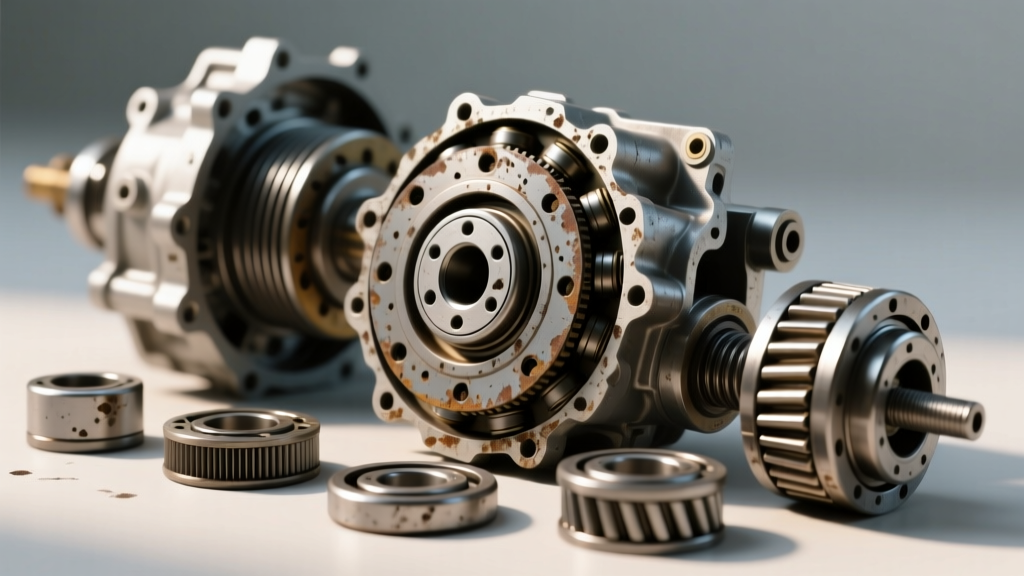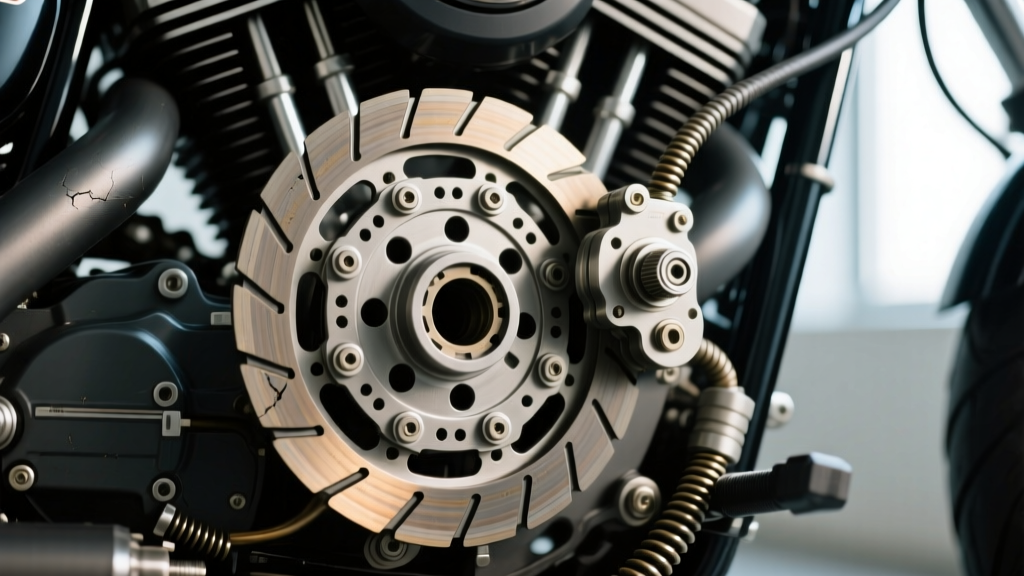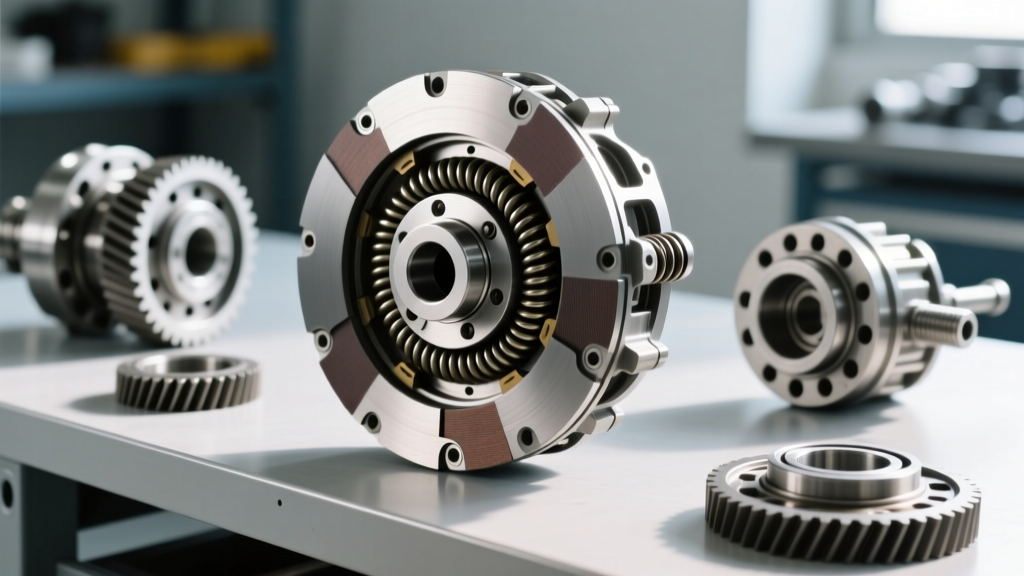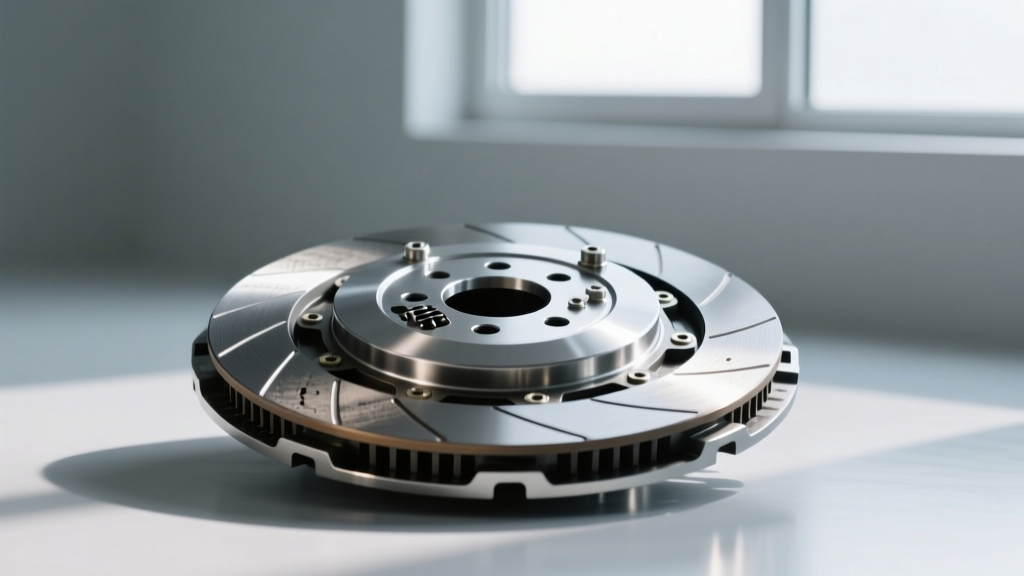
There are few odors more alarming to a manual transmission driver than the acrid, unmistakable stench of a burning clutch. Often described as a cross between burnt toast, ozone, and harsh chemical smoke, this scent is the direct result of friction material exceeding its thermal limits. In modern 2026 automotive diagnostics, a clutch burning smell is not just a nuisance; it is a critical warning sign of systemic failure within the drivetrain. Whether you are driving a daily commuter with a VW MQB 6-speed or a high-performance vehicle equipped with a Tremec T56 Magnum, ignoring this symptom will inevitably lead to catastrophic friction plate disintegration and flywheel scoring.
Diagnosing the root cause requires more than just sniffing the HVAC vents. It demands a methodical approach to thermal dynamics, hydraulic system verification, and component wear analysis. Furthermore, once the friction disc is confirmed to be glazed or destroyed, selecting the right replacement—such as an OEM-grade Valeo clutch kit—is paramount to restoring proper drivetrain function and preventing repeat failures.
The Thermodynamics of Friction Material Breakdown
To accurately diagnose a burnt clutch odor, technicians must understand the metallurgy and chemistry of the friction disc. Standard organic clutch facings are manufactured using a composite of fiberglass, Kevlar, and phenolic resins. These resins are designed to withstand continuous operating temperatures up to 450°F (232°C), with brief spikes tolerable up to 800°F (426°C) during aggressive engagement.
When slippage occurs under heavy load—such as towing, launching from a standstill on an incline, or riding the pedal in stop-and-go traffic—the kinetic energy that should be transferred to the flywheel is instead converted into extreme thermal energy. Once the friction surface exceeds 500°F (260°C) for a sustained period, the phenolic resin begins to vaporize. This vaporization is what produces the distinct, noxious burning smell. If temperatures breach 800°F, the resin completely burns away, leaving behind a hardened, glass-like surface known as glazing, which permanently destroys the coefficient of friction.
Differentiating the Odor: Clutch vs. Brakes vs. Fluids
Before tearing into the bellhousing, it is vital to isolate the source of the smell. The HVAC system can easily pull odors from the engine bay or wheel wells into the cabin, leading to misdiagnosis.
- Burnt Organic Clutch: Sharp, acrid, sulfurous smell. Lingers in the cabin, especially when the recirculation valve is off. Usually accompanied by a slipping tachometer (RPMs rise without a proportional increase in vehicle speed).
- Burnt Brake Pads/Rotors: Smells more like burning hair or harsh metallic dust. Localized to the wheel wells. Check for a seized brake caliper or dragging parking brake.
- Boiling Brake/Clutch Fluid: A sickly-sweet or sharp chemical odor. DOT 3 and DOT 4 glycol-based fluids emit a very specific chemical burn smell when boiling. Check the clutch master cylinder and slave cylinder for leaks or thermal breakdown.
Root Cause Analysis: Why is Your Clutch Burning?
If the friction material is actively burning, it is slipping when it should be fully clamped. According to comprehensive diagnostic guidelines from AA1Car Clutch Diagnosis, slippage is rarely caused by the friction disc alone. It is usually a symptom of an external system failure.
1. Concentric Slave Cylinder (CSC) Drag and Hydraulic Over-Travel
Modern manual transmissions heavily rely on Concentric Slave Cylinders (CSC) housed inside the bellhousing. If the hydraulic system develops air, or if the clutch master cylinder pushrod is misadjusted (lacking proper freeplay), the CSC may remain partially engaged even when the pedal is fully released. This prevents the pressure plate from applying its full clamping force (often rated between 2,200 and 3,500 lbs of plate load) against the flywheel, resulting in micro-slippage at highway speeds that generates immense heat and odor.
2. Dual Mass Flywheel (DMF) Torsional Spring Failure
Many European and modern domestic vehicles utilize a Dual Mass Flywheel to dampen torsional vibrations. If the internal torsional springs fatigue or break, the secondary mass of the flywheel can wobble or fail to sit flush against the friction disc. This uneven mating surface causes localized high-pressure spots and severe slippage in other areas, rapidly generating a burning smell even if the clutch hydraulic system is functioning perfectly.
3. Improper Flywheel Resurfacing and Martensite Formation
If a flywheel was previously resurfaced using improper cooling techniques or worn grinding stones, the intense localized heat can alter the cast iron's crystalline structure, forming a hard, un-machinable layer called martensite. Martensite spots have a significantly lower coefficient of friction than the surrounding iron. The clutch disc will grip the iron but slip over the martensite, causing a burning smell and severe clutch chatter.
Symptom-to-Solution Diagnostic Matrix
Use the following matrix to correlate the burning smell with secondary symptoms to pinpoint the exact failure point before ordering replacement parts.
| Primary Symptom | Secondary Indicator | Probable Root Cause | Corrective Action |
|---|---|---|---|
| Burning smell under heavy load | RPMs flare, but vehicle speed remains constant | Worn friction disc or oil contamination | Inspect rear main seal; install new Valeo clutch kit |
| Burning smell in stop-and-go traffic | Pedal feels stiff, engagement point is at the very top | CSC binding or lack of hydraulic freeplay | Bleed hydraulics, adjust master cylinder pushrod |
| Burning smell with severe vibration | Clutch chatter upon takeoff, rattling at idle | Failed DMF or hot-spotted flywheel | Replace DMF and friction assembly simultaneously |
| Constant faint burning odor | Fluid level dropping in master cylinder reservoir | Leaking CSC spraying fluid onto hot exhaust/bellhousing | Replace CSC, flush DOT 4 fluid, clean bellhousing |
Selecting the Right Valeo Clutch Kit for the Repair
Once the diagnosis confirms that the friction material is thermally compromised, replacement is mandatory. When sourcing parts, relying on an OEM-equivalent Valeo clutch kit is one of the most reliable decisions a technician or DIYer can make. Valeo is a premier Tier-1 supplier for manufacturers like Ford, GM, Volkswagen, and Hyundai, meaning their aftermarket kits often feature the exact same friction compounds and pressure plate diaphragms found on the assembly line.
When selecting a kit, you must verify the flywheel configuration. For vehicles originally equipped with a DMF, Valeo offers standard replacement kits that pair perfectly with a new OE-style DMF. Alternatively, for heavy-duty or fleet applications where DMF replacement costs (often $600-$1,200 for the flywheel alone) are prohibitive, Valeo offers DMF-to-Single Mass Flywheel (SMF) conversion kits. These kits utilize a solid flywheel and a clutch disc with integrated torsional dampening springs to absorb engine harmonics. While a conversion kit can save money and increase durability in towing applications, it may slightly increase gear rattle at idle—a trade-off that must be discussed with the vehicle owner.
Pro-Tip from the Bench: Never reuse a worn Concentric Slave Cylinder when installing a new Valeo clutch kit. The CSC has been cycling at the exact same wear depth as the old friction disc. Installing a new, thicker friction disc will push the CSC piston past its designed maximum extension, leading to immediate hydraulic blowout and a stranded vehicle. Always replace the CSC and bleed the system with fresh DOT 4 fluid during a clutch job.
Critical Installation Torque Specs and Clearances
A burning clutch smell will return prematurely if the new assembly is installed without adhering to strict mechanical tolerances. According to engineering guidelines referenced by transmission specialists at Tremec and various OEM service manuals, precision is non-negotiable.
- Flywheel Runout: Before installing the new clutch, measure the flywheel runout using a dial indicator. Total Indicated Runout (TIR) must not exceed 0.005 inches (0.127 mm). Excessive runout will cause the pressure plate fingers to wear unevenly, leading to drag and subsequent burning.
- Flywheel-to-Crank Torque: Flywheel bolts are typically Torque-To-Yield (TTY). For example, on many GM LS and LT V8 applications, the spec is 65 lb-ft followed by an additional 90 degrees of rotation. Always use a new set of OEM-grade flywheel bolts treated with medium-strength threadlocker.
- Pressure Plate Torque Sequence: The pressure plate must be drawn down evenly to prevent warping the diaphragm spring. Torque the pressure plate bolts in a star (crisscross) pattern, incrementally tightening them in 5 lb-ft steps until reaching the final specification (usually between 22 and 35 lb-ft, depending on the specific application and bolt diameter).
Conclusion
A clutch burning smell is an urgent diagnostic red flag that demands immediate attention. By understanding the thermal limits of organic friction materials, verifying hydraulic freeplay, and inspecting the flywheel for metallurgical defects, you can accurately pinpoint the root cause of the failure. When the time comes to drop the transmission and replace the assembly, investing in a high-quality Valeo clutch kit ensures OEM-level clamping force, predictable engagement, and long-term drivetrain reliability. Do not mask the symptom with hydraulic adjustments; address the thermal failure directly and restore your manual transmission to factory specifications.