The Engineering Behind the Bronco Sport's Active LSD
The Ford Bronco Sport has carved out a unique niche in the compact SUV segment by offering genuine off-road capability, largely thanks to its sophisticated rear drivetrain architecture. While base models utilize a conventional open differential or a traditional clutch-pack limited-slip differential (LSD), the highly sought-after Badlands trim features an advanced torque-vectoring system. To understand the maintenance requirements and the context surrounding the bronco sport rear differential recall inquiries, we must first dissect how this active system operates under extreme mechanical stress.
GKN Twinster vs. Traditional Clutch-Pack LSDs
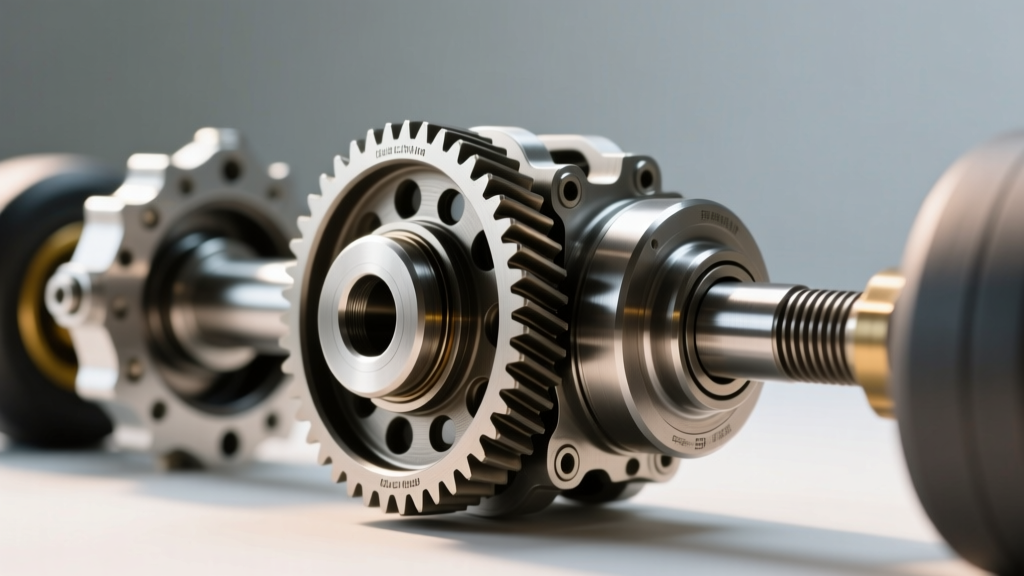
Traditional limited-slip differentials, such as the Ford 8.8 Traction-Lok, rely on a series of friction clutches sandwiched between the side gears and the differential case. When wheel slip occurs, the preload and ramp angles force the clutches to lock, sending torque to the wheel with traction. However, these systems are reactive and cannot send more than 50% of the torque to a single wheel.
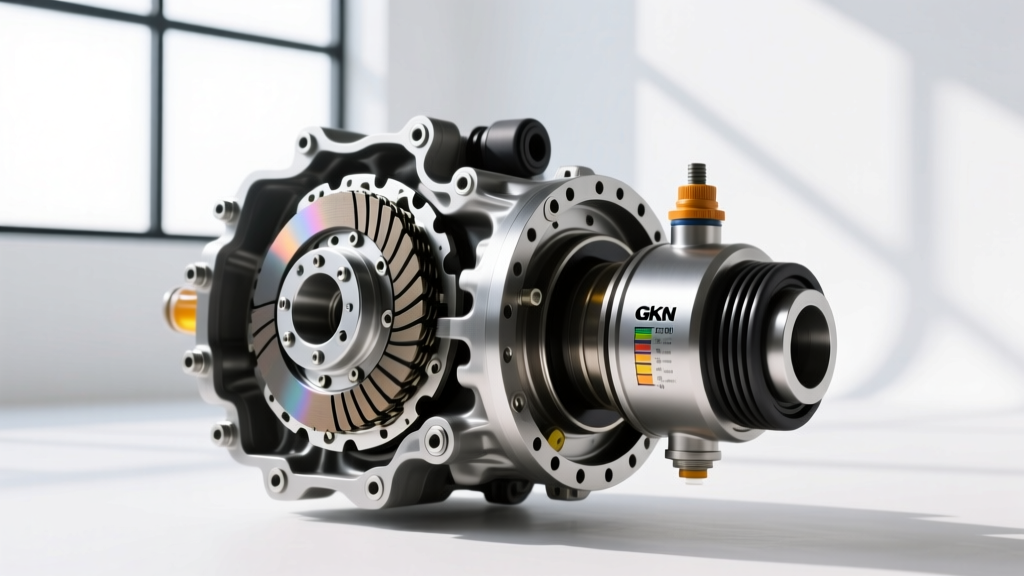
In contrast, the Bronco Sport Badlands utilizes a GKN Twin-Clutch Rear Drive Module (RDM), often referred to by its engineering moniker, the 'Twinster.' This system eliminates the traditional spider gear set entirely. Instead, it employs two independent, electronically controlled wet-clutch packs located on each rear half-shaft. This allows the system to actively over-speed the outer rear wheel during cornering (torque vectoring) or lock a single rear wheel entirely when the opposite wheel is suspended in the air. Furthermore, the RDM features an integrated dog clutch that can physically disconnect the rear axle from the driveshaft to eliminate parasitic drag and improve highway fuel economy. This immense mechanical complexity dictates a highly specific approach to lubrication and maintenance.
Contextualizing the Bronco Sport Rear Differential Recall
When owners and technicians search for the bronco sport rear differential recall, they are frequently navigating a complex web of Technical Service Bulletins (TSBs), software recalibrations, and Power Transfer Unit (PTU) concerns. It is critical to separate internet forum rumors from verified engineering data.
According to data from the National Highway Traffic Safety Administration (NHTSA) and the Ford Official Recall Center, the primary drivetrain investigations for the Bronco Sport (and its platform-mate, the Escape) have heavily focused on the PTU and the RDM software calibrations. Early production models experienced instances where the RDM software failed to properly modulate the wet-clutch engagement, leading to harsh binding during low-speed turns or thermal overload during sustained off-road use.
Ford addressed these issues not with a massive hardware recall, but through targeted TSBs requiring dealership-level software flashes to update the clutch engagement algorithms and thermal protection maps. Additionally, some rear axle noise complaints were traced to lubrication starvation from the factory or the use of incorrect hypoid gear oil, which degraded the wet-clutch friction material. Understanding this history is vital because servicing the RDM today requires strict adherence to updated fluid specifications and software reset protocols.
Fluid Specifications and Chamber Separation
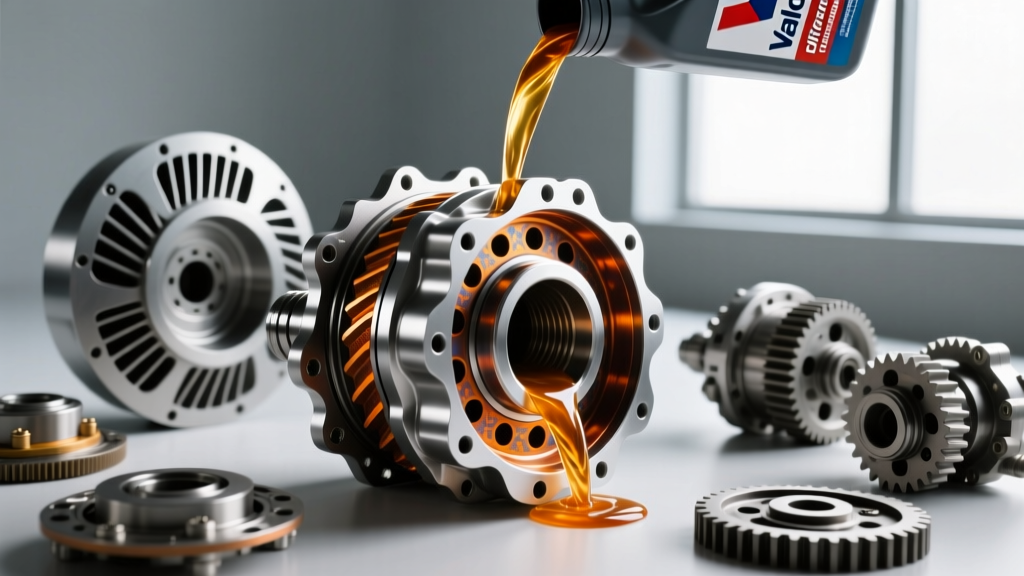
One of the most common catastrophic mistakes made by independent shops is treating the Bronco Sport's RDM like a standard solid-axle differential. The Twinster RDM features physically separated internal chambers: one for the hypoid ring-and-pinion gearset, and one for the twin wet-clutch packs. Cross-contamination or using a universal 'one-size-fits-all' gear oil will result in immediate clutch glazing, chatter, and eventual module failure.
| Component | Fluid Specification | Approx. Capacity | Motorcraft Part Reference |
|---|---|---|---|
| Standard Rear Axle (Non-Badlands) | SAE 75W-85 Premium Synthetic Hypoid (WSS-M2C942-A) | 0.65 Liters | XY-75W85-KL |
| RDM Gearset Chamber (Badlands) | SAE 75W-85 Premium Synthetic Hypoid (WSS-M2C942-A) | 0.40 Liters | XY-75W85-KL |
| RDM Clutch Pack Chamber (Badlands) | Specific RDM Wet-Clutch Fluid (Check latest TSB) | 0.50 Liters | OEM Specific RDM Fluid |
| Friction Modifier Additive | NOT REQUIRED for RDM Wet-Clutches | N/A | N/A (Do Not Add XL-3) |
Note: Traditional Ford Traction-Lok differentials require the addition of Motorcraft XL-3 Friction Modifier. The GKN Twinster wet-clutches are engineered with a specific friction coefficient and do not use standard hypoid friction modifiers. Adding XL-3 to the RDM clutch chamber will cause severe slip and AWD system faults.
Step-by-Step RDM and Rear Axle Maintenance Protocol
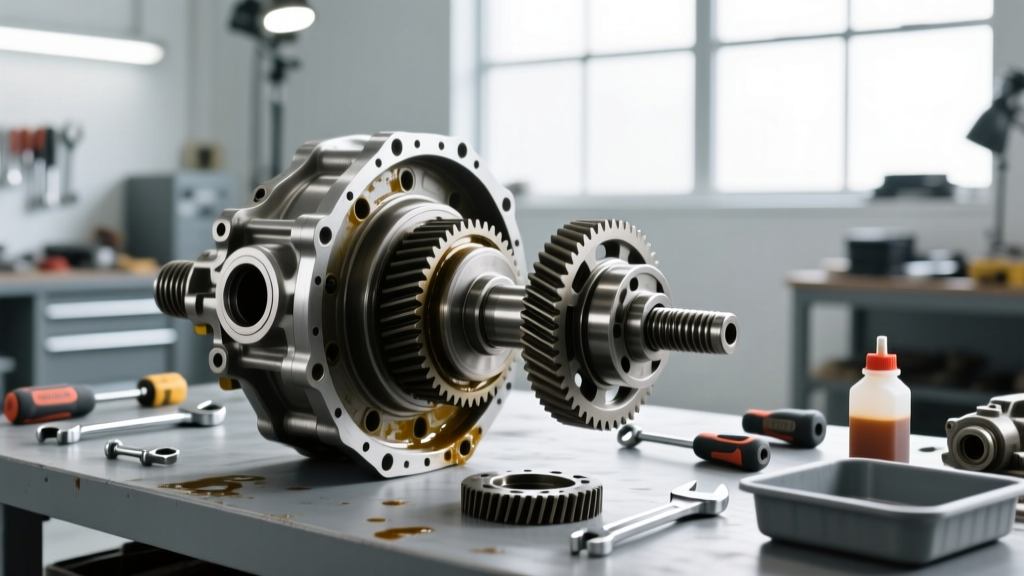
Servicing the rear drivetrain on a Bronco Sport requires precision, specific tooling, and bi-directional scan capabilities. The service interval for the rear axle fluid is typically listed as 'lifetime' under normal driving conditions, but for vehicles subjected to off-road use, towing, or frequent AWD engagement, a 30,000 to 50,000-mile interval is highly recommended by drivetrain specialists.
Drain and Fill Procedure
- Vehicle Preparation: Raise the vehicle on a level lift. The RDM and rear axle must be at operating temperature (around 100°F to 140°F) to ensure the fluid flows completely and suspends metallic particulates. If the vehicle is cold, run it in AWD lock mode on a dyno or safely in a yard to warm the rear module.
- Plug Removal: Always remove the fill plug before the drain plug. The fill plug on the RDM is often recessed and may require a specialized hex or Torx bit. If the fill plug is seized or stripped, you do not want to drain the module and find yourself unable to refill it.
- Magnetic Inspection: The drain plugs are equipped with magnets. A fine, dark metallic paste is normal wear from the ring-and-pinion gears and clutch steels. However, if you find metallic shards, needles, or chunks of bearing cages, the RDM requires immediate teardown and rebuild.
- Refilling: Use a pneumatic or manual fluid transfer pump. Fill the gearset chamber until the fluid reaches the bottom of the fill hole threads. Fill the clutch chamber to its specific level. Reinstall the plugs immediately to prevent dust ingress.
Torque Specifications and Clearances
Over-torquing the aluminum housings of the RDM or the rear axle cover will strip the threads or warp the sealing surfaces, leading to chronic leaks. Adhere strictly to the following torque specifications:
- Rear Axle Drain/Fill Plug: 35 Nm (26 lb-ft)
- RDM Gearset Drain/Fill Plug: 25 Nm (18 lb-ft)
- RDM Clutch Chamber Plug: 15 Nm (11 lb-ft)
- Rear Axle Shaft to Hub Nut: 250 Nm (184 lb-ft) - Always replace with a new stretch nut.
- RDM to Subframe Mounting Bolts: 90 Nm (66 lb-ft) + 90-degree turn
The Critical Step: Software Calibration and Clutch Learning
This is where the bronco sport rear differential recall and TSB context becomes practically relevant for maintenance. The GKN Twinster system relies on clutch position sensors and hydraulic pressure transducers to determine the exact bite point of the wet clutches. As the friction material wears over tens of thousands of miles, the module adapts its solenoid duty cycles to maintain seamless engagement.
When you drain the old, degraded fluid and replace it with fresh OEM fluid, the friction coefficient changes dramatically. If you simply fill the module and drive away, the RDM will apply the old clutch pressure maps to the new fluid, resulting in aggressive binding, tire chirping on dry pavement, and potential clutch pack destruction.
The Fix: After any RDM fluid service, battery replacement, or module reset, you must use a bi-directional OBD2 scanner (such as Ford's IDS/FDRS or advanced third-party tools like FORScan) to execute the AWD Clutch Adaptation Reset and RDM Learning Procedure. This forces the module to perform a series of controlled slip cycles, re-learning the exact hydraulic pressure required to engage the new fluid and clutch packs seamlessly.
Diagnosing Chatter, Binding, and Thermal Degradation
Even with proper maintenance, the Bronco Sport's rear drivetrain can exhibit specific failure modes that require expert diagnosis. Here is a troubleshooting framework for common LSD and RDM anomalies:
- Low-Speed Binding/Chatter: If the vehicle feels like the rear tires are 'hopping' or dragging during tight parking lot turns, the RDM clutches are failing to slip. This is usually caused by incorrect fluid (e.g., standard 75W-140 with friction modifier), a missed software adaptation reset, or glazed clutch steels requiring module replacement.
- Highway Whining (60+ MPH):strong> A steady whine that changes pitch with vehicle speed (not engine RPM) points to the hypoid ring-and-pinion gearset. This is often the result of lubrication starvation or improper gear backlash set at the factory. If the whine is isolated to the rear, the RDM gearset chamber must be inspected for bearing spalling.
- 'AWD Disabled' Dash Message: The RDM monitors internal temperatures via a thermistor. If the fluid is low, or if the clutches are slipping excessively due to wear, the module will trigger a thermal protection limp mode. The system will physically disconnect the dog clutch and revert the vehicle to FWD until the module cools down and the fault is cleared.
- Clunk on Deceleration: Excessive backlash in the rear axle or RDM gearset. Check the driveshaft CV joints and rear half-shaft splines for wear before condemning the differential itself.
Maintaining the Bronco Sport's advanced rear drivetrain requires abandoning old-school differential habits. By respecting the chamber separation, utilizing exact OEM fluid formulations, and leveraging software calibration tools, owners can ensure their active LSD system delivers peak torque-vectoring performance for the life of the vehicle.