Introduction: The Final Bastion of BMW Manual Transmissions
As of 2026, with the G80 M3 and G87 M2 representing the twilight of BMW's internal combustion manual transmission era, preserving the hydraulic clutch system has never been more critical for enthusiasts. Unlike older cable-driven or purely mechanical setups, modern BMW manual transmissions rely on a sophisticated, shared hydraulic architecture. Diagnosing clutch slip, spongy pedals, or gear crunch requires a deep understanding of fluid dynamics, master/slave cylinder tolerances, and the controversial bmw clutch valve (Clutch Delay Valve). This preventive maintenance guide provides a masterclass in hydraulic clutch system diagnosis, fluid protocols, and component-level troubleshooting for chassis ranging from the E90 to the current G-series.
The Architecture of BMW Hydraulic Clutch Systems
BMW utilizes a hydraulically actuated clutch release system that draws fluid directly from the brake master cylinder reservoir. This shared-reservoir paradigm reduces weight and part count but introduces unique diagnostic variables. If your brake fluid is contaminated with moisture, your clutch hydraulic system is equally compromised.
The Shared Reservoir Paradigm
Because the clutch and brake systems share the same fluid bath, BMW mandates the use of DOT 4 Low Viscosity (LV) fluid. Standard DOT 4 is too thick for the rapid actuation requirements of modern ABS/DSC pumps during cold weather, and using it can lead to sluggish clutch disengagement in freezing temperatures. The clutch circuit typically holds about 0.3 to 0.5 liters of fluid, but a proper preventive flush requires pushing at least 1.0 liters through the system to ensure all old fluid is evacuated from the slave cylinder.
Understanding the BMW Clutch Valve (CDV)
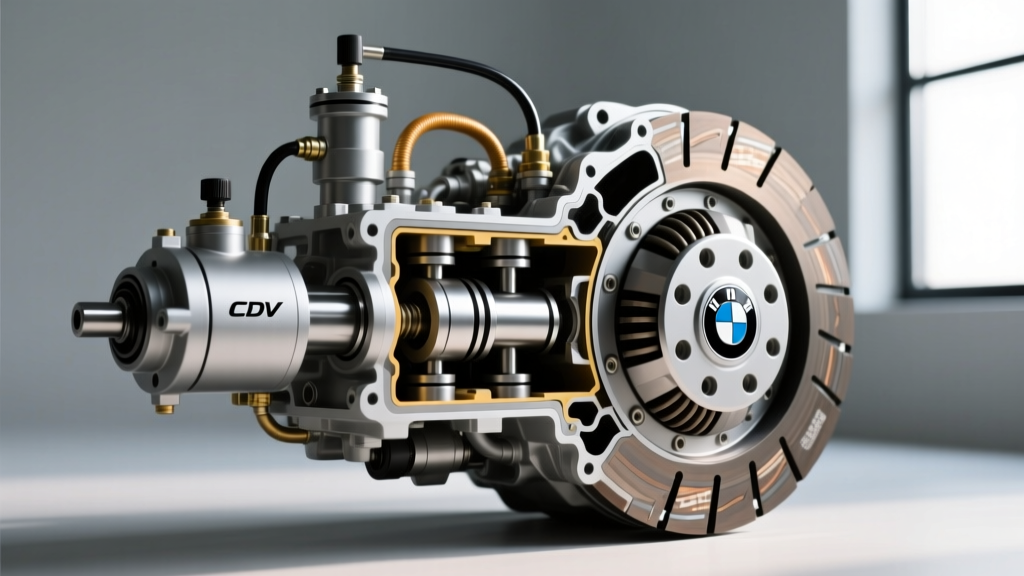
When diagnosing delayed engagement or gear crunch on upshifts, the bmw clutch valve—universally known in the community as the Clutch Delay Valve (CDV)—is the primary suspect. BMW installs the CDV to restrict hydraulic fluid flow during rapid clutch pedal release. The engineering goal is to smooth out drivetrain shock for novice drivers, preventing harsh engagement that could damage dual-mass flywheels (DMF) or differential mounts.
Expert Insight: While the CDV protects driveline components from abuse, it artificially delays clutch engagement. In high-RPM track driving or spirited canyon carving, this delay causes the clutch disc to slip excessively while the hydraulic pressure equalizes, leading to premature clutch glazing and synchro wear. Many enthusiasts opt for a CDV delete, though this requires careful pedal modulation to avoid drivetrain shock.
On E90/E92 chassis, the CDV is typically a small brass or aluminum insert located inside the hard hydraulic line near the slave cylinder. On newer F30 and G20 chassis, BMW integrated the restriction valve directly into the internal valving of the Concentric Slave Cylinder (CSC) or the master cylinder itself, making a simple 'delete' impossible without swapping the entire component for an aftermarket or older-spec unit.
Preventive Maintenance: Fluid & Bleeding Protocols
Hydraulic clutch diagnosis often begins with a simple fluid flush. Moisture absorption lowers the boiling point of DOT 4 fluid, leading to vapor lock under heavy track use. Furthermore, degraded fluid accelerates the corrosion of the internal seals in the FTE master cylinder and Sachs slave cylinder.
| Component / Spec | OEM Requirement | Interval | Est. Cost (2026) |
|---|---|---|---|
| Hydraulic Fluid | DOT 4 LV (BMW P/N 83220440265) | Every 2 Years | $15 - $25 |
| Master Cylinder | FTE or ATE (e.g., KG19011.0.1) | 100k - 120k Miles | $90 - $160 |
| Slave Cylinder (CSC) | Sachs or LuK (e.g., 3189 600 035) | With Clutch Replacement | $130 - $220 |
| Hard Line / Hose | PTFE Inner Core w/ Stainless Braid | Inspect Annually | $40 - $85 |
The Pressure Bleeding Mandate
Never use the 'pump and hold' pedal method on modern BMWs equipped with Concentric Slave Cylinders (CSC). Pumping the pedal when the system is partially empty or aerated can roll the internal seals of the CSC, causing immediate and catastrophic failure. Always use a pressure bleeder (such as a Motive Products Power Bleeder) set to 2.0 to 2.5 bar. Attach the bleeder to the master cylinder reservoir, open the 8mm or 9mm bleeder valve at the slave cylinder, and allow gravity and pressure to push the fluid through until no micro-bubbles are visible.
Diagnostic Framework: Isolating Hydraulic Symptoms
Hydraulic issues mimic mechanical transmission failures. Use this diagnostic tree to isolate the root cause before ordering parts or dropping the transmission.
Symptom 1: Spongy Pedal or Pedal Sinking to the Floor
- Check 1: Inspect the brake master cylinder reservoir. If the fluid level is low, check the brake calipers first, as a clutch leak will rarely drain the entire shared reservoir unless the brake circuit is also compromised.
- Check 2: Inspect the master cylinder pushrod and firewall grommet. A failing master cylinder will often leak fluid down the firewall into the cabin, pooling near the driver's footrest.
- Check 3: Inspect the CSC weep hole. If fluid is dripping from the bellhousing inspection cover, the slave cylinder seal has failed.
Symptom 2: Gear Crunch on Upshifts (Specifically 2nd to 3rd)
While a crunching synchro is a mechanical issue, hydraulic restriction is the most common culprit. If the bmw clutch valve (CDV) is restricting flow, the clutch is not fully disengaging by the time the driver moves the shifter. To diagnose this, perform the 'roll-back' test: with the 6-speed manual in first gear and the clutch fully depressed, wait 3 seconds before attempting to shift into reverse. If the gears grind, the hydraulic system is not achieving full stroke, pointing to a failing master cylinder bypass port or a severely restricted CDV.
Symptom 3: High Pedal Engagement Point
As the clutch disc wears, the diaphragm spring fingers move closer to the release bearing. The hydraulic system self-adjusts via the master cylinder's internal compensation port, but a worn CSC or a master cylinder with a degraded internal return spring will cause the engagement point to creep toward the top of the pedal travel. This is a definitive sign that the hydraulic components are fatigued, even if no fluid is leaking.
Component Replacement & Torque Specifications
When preventive maintenance fails and component replacement is necessary, adhering to factory torque specifications is vital. The hydraulic lines and bleeder valves are notoriously brittle, and over-torquing will result in cracked fittings and a complete system rebuild.
- Slave Cylinder to Bellhousing (M8 Bolts): 22 Nm (16 lb-ft)
- Hard Line Flare Nut to Slave: 12 Nm (9 lb-ft) - Use a high-quality flare nut wrench to avoid rounding the soft metal.
- Master Cylinder to Firewall (M6 Nuts): 10 Nm (7 lb-ft)
- Slave Cylinder Bleeder Valve: 10 Nm (7 lb-ft) - Do not exceed, as brass valves snap easily under torsional stress.
When sourcing replacement parts, avoid unbranded white-box components from online marketplaces. The hydraulic tolerances in BMW's GS6-45BZ and GS6-53BZ manual transmissions require precise fluid displacement. Rely on OEM suppliers like FCP Euro or Pelican Parts to secure genuine Sachs, LuK, or FTE components. Community resources like Bimmerpost also maintain extensive DIY threads with chassis-specific part number cross-references.
Summary Checklist for 2026 Ownership
Maintaining a BMW manual transmission in the modern era requires diligence. Flush your DOT 4 LV fluid bi-annually, monitor the master cylinder for cabin leaks, and carefully consider the drivability implications before modifying the factory bmw clutch valve. By treating the hydraulic system as a high-performance circuit rather than a mere mechanical linkage, you ensure crisp, predictable shifts and extend the life of your clutch assembly and dual-mass flywheel for the next hundred thousand miles.