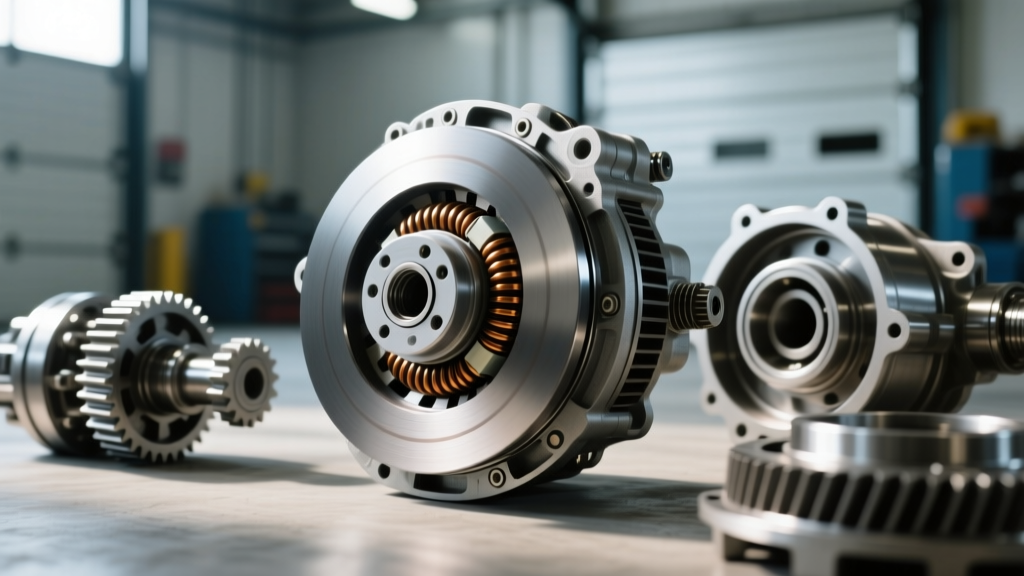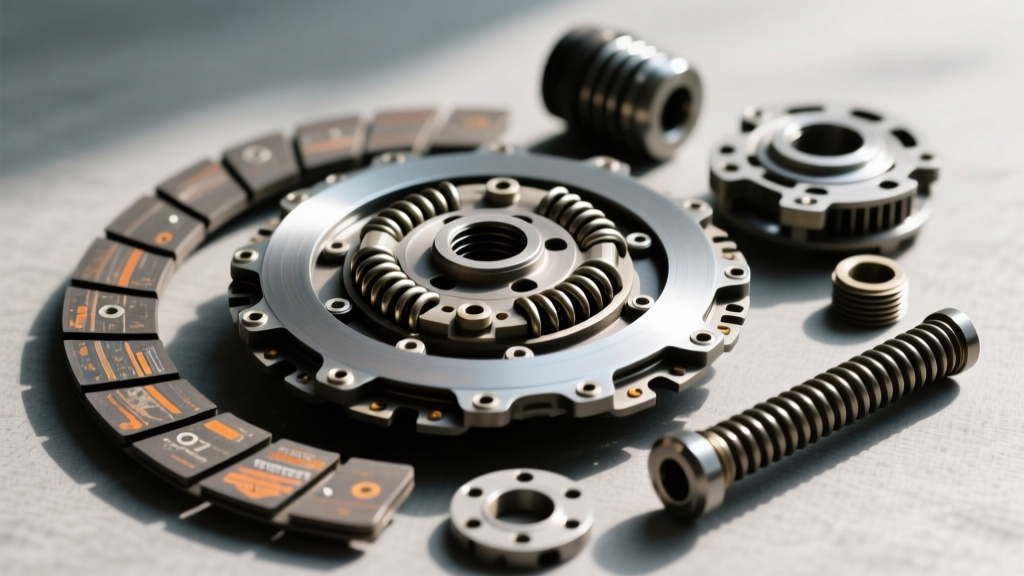
The Anatomy of a Burning Clutch Smell
The distinct, acrid odor of a burning clutch is unmistakable. Often compared to burning brakes or scorched asbestos, this smell is the result of phenolic resins and organic binders in the clutch friction disc vaporizing under extreme thermal stress. When the friction material exceeds its thermal threshold—typically around 450°F to 500°F for standard organic compounds—the resin begins to break down, releasing a sharp, chemical exhaust into the cabin and engine bay.
While a worn-out clutch disc or aggressive 'riding' of the pedal are the most common culprits, mechanical linkage failures are frequently overlooked. Specifically, a fraying or partially clutch cable broken scenario can create parasitic drag that prevents full clutch engagement, leading to catastrophic slippage and thermal glazing. In this diagnostic guide, we explore the mechanical linkage between cable failure and clutch slippage, providing a step-by-step troubleshooting protocol for cable-actuated manual transmissions.
The 'Broken Clutch Cable' Paradox: How Snapped Wires Cause Slippage
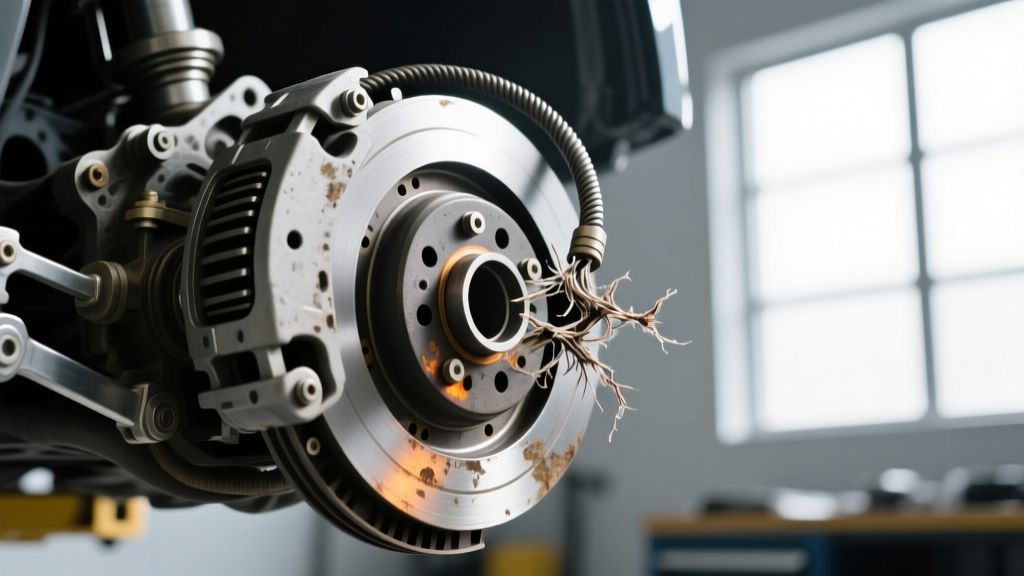
When drivers experience a pedal dropping to the floor, they often suspect a clutch cable broken or snapped entirely. A completely severed cable results in a total inability to disengage the clutch (meaning you cannot shift into gear). However, a partially broken or severely frayed cable is far more insidious and is the primary cause of cable-induced clutch burning.
A standard manual transmission clutch cable consists of an inner multi-strand steel wire housed within an outer PTFE-lined (Teflon) sheath. Over time, the inner wire begins to snap strand-by-strand near the clutch fork or firewall adjuster. These frayed, jagged steel ends wedge themselves into the PTFE lining, creating immense mechanical friction.
Expert Insight: A healthy clutch return spring and diaphragm spring rely on a low-friction cable to fully retract the throw-out bearing. If a frayed cable creates more than 15-20 lbs of parasitic drag, the throw-out bearing remains in partial contact with the diaphragm spring fingers. This artificially reduces the pressure plate's clamping force (which normally sits between 2,200 and 3,500 lbs), guaranteeing micro-slippage under load and generating massive heat.
Common Cable-Actuated Platforms at Risk
- Honda Civic / Integra (B-Series & D-Series Engines): Notorious for firewall adjuster binding and inner wire fraying near the bell housing fork.
- Volkswagen Mk4 (Golf/Jetta 1.8T & 2.0L): Utilizes a complex self-adjusting cable mechanism that frequently fails, holding the clutch fork in a partially depressed state.
- Ford Mustang (Fox Body & SN95 V8): Long cable runs are susceptible to stretching, fraying, and binding at the firewall quadrant.
Step-by-Step Diagnostic Protocol
Before pulling the transmission to inspect the friction disc, you must isolate the cable assembly to determine if it is the root cause of the thermal event.
1. Pedal Free-Play Measurement
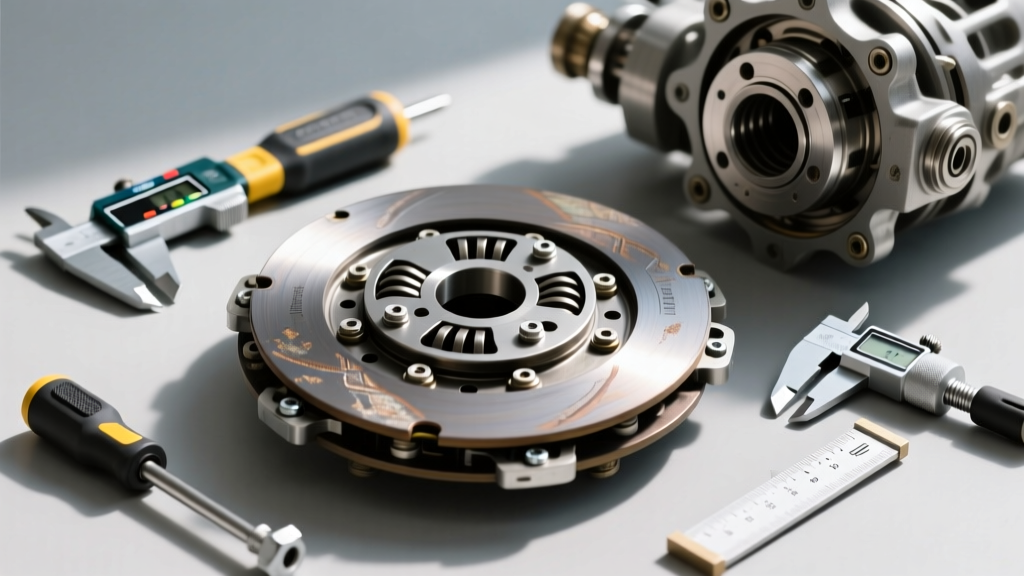
Using a steel ruler, measure the clutch pedal free-play at the center of the pedal pad. Push the pedal by hand until you feel the distinct resistance of the diaphragm spring engaging.
Specification: Most OEM cable setups require 0.50 to 1.00 inches of free-play. If you have zero free-play, the throw-out bearing is constantly riding the pressure plate, causing the burning smell. If the free-play is inconsistent (e.g., 0.5 inches on the downstroke, but sticks on the return), the inner cable is frayed and binding inside the sheath.
2. The Firewall and Bell Housing Inspection
Crawl under the vehicle or reach behind the engine block to inspect the clutch fork. With the pedal at rest, the fork should be fully retracted against the bell housing stopper, and the throw-out bearing should have a minimum 0.100-inch air gap from the diaphragm fingers. If the fork is hovering 1/4-inch off the stopper despite the pedal being fully released, your cable is internally bound or the outer sheath has slipped through its firewall grommet.
3. Thermal Damage Assessment (Transmission Removed)
If the cable is replaced but the slipping persists, the friction disc is likely glazed. According to SAE International friction material standards, once organic resin reaches its flashpoint and carbonizes, the coefficient of friction drops permanently. You must evaluate the flywheel and disc for thermal damage.
| Component | Normal Operating Temp | Damage Threshold | Visual Symptom | Corrective Action |
|---|---|---|---|---|
| Organic Friction Disc | 150°F - 250°F | 450°F+ | Blue/black glazing, cracked resin | Replace Disc |
| Cast Iron Flywheel | 150°F - 300°F | 600°F+ | Blue heat spots, micro-cracking | Resurface (if within spec) |
| Diaphragm Spring | Ambient | 400°F+ | Loss of tension, blueing on fingers | Replace Pressure Plate |
Flywheel Resurfacing Limits and Torque Specifications
If your diagnosis confirms that the frayed cable caused the clutch to slip and overheat, the flywheel must be addressed. A burned clutch will leave hard carbon deposits and heat checks on the cast iron flywheel surface. Simply slapping a new clutch kit onto a glazed flywheel will result in immediate chatter and premature failure.
When having the flywheel resurfaced at a machine shop, you must adhere to strict OEM removal limits. For example, on Honda B-Series engines, the maximum material removal limit is 0.020 inches, and the maximum allowable step height between the friction surface and the pressure plate mounting pad is 0.015 inches. Exceeding these limits alters the geometry of the diaphragm spring, reducing clamping force and ruining the new clutch.
Reassembly Torque Specs (Typical FWD Transverse setups):
- Flywheel to Crankshaft Bolts: 76 lb-ft + 90-degree turn (Always use new OEM stretch bolts).
- Pressure Plate to Flywheel (M8 bolts): 19 lb-ft (Tighten in a crisscross, star pattern to prevent warping the pressure plate cover).
- Clutch Fork Pivot Ball Stud: 28 lb-ft (Apply high-temp moly grease to the pivot point and throw-out bearing contact pads).
2026 Repair Costs and Part Sourcing
Addressing a burning clutch caused by a cable failure requires replacing both the root cause (the cable) and the casualty (the clutch kit). Based on current aftermarket pricing from distributors like RockAuto and standard independent shop labor rates, here is what you can expect to budget.
| Repair Item | Part Cost Range | Labor Time | Notes |
|---|---|---|---|
| OEM Clutch Cable Assembly | $45 - $110 | 0.5 - 1.0 Hr | Avoid cheap aftermarket cables; they lack proper PTFE lining and stretch prematurely. |
| OEM Clutch Kit (Disc, PP, TO Bearing) | $220 - $450 | 5.0 - 7.0 Hrs | Exedy, Sachs, or LuK are recommended OEM suppliers. |
| Flywheel Resurfacing | $60 - $120 | N/A (Machine Shop) | Requires dropping the flywheel off at a local automotive machine shop. |
| Alignment Tool & Hardware | $15 - $30 | N/A | Includes new flywheel bolts and pilot bearing/bushing. |
Preventative Maintenance: Cable Lubrication and Adjustment
To prevent a recurrence of this failure, proper cable maintenance is critical. While many modern cables are marketed as 'self-lubricating' or 'lifetime PTFE-lined,' older cable designs feature a grease nipple at the firewall. If your vehicle has one, inject high-temperature lithium-complex grease using a specialized cable luber tool every 30,000 miles. Furthermore, inspect the cable routing. Sharp bends exceeding a 45-degree angle or contact with hot exhaust headers will degrade the outer sheath, allowing water and grit to infiltrate the inner wire, accelerating the fraying process that leads to clutch slippage and burning.
For comprehensive, vehicle-specific torque specs and teardown procedures, always consult the factory service manual or trusted aftermarket guides from Haynes Manuals before beginning your repair. Diagnosing the burning smell early and addressing the cable binding immediately can save you from replacing a perfectly good flywheel and pressure plate.