The Engineering Flaw: Why BMW Installed a Clutch Delay Valve
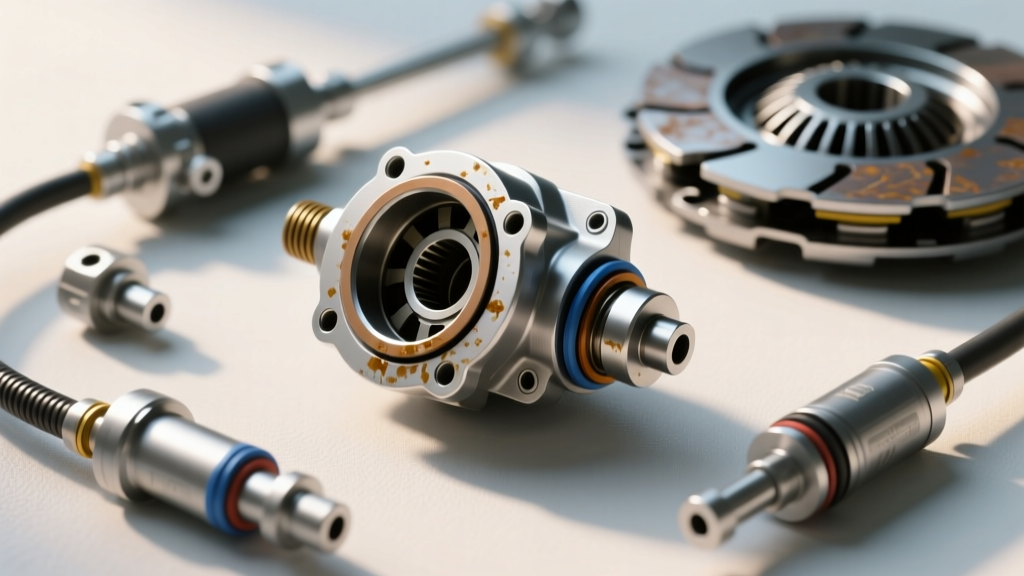
Modern BMW manual transmissions, specifically the Getrag GS6-37BZ found in the E90 335i and the ZF GS6-17BG in the F30 328i, are engineered for precise power delivery. However, the hydraulic actuation circuit is intentionally compromised from the factory by the BMW clutch delay valve (CDV). Located either inline on the hard pipe or integrated directly into the output port of the Clutch Master Cylinder (CMC), the CDV acts as a hydraulic restrictor. Its primary engineering purpose is to limit fluid flow rate, thereby slowing the engagement of the clutch disc against the flywheel. This mitigates driveline shock and reduces Noise, Vibration, and Harshness (NVH) for novice drivers.
From a preventive maintenance and diagnostic perspective, the CDV is a known liability. By forcing the clutch to slip longer during engagement, it generates excessive localized heat. Over time, this glazes the friction material, accelerates dual-mass flywheel (DMF) wear, and leads to premature clutch failure. As these vehicles age into their second decade, hydraulic degradation compounds the restrictive nature of the CDV, making hydraulic clutch system diagnosis a critical skill for any BMW specialist or enthusiast.
Understanding the BMW Hydraulic Clutch Architecture
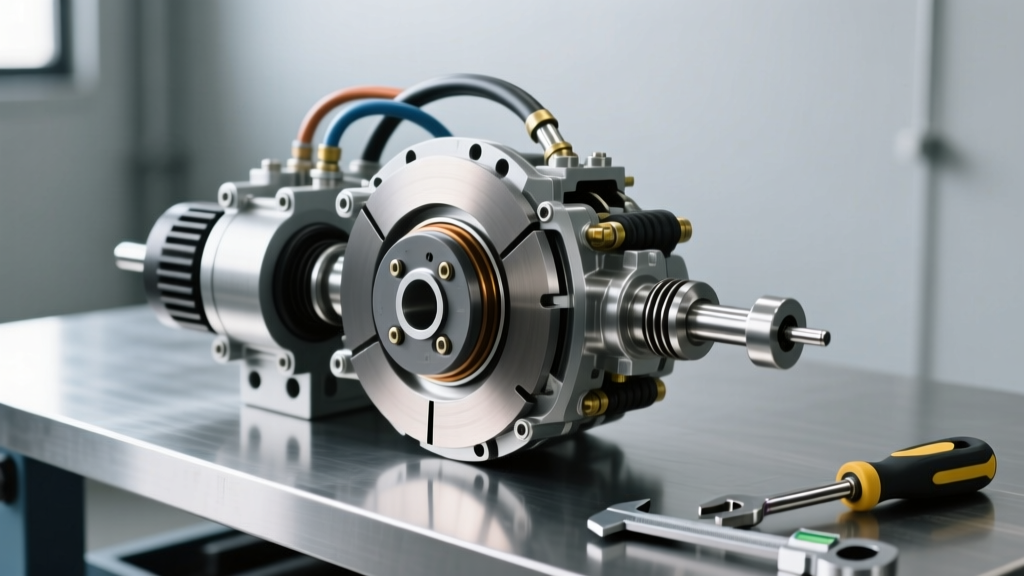
Before isolating the CDV, you must understand the complete hydraulic loop. The system consists of a Clutch Master Cylinder (CMC) mounted on the pedal box, a high-pressure hard line routed through the chassis tunnel, a flexible rubber hose, and a Concentric Slave Cylinder (CSC) located inside the transmission bell housing. The system holds approximately 250ml to 300ml of DOT-4 Low Viscosity (LV) fluid.
Unlike older cable-driven systems, this closed hydraulic loop relies on instantaneous fluid displacement. When the CDV restricts this displacement, the hydraulic pressure spikes in the line during rapid pedal release, causing the CMC pushrod to rebound erratically. This results in the notorious 'clutch chatter' and unpredictable engagement bite point that plagues unmodified BMW manuals.
Hydraulic Clutch System Diagnosis: Isolating the CDV
Diagnosing a failing or overly restrictive CDV requires isolating it from other common hydraulic faults, such as a bypassing CMC or a leaking CSC. Perform these non-invasive diagnostic tests before ordering replacement parts or dropping the transmission.
1. Slave Cylinder Stroke Measurement
Remove the rubber inspection cover on the lower portion of the transmission bell housing. Using a digital caliper, measure the physical travel of the CSC pushrod while an assistant depresses and releases the clutch pedal. A healthy hydraulic system without a CDV will yield 13mm to 15mm of rapid travel. If the CDV is choking flow, stroke measurement may drop to 8mm–10mm, and the return stroke will visibly lag by 1 to 2 seconds.
2. Pedal Return Velocity Test
With the engine off, pump the clutch pedal rapidly ten times to build residual pressure, then release it instantly. The pedal should snap back to the upper stop with aggressive force. A sluggish return indicates either a failing CMC return spring, a collapsing flexible hose, or severe restriction from a clogged CDV orifice.
3. Fluid Displacement and Aeration Check
Inspect the brake/clutch fluid reservoir. Because the clutch circuit draws from the upper chamber of the shared reservoir, aeration often manifests as micro-bubbles trapped in the plastic neck. If you see continuous bubbling after pumping the pedal, the CDV is creating a cavitation effect due to the sudden pressure drop across its restricted orifice.
Comparative Diagnostics Matrix
Use the following table to differentiate between CDV restriction and actual component failure during your hydraulic diagnosis.
| Observed Symptom | CDV Restriction / Failure | CMC Internal Bypass | CSC / Slave Leak |
|---|---|---|---|
| Pedal Feel | Stiff, erratic rebound on release | Spongy, sinks to floor under load | Soft, gradual drop to floor |
| Engagement Bite Point | Inconsistent, slips under high RPM | Engages very close to the floor | Engages at the very top of travel |
| Fluid Level | Remains stable | Remains stable (internal leak) | Drops visibly in reservoir |
| Slave Cylinder Travel | Restricted (8-10mm), slow return | Reduced travel, weak return force | Minimal to zero travel |
Preventive Maintenance Protocol: CDV Extraction
The most effective preventive maintenance for BMW manual drivetrains is the complete removal (delete) of the BMW clutch delay valve. This restores 1:1 hydraulic ratio and immediate clutch engagement. If you prefer to maintain factory specifications, you must replace the CDV (Part Number 21526800278 for most E-chassis, or integrated CMC units for F-chassis) every 60,000 miles, as the internal rubber diaphragm degrades and swells from DOT-4 moisture absorption.
Step-by-Step CDV Extraction (E-Chassis Inline Style)
- Depressurize the System: Use a syringe to extract fluid from the clutch reservoir down to the clutch nipple to minimize spillage.
- Disconnect the Hard Line: Using an 11mm flare nut wrench, loosen the hard line fitting at the CMC output port. Warning: Do not use an open-ended wrench, as these fittings are soft steel and will round off easily.
- Extract the CDV: Look inside the CMC output port. You will see a small plastic and rubber valve assembly. Use a hooked dental pick to carefully snag the lip of the CDV and pull it out.
- Inspect and Reassemble: Ensure no plastic fragments remain in the port. Reconnect the hard line and torque the fitting to exactly 15 Nm. Over-torquing will crack the plastic CMC housing.
Bleeding the Getrag and ZF Systems
Following any hydraulic intervention, a meticulous bleeding procedure is mandatory. BMW hydraulic systems are notorious for trapping air in the high-point loop of the hard line routing near the exhaust tunnel. Gravity bleeding is rarely sufficient.
- Fluid Selection: You must use DOT-4 Low Viscosity (LV) fluid. Standard DOT-4 is too thick for the tight tolerances of the BMW CMC and CSC, leading to sluggish pedal response in cold weather. We recommend ATE SL.6 or Pentosin Super DOT 4.
- Pressure Bleeding: Connect a motive power bleeder to the reservoir cap. Pressurize the system to exactly 15 PSI to 20 PSI. Do not exceed 25 PSI, or you risk blowing out the internal seals of the aging CMC.
- Bleeder Valve Torque: Open the 8mm bleeder screw on the CSC. Allow 300ml of fluid to flow until completely free of micro-bubbles. Close the bleeder and torque to 12 Nm.
Fluid Hygroscopy and Boiling Point Degradation
A critical, often overlooked aspect of clutch system diagnostics is fluid hygroscopy. DOT-4 fluid absorbs moisture from the atmosphere at a rate of roughly 2% per year. Because the clutch hydraulic line is routed dangerously close to the exhaust downpipes and catalytic converters, the fluid is subjected to high ambient heat. As moisture content increases, the boiling point of the fluid plummets. Under hard driving, a slipping clutch (exacerbated by a CDV) generates massive heat that transfers into the CSC, boiling the moisture-laden fluid and causing sudden, catastrophic pedal failure. Preventive maintenance dictates a complete hydraulic flush every 24 months, regardless of mileage.
2026 Sourcing and Cost Breakdown
When sourcing components for hydraulic clutch system diagnosis and repair, avoid unbranded aftermarket CMCs, which suffer from premature bore scoring. Stick to OEM manufacturers like FTE or Sachs. Below is the current market pricing and part data for a standard E90 335i hydraulic service.
| Component | OEM Part Number | Manufacturer | Est. Cost (USD) |
|---|---|---|---|
| Clutch Master Cylinder (CMC) | 21526773670 | FTE / Sachs | $85 - $120 |
| Clutch Delay Valve (CDV) | 21526800278 | BMW Genuine | $15 - $25 |
| Concentric Slave Cylinder (CSC) | 21526777304 | Sachs / LuK | $90 - $140 |
| DOT-4 LV Fluid (1 Liter) | N/A | ATE SL.6 | $18 - $25 |
Conclusion
Proper hydraulic clutch system diagnosis on modern BMWs requires looking past simple leaks and understanding the intentional restrictions engineered into the system. By identifying the symptoms of a choking BMW clutch delay valve, measuring slave cylinder stroke, and executing a precise CDV deletion and pressure-bleed protocol, you can restore the mechanical synergy between the driver and the drivetrain. For further technical diagrams and chassis-specific torque specifications, enthusiasts and technicians should consult the RealOEM parts catalog and the extensive DIY archives at BimmerFest. Sourcing lifetime-replacement components from distributors like FCP Euro ensures that your preventive maintenance yields long-term reliability without recurring costs.