The 188mm Platform: Foundation of BMW Performance
The BMW 188mm differential—often referred to as the 'large case'—is the undisputed cornerstone of high-horsepower European builds. Found in iconic chassis ranging from the E36 and E46 M3 to the E9X M3, Z4 M, and countless turbo-swapped non-M vehicles, the 188mm housing offers the necessary physical mass to handle extreme torque loads. However, the factory open differential or aging clutch-type limited-slip differential (LSD) is rarely sufficient for modern track use or high-grip drag applications. As of 2026, the aftermarket has refined locking technologies to unprecedented levels, but selecting the right unit requires a deep understanding of both mechanical design and the critical role of differential fluid.
Decoding 188 Differential Types: Locking Mechanisms Explained
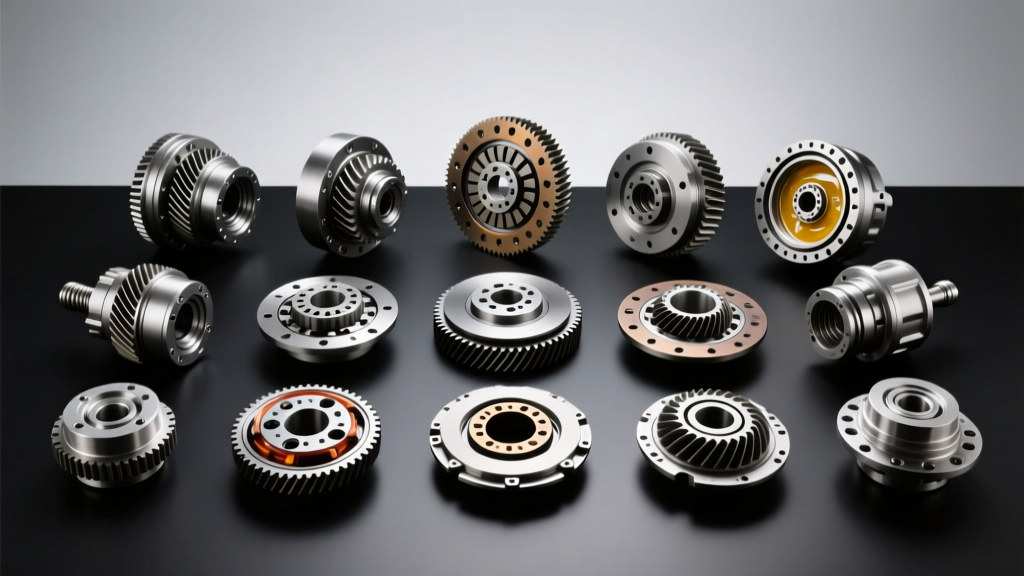
When navigating the complex landscape of 188 differential types for your high-horsepower build, you will primarily encounter three distinct locking mechanisms. Each interacts differently with the hypoid ring and pinion gears, and more importantly, each demands a highly specific approach to differential fluid selection.
Helical Torque-Biasing (ATB) Differentials
Helical differentials, such as the Wavetrac (Part #90.309.188K) and Quaife ATB (Part #QDF7Z), utilize complex planetary gear sets to bias torque to the wheel with the most traction. The Wavetrac features a patented zero-load biasing mechanism that prevents the diff from acting like an open diff when one wheel is completely unloaded (e.g., during aggressive cornering over curbs). These units are maintenance-free, require no special break-in procedures, and are the gold standard for grip racing, time attack, and high-horsepower street cars.
Clutch-Type Limited Slip Differentials
For drift cars, dedicated drag builds, and aggressive rally applications, clutch-type LSDs like the OS Giken Super Lock or Cusco Type RS remain dominant. These units use stacks of friction discs and cone clutches that lock under load. They are available in 1-way (locks on acceleration), 1.5-way, and 2-way (locks on accel and decel) configurations. While they offer ultimate, predictable lockup, they are wear items. The clutch packs will eventually degrade, requiring a full teardown and rebuild.
Spools and Welded Diffs
Though not a 'differential' in the functional sense, spools (or welded spider gears) lock both axles together permanently. This is strictly for dedicated drag racing or low-grip drift missiles. Using a spool on a street-driven 188mm setup will result in severe axle hop, tire chirping, and accelerated half-shaft failure due to the inability to differentiate wheel speeds during cornering.
Performance Selection Matrix: Which 188 Diff Fits Your Build?
| Brand / Model | Mechanism | Locking Bias | Fluid Requirement | Est. Price (2026) |
|---|---|---|---|---|
| Wavetrac 90.309.188K | Helical Gear | Torque-Biasing | GL-5 (No Friction Modifier) | $1,250 |
| Quaife QDF7Z | Helical Gear | Torque-Biasing | GL-5 (No Friction Modifier) | $1,100 |
| OS Giken Super Lock | Clutch-Pack | 1.5 / 2-Way | GL-5 + Required FM Additive | $1,800 |
| Cusco Type RS 188 | Clutch-Pack | 1 / 1.5 / 2-Way | GL-5 + Required FM Additive | $1,450 |
The Critical Role of Diff-Fluid in 188mm Locking Upgrades
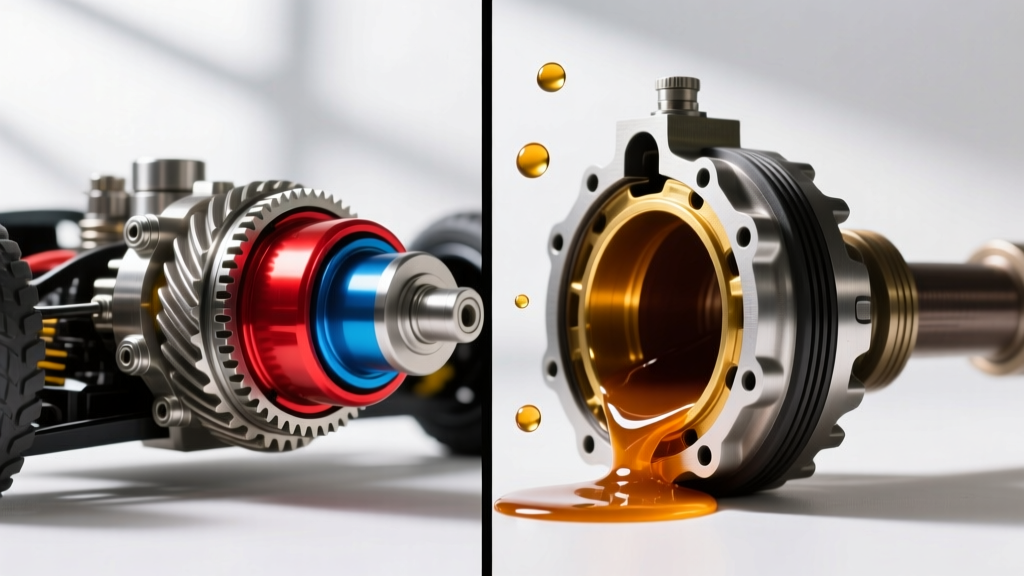
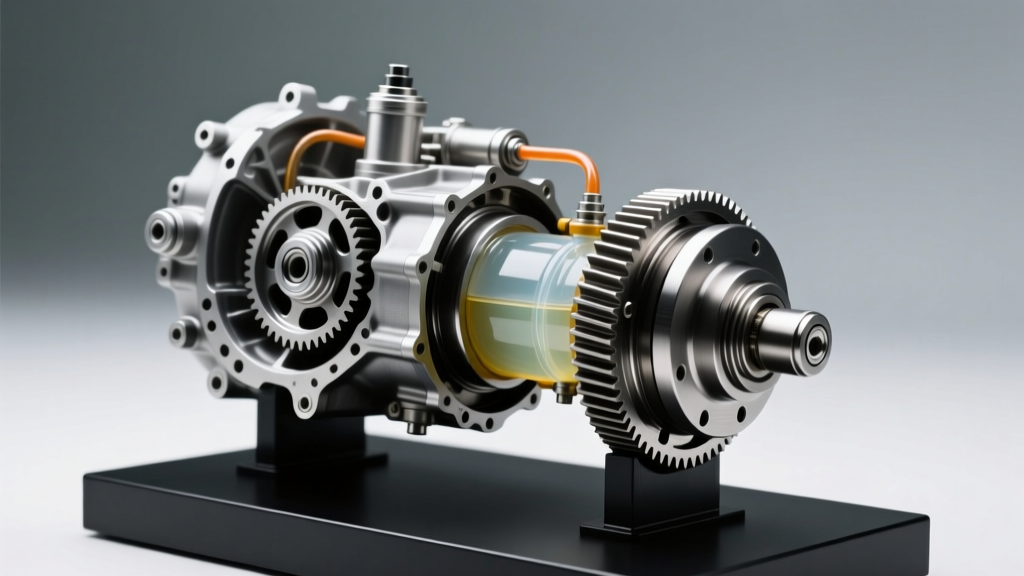
Because the 188mm housing relies on hypoid gear geometry, the sliding friction between the ring and pinion generates immense heat and shear forces. Selecting the correct differential fluid is not just about lubrication; it dictates the mechanical behavior of the locking unit itself. The 188mm differential holds approximately 1.5 Liters (1.6 Quarts) of gear oil.
Viscosity and GL Ratings
You must exclusively use API GL-5 rated gear oils. GL-4 fluids lack the extreme pressure (EP) additives required to protect the hypoid teeth from microwelding and spalling under high torque. For street and moderate track use, a 75W-90 synthetic is ideal, providing quick flow on cold starts while maintaining a stable hydrodynamic film at operating temperatures (typically 180°F - 220°F). For dedicated track cars running high-sticky slicks or drag radials, stepping up to a 75W-140 provides a thicker shear-stable film to protect the ring gear teeth under shock loads.
The Friction Modifier (FM) Dilemma
This is where most builders make a catastrophic error. The type of locking differential you install dictates whether you need a friction modifier additive.
- Helical Diffs (Wavetrac, Quaife): DO NOT use friction modifiers. These diffs rely on the precise coefficient of friction between the helical gears and their thrust washers to generate torque bias. Adding FM makes the thrust surfaces too slippery, effectively reducing the locking bias and causing the diff to behave like an open unit under load.
- Clutch-Type Diffs (OS Giken, Cusco): FRICTION MODIFIER IS MANDATORY. Without FM, the clutch packs will experience 'stick-slip' engagement, resulting in violent chassis chatter, binding during low-speed parking maneuvers, and premature clutch disc glazing. Always follow the manufacturer's exact FM dosage (usually 2-4 oz per 1.5L of fluid).
Pro-Tip from the Paddock: For clutch-type 188mm differentials subjected to extreme track abuse, many top-tier racing teams bypass standard synthetic 75W-90 and opt for Red Line ShockProof Heavy. This fluid contains microscopic solid dispersions that act as a cushion for the gear teeth and clutch packs under massive shock loads, though it requires more frequent 3,000-mile drain intervals.
Installation Torque Specs and Rebuild Data
Upgrading your 188 differential types requires precision during the rebuild process. The factory 188mm housing features a pressed-on rear cover (on E36/E46/E9X models), meaning you cannot simply unbolt it. The case must be carefully heated, or a specialized hydraulic press setup must be used to remove the cover without warping the bearing bores.
Crucial Torque Specifications
- Ring Gear to Case Bolts: Early 188mm diffs use M10x1.25 bolts (Torque: 65 Nm + 90 degrees). Later high-torque models use M12x1.25 bolts (Torque: 100 Nm + 90 degrees). Always use new OEM BMW stretch bolts and apply a medium-strength threadlocker (Loctite 243).
- Pinion Nut Torque: The factory setup uses a crush sleeve to set pinion bearing preload. For any performance build, discard the crush sleeve and install a solid pinion spacer (available from specialists like BimmerWorld). With a solid spacer, torque the pinion nut to 160 Nm and measure the rotating preload with a beam-style inch-pound torque wrench. Target 12-16 in-lbs of rotational drag for used bearings, or 18-22 in-lbs for brand-new Timken bearings.
- Output Flange Bolts: M8x1.0 bolts securing the CV joints to the 6-bolt or 8-bolt output flanges should be torqued to 56 Nm (41 lb-ft) with blue threadlocker.
Break-In and Service Intervals
While helical units like the Wavetrac require no special break-in, a freshly rebuilt 188mm housing with a new ring and pinion gear set requires a strict break-in protocol. Fill with a high-quality 75W-90 GL-5 fluid (such as Red Line 75W90 NS for helical diffs). Drive conservatively for the first 500 miles, avoiding sustained highway speeds to prevent overheating the hypoid gear contact patch. After 500 miles, drain the fluid to remove the initial molybdenum disulfide break-in paste and metallic particulates, then refill with your final race or street fluid.
Summary
Understanding the nuances of 188 differential types is the difference between a car that hooks out of the apex and one that melts its tires into useless smoke. Whether you choose the maintenance-free predictability of a Wavetrac helical unit or the aggressive, tunable lockup of an OS Giken clutch-pack, your build's success hinges on matching the correct differential fluid to the mechanism. Respect the torque specs, eliminate the crush sleeve, and treat your 188mm differential to the precise lubrication it demands. For more deep-dive technical guides on European drivetrain systems, continue exploring our extensive transmission and axle archives.