The AWD Drivetrain: Where the Front Unit Meets the Rear Axle
For many crossover owners, the All-Wheel Drive (AWD) system is a mysterious network of gears and fluids hidden beneath the floorboards. You see the 'AWD' badge on the back of your vehicle, but what actually happens when the front tires slip on a rainy highway? To understand this, we must explore the critical relationship between the front power distribution unit and the Nissan Rogue rear differential. Whether you are driving an older T32 generation or the newer T33 platform dominating the roads in 2026, understanding this mechanical handshake is essential for longevity, safety, and proper maintenance.
In this beginner-friendly explainer, we will demystify the drivetrain, contrast traditional transfer cases with modern crossover engineering, and provide actionable maintenance advice to keep your AWD system operating flawlessly.
Transfer Case vs. Power Transfer Unit (PTU): What is the Difference?
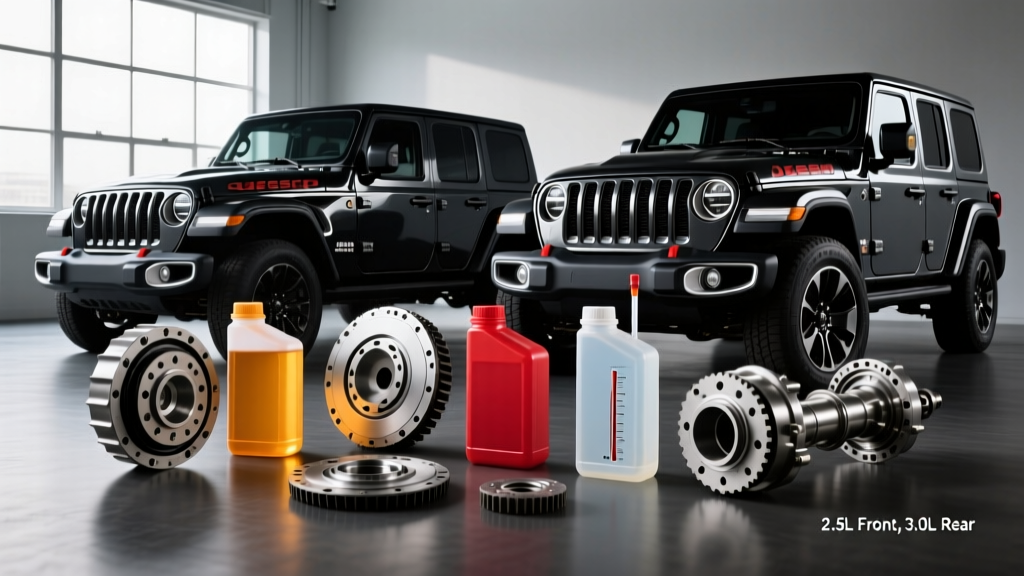
When automotive enthusiasts hear the term 'transfer case,' they often picture a rugged, gear-driven metal box bolted behind the transmission in a traditional body-on-frame 4x4 truck, like a Jeep Wrangler or Toyota 4Runner. These traditional transfer cases feature heavy-duty chain or gear drives, high/low range gearing, and a dedicated sump of heavy gear oil.
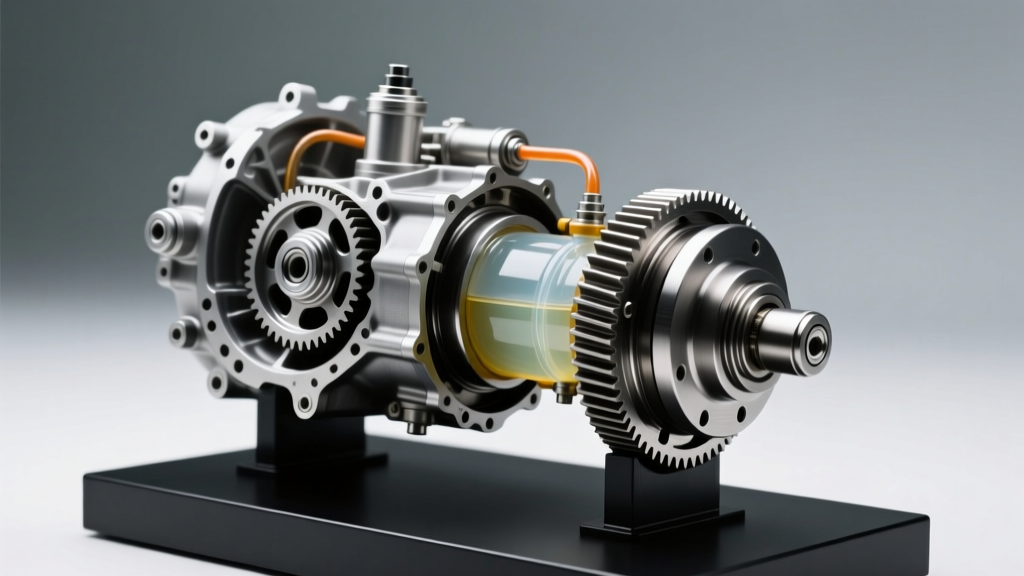
However, the Nissan Rogue is a unibody crossover. It does not use a traditional transfer case. Instead, it utilizes a Power Transfer Unit (PTU). The PTU is a compact, integrated gearbox bolted directly to the side of the Xtronic CVT (Continuously Variable Transmission) transaxle. Its sole job is to intercept rotational power from the front axle and redirect it 90 degrees backward toward the rear of the vehicle via the driveshaft. While the terminology differs, the PTU serves the exact same foundational purpose in the Rogue's AWD relationship as a transfer case does in a truck.
The Role of the Nissan Rogue Rear Differential
Once the PTU sends torque down the carbon-steel or aluminum driveshaft, that rotational energy arrives at the rear axle assembly. This is where the Nissan Rogue rear differential takes over. The rear differential is a cast-aluminum or stamped-steel housing containing a ring and pinion gear set. Its primary functions are twofold:
- Speed Reduction and Torque Multiplication: The ring and pinion gears reduce the high-speed rotation of the driveshaft into usable, high-torque wheel speed.
- Cornering Compensation: When you navigate a tight corner in a parking lot, the outside rear wheel must travel a greater distance than the inside rear wheel. The differential's internal spider gears allow the wheels to rotate at different speeds, preventing tire scrubbing and drivetrain binding.
How the PTU and Rear Differential Work Together
The relationship between the front PTU and the rear differential is not a permanent, locked connection. If it were, the vehicle would 'bind' and hop during tight turns on dry pavement. Instead, the Nissan Rogue utilizes an electronically controlled torque coupling, often integrated into or mounted just ahead of the rear differential housing.
According to Nissan Newsroom technical briefings on their Intelligent AWD system, the vehicle's computer monitors wheel slip, throttle position, and steering angle. Under normal highway cruising, the system operates in 100% front-wheel drive to maximize fuel economy. The driveshaft may spin, but the torque coupling inside the rear assembly remains disengaged. When slip is detected, an electromagnetic clutch pack compresses, locking the front PTU's output to the rear differential's input, seamlessly sending up to 50% of the engine's torque to the rear wheels.
| Component | Location | Primary Function | Typical Lubricant |
|---|---|---|---|
| Power Transfer Unit (PTU) | Front, bolted to CVT | Redirects power 90-degrees to the driveshaft | CVT Fluid (NS-3) / Specific Gear Oil |
| Driveshaft | Center, undercarriage | Transmits rotational force to the rear | Sealed U-Joints / Center Bearing Grease |
| Torque Coupling | Rear, ahead of or inside diff | Electronically engages/disengages rear power | Specialized Clutch Fluid / Integrated Gear Oil |
| Rear Differential | Rear axle assembly | Splits torque to rear wheels, allows cornering | 75W-90 GL-5 Hypoid Gear Oil |
The 2026 Maintenance Reality: Why Fluid Health Matters
As we look at the automotive landscape in 2026, thousands of T32 (2014-2020) and early T33 (2021+) Nissan Rogues are crossing the 100,000-mile threshold. At this mileage, the relationship between the front and rear drivetrain components becomes highly dependent on fluid condition. The Car and Driver long-term test fleet notes that crossover AWD systems are incredibly reliable, provided the often-overlooked rear differential fluid is serviced.
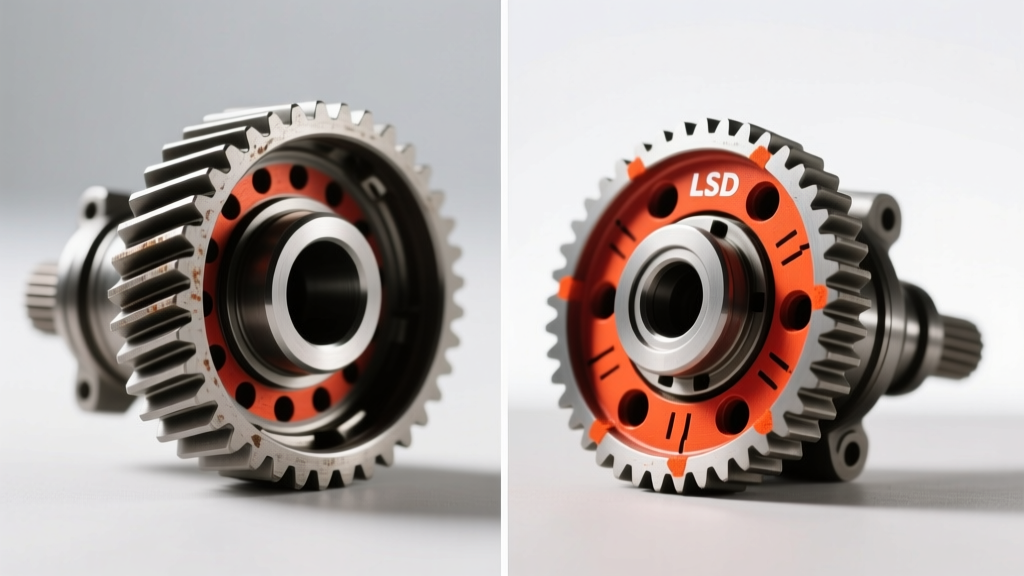
Because the rear differential in the Rogue holds a relatively small volume of fluid (typically around 0.4 to 0.5 Liters), it has very little thermal mass. If the electronic coupling engages frequently due to towing, aggressive driving, or living in snowy climates, the 75W-90 gear oil degrades rapidly. Once the fluid loses its extreme-pressure (EP) additives, the ring and pinion gears begin to wear, leading to a characteristic 'whining' or 'howling' noise that increases with vehicle speed.
DIY Service: Rear Differential Fluid Specifications
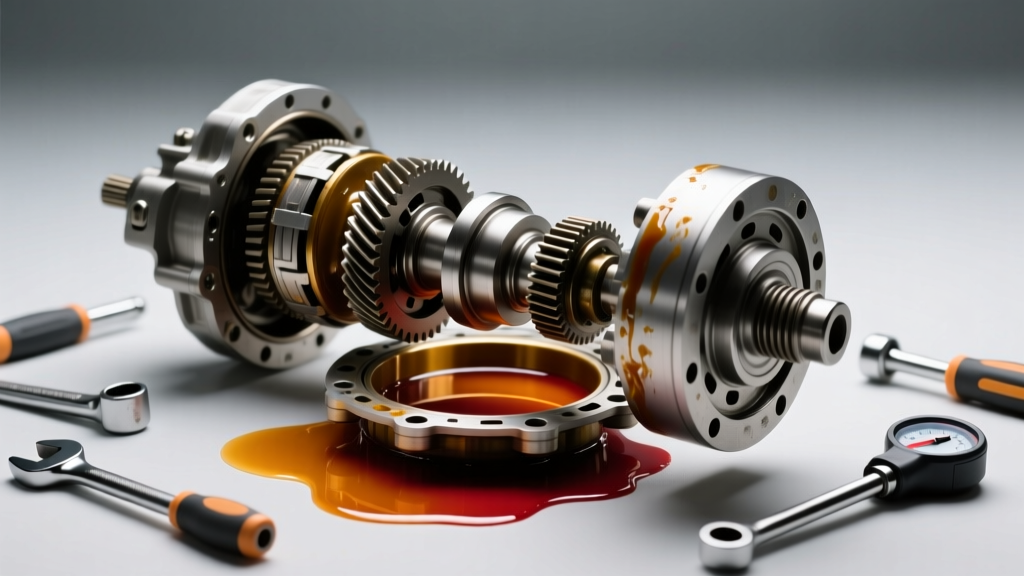
Servicing the rear differential is a highly rewarding DIY task that requires minimal tools and takes less than an hour. Here are the exact specifications you need:
- Fluid Type: API GL-5 Hypoid Gear Oil, SAE 75W-90 (Synthetic recommended for better thermal stability).
- Capacity: Approximately 0.45 Liters (roughly 1.5 pints or just under half a quart).
- Drain/Fill Plug Torque: 25 to 34 Nm (18 to 25 lb-ft). Always use a torque wrench to avoid stripping the aluminum housing threads.
- Tool Required: 10mm Hex (Allen) socket, 3/8-inch drive ratchet, and a manual fluid transfer pump.
- Estimated Cost: $25 - $45 for DIY (fluid only); $120 - $180 at an independent shop.
The Golden Rule of AWD: Tire Circumference and Drivetrain Binding
One of the most common ways owners inadvertently destroy the relationship between the PTU and the rear differential is by ignoring tire tread depth variance. AA1Car's technical library on AWD systems emphasizes that mismatched tires are the number one killer of modern electronic torque couplings.
Expert Warning: If you suffer a blowout and replace only one or two tires on your Nissan Rogue, the smaller circumference of the worn tires will cause them to spin at a different RPM than the new tires. The vehicle's computer will interpret this as 'wheel slip' and constantly engage the rear torque coupling. This creates immense friction, overheating the rear differential fluid and burning out the clutch packs in a matter of miles. Always replace tires in sets of four, or have new tires 'shaved' to match the tread depth of the existing set.
Diagnosing Drivetrain Relationship Failures
How do you know if the handshake between the front PTU and the rear differential is failing? Pay attention to these symptoms during your daily commute:
- Shudder During Tight Turns: If the vehicle feels like it is 'skipping' or binding when turning sharply in a parking lot, the torque coupling may be stuck engaged, or the rear differential fluid is severely degraded and failing to lubricate the spider gears.
- Highway Whining: A steady howl from the rear of the cabin that changes pitch with speed (not RPM) points directly to worn ring and pinion bearings inside the rear differential.
- AWD Warning Light: If the PTU overheats or the rear coupling fails to engage, the vehicle will default to FWD and illuminate a dashboard warning. This is a fail-safe mode to prevent catastrophic mechanical failure.
Final Thoughts on Crossover Drivetrain Care
The Nissan Rogue's Intelligent AWD system is a marvel of modern packaging, replacing heavy, clunky transfer cases with lightweight, electronically managed power transfer units. However, this complexity means that the front PTU and the rear differential must operate in perfect harmony. By understanding how torque flows from the transaxle to the rear wheels, and by adhering to strict 75W-90 fluid change intervals every 30,000 to 50,000 miles, you can ensure your crossover remains sure-footed and reliable for hundreds of thousands of miles. Treat your drivetrain fluids as vital lifeblood, and the mechanical relationship beneath your feet will never let you down.