The Limits of OEM and the Single Plate Myth
When pushing a modern 200-plus horsepower liter bike or a high-revving 450cc motocross machine, the stock clutch is often the first drivetrain component to fail under aggressive load. Many riders mistakenly search for a standalone replacement bike clutch plate to cure slipping issues, only to find that a single-plate swap masks the underlying problem for a few hundred miles before catastrophic failure returns. True performance and reliability demand a comprehensive kit approach.
As we navigate the 2026 performance motorcycle landscape, factory emissions and noise regulations have forced OEMs to prioritize lightweight, low-drag clutch designs over absolute clamping force. Upgrading your drivetrain requires a deep understanding of clutch kit components. Whether you are building a track-day weapon, a drag bike, or an enduro racer, understanding the material science and mechanical tolerances of your clutch pack is non-negotiable.
Anatomy of a Performance Motorcycle Clutch Kit
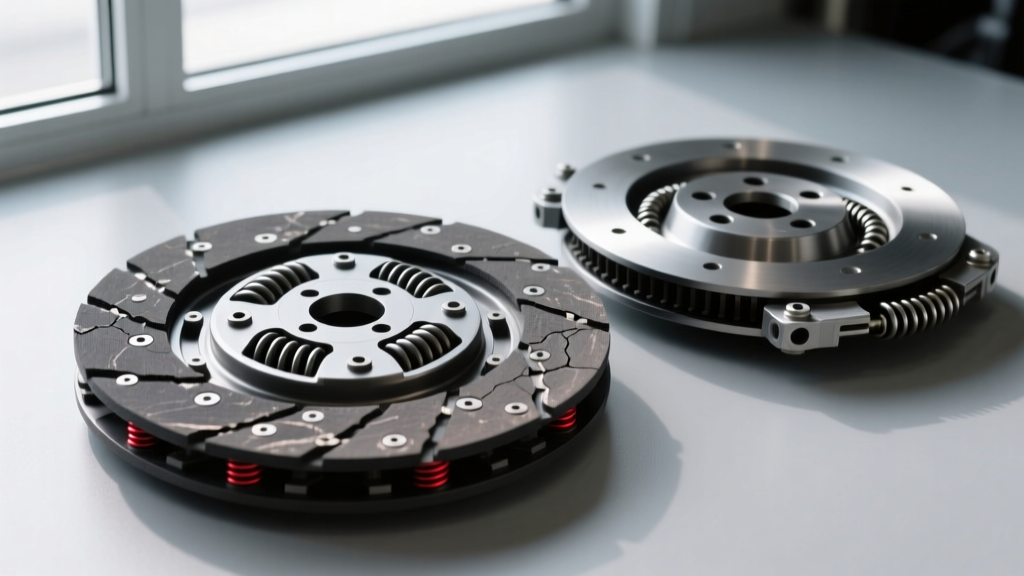
A complete performance clutch kit is an engineered ecosystem. Swapping one component without addressing the others creates an imbalance in clamping force, thermal dissipation, and lever feel. Below, we dissect the core components that make up a premium upgrade kit.
Friction Plates: The Heart of the Engagement
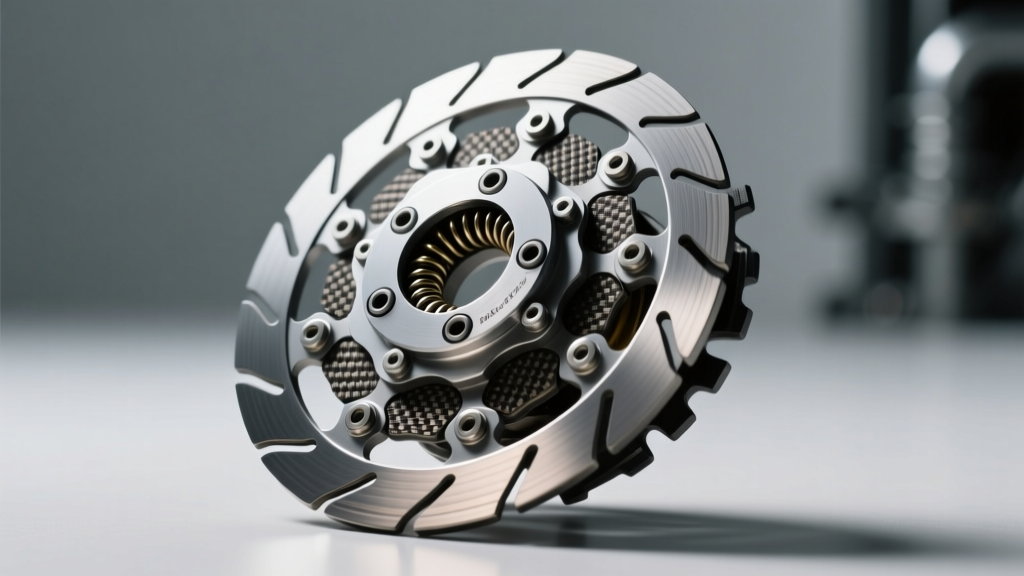
The friction plates are the primary wear items in any clutch assembly. When sourcing an upgraded bike clutch plate, you will generally encounter three distinct friction materials, each tailored to a specific riding discipline:
- Kevlar/Aramid Fiber (e.g., EBC CK Series): Woven Kevlar offers a highly progressive engagement and exceptional heat tolerance, surviving continuous surface temperatures exceeding 500°F. It is the gold standard for track-day and aggressive street riding. However, Kevlar requires a meticulous break-in procedure (typically 50-100 miles of varied slip) to mate the fibers to the steel plates and prevent glazing.
- Carbon Fiber (e.g., Barnett Carbon Kits): Carbon fiber provides a higher initial friction coefficient and significantly reduces rotational mass. According to Barnett Clutches, carbon setups dissipate heat rapidly and resist fade during repeated hard launches. The trade-off is a more abrupt, 'on/off' engagement that can be punishing in stop-and-go traffic or technical off-road terrain.
- Sintered Iron/Copper: Reserved almost exclusively for drag racing and lock-up clutch applications. Sintered materials offer near-zero slip and aggressive lock-up but generate massive heat and require specialized, non-wet-clutch lubricants or dedicated dry-clutch housings.
Steel Separator Plates: Beyond Simple Spacers
Often overlooked, the steel separator plates are just as critical as the friction material. OEM plates are typically stamped and ground, leaving internal metallurgical stresses. Under the extreme thermal cycling of a performance engine, these plates warp, leading to parasitic drag and incomplete disengagement.
Premium kits utilize cryogenically treated, precision-ground steel. Cryogenic treatment (cooling the steel to -300°F) alters the crystalline structure, relieving stamping stresses and ensuring the plates remain flat within a 0.002-inch tolerance even under severe thermal loads. Furthermore, performance plates often feature a specific surface Ra (roughness average) finish designed to optimize the bedding process with aramid or carbon fibers.
Heavy-Duty Clutch Springs: Managing Clamping Force
Friction material is useless without adequate clamping force. Performance spring kits increase the clamping load by 15% to 30% over OEM specifications. However, spring selection requires careful attention to coil bind.
Coil bind occurs when a spring is compressed to the point that its physical coils touch each other. If an upgraded, higher-rate spring is too long for the clutch basket depth, pulling the lever fully will result in coil bind before the pressure plate has lifted sufficiently. This transfers immense mechanical stress directly to the pressure plate casting and the M5/M6 spring bolts, frequently resulting in snapped bolts or a cracked pressure plate. Always measure free length and compressed length against your specific basket depth when installing heavy-duty springs.
Component Selection Matrix by Riding Discipline
Choosing the right combination of bike clutch plate materials and spring rates is critical. Use the matrix below to guide your component selection based on your primary riding application.
| Discipline | Friction Material | Spring Rate Increase | Key Characteristic |
|---|---|---|---|
| Track Day / Sport | Kevlar / Aramid | +15% to +20% | Progressive feel, high heat tolerance, smooth downshifts |
| Motocross / Enduro | Paper / Cork blend | +10% (Focus on feel) | Light lever pull, immediate engagement, mud/oil resistance |
| Drag Racing | Carbon Fiber / Sintered | +30% to +50% | Zero slip, aggressive lock-up, handles massive shock loads |
| Touring / Commuting | OEM-equivalent Paper | Stock (0%) | Forgiving engagement, long service life, low lever effort |
The Role of the Basket and Inner Hub
You can install the most advanced friction plates on the market, but if your clutch basket is compromised, the kit will fail prematurely. The primary enemy of aluminum clutch baskets is notching. Over time, the tangs of the friction plates hammer into the soft cast aluminum fingers of the basket, creating microscopic divots.
When notching occurs, the friction plates hang up in these divots, preventing the clutch from fully disengaging even when the lever is pulled to the bar. This causes the bike to creep forward at stops, makes neutral difficult to find, and results in harsh, jerky gear changes. Performance upgrades address this in two ways:
- Hard-Anodized Billet Baskets: CNC-machined from 7075-T6 aluminum and Type III hard-anodized, these resist notching significantly longer than cast OEM units.
- Stainless Steel Inserts: Brands like Hinson and Wiseco press stainless steel wear sleeves onto the basket fingers, providing a surface that is virtually impervious to tang hammering.
Additionally, the inner hub's cushion rubbers (damper springs) must be inspected. These rubber or polyurethane dampers absorb the shock of engagement. In high-horsepower applications, upgrading to stiffer polyurethane dampers reduces drivetrain lash and improves throttle response, though it may transmit more engine vibration to the chassis.
Installation Protocols and Torque Specifications
Precision installation is where many DIY upgrades fail. The internal environment of a motorcycle transmission is hostile, and improper torque sequences will lead to immediate failure.
Hub Nut and Lock Washer
The clutch hub nut secures the entire assembly to the transmission mainshaft. Never use an impact wrench to tighten the hub nut. The sudden shock loads can shatter brittle cast inner hubs or gall the mainshaft threads. Always use a dedicated hub holding tool (such as those from Motion Pro or OEM-specific tools) and a calibrated torque wrench. Typical torque specifications range from 55 lb-ft to 75 lb-ft (e.g., Yamaha YZF-R1 is typically 58 lb-ft, while the Kawasaki ZX-10R requires 72 lb-ft). Always use a new lock washer and stake it properly into the shaft groove.
Spring Bolts and Threadlocker
The pressure plate is secured by 4 to 6 small bolts (usually M5x0.8 or M6x1.0). These are subjected to intense harmonic vibration. They must be torqued to exactly 7 to 10 Nm (5 to 7.5 lb-ft) in a star pattern. Crucially, you must apply a medium-strength, oil-tolerant threadlocker like Loctite 243. Standard Loctite 242 can break down when constantly bathed in hot engine oil, leading to backed-out bolts and destroyed clutch covers.
Fluid Selection: The JASO MA2 Mandate
Most modern motorcycles utilize a wet clutch system, meaning the bike clutch plate pack is bathed in the same engine oil that lubricates the crankshaft and transmission. You must exclusively use oils certified to the JASO MA2 standard. Automotive oils and some 'energy-conserving' motorcycle oils contain molybdenum and other friction modifiers that will coat the friction plates, causing irreversible slip and glazing. For hydraulic actuation circuits, ensure the master cylinder is bled with fresh DOT 4 or DOT 5.1 fluid, checking the manufacturer's reservoir cap for compatibility.
Diagnosing Premature Wear in Upgraded Kits
Even premium components from EBC Brakes or Barnett can fail prematurely if the supporting systems are neglected. If your upgraded clutch begins to slip after only a few thousand miles, investigate the following edge cases:
- Cable Free Play (Cable-Actuated): As friction plates wear, the clutch pack stack height decreases. If the cable is not adjusted to maintain 10-15mm of free play at the lever, the actuator arm will continuously apply slight pressure to the pressure plate, causing micro-slipping, massive heat generation, and rapid glazing of the Kevlar or Carbon fibers.
- Master Cylinder Bore Wear (Hydraulic): If the return port in the hydraulic master cylinder is blocked by debris or a swollen seal, hydraulic pressure remains trapped in the line. This acts exactly like a rider resting their fingers on the lever, leading to burnt friction plates.
- Warped Steel Plates: If the bike was subjected to a severe stall-test or prolonged slipping in deep mud, the steel separator plates may have blued and warped. Reusing warped steel plates with brand-new friction plates will result in localized hot spots and immediate failure of the new friction material.
Pro-Tip for 2026 Builds: When measuring clutch pack stack height, do not just rely on the service manual's minimum thickness spec for individual plates. Measure the total compressed stack height of the entire friction and steel pack. If the total stack is below the manufacturer's threshold, the clutch springs will be operating outside their optimal compression range, resulting in a spongy lever feel and inadequate clamping force, regardless of how heavy-duty the springs are rated.
Conclusion
Upgrading your motorcycle's drivetrain is an exercise in applied physics. A high-performance bike clutch plate is only as effective as the steel it mates with, the springs that compress it, and the basket that houses it. By selecting discipline-specific friction materials, respecting cryogenic steel tolerances, and adhering to strict torque and fluid protocols, you can transform your motorcycle's shifting performance, ensuring that every ounce of horsepower makes it cleanly to the rear tire.