Why High-Capacity Covers Change the Fluid Game
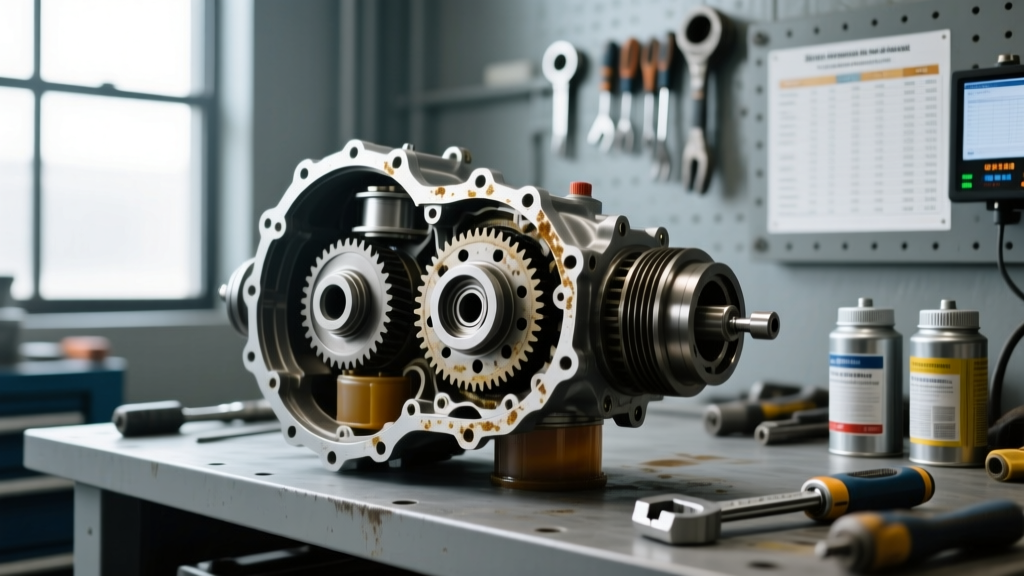
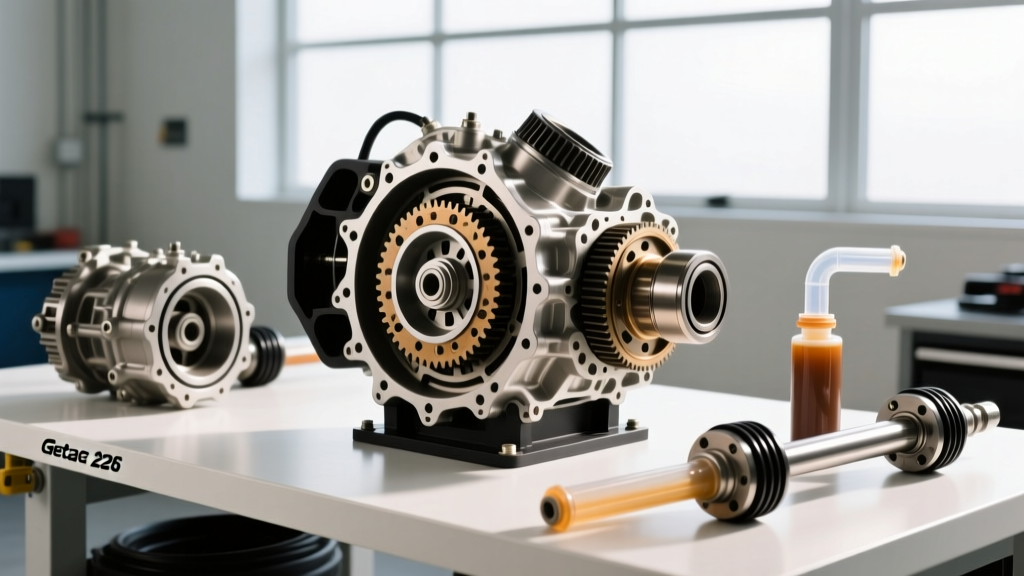
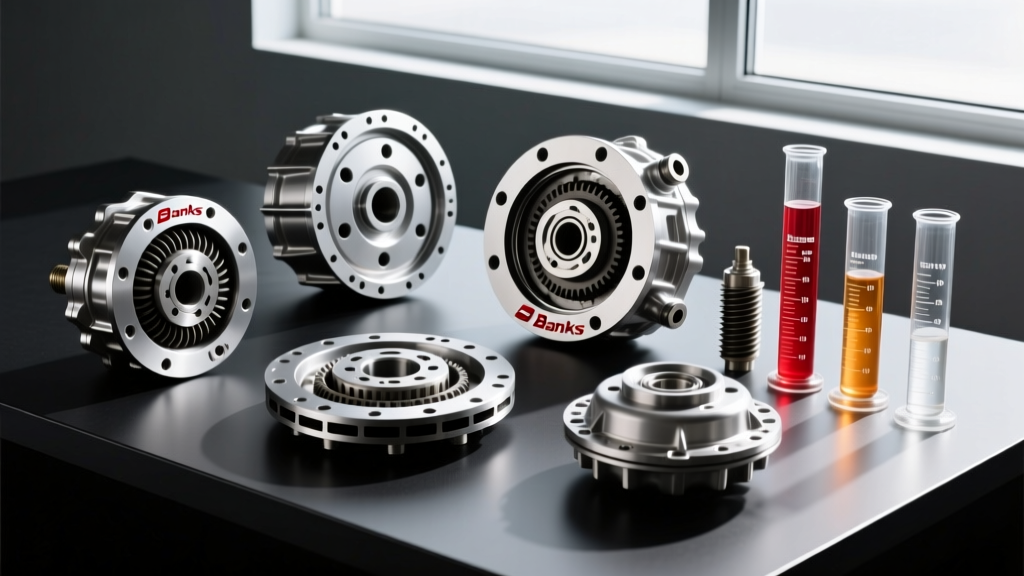
When you push a heavy-duty truck to its limits—whether towing a 15,000-pound fifth wheel or crawling through off-road terrain—the ring and pinion gears in your axle assembly generate immense friction and heat. Upgrading to Banks differential covers is one of the most effective modifications for 2500 and 3500 series trucks, but it fundamentally alters your axle's thermal dynamics and fluid requirements. By increasing the sump depth and adding external cooling fins, these covers drop fluid temperatures by up to 30°F to 50°F under load. However, this increased volume and altered cooling profile means you must carefully select the right differential fluid types and specifications to maintain optimal hydrodynamic lubrication.
Decoding Gear Oil: API GL-5 and MIL-PRF-2105E
Before selecting a viscosity, you must understand the chemical specifications required for hypoid gear sets found in modern solid axles. According to the American Petroleum Institute (API), hypoid gears experience severe sliding action across the gear teeth, requiring Extreme Pressure (EP) additives to prevent metal-on-metal welding.
The Role of Sulfur-Phosphorus Additives
You must exclusively use fluids rated API GL-5 or the military specification MIL-PRF-2105E. These fluids contain sulfur-phosphorus compounds that react with the metal surfaces under high heat and pressure to form a sacrificial solid film. Using a GL-4 fluid in a heavy-duty truck differential will result in catastrophic ring and pinion failure within a few thousand miles of towing. Furthermore, ensure the fluid is certified for MT-1 (Manual Transmission-1), which guarantees thermal stability and seal compatibility over extended drain intervals.
Viscosity Breakdown: 75W-90 vs. 75W-140 vs. 50W-110
Choosing the correct viscosity for your Banks differential cover depends heavily on your payload and ambient climate. The deeper sump of the Banks cover allows for better heat dissipation, which can sometimes allow you to run a slightly lower viscosity than you would with a restrictive stock cover, improving parasitic drag and fuel economy.
- 75W-90 (The Daily/Towing Standard): Ideal for trucks that see a mix of daily driving and moderate towing (under 10,000 lbs). It offers excellent cold-weather flow, ensuring the pinion bearing receives immediate lubrication on startup. However, under extreme continuous loads, the fluid film can shear thin.
- 75W-140 (The Heavy Hauler): Recommended for commercial towing, heavy fifth-wheel loads, and sustained high-speed highway driving in hot climates. The thicker base oil maintains a robust hydrodynamic wedge between the ring and pinion gears at 200°F+ bulk temperatures. The trade-off is increased rolling resistance and slightly lower MPG.
- 50W-110 (The Modern Synthetic Sweet Spot): Emerging as a favorite in 2026, 50W-110 synthetic gear oils offer the high-temperature shear stability of a 140-weight oil with the cold-flow characteristics of a 90-weight. This is highly recommended for trucks equipped with Banks covers that operate in regions with extreme seasonal temperature swings.
Banks Differential Covers: Capacity & Fill Chart
One of the most common mistakes during an axle service is underfilling the differential after installing an aftermarket cover. Because Banks Power designs their covers with expanded sumps and internal cooling tubes, the factory fill specifications in your owner's manual are no longer accurate. Below is a comparison chart for the most common heavy-duty axles.
| Axle Model | Banks Part Number | Stock Cover Capacity | Banks Cover Capacity | Recommended Fluid Type |
|---|---|---|---|---|
| AAM 11.5 (Ram Cummins) | 19211 (Rear) | ~3.5 Quarts | ~4.8 Quarts | 75W-90 or 75W-140 Synthetic |
| AAM 11.5 (GM Duramax) | 19241 (Rear) | ~3.8 Quarts | ~5.0 Quarts | 75W-90 Synthetic GL-5 |
| Sterling 10.5 (Ford Powerstroke) | 19231 (Rear) | ~3.5 Quarts | ~4.5 Quarts | 75W-140 Synthetic GL-5 |
Pro Tip: Always fill the differential until the fluid level is exactly flush with the bottom of the fill hole. With the deeper Banks covers, this may require purchasing 6 quarts of gear oil to ensure you have enough to reach the threshold without running dry during the initial fill and gear rotation.
Limited-Slip Additives: Do You Need Them?
If your truck is equipped with a factory limited-slip differential (LSD), such as the Eaton Gov-Loc or an Auburn aftermarket unit, the fluid specification changes slightly. Clutch-type LSDs require a friction modifier additive to prevent the clutches from chattering during low-speed cornering.
Many premium synthetic gear oils (like those from AMSOIL or Red Line) come pre-loaded with a baseline friction modifier. However, if you experience chatter after installing your Banks cover and filling it with new fluid, you will need to add a dedicated 4 oz bottle of LSD friction modifier. Note that Torsen (torque-sensing) differentials do not use clutch packs and therefore do not require friction modifiers; standard API GL-5 is sufficient.
Installation Protocol: Torque Specs and Sealing
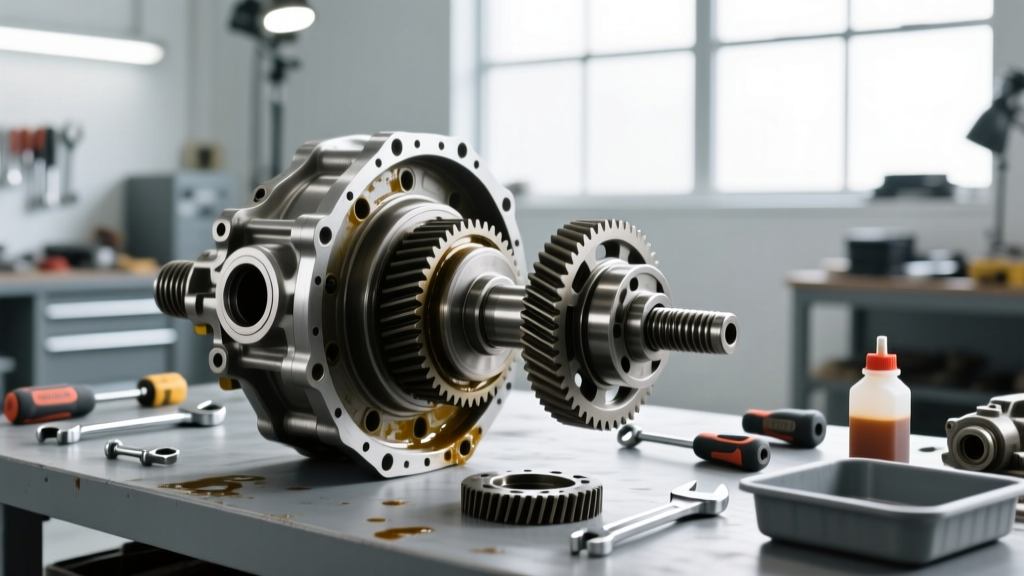
Upgrading to a Banks cover is an excellent time to flush degraded factory mineral oil, but the installation must be executed precisely to prevent leaks and warped flanges. Unlike factory stamped-steel covers that rely on thick RTV silicone, Banks covers are cast from high-grade aluminum and are designed to be used with specific reusable gaskets or precise beads of high-temp RTV.
Critical Torque Specifications
Over-torquing the cover bolts is a frequent DIY error that warps the aluminum flange, leading to persistent seepage. For the AAM 11.5 and Sterling 10.5 axles using M10x1.5 flange bolts, the recommended torque specification is 30 lb-ft (41 Nm).
Use a star-pattern tightening sequence, starting from the center and working outward, to ensure even clamping force across the gasket. Allow the RTV (if used) to cure for a minimum of 2 hours before filling the axle with gear oil, and wait 24 hours before subjecting the truck to heavy towing loads.
2026 Buyer’s Guide: Top Synthetic Gear Oils
Based on shear stability testing, thermal breakdown resistance, and compatibility with high-capacity aftermarket covers, here are the top differential fluids for heavy-duty applications:
- AMSOIL Severe Gear 75W-90 / 75W-140: Widely considered the benchmark for heavy towing. Features an extremely high viscosity index and robust sulfur-phosphorus EP additive package. (Est. $22 - $26 per quart)
- Red Line 75W-140 Heavyweight: Contains high levels of polyol ester base stocks, which naturally cling to gear surfaces, providing excellent startup protection for the pinion bearings. (Est. $28 - $32 per quart)
- Royal Purple Max Gear 75W-90: Includes the proprietary Synerlec additive technology and built-in friction modifiers, making it a versatile choice for trucks with clutch-type LSDs. (Est. $24 - $28 per quart)
Investing in premium synthetic gear oil is non-negotiable when maximizing the performance of your Banks differential cover. The expanded fluid volume keeps the oil cooler, but only a high-quality synthetic base stock can maintain the necessary protective film across the ring and pinion gears during the most grueling towing scenarios.