The rear differential is the final mechanical handshake between your transmission’s output shaft and the pavement. Operating under extreme shear stress and hypoid sliding friction, the ring and pinion gears rely entirely on a thin film of specialized gear oil to prevent catastrophic metal-on-metal welding. When rear axle noises emerge, drivers are immediately faced with a critical diagnostic fork in the road: is this a simple maintenance oversight, or a terminal gear failure? Understanding the root cause of these acoustic symptoms is the only way to accurately forecast your differential service price, which can range from a $120 fluid swap to a $3,000 complete axle rebuild.
Acoustic Diagnostics: Pinpointing the Rear Axle Failure
Before a wrench touches the differential cover, a road test is mandatory. The specific frequency, pitch, and load-condition of the noise will dictate whether you are looking at a minor fluid degradation issue or a major bearing failure. Here is the professional diagnostic matrix for rear differential noises:
- Whine on Deceleration (Coast-Down): This is the classic signature of a failing pinion bearing. When you lift off the throttle, the drivetrain load reverses, pushing the pinion gear against the drive side of the ring gear. If the pinion bearing is worn, the pinion deflects, altering the gear contact pattern and generating a high-pitched whine. Prognosis: Bearing replacement required. Fluid service alone will not fix this.
- Howl on Acceleration: If the noise appears only under load, the ring gear side bearings or the ring-and-pinion backlash are suspect. As torque is applied, worn carrier bearings allow the entire differential case to deflect away from the pinion, causing the gears to mesh improperly. Prognosis: Carrier bearing replacement and gear setup adjustment.
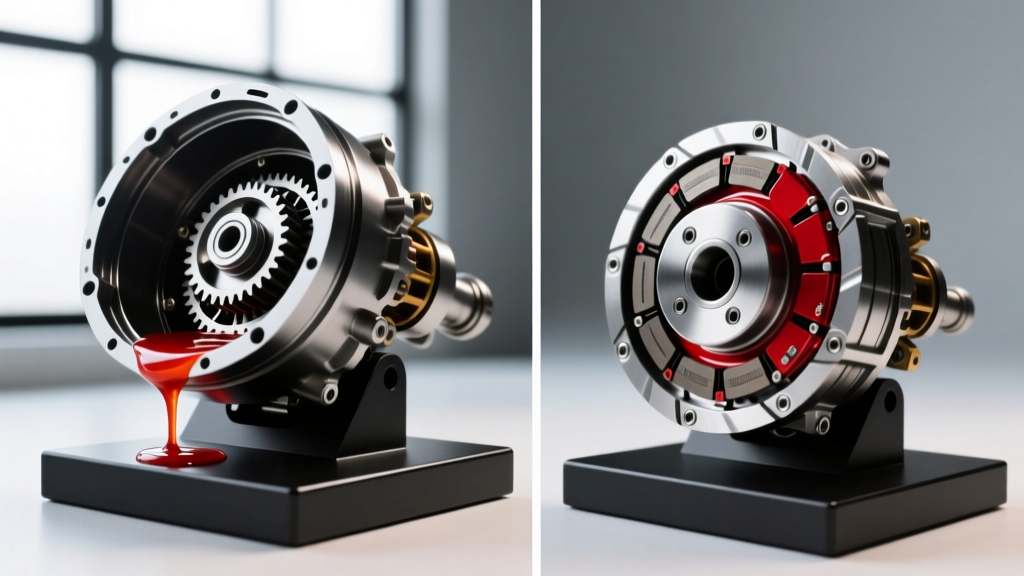
- Chatter or Binding on Low-Speed Turns: Exclusive to Limited Slip Differentials (LSD) like Ford’s Trac-Loc, GM’s Positraction, or Dana’s Trac-Lok. This occurs when the clutch packs inside the LSD bind instead of slipping smoothly during cornering. Prognosis: Often cured by draining the fluid and adding the correct friction modifier (e.g., Motorcraft XL-3 or GM 1052358). If chatter persists after 500 miles, the clutch packs are glazed and require a rebuild.
- Clunk on Engagement: While often blamed on the differential, a sharp metallic clunk when shifting from Reverse to Drive is more frequently caused by worn driveshaft U-joints, excessive slip-yoke play, or worn spider gears inside the differential case. Prognosis: Inspect U-joints first; check spider gear clearances if driveline is tight.
The 2026 Differential Service Price Matrix
Once the diagnosis is complete, the financial reality sets in. The differential service price fluctuates wildly based on the axle architecture, the presence of an LSD, and where the work is performed. Below is the 2026 national average cost breakdown for rear differential maintenance and repair.
| Service / Repair Tier | DIY Cost (Parts Only) | Independent Shop (2026 Avg) | Dealership Network |
|---|---|---|---|
| Standard Fluid Drain & Fill (Open Diff, e.g., GM 9.5") | $35 - $55 | $120 - $160 | $180 - $240 |
| LSD Fluid + Modifier Service (e.g., Ford 8.8 Trac-Loc) | $50 - $75 | $150 - $210 | $220 - $290 |
| Heavy-Duty Axle Service (Dana 60/70, 4.0+ Quarts) | $80 - $130 | $200 - $280 | $300 - $450 |
| Pinion Seal Replacement (Fluid loss at yoke) | $25 - $40 | $250 - $400 | $450 - $650 |
| Complete Ring & Pinion Rebuild (Bearings, Seals, Gears) | $450 - $800 | $1,500 - $2,400 | $2,500 - $3,800 |
Note: Dealership labor rates in 2026 average $160-$220 per hour, while specialized independent drivetrain shops typically charge $120-$150 per hour but possess vastly superior gear-setup tooling.
Hypoid Gear Chemistry: Why GL-5 and Friction Modifiers Matter
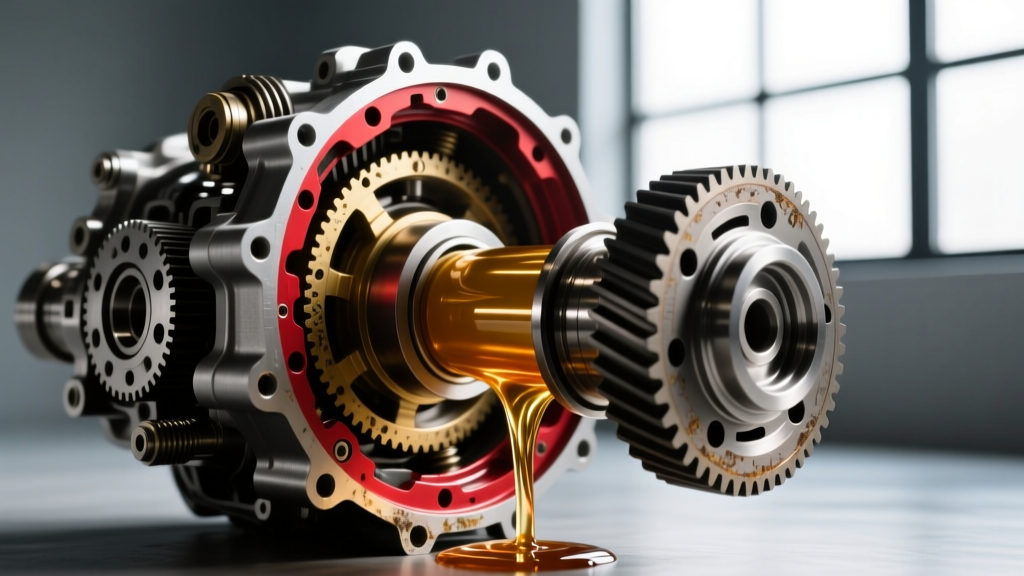
You cannot use standard motor oil or manual transmission fluid in a hypoid rear differential. The extreme sliding motion of hypoid gears requires API GL-5 certified gear oil, which contains high levels of sulfur-phosphorus extreme pressure (EP) additives. These additives chemically react with the heat of the gear mesh to form a sacrificial solid film, preventing the gear teeth from microwelding together under load.
For severe-duty applications, towing, or off-road use, stepping up from a 75W-90 to a 75W-140 synthetic is highly recommended. According to Amsoil's gear oil technical documentation, heavier 75W-140 synthetic fluids maintain their film strength at significantly higher sump temperatures, which is critical for modern trucks hauling heavy payloads. However, if your vehicle features a clutch-type Limited Slip Differential, the GL-5 EP additives are not enough. You must introduce a friction modifier. This additive alters the coefficient of friction on the clutch plates, allowing them to slip smoothly during cornering rather than grabbing and releasing, which causes the dreaded low-speed chatter.
Precision Service Protocol: Torque Specs and RTV Curing
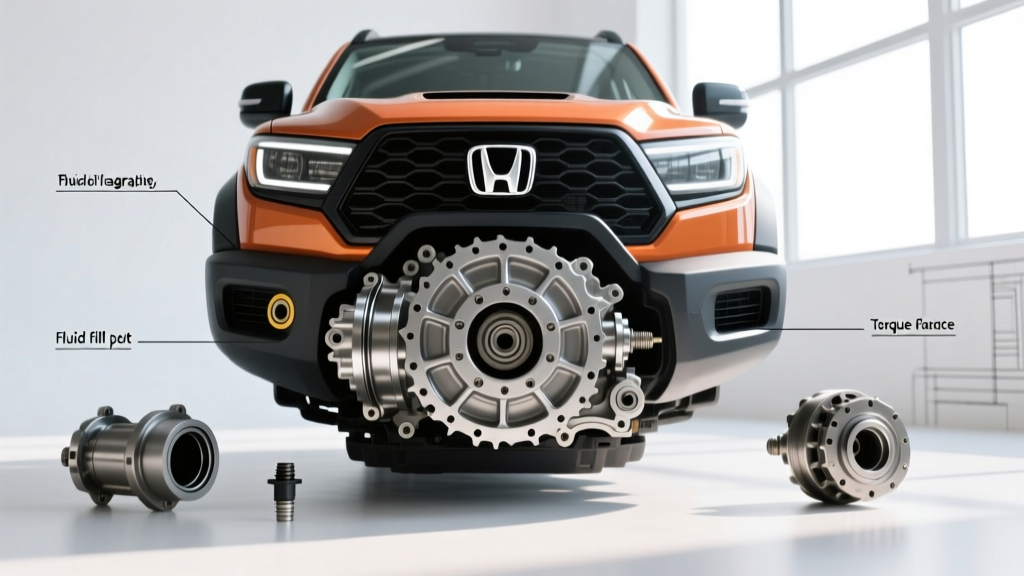
If your acoustic diagnosis points to simple fluid degradation or scheduled maintenance, executing the service with precision is vital to prevent leaks and cross-threading. The 'drain and fill' method is largely obsolete for solid rear axles, as most lack a dedicated drain plug. Cover removal is mandatory, allowing for internal inspection and magnet cleaning.
Common Axle Torque Specifications
Over-torquing differential cover bolts is a rookie mistake that leads to warped flanges and chronic leaks. Always use a calibrated inch-pound or low-range foot-pound torque wrench. Consult your specific factory service manual, but these are the industry-standard baselines:
- Ford 8.8" (12mm bolts): 28 - 38 lb-ft. (Use a star-pattern sequence).
- GM 10-Bolt / 9.5" 14-Bolt: 25 - 35 lb-ft.
- Dana 44 / Dana 60: 30 - 40 lb-ft. (Note: Dana 60 covers are notoriously prone to warping; inspect the flange with a straight-edge before reinstalling).
The Gasket vs. RTV Debate
While pre-cut cork or rubber gaskets are convenient, professional drivetrain technicians overwhelmingly prefer High-Torque RTV Silicone (such as Permatex Ultra Black, part #85084). RTV fills microscopic pitting on older cast-iron or aluminum housings that a flat gasket cannot seal. When using RTV, apply a continuous 1/8-inch bead around the bolt holes, allow it to skin over for 10 minutes, mate the cover, and torque to spec. Critical: You must wait a minimum of 12 to 24 hours for the RTV to fully cure before filling with gear oil, otherwise, the fluid pressure will blow out the uncured silicone.
Magnetic Plug Analysis: Glitter vs. Shrapnel
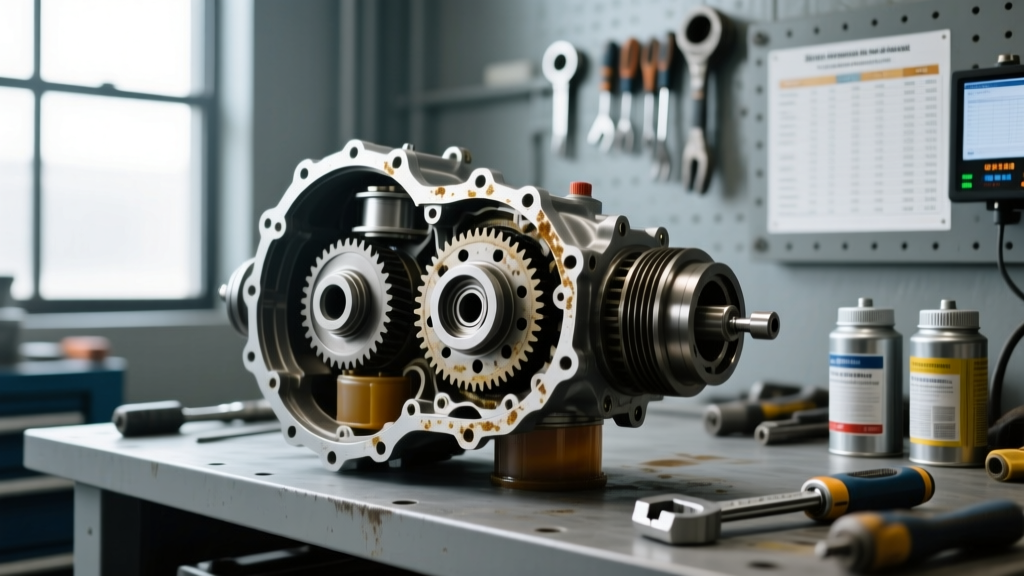
Every rear differential cover or drain plug features a magnetic pickup designed to trap ferrous wear metals. Reading this magnet is the ultimate troubleshooting tool for determining the internal health of the axle.
- Fine Paste / Gray Glitter: This is normal. It represents the microscopic wear of the ring and pinion gears bedding in and operating over tens of thousands of miles. A simple fluid service is all that is required.
- Needle-like Shards: This indicates bearing cage failure or severe gear spalling. The differential is actively destroying itself. A fluid change is a waste of money; a teardown and rebuild are imminent.
- Large Chunks / Teeth Fragments: Catastrophic failure. A gear tooth has snapped, likely due to shock-loading, extreme abuse, or total lubrication starvation.
As noted by the drivetrain experts at Ring & Pinion's technical support portal, attempting to mask a bearing failure with heavier viscosity oil or 'miracle' friction additives will only delay the inevitable and risk sending metal shrapnel into the axle tubes, which can destroy the wheel bearings and ABS tone rings. If the magnet yields chunks, the differential service price immediately transitions from the maintenance column to the complete rebuild column.
Final Diagnostic Takeaways
Rear differential maintenance is often ignored until a failure occurs, largely because the axle is tucked out of sight beneath the chassis. By paying attention to coast-down whines, turn-induced chatter, and engagement clunks, you can intervene before a minor fluid issue cascades into a $3,000 ring-and-pinion replacement. Whether you are tackling a Ford 8.8 LSD service in your driveway or authorizing a Dana 60 rebuild at a specialist shop, understanding the mechanical realities behind the noise ensures you only pay for the repairs your axle actually needs.