The Fundamental Divide: Mechanical 4WD vs. Electronic AWD
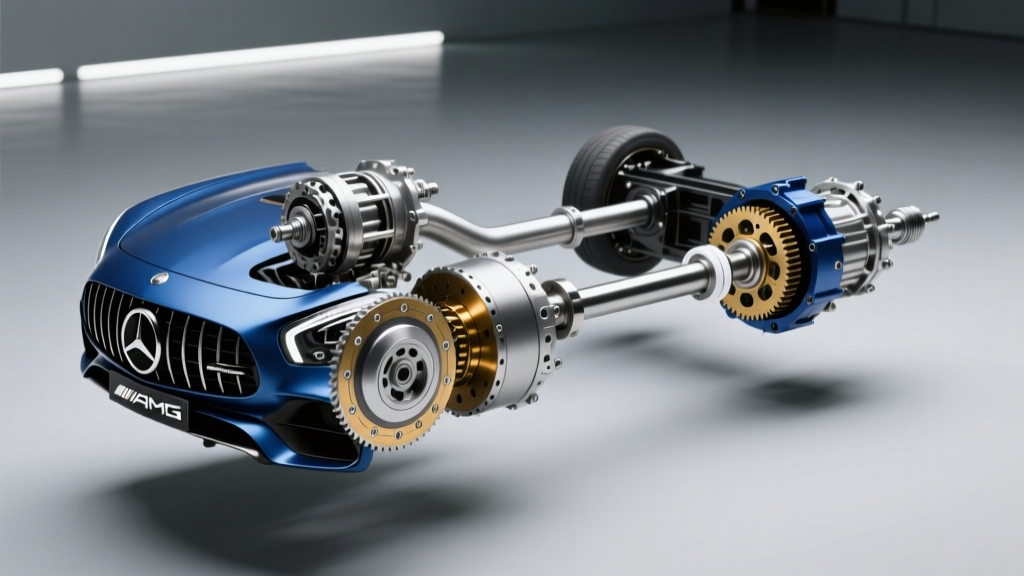
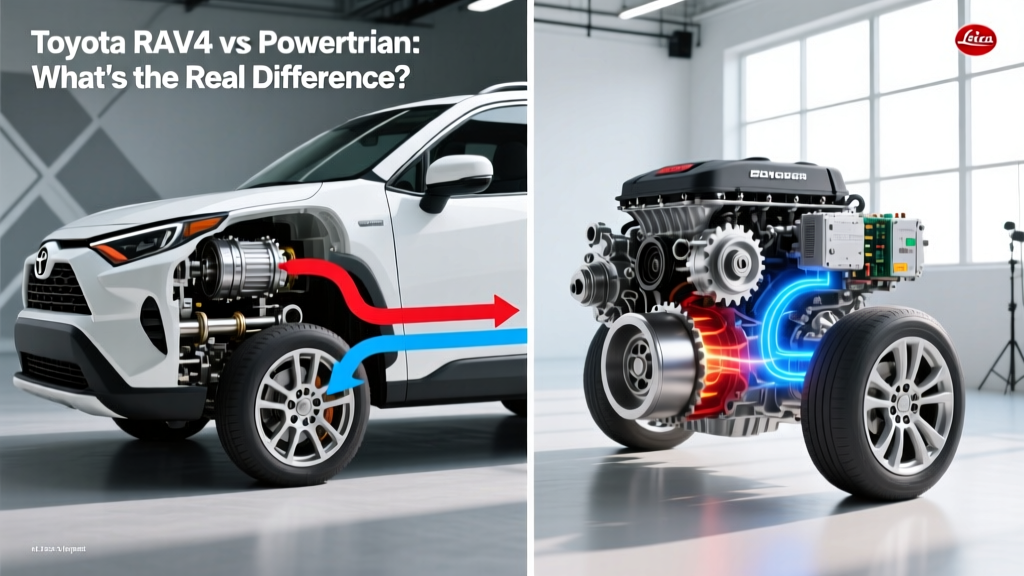
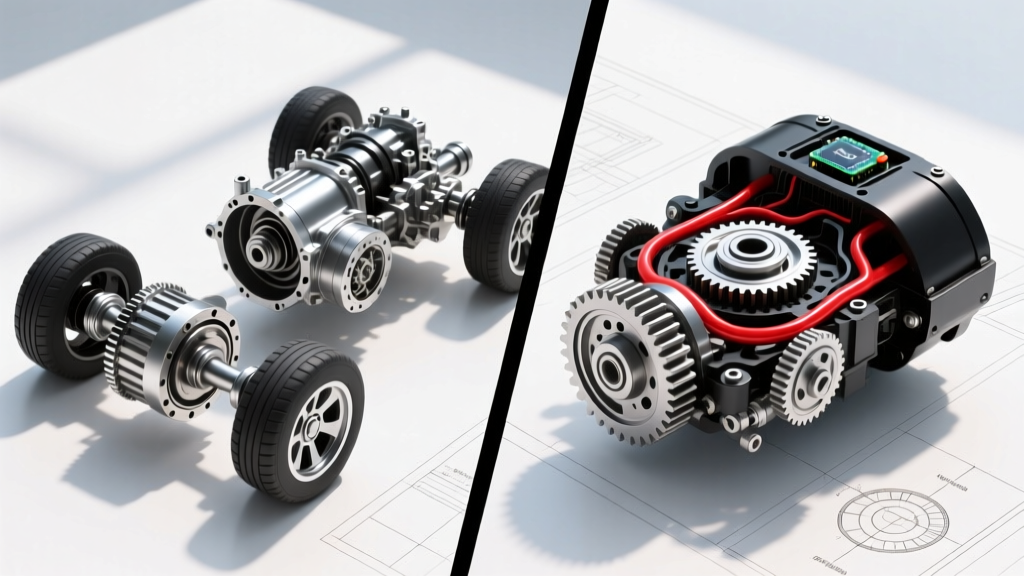
Understanding the mechanical and electronic differences between Four-Wheel Drive (4WD) and All-Wheel Drive (AWD) is critical for modern drivetrain longevity. While both systems route power to all four wheels, their architecture, operational logic, and failure modes are vastly different. Traditional 4WD systems, like the chain-driven NV241 or NV261 transfer cases found in GM and Dodge trucks, rely on heavy-duty mechanical dog clutches and planetary gearsets. They are designed for part-time, low-traction use and are incredibly robust.
Conversely, modern AWD systems—such as BMW’s xDrive—utilize complex, electronically controlled wet-clutch packs housed in a transfer case (like the ZF ATC35L or ATC45L). These systems actively vector torque front-to-rear in milliseconds based on steering angle, throttle position, and wheel slip. However, this extreme sensitivity to software inputs and fluid friction modifiers means that minor maintenance neglect can trigger catastrophic limp-mode warnings, most notably the maximum drivetrain output not available bmw error on the iDrive display.
| Feature | Traditional 4WD (e.g., NV241) | Modern AWD (e.g., BMW xDrive ATC) |
|---|---|---|
| Primary Operation | Part-time, mechanical lock | Full-time, variable torque split |
| Internal Mechanism | Chain drive, dog clutches, planetary gears | Wet multi-plate clutch pack, ball-ramp actuator |
| Shift Actuation | Electric encoder motor / vacuum | Stepper motor with Hall effect sensors |
| Failure Consequence | Stuck in 2WD or 4WD; mechanical grinding | ECU limp mode, drivetrain binding, clutch burnout |
| Fluid Dependency | Standard lubrication (Dexron VI / Auto-Trak II) | Friction-modified fluid (TF0870) critical for slip control |
Why AWD Systems Trigger the BMW Drivetrain Malfunction
When a driver sees the maximum drivetrain output not available bmw warning, the vehicle’s Digital Motor Electronics (DME) and Dynamic Stability Control (DSC) modules have detected an anomaly in the drivetrain's torque distribution. Unlike a mechanical 4WD system that will simply grind gears if forced into 4-Low on dry pavement, an AWD system will electronically choke engine output to prevent the transfer case clutches from incinerating or the axles from snapping.
The xDrive Transfer Case Actuator Failure
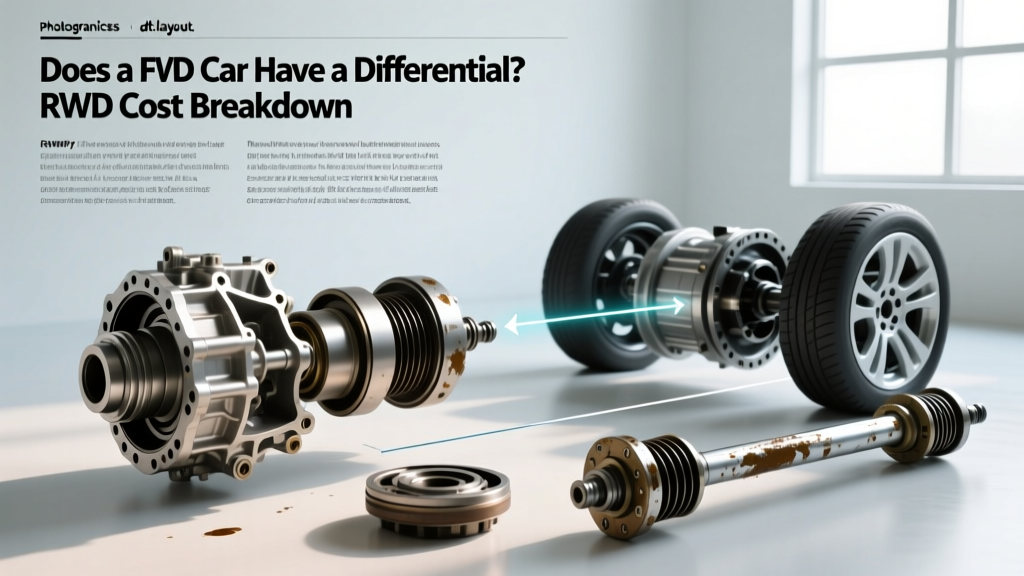
The most common culprit behind this specific BMW warning is the wear of the internal actuator gear inside the VTG (Verteilergetriebe) transfer case. BMW originally used a plastic gear to engage the stepper motor that compresses the wet clutch pack. Over 60,000 to 80,000 miles, the plastic teeth shear off. When the Hall effect sensor detects that the stepper motor's rotational position does not match the expected clutch clamping force, the ECU immediately throws the drivetrain malfunction code and limits engine torque.
Tire Rolling Diameter Mismatches
AWD systems are hyper-sensitive to wheel speed discrepancies. BMW requires all four tires to have a rolling circumference variance of less than 1%. If you replace only two tires, or if your front tires wear down to 4/32" while the rears remain at 8/32", the DSC module will interpret the differing rotational speeds as wheel slip. It will constantly command the transfer case clutch pack to engage and disengage, leading to premature fluid shear, clutch glazing, and eventual limp mode.
Preventive Maintenance Protocol: BMW AWD (xDrive) Systems
To avoid the maximum drivetrain output not available bmw error, xDrive owners must ignore the manufacturer's "lifetime fluid" claims and adhere to a strict preventive maintenance schedule. For a comprehensive look at how these systems manage torque, refer to this detailed breakdown of BMW xDrive engineering.
Transfer Case Fluid Service
- Fluid Specification: Shell TF0870 (BMW Part Number: 83222409710). Do not substitute with standard ATF; the friction modifiers are specifically calibrated for the ball-ramp actuator and wet clutches.
- Capacity: Approximately 0.65 Liters.
- Service Interval: Every 40,000 to 60,000 miles. Severe duty (track days, mountain driving) requires 30,000-mile intervals.
- Torque Specs: Both the drain and fill plugs require exactly 25 Nm (18.5 lb-ft) of torque. Over-torquing can crack the magnesium/aluminum transfer case housing.
Actuator Gear Upgrades
If you are servicing the transfer case fluid and the vehicle is approaching 70,000 miles, proactive replacement of the actuator gear is highly recommended. Replace the OEM plastic gear (Part Number 27107599881) with an aftermarket billet aluminum upgrade. This permanently eliminates the shearing issue and ensures the stepper motor maintains perfect calibration with the DME.
Tire Management Strategy
Always replace tires in sets of four. If a single tire is damaged and must be replaced, use a tire shaving service to match the tread depth of the new tire to the remaining three. Use a digital tread depth gauge to calculate the rolling diameter delta; a difference greater than 2mm across axles will overstress the xDrive clutch pack.
Preventive Maintenance Protocol: Traditional 4WD Systems
While traditional 4WD systems do not suffer from the same software-induced limp modes as AWD systems, they require mechanical sympathy to prevent shift-motor seizure and chain stretch. For more information on heavy-duty transfer case architectures, consult ZF's transfer case engineering documentation.
Fluid and Mechanical Care
- Fluid Specification: Dexron VI ATF or GM Auto-Trak II (for AutoTrac systems). Capacity typically ranges from 1.6 to 2.0 Liters.
- Service Interval: Every 50,000 miles.
- Torque Specs: Drain and fill plugs typically require 15 to 20 lb-ft. Use a new crush washer on every service to prevent weeping.
- Actuator Exercise: The electric shift encoder motor on 4WD systems is prone to seizing due to lack of use. You must shift the vehicle from 2WD to 4-High, and into 4-Low (while stopped and in neutral) at least once a month to keep the internal fork and planetary gears lubricated and the motor brushes clean.
Summary: Proactive Drivetrain Care
The transition from mechanical 4WD to electronic AWD has vastly improved vehicle dynamics and all-weather safety, but it has shifted the maintenance burden from mechanical repairs to electronic and fluid-based preventive care. By understanding the delicate tolerances of wet-clutch AWD systems, adhering to strict tire-matching protocols, and executing timely fluid services with OEM-specified friction modifiers, you can entirely bypass the dreaded drivetrain malfunction warnings and ensure your vehicle's power reaches the pavement exactly as engineered.