The Engineering and Economics of the AMG GT S RWD Layout
The Mercedes-AMG GT S (C190 chassis) represents a masterclass in front-mid engine, rear-wheel drive (RWD) packaging. By utilizing a rear-mounted transaxle connected to the engine via a rigid torque tube, AMG achieved a near-perfect 47:53 weight distribution. This specific rear-wheel drive system operation eliminates traditional driveline lash, optimizes rear-axle traction, and lowers the polar moment of inertia. However, this complex drivetrain layout commands premium maintenance and repair costs. As of 2026, aging C190 models are entering their high-mileage lifecycle, making a comprehensive AMG GT S drivetrain cost analysis essential for owners and prospective buyers.
In this deep dive, we dissect the mechanical operation of the AMG GT S rear-wheel drive system, examine common failure points like torque tube bearing degradation, and provide exact repair pricing, torque specifications, and fluid capacities.
Anatomy of the AMG GT S Rear-Wheel Drive System
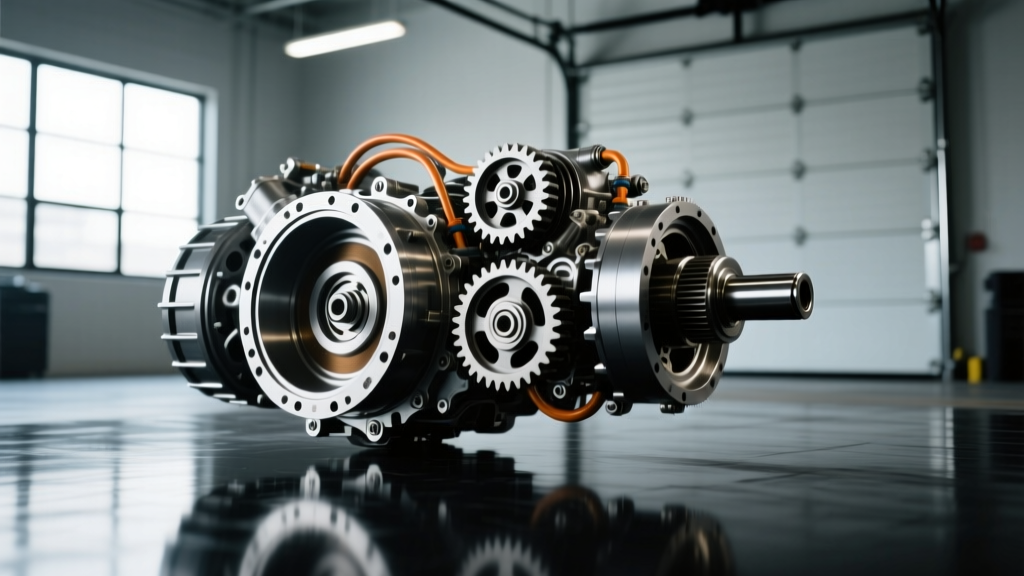
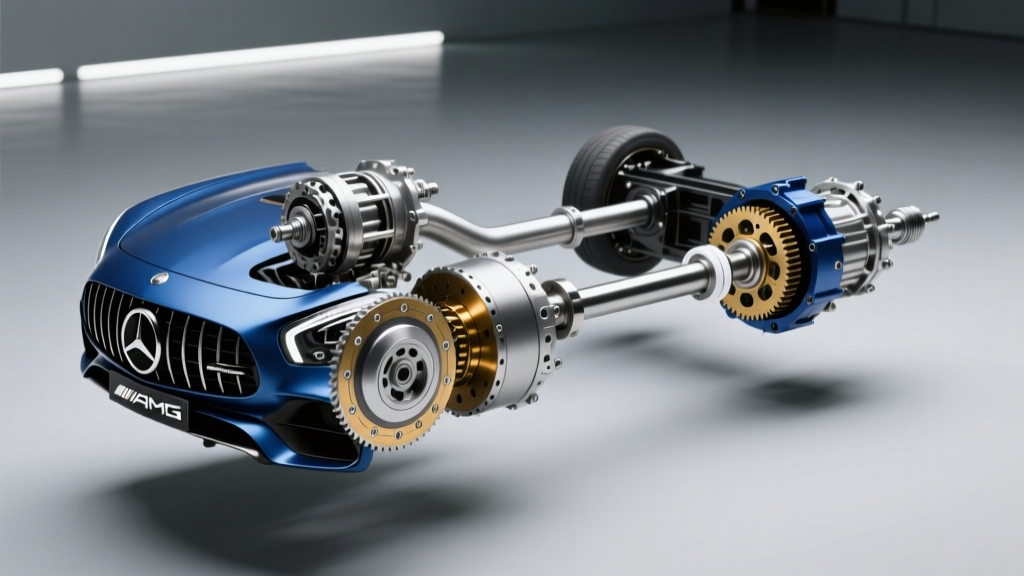
Unlike a conventional front-engine, rear-wheel-drive vehicle where the transmission bolts directly to the engine and sends power rearward via a long driveshaft, the AMG GT S utilizes a transaxle layout. The M178 4.0L V8 Biturbo engine's output shaft connects directly to a cast-aluminum torque tube. Inside this tube, a lightweight, multi-piece driveshaft spins at engine RPM—meaning it can reach upwards of 7,200 RPM before the power even reaches the rear wheels.
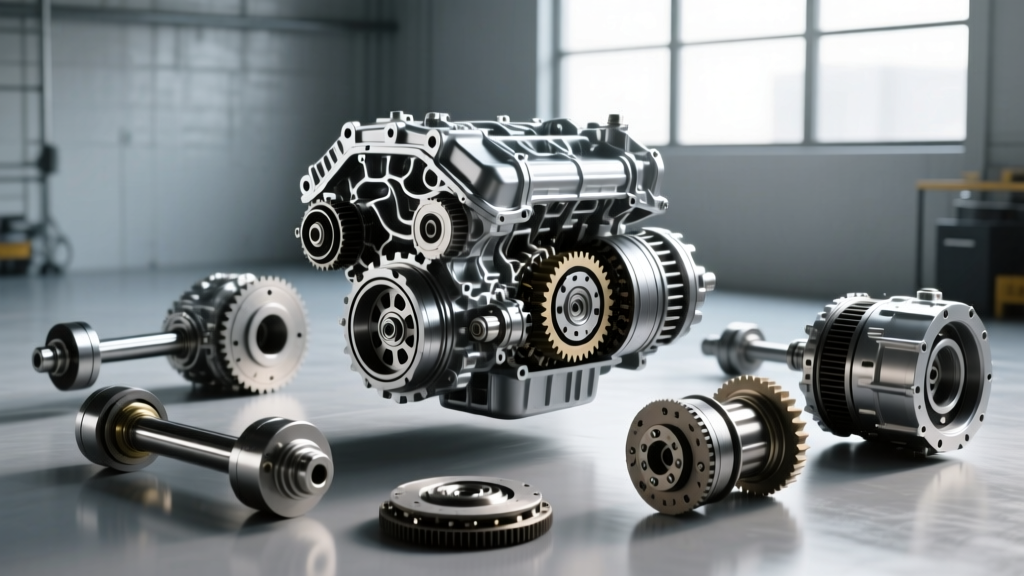
At the rear of the vehicle, the driveshaft feeds into the AMG SPEEDSHIFT DCT 7-speed transaxle (based on the Getrag 7DCT300 architecture). This unit handles torque multiplication, gear selection, and houses the electronic limited-slip differential (eLSD). Power is finally distributed to the rear wheels via heavy-duty CV half-shafts. This RWD operation ensures that heavy components (the transmission and differential) are positioned over the rear axle, maximizing mechanical grip during hard acceleration.
Drivetrain Component Cost & Failure Analysis
Repairing a transaxle-based RWD system requires specialized knowledge. Below is a detailed cost breakdown for the most common AMG GT S drivetrain repairs, reflecting 2026 market rates for parts and independent European specialist labor.
| Component | OEM Part Reference | Common Failure Mode | Parts Cost (USD) | Labor Hours | Total Est. Cost |
|---|---|---|---|---|---|
| Torque Tube Front Bearing | Custom SKF/FAG Press-fit | High-RPM whine, vibration | $150 - $300 | 8.5 - 12.0 | $1,200 - $2,800 |
| DCT Clutch Pack Assembly | A2222601400 (Kit) | Slipping, limp-home mode | $1,800 - $2,500 | 10.0 - 14.0 | $3,500 - $5,500 |
| Rear CV Axle (Left/Right) | A1903500400 | Boot tear, CV joint click | $850 - $1,100 | 2.5 - 3.5 | $1,200 - $1,800 |
| eLSD Clutch Pack | A1902700500 | Chatter during low-speed turns | $1,200 - $1,600 | 6.0 - 8.0 | $2,200 - $3,500 |
| Mechatronic Control Unit | A2222602200 | Sensor failure, harsh shifts | $2,800 - $3,400 | 4.0 - 6.0 | $3,800 - $5,200 |
The Torque Tube Bearing Dilemma: Operation and Repair Costs
The most notorious issue plaguing the C190 RWD layout is the failure of the front torque tube bearing. Because the driveshaft inside the torque tube spins at engine speed rather than wheel speed, the front bearing is subjected to immense rotational forces and heat transfer from the M178 V8 engine. When this bearing begins to fail, owners typically report a high-pitched whine or metallic scraping sound that correlates directly with engine RPM, not vehicle speed.
The Dealership vs. Independent Approach: Historically, Mercedes-Benz dealerships did not offer a service procedure to replace just the bearing. The official factory repair involved replacing the entire torque tube assembly, which carries a parts cost exceeding $4,500, pushing the total dealership repair bill past $7,000. However, as documented by experts on the MBWorld C190 Forums, specialized independent shops have developed custom bearing pullers and press jigs to replace the internal bearing without scrapping the aluminum housing. This reduces the parts cost to under $300, though the labor remains intensive. The engine must be loosened and shifted forward on its subframe mounts, the exhaust system dropped, and the transaxle unbolted to extract the torque tube.
Expert Torque Spec Note: When reinstalling the torque tube to the engine block, the M10 aluminum stretch bolts must be meticulously torqued. The standard Mercedes specification for these flange bolts is 20 Nm followed by a 90-degree turn. Reusing old stretch bolts risks catastrophic driveline misalignment under the GT S's 479 lb-ft of torque.
AMG SPEEDSHIFT DCT 7 Maintenance and Operation Costs
The rear-mounted Getrag 7DCT300 transaxle is the heart of the GT S's RWD operation. It utilizes wet clutches for lightning-fast shifts and launch control functionality. Proper fluid maintenance is non-negotiable to prevent premature clutch pack wear and mechatronic valve body clogging.
- Fluid Specification: The transaxle requires a specialized dual-clutch fluid. Fuchs TITAN SINTOFLUID FE 75W or an MB-approved 236.21 / 236.24 specification fluid is mandatory. You can verify exact fluid approvals via Fuchs Lubricants.
- Capacity: The dry-fill capacity is approximately 9.0 liters, though a standard drain and fill will yield about 7.5 liters.
- Service Interval: Mercedes-Benz recommends inspection, but drivetrain specialists mandate a fluid and external filter change every 30,000 miles or 3 years for track-driven vehicles.
- Cost Breakdown: OEM DCT fluid costs roughly $30 to $40 per liter. An external filter kit and crush washers add about $150. A DIY fluid change costs around $450 in materials, while a dealership will charge between $800 and $1,200 for the service.
Critical Operational Note: After any DCT fluid service or mechatronic adaptation reset, the transmission's clutch bite points must be recalibrated using Mercedes XENTRY diagnostics. Failing to perform the 'Initial Startup' and 'Adaptation' routines will result in violent engagement and accelerated clutch wear.
Electronic Limited-Slip Differential (eLSD) Rebuild Pricing
Unlike the base AMG GT, which uses a traditional mechanical locking differential, the GT S features an electronic rear-axle locking differential. This eLSD uses an electric motor to actuate a multi-plate clutch pack, allowing the ECU to infinitely vary the locking torque from 0% to 100% based on steering angle, throttle position, and lateral G-forces. This is crucial for the car's RWD stability when exiting corners.
When the eLSD fluid degrades, or the internal clutch plates wear, owners experience a distinct 'chatter' or hopping sensation from the rear axle during tight, low-speed parking maneuvers. The differential requires MB 235.7 specification synthetic gear oil (75W-85), with a capacity of exactly 1.2 liters. If a fluid flush with a friction modifier additive does not cure the chatter, the rear differential must be dropped. Rebuilding the eLSD clutch pack requires specialized shimming tools to set the clutch clearance to within 0.05mm, making it a job strictly for drivetrain specialists. Expect to pay between $2,200 and $3,500 for a complete eLSD rebuild.
Labor Rate Comparison: Dealership vs. Euro Specialist
Because the AMG GT S drivetrain requires significant subframe and exhaust removal for major services, labor rates drastically impact the final invoice. Below is a comparative look at 2026 average labor rates for drivetrain work:
- Authorized Mercedes-Benz Dealership: $220 - $290 per hour. Dealerships follow strict flat-rate guides that often mandate full assembly replacements (e.g., full torque tube or full transaxle) rather than internal component repairs.
- Independent European Performance Shop: $150 - $190 per hour. Independents are more likely to perform bearing swaps, DCT clutch pack replacements, and eLSD rebuilds, saving the owner thousands in parts markup.
- General Mechanic: Not recommended. The C190 chassis requires specific engine support bars and transaxle alignment pins that general shops typically do not possess, risking driveline vibration post-repair.
Final Verdict: Maintaining the AMG GT S RWD System
The rear-wheel drive system operation of the Mercedes-AMG GT S is an engineering triumph that delivers supercar-level traction and handling balance. However, the transaxle and torque tube layout inherently complicates routine maintenance and drives up repair costs. As detailed by Mercedes-Benz USA performance literature, the GT S was built for the track, and its drivetrain reflects that high-stress environment.
For owners, the key to mitigating catastrophic drivetrain costs lies in aggressive preventative maintenance. Adhering to 30,000-mile DCT fluid intervals, listening for early signs of torque tube bearing whine, and avoiding prolonged high-load launches on cold tires will preserve the RWD system. While the AMG GT S drivetrain cost breakdown reveals that repairs are undeniably expensive, partnering with a qualified independent specialist can reduce out-of-warranty repair bills by up to 50% compared to main dealer pricing.