The Complex Dynamics of Modern AWD Drivetrains
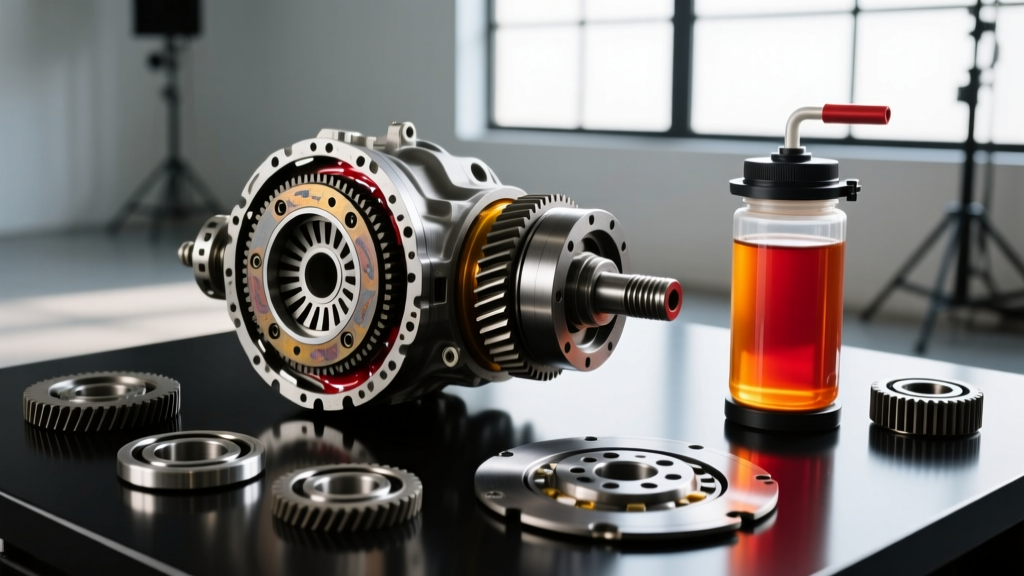
Modern All-Wheel-Drive (AWD) architectures, ranging from Audi's Quattro systems utilizing Torsen center differentials to GM's T1-platform SUVs employing active BorgWarner transfer cases, rely on a delicate torque-splitting balance. When drivers experience low-speed binding, chattering during tight turns, or severe drivetrain wind-up, the fault is frequently misdiagnosed by general repair shops. The critical question becomes: Is the issue originating from a failing center differential, or is it a malfunctioning anti spin differential rear axle?
Diagnosing the exact source of rotational binding requires a deep understanding of longitudinal versus lateral torque management. The center differential (or active AWD coupling) manages the front-to-rear torque split, accommodating the rotational speed differences between the front and rear axles during cornering. Conversely, the rear anti spin differential manages the left-to-right torque distribution. When these two systems fall out of sync—often due to fluid degradation, clutch pack wear, or improper friction modifiers—the resulting mechanical bind can mimic catastrophic transmission failure.
Center Differential vs. Rear Axle: How They Interact
To accurately troubleshoot AWD shudder, we must isolate the mechanical behavior of the specific components involved. In a typical clutch-based AWD system (such as the Haldex Gen 5 or BorgWarner 4484), the center differential uses a multi-plate wet clutch pack to vary torque to the rear axle. If the specialized AWD coupling fluid loses its shear stability or becomes contaminated with clutch material, the center diff will engage erratically, sending aggressive, unmodulated torque spikes to the rear drivetrain.
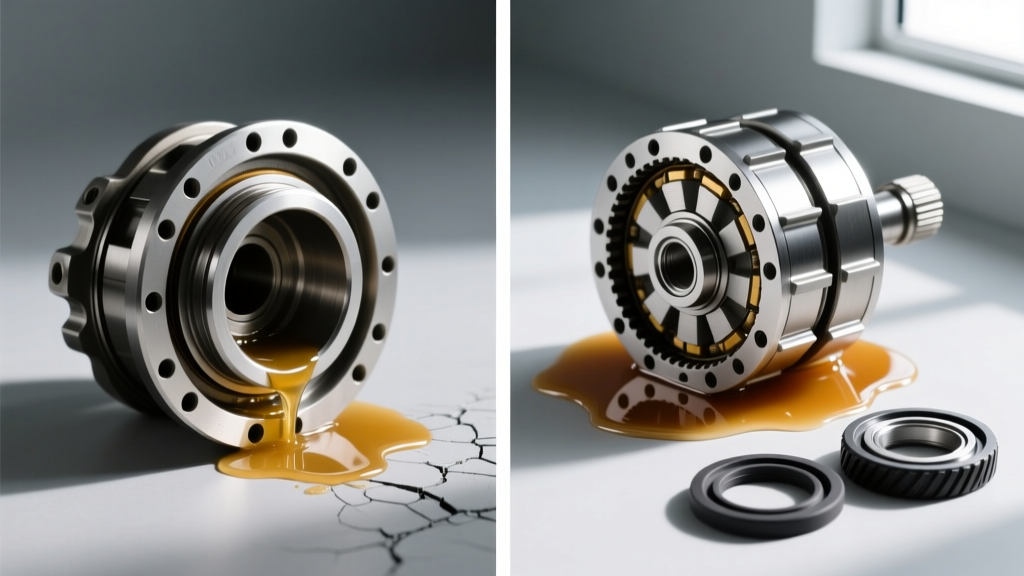
Now, consider the anti spin differential rear axle. In many full-size AWD SUVs and performance crossovers, this is a clutch-type Limited Slip Differential (LSD) or an automatic locker like the Eaton G80. If the rear differential fluid lacks the necessary friction modifiers (or if the modifiers have sheared down over 50,000 miles), the rear axle clutches will chatter when subjected to the erratic torque spikes from a degraded center differential. The two systems essentially 'fight' each other, resulting in a violent shudder felt through the chassis and steering wheel during low-speed, high-lock steering angles.
Symptom Isolation Matrix
Use the following diagnostic table to differentiate between center differential faults and rear anti spin differential faults based on driver-reported symptoms and physical vehicle behavior.
| Symptom / Test Condition | Center Differential / Transfer Case Fault | Anti Spin Differential Rear Axle Fault |
|---|---|---|
| Shudder during tight, low-speed turns (Figure-8) | Binding due to failed viscous coupling or stuck AWD clutch pack (fails to slip front-to-rear). | Clutch chatter due to degraded LSD friction modifier or worn governor weights (fails to slip left-to-right). |
| Drivetrain Wind-Up on Dry Pavement | Transfer case locked in 50/50 split erroneously; center diff locked out. | Rare; rear axle bind usually isolated to one side of the vehicle. |
| Fluid Inspection (Drain Plug) | AWD coupling fluid (e.g., VAG G 060 175 A2) smells burnt, contains brass/steel clutch debris. | 75W-90 GL-5 gear oil contains black friction material or metallic governor shavings. |
| Propshaft Disconnect Test | Shudder persists in FWD mode or when front drivetrain is loaded. | Shudder completely disappears when rear propshaft is removed and vehicle is driven in FWD. |
The Role of Fluid Chemistry and Friction Modifiers
As detailed in Lubegard's technical fluid documentation, the tribology of wet clutch systems is highly specific. The most common cause of cross-system binding is the incorrect application of friction modifiers.
Center Differential Fluid Specifications
Active center differentials require highly specialized, low-viscosity fluids designed for rapid clutch engagement and high thermal stability. For example, Haldex-based AWD systems require fluids like VAG G 060 175 A2 or the updated Volvo/BorgWarner specifications. These fluids are typically changed every 30,000 to 40,000 miles using a specialized flush procedure, as the internal pump and filter screen become clogged with clutch particulate. Standard gear oil or ATF must never be substituted here, as the friction coefficients will cause immediate center diff lock-up and severe drivetrain wind-up.
Anti Spin Differential Rear Axle Fluid Specifications
The rear axle requires a completely different chemical profile. A standard clutch-type LSD (such as the Ford 8.8-inch Track-Lok or ZF rear LSDs) requires a 75W-90 Synthetic GL-5 gear oil paired with a dedicated friction modifier (e.g., Motorcraft XL-3 or Equa-Torque). Without this modifier, the clutches will stick and slip violently during cornering.
CRITICAL WARNING: If your vehicle is equipped with an Eaton G80 automatic locking anti spin differential rear axle (common in GM Silverado, Tahoe, and Yukon AWD applications), you must NOT use synthetic fluids or aftermarket friction modifiers. As noted by Eaton's differential engineering guidelines, the G80 relies on the specific friction coefficient of conventional 75W-90 GL-5 mineral gear oil to allow its internal governor weights to operate correctly. Synthetic fluids are too slippery, causing the G80 to engage late, slam into lock, and eventually shatter the internal spider gears.
Step-by-Step Troubleshooting Protocol
When a 2022+ GM T1 SUV or a modern Audi Quattro presents with low-speed cornering shudder, follow this exact diagnostic protocol to isolate the fault.
Step 1: The Figure-8 Lock-to-Lock Test
Find a large, empty, dry asphalt lot. Put the vehicle in 4WD Auto (or leave the AWD system in its default mapping). Drive in a tight figure-8 pattern at 5-10 mph with the steering wheel at full lock.
- If the vehicle hops violently from the rear: The rear anti spin differential is failing to slip laterally.
- If the vehicle binds, jerks forward, and feels like the brakes are dragging across the entire chassis: The center differential is failing to slip longitudinally.
Step 2: The Propshaft Isolation Test
Place the vehicle on a lift. If the transfer case allows for a 2WD (FWD) mode, engage it. If not, physically unbolt the rear driveshaft from the transfer case output flange. Secure the driveshaft to the chassis using a heavy-duty zip tie or bungee to prevent it from hanging by the center support bearing.
Drive the vehicle in FWD only and repeat the Figure-8 test. If the shudder is completely gone, you have isolated the fault to the rear drivetrain—specifically the anti spin differential rear axle or the rear CV axles. If the shudder remains, the fault lies in the front differential, the transfer case center diff, or the transmission output shaft.
Step 3: Fluid Drain and Torque Verification
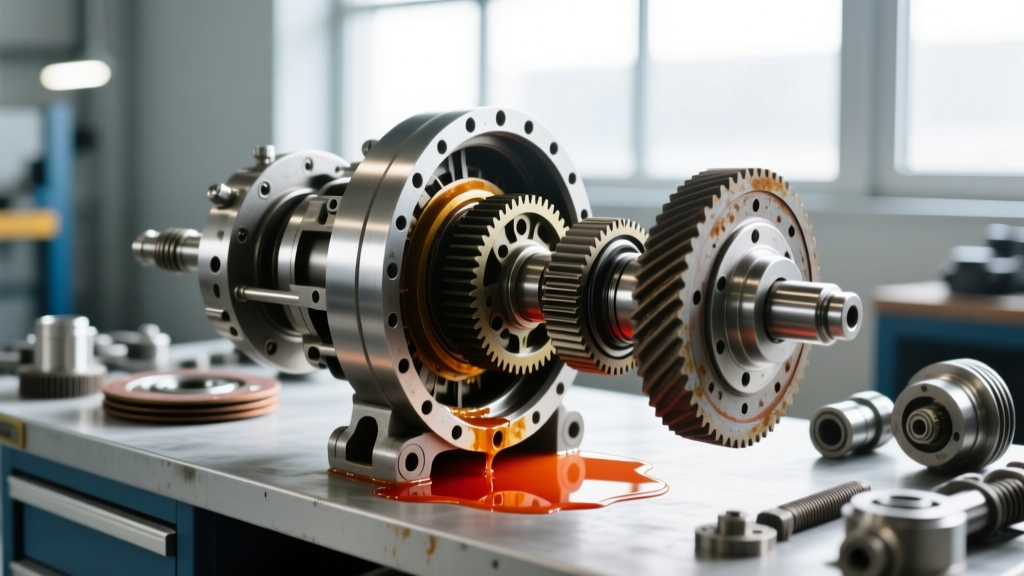
Drain both the transfer case (center diff) and the rear differential into separate, clean glass pans. Inspect for clutch material. When refilling, adherence to torque specifications is vital to prevent casing distortion or stripped threads, which are common on aluminum differential housings.
- GM 9.5-inch / 10-bolt Rear Differential Fill Plug: 33 Nm (24 lb-ft).
- BorgWarner 4484 Transfer Case Drain/Fill Plugs: 18 Nm (13 lb-ft).
- ZF 8HP Transmission / Transfer Case Adapter Drain: 12 Nm (9 lb-ft) for the hex plug, verify fluid level at 40°C (104°F).
Repair Costs and Real-World Teardowns
Understanding the financial implications of these repairs is crucial for accurate service advising. According to ZF's AWD system architectures, modern center differentials are often integrated directly into the transmission housing or the transfer case, making them labor-intensive to service.
Rear Anti Spin Differential Rebuild: Rebuilding a clutch-type rear LSD or servicing an Eaton G80 (replacing governor weights, springs, and clutch packs) typically costs between $650 and $950, including 75W-90 gear oil and labor. The differential cover gasket and RTV sealant add roughly $40 to the parts cost.
Center Differential / AWD Coupling Replacement: If the center differential clutches are burnt, the entire transfer case or AWD coupling assembly often requires replacement or a specialized bench rebuild. For a Haldex Gen 5 coupling or a BorgWarner active transfer case, parts alone range from $1,200 to $2,500, with labor pushing the total invoice well past $3,000. Furthermore, if the center diff sent metallic debris into the rear propshaft carrier bearing or the rear axle pinion seal, secondary repairs will be required.
Final Diagnostic Takeaways
Drivetrain shudder in modern AWD vehicles is rarely a simple fix. It requires a systematic approach to separate longitudinal torque-splitting faults from lateral torque-management faults. By utilizing the propshaft isolation test, strictly adhering to manufacturer fluid specifications, and understanding the mechanical limits of the anti spin differential rear axle, technicians and informed owners can accurately pinpoint the failure, avoid unnecessary parts replacement, and restore seamless AWD performance.