Modern AWD Differentials: Beyond the Open Gear Set
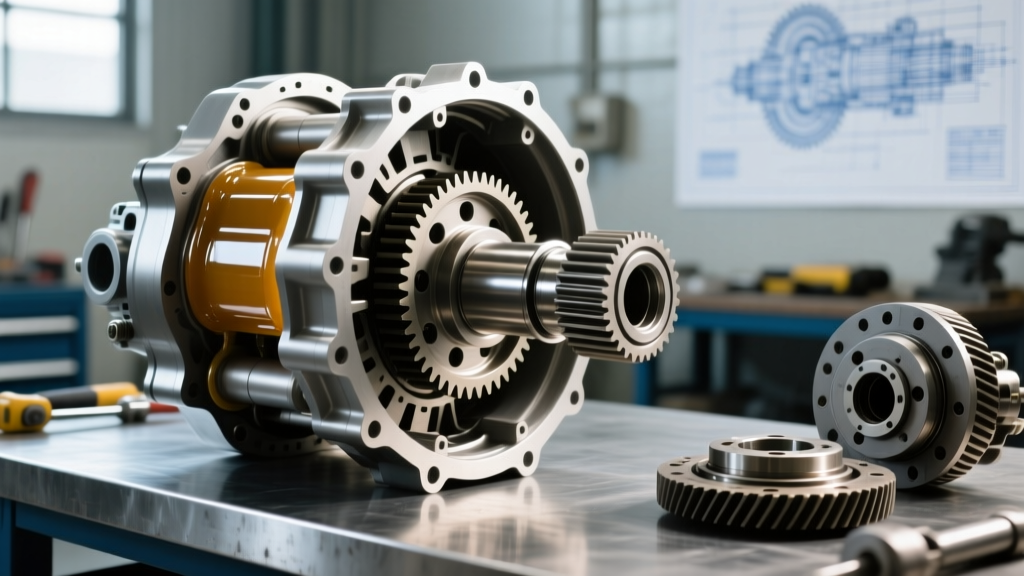
The evolution of all-wheel-drive systems has transformed the rear axle from a simple mechanical open differential into a complex electro-hydraulic module. Modern active AWD differentials, such as the GM Twin-Clutch rear axle, the BorgWarner Gen 5 Haldex, and the Ford PTU/RDU setups, rely on pressurized fluid circuits to actuate internal clutch packs. At the heart of this pressurized lube circuit is a critical, often overlooked component: the differential pressure bypass valve. Understanding how this valve operates is essential for executing a proper differential fluid change procedure and establishing accurate service intervals.
The Role of the Differential Pressure Bypass Valve
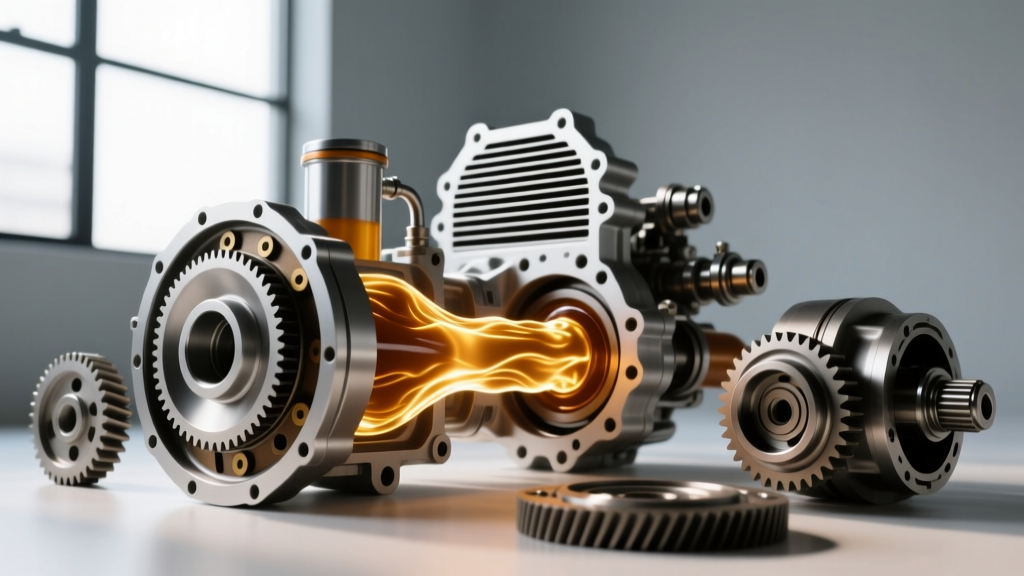
In an active AWD differential, an internal or external pump pressurizes the gear oil to engage the clutch packs and route lubrication to the bearings and ring-and-pinion gears. The fluid passes through a high-capacity internal filter before reaching the clutch packs. Over time, normal clutch wear and gear shear generate microscopic metallic and friction-material debris, which the filter captures.
As the filter loads with debris, the resistance to fluid flow increases. This creates a pressure drop (delta P) across the filter housing. To prevent the pump from cavitating or the clutch packs from starving during a cold start or when the filter is heavily loaded, engineers integrate a differential pressure bypass valve in parallel with the filter element. When the pressure differential across the filter exceeds a specific threshold—typically between 12 and 18 psi—the bypass valve's internal spring compresses, opening a secondary channel. This allows unfiltered fluid to bypass the clogged media and flow directly to the pump and clutches.
While this saves the pump from immediate catastrophic failure, it also means that abrasive debris is now circulating through the precision clutch packs and bearing journals. If you ignore your differential fluid change intervals, a permanently jammed-open bypass valve will lead to rapid clutch degradation, shudder during tight turns, and eventual AWD system disablement.
AWD Differential Fluid Service Intervals (2026 Updated)
Many OEMs market their AWD differential fluid as 'lifetime' under normal driving conditions. However, industry experts and SAE technical papers consistently show that shear breakdown and additive depletion occur much faster in active clutch-based differentials than in traditional open axles. For 2026, the consensus among drivetrain specialists is to abandon 'lifetime' intervals in favor of mileage-based servicing.
| Service Category | Driving Profile | Recommended Interval | Bypass Valve Risk Factor |
|---|---|---|---|
| Normal Service | Highway commuting, dry pavement, light loads | 60,000 Miles / 5 Years | Low (Spring fatigue only) |
| Severe Service | Towing, track days, frequent AWD engagement (snow/rain) | 30,000 Miles / 2.5 Years | High (Sludge jamming valve) |
| Extreme / Off-Road | Rock crawling, deep mud, sustained high-slip events | 15,000 Miles / 1 Year | Critical (Debris bypassing) |
Step-by-Step Differential Fluid Change Procedure
The following procedure applies to pressurized active AWD rear differentials (e.g., GM 9.5-inch Twin-Clutch and similar BorgWarner AWD modules). Always consult your specific vehicle's factory service manual for exact capacities and torque specifications.
Phase 1: Preparation, Tools, and Draining
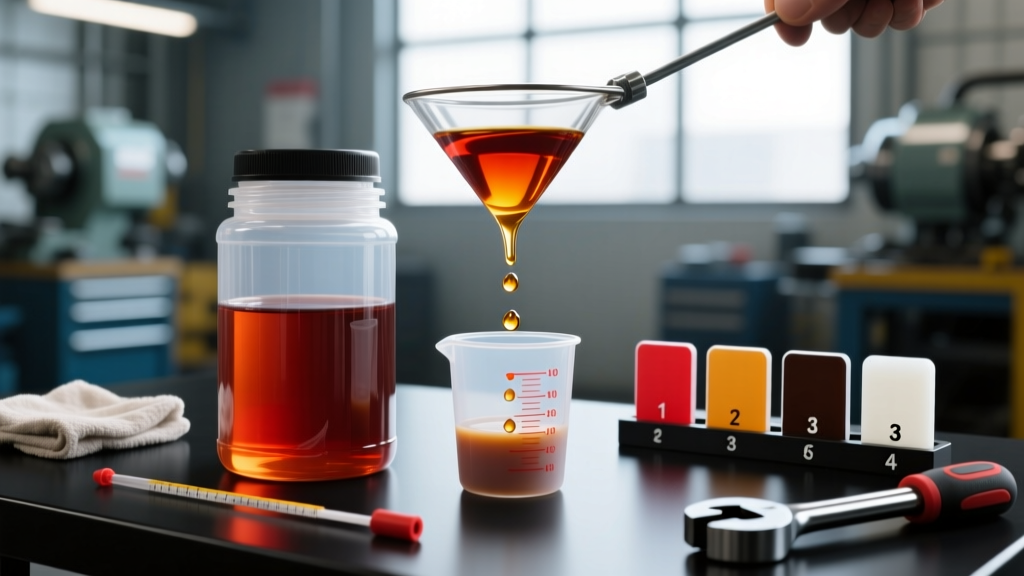
Before beginning, ensure the vehicle is on a level lift. The fluid must be warm to ensure proper drainage and accurate thermal leveling later. Drive the vehicle for 10-15 minutes to bring the differential temperature to approximately 100°F (38°C).
- Tools Required: 10mm or 12mm hex socket (depending on OEM), torque wrench (in-lb and ft-lb), infrared thermometer, drain pan, and a fluid transfer pump.
- Materials: 2.5 Quarts of OEM-specified AWD fluid (e.g., GM 88865498 or VW G 055 175 A2; expect to pay $22-$35 per quart), replacement filter kit ($45-$80), new crush washers for drain/fill plugs.
Step 1: Remove the fill plug first. Never remove the drain plug before verifying the fill plug is free. Torque spec for removal is typically around 30 Nm (22 lb-ft), but they can seize. Apply penetrating oil if necessary.
Step 2: Place the drain pan beneath the housing and remove the drain plug. Allow the fluid to drain for at least 20 minutes. Inspect the drain plug magnet. A fine gray paste is normal clutch wear; large metallic shards indicate bearing or gear failure.
Phase 2: Filter and Differential Pressure Bypass Valve Inspection
Unlike traditional solid axles, active differentials require filter service. The filter housing is usually located behind a stamped steel or cast aluminum cover on the rear or side of the differential casing.
Step 3: Unbolt the filter housing cover (typically 8mm or 10mm flange bolts, torqued to 10-12 Nm). Carefully remove the old filter element.
Step 4: Locate the differential pressure bypass valve within the filter housing cap or the main body bore. It looks like a small metal spool or piston seated against a coil spring.
Step 5: Inspect the bypass valve. Use a small pick to gently press the valve spool. It should depress smoothly and return immediately when released. If it feels gritty, sticks in the open position, or is packed with thick black sludge, the valve must be cleaned with brake cleaner and compressed air, or the entire housing cover must be replaced. A jammed-open bypass valve will render your new fluid change useless by continuously circulating unfiltered oil.
Step 6: Install the new filter element, ensuring the O-rings are lightly lubricated with fresh AWD fluid. Reinstall the housing cover using a new gasket and torque the bolts to 12 Nm (106 in-lb) in a crisscross pattern.
Phase 3: Refilling and Thermal Leveling
Active differentials are highly sensitive to fluid levels. Overfilling causes aeration and foaming, which the pump will ingest, leading to clutch slip. Underfilling causes pump cavitation.
Step 7: Reinstall the drain plug with a new crush washer. Torque to exactly 30 Nm (22 lb-ft).
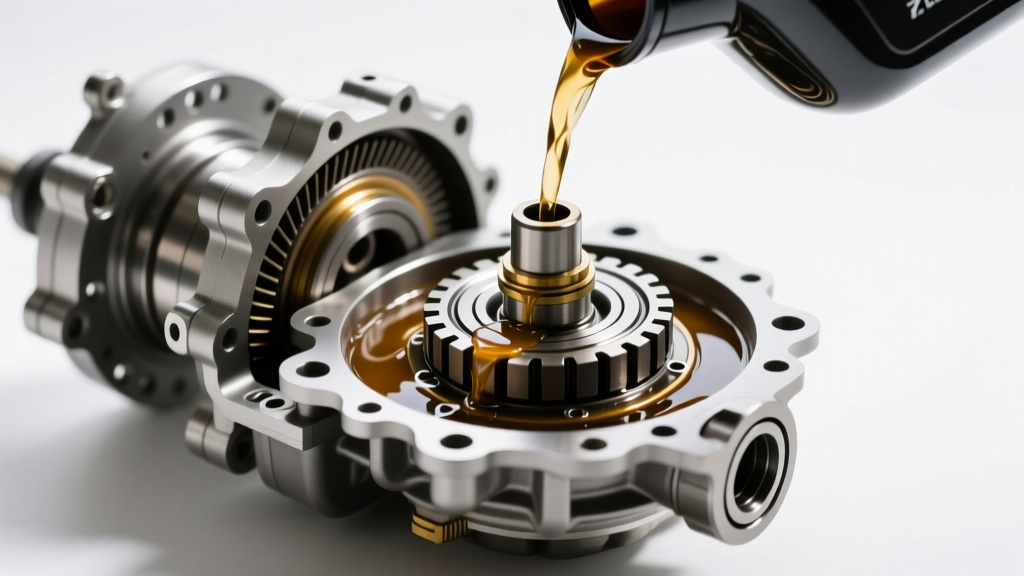
Step 8: Using a transfer pump, fill the differential through the fill hole with the specified AWD fluid. The nominal capacity is usually between 1.5 and 2.2 quarts, but you must fill until the fluid reaches the bottom of the fill hole threads.
Step 9 (Thermal Leveling): This is the most critical step. Use your infrared thermometer to check the casing temperature near the fill plug. The fluid must be leveled when the differential temperature is between 32°C and 40°C (90°F - 104°F). If the fluid is too cold, it will expand as it heats up and blow past the axle seals. If it is too hot, it will contract and leave the pump starved. Once the temperature is in the 'green zone', allow the excess fluid to weep out of the fill hole until it slows to a slow drip, then install the fill plug and torque to 30 Nm (22 lb-ft).
Diagnostic Matrix: Bypass Valve Failure Modes
If you are performing a differential fluid change due to drivability complaints, use this matrix to diagnose whether the differential pressure bypass valve is the root cause of your AWD issues.
Symptom 1: AWD Clutch Shudder During Tight Turns
Diagnosis: Bypass valve stuck open. Because unfiltered fluid has been circulating, the microscopic friction material has glazed the clutch packs. The fluid may also have lost its friction modifiers due to severe thermal degradation.
Solution: Replace the fluid and filter, clean the bypass valve, and perform 20-30 figure-eight turns in a dry parking lot to burnish the glaze off the clutches. If shudder persists, the clutch packs are mechanically worn and require a differential rebuild.
Symptom 2: Whining Noise from Rear Axle & DTC C0394
Diagnosis: Bypass valve stuck closed or filter completely collapsed. The pump is starving for fluid, causing cavitation (whining). The control module detects that the clutch pack pressure does not match the commanded solenoid pressure, triggering DTC C0394 (Differential Clutch Control Circuit) or similar AWD disablement codes.
Solution: Immediate fluid and filter service. Inspect the bypass valve bore for scoring. If the bore is scored, the entire differential housing or pump assembly must be replaced.
Final Thoughts on Drivetrain Longevity
The differential pressure bypass valve is a vital safety net designed to protect your AWD system's hydraulic pump, but it is not an excuse to extend service intervals. By treating your active AWD differential like the complex hydraulic transmission it is, adhering to strict 30,000-mile severe service intervals, and physically verifying the bypass valve's operation during every fluid change, you can easily push your drivetrain past 200,000 miles without clutch pack failure. Always rely on OEM-specified fluids, as generic 75W-90 gear oils lack the precise friction modifiers required for electro-hydraulic clutch engagement.