AWD Center Differential Troubleshooting: The Fluid Factor
In the realm of full-time 4WD and AWD systems, the center differential is the unsung hero of drivetrain longevity. Whether you are navigating a snow-covered pass in a Lexus GX 460 or crawling through uneven terrain in a Toyota 4Runner, the center differential manages the speed differential between the front and rear axles. However, when these systems begin to exhibit whining, shuddering, or binding, owners and technicians often jump to conclusions about catastrophic mechanical failure. Before ordering a $2,500 replacement transfer case or center differential assembly, it is critical to evaluate the health and specification of the lubricant.
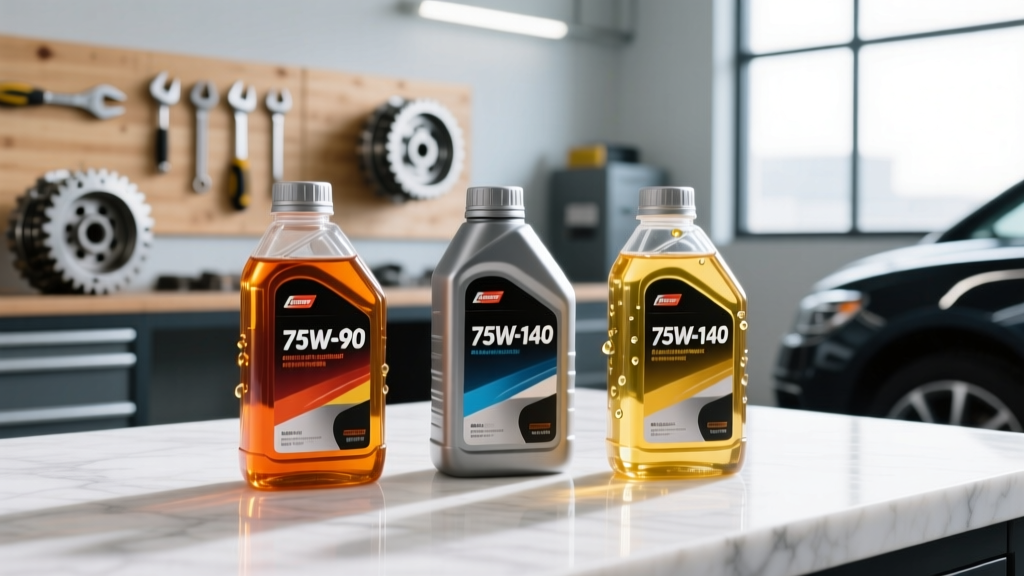
For Toyota and Lexus platforms, the factory fill is highly specialized. Specifically, Toyota Genuine Differential Gear Oil LX (typically a 75W-85 GL-5 formulation) is engineered with a proprietary friction modifier package designed explicitly for the clutch packs and worm gear geometries found in Torsen and viscous-coupled center differentials. Using an off-the-shelf generic 75W-90 GL-5 gear oil can lead to immediate drivability issues. This guide explores how to diagnose center differential symptoms, determine if a fluid exchange utilizing Toyota Genuine Differential Gear Oil LX will resolve the issue, and identify when mechanical intervention is required.
The Chemistry of Toyota Genuine Differential Gear Oil LX
To diagnose fluid-related failures, you must understand what makes the "LX" designation unique. Standard API GL-5 gear oils rely heavily on sulfur-phosphorus extreme pressure (EP) additives to protect hypoid gear teeth. While excellent for open rear differentials, these standard EP additives can be too "slippery" for the internal clutch packs found in limited-slip and locking center differentials.
According to formulation analyses discussed on the Bob Is The Oil Guy Gear Oil Forums, Toyota's LX fluid incorporates specialized molybdenum-based friction modifiers. These modifiers ensure that the clutch packs in a Torsen Type II or Type III center differential engage progressively rather than abruptly. When the friction modifiers deplete—typically between 60,000 and 90,000 miles under severe use—the coefficient of friction drops, leading to clutch pack chatter, micro-slip, and eventual glazing of the friction discs.
Key Specifications for LX Fluid
- Part Number: 08885-02506 (1-Liter Bottle)
- Viscosity: SAE 75W-85
- API Rating: GL-5
- Application: Hypoid gears and limited-slip/Torsen center differentials
Symptom Matrix: Fluid Degradation vs. Mechanical Failure
Accurate diagnosis requires isolating the symptom to its root cause. Below is a diagnostic matrix to help differentiate between degraded Toyota Genuine Differential Gear Oil LX and hard-part mechanical failures within the center differential or transfer case.
| Symptom | Operational Condition | Likely Fluid Cause | Likely Mechanical Cause |
|---|---|---|---|
| Low-Speed Shudder | Tight turns, figure-8 maneuvers, low speed | Depleted friction modifiers causing clutch pack chatter. | Glazed or warped clutch discs; damaged spider gears. |
| Deceleration Whine | Coasting, lifting off the throttle (40-60 mph) | Fluid foaming or incorrect viscosity (wrong fluid used). | Ring and pinion gear wear; pinion bearing preload loss. |
| Acceleration Howl | Heavy throttle application, climbing grades | Severe fluid starvation or incorrect fill level. | Ring gear deflection; worn carrier bearings. |
| Drivetrain Binding | Dry pavement turns, steering wheel feedback | Friction modifiers completely failed, clutches locked. | Viscous coupling seized; Torsen worm gear binding. |
| Clunk on Engagement | Shifting from Reverse to Drive | Unrelated to center diff fluid (usually backlash). | Excessive ring/pinion backlash; worn slip yoke. |
The "Figure-8" Diagnostic Road Test
If a customer complains of binding or shuddering in a full-time 4WD vehicle (such as a Land Cruiser with a VF2A transfer case or a 4Runner with a VF4B), the Figure-8 test is your primary diagnostic tool.
- Locate a Safe Area: Find a large, empty, paved parking lot. Ensure the surface is dry to maximize tire grip.
- Perform the Maneuver: Drive the vehicle in a continuous, tight figure-8 pattern at 5-10 mph. Keep the steering wheel at near-full lock.
- Evaluate the Feedback: A healthy center differential will allow the front and rear axles to rotate at different speeds seamlessly. If you feel a rhythmic "hopping" or shudder through the chassis, and hear a grinding or chattering noise from the center console area, the center differential clutch packs are failing to slip.
- The Fluid Variable: If the vehicle has over 80,000 miles and the fluid has never been changed, or if an aftermarket generic 75W-90 was previously installed, drain and refill with Toyota Genuine Differential Gear Oil LX. Drive the vehicle for 50 miles to allow the new friction modifiers to penetrate the clutch packs. Re-test. If the shudder persists, the clutch packs are mechanically glazed and require a teardown.
Center Differential Service: Step-by-Step Procedure
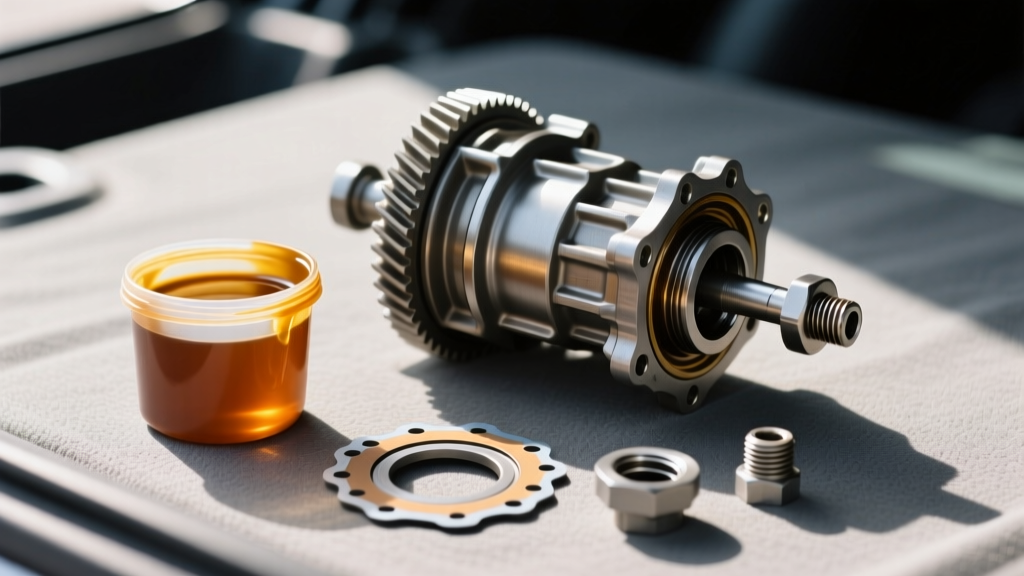
Proper service of the center differential (often integrated into the transfer case assembly on Toyota trucks) requires strict adherence to torque specifications and fill procedures. Incorrect fluid levels will lead to immediate gear starvation and whining.
Required Materials and Tools
- Toyota Genuine Differential Gear Oil LX (75W-85) - Qty: 2 to 3 Liters (depending on transfer case model)
- 24mm Hex Socket (for drain and fill plugs)
- Crush Washers (Part # 90430-24003) - Qty: 4 (if equipped with separate drain/fill for front output and center cavity)
- Torque Wrench (inch-lb and ft-lb)
- Fluid Transfer Pump
Service Steps
- Preparation: Warm the vehicle to operating temperature. This ensures the gear oil is thin enough to drain completely, pulling suspended metallic particulates out of the housing.
- Remove Fill Plug FIRST: Always remove the fill plug before the drain plug. If the drain plug is stripped or the fill plug is seized, you do not want to be left with an empty, immobile transfer case.
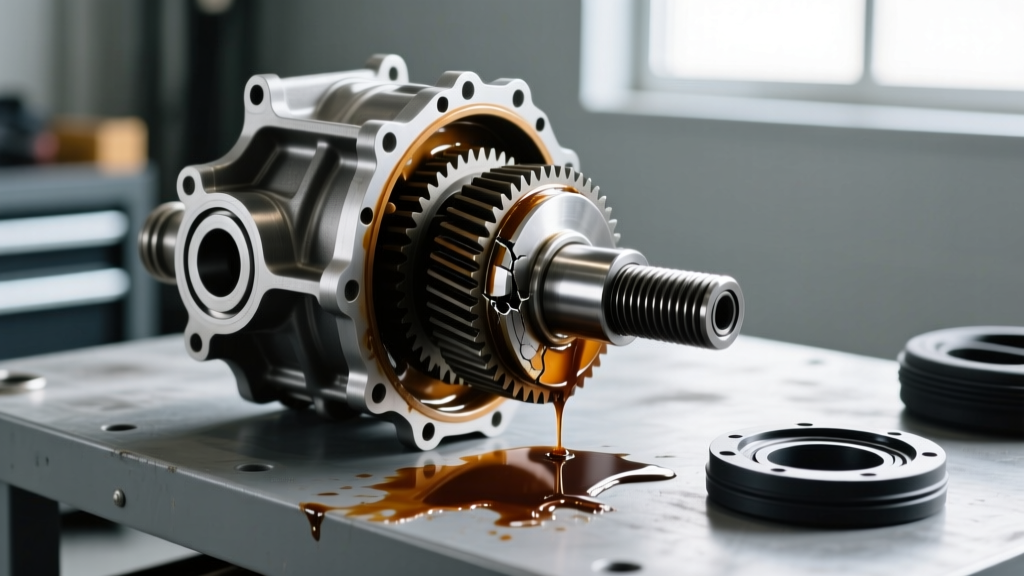
- Drain and Inspect: Remove the 24mm drain plug. Inspect the magnetic tip. Fine, glitter-like metallic paste is normal for a vehicle with 100,000 miles. However, if you find metal shards larger than a grain of rice, or chunks of brass (indicative of thrust washer wear), the center differential requires mechanical rebuilding.
- Refill Procedure: Reinstall the drain plug with a new crush washer. Torque to 27 ft-lbs (37 Nm). Using a transfer pump, fill the cavity with Toyota Genuine Differential Gear Oil LX until the fluid reaches the absolute bottom of the fill plug threads.
- Final Torque: Install the fill plug with a new crush washer and torque to 27 ft-lbs (37 Nm). Wipe away any residual fluid to prevent false leak diagnoses later.
For exact capacities and model-specific plug locations, technicians should always consult the Toyota Technical Information System (TIS), as the VF4B (part-time/full-time selectable) and VF2A (full-time Torsen) have vastly different internal fluid routing and total capacities.
When Fluid Won't Fix It: Rebuild Thresholds
While Toyota Genuine Differential Gear Oil LX is a highly effective corrective measure for friction-related shudder, it cannot reverse physical wear. If a fresh fluid exchange does not resolve the symptoms, you must evaluate the hard parts against factory API and OEM engineering tolerances.
Critical Teardown Measurements
- Ring Gear Backlash: Must be between 0.005" and 0.007" (0.13 - 0.18 mm). Excessive backlash causes the characteristic "clunk" on gear engagement and acceleration howl.
- Pinion Bearing Preload: Measured via rotating torque wrench. Typical spec is 8 to 14 in-lbs for new bearings, and 4 to 7 in-lbs for reused bearings. A loose pinion nut will destroy the pinion seal and cause high-pitch whining.
- Clutch Pack Thickness: In Torsen and viscous-coupled limited-slip center diffs, friction discs have a minimum thickness threshold. If the friction material is worn down by more than 0.015", the packs must be replaced, and the housing machined surfaces inspected for scoring.
- Worm Gear Play: In Torsen Type II/III units, excessive axial play in the helical side gears indicates worn thrust washers. This leads to uneven torque biasing and binding under load.
Conclusion: The Value of OEM Fluid Chemistry
Diagnosing AWD and full-time 4WD center differential issues requires a methodical approach that separates fluid chemistry failures from mechanical degradation. The Torsen and clutch-based center differentials found in Toyota and Lexus vehicles are engineering marvels, but they are entirely dependent on the precise friction coefficients provided by their lubricants. By utilizing Toyota Genuine Differential Gear Oil LX, adhering to strict torque specifications, and performing the Figure-8 diagnostic test, technicians and enthusiasts can accurately isolate the root cause of drivetrain shudder and whine. Never underestimate the diagnostic power of a proper fluid exchange before authorizing a multi-thousand-dollar drivetrain rebuild.