The True Cost of a 2017 Subaru Outback Differential Fluid Change in 2026
When maintaining the legendary Symmetrical All-Wheel Drive system, the differentials are often the most neglected components. If you are researching a 2017 Subaru Outback differential fluid change, you have likely encountered a maze of conflicting forum advice, outdated dealership service menus, and confusing gear oil specifications. As of 2026, with supply chain stabilizing but labor rates continuing to climb, understanding the exact cost and chemical requirements of your drivetrain fluid is more critical than ever.
The 2017 Outback represents a unique split in Subaru’s engineering. Depending on whether your wagon is equipped with the 2.5i four-cylinder or the 3.6R six-cylinder engine, your front differential setup is radically different. This distinction directly impacts your total service cost, fluid capacities, and the specific gear oil specifications required to prevent catastrophic hypoid gear wear.
2026 Service Cost Matrix: Dealer vs. Independent vs. DIY
Below is a realistic price breakdown for a complete differential fluid service (rear differential for all models, plus front differential for 3.6R models) based on current 2026 market rates and RockAuto parts pricing.
| Service Provider | Labor Cost (Est.) | Parts & Fluid Cost | Total Estimated Cost |
|---|---|---|---|
| Subaru Dealership | $120 - $180 | $65 - $95 (OEM Fluids) | $185 - $275 |
| Independent AWD Specialist | $75 - $110 | $45 - $70 (Aftermarket) | $120 - $180 |
| DIY (Drivetrain Enthusiast) | $0 (Your Time) | $25 - $45 (Fluid + Washers) | $25 - $45 |
Note: Dealerships often quote a 'drivetrain flush' that includes the CVT or automatic transmission fluid, which can artificially inflate the quote to over $600. Always specify you only want the hypoid gear oil in the differentials serviced.
Decoding Subaru’s Differential Gear Oil Specifications
To execute a proper service, we must look at the chemistry of the fluid. Subaru specifies 75W-90 API GL-5 gear oil for its standalone differentials. But why GL-5, and what does the viscosity rating actually mean for your Outback?
The Hypoid Gear Mandate and API GL-5 Chemistry
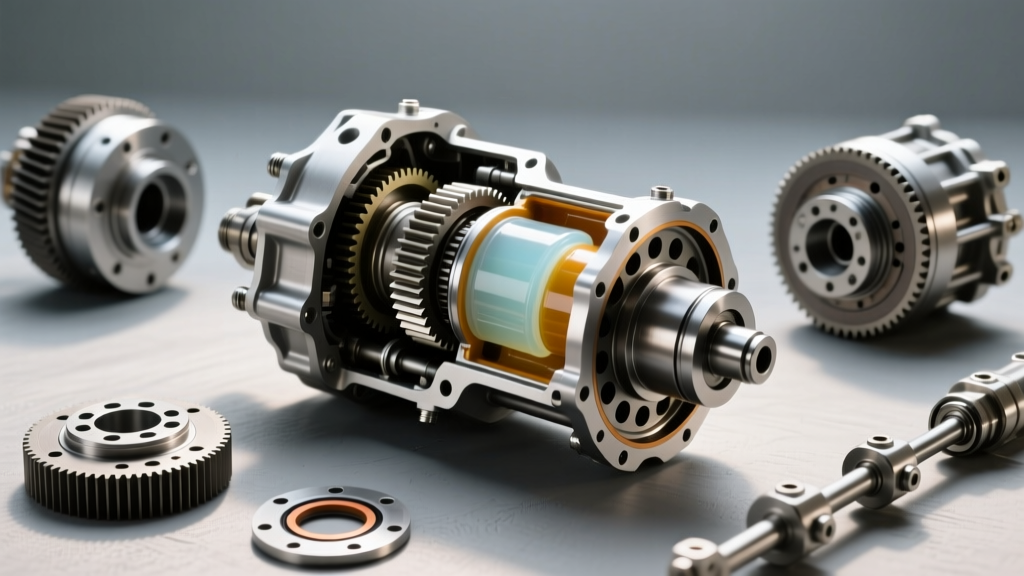
The rear differential in your 2017 Outback utilizes a hypoid gear set. Unlike standard spur gears, hypoid gears feature a pinion that is offset below the centerline of the ring gear. This design lowers the driveshaft tunnel, reducing cabin noise and increasing ground clearance. However, this offset creates a massive amount of sliding friction rather than pure rolling friction.
According to API (American Petroleum Institute) standards, GL-5 gear oils are formulated with high levels of Extreme Pressure (EP) additives—typically sulfur-phosphorus compounds. These additives react with the heat generated by the sliding hypoid gears to form a sacrificial microscopic solid film on the metal surfaces, preventing metal-on-metal welding and pitting. Using a GL-4 fluid in the Outback's rear differential will lead to accelerated ring and pinion wear, resulting in the infamous 'Subaru howl' on deceleration.
The 2.5i vs. 3.6R Front Differential Trap
This is where 90% of generic automotive guides fail the 2017 Outback owner. You must identify your engine to know your front differential specification:
- 2017 Outback 2.5i (TR580 CVT): The front differential is integrated directly into the Continuously Variable Transmission casing. It does not have a separate drain and fill plug, and it does not use 75W-90 gear oil. It is lubricated by the Subaru High-Torque CVTF (Lineartronic II). There is no standalone front differential fluid change for the 2.5i.
- 2017 Outback 3.6R (TR5 5EAT): The 3.6R uses a traditional 5-speed automatic transmission. The front differential is a separate, bolted-on extension housing with its own dedicated drain and fill plugs. This chamber requires roughly 1.2 Liters (1.27 US Quarts) of 75W-90 API GL-5 gear oil.
OEM vs. Aftermarket 75W-90 Gear Oil Comparison
While Subaru’s OEM Extra-HP fluid is excellent, the aftermarket has developed synthetic alternatives that offer superior shear stability and cold-weather flow characteristics—crucial for Outbacks operating in sub-zero climates. Below is a technical comparison of the top choices available in 2026.
| Brand & Product | Part Number / Spec | Price per Quart (2026) | Best Use Case |
|---|---|---|---|
| Subaru Extra-HP | SOA635079 (GL-5) | $16.50 | Warranty compliance, standard daily driving |
| Motul Gear 300 | 105783 (100% Synthetic) | $24.99 | High-load towing, extreme temperature swings |
| Red Line 75W90 | 50104 (Polyol Ester Base) | $22.50 | High-mileage diffs, track/auto-x use |
| Valvoline SynPower | VV975 (Full Synthetic) | $11.99 | Budget-friendly DIY, standard commuting |
DIY Execution: Tools, Torque, and Technique
Performing a rear differential fluid change on the 2017 Outback is a straightforward 30-minute job, provided you have the correct tools and follow the golden rule of drivetrain maintenance: Always remove the fill plug before the drain plug.
Required Tools and Materials
- Fluid: 1 Quart of 75W-90 API GL-5 (Rear diff capacity is exactly 0.8L / 0.84 US Quarts).
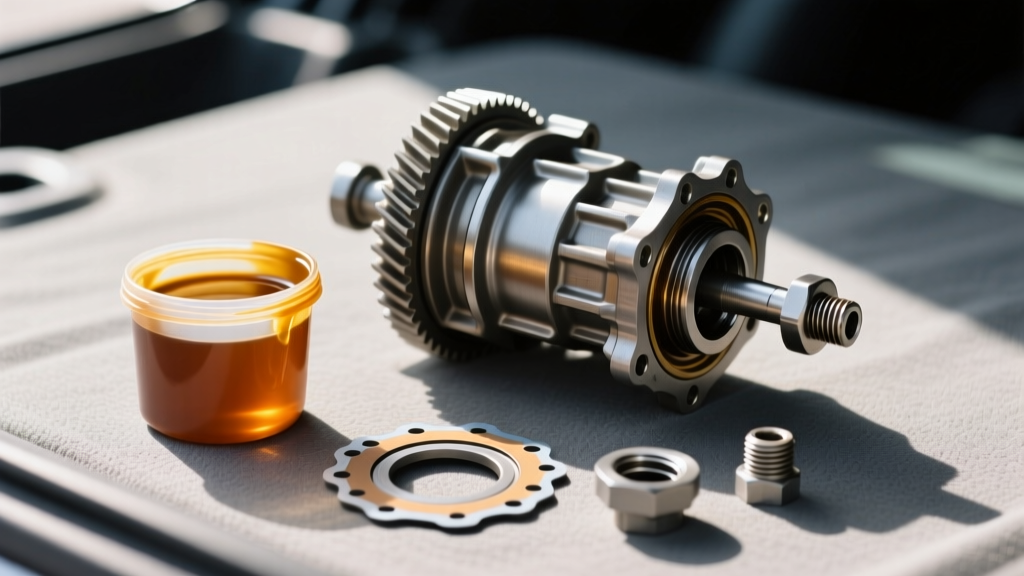
- Crush Washers: 2x Subaru OEM Aluminum Crush Washers (Part # 803918060). Never reuse the old washers; they work-harden and will leak.
- Socket/Drive: 1/2-inch square drive breaker bar (Subaru rear diff plugs typically accept a standard 1/2" ratchet head, though some aftermarket replacement plugs require a 13mm or 15mm hex bit).
- Fluid Pump: A manual hand-pump that threads onto a standard quart bottle is mandatory. The fill hole is located on the side of the differential housing, not the top.
- Torque Wrench: Capable of measuring in the 30-40 lb-ft range.
Critical Torque Specifications
Subaru’s differential housings are cast aluminum, while the drain and fill plugs are steel. Over-torquing will strip the threads, requiring a costly housing replacement or helicoil repair. According to Subaru Outback community technical archives and factory service manuals, the exact torque specification for both the rear differential drain and fill plugs is:
33.2 lb-ft (45 Nm)
Always ensure the vehicle is perfectly level on jack stands or a lift when checking the fluid level. The fluid is full when it begins to weep out of the bottom edge of the fill hole. Install the fill plug with a new crush washer immediately after the weeping stops, torque to 33.2 lb-ft, and then install and torque the drain plug.
Final Verdict: Is the DIY Route Worth It?
For the 2017 Subaru Outback 3.6R, a DIY differential fluid change saves you upwards of $150 compared to dealership rates, while allowing you to upgrade to a premium ester-based synthetic like Motul or Red Line. For the 2.5i owner, your 'differential service' is inherently tied to your CVT fluid maintenance schedule. Regardless of your engine, adhering strictly to the 75W-90 GL-5 specification and utilizing fresh aluminum crush washers will ensure your hypoid gears survive well past the 200,000-mile mark.