The 'Stochastic Differential' Phenomenon in AWD Diagnostics
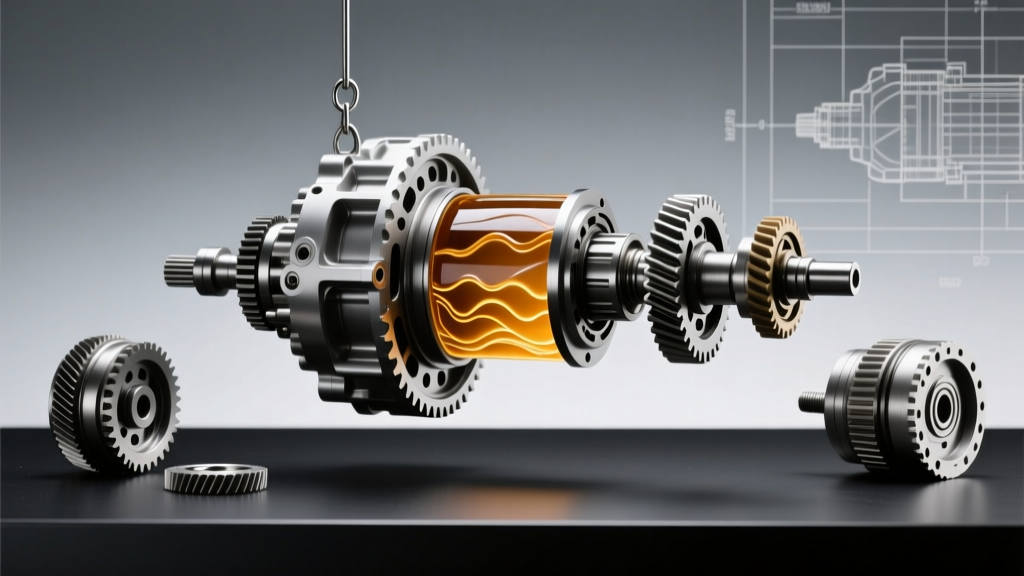
When diagnosing all-wheel-drive (AWD) drivetrains, technicians typically look for deterministic failures: a chipped ring gear, a snapped axle, or a failed bearing. These produce predictable, repeatable symptoms. However, modern AWD center differentials—particularly those utilizing viscous couplings, active multi-plate clutches, or complex helical gearsets—can exhibit what advanced diagnostic engineers refer to as stochastic differential behavior. In this context, a 'stochastic differential' failure mode refers to a center differential that exhibits probabilistic, non-repeatable binding, torque hunting, or clunking that defies standard mechanical troubleshooting logic.
Rather than failing outright, the center differential slips or locks based on seemingly random variables: ambient temperature, fluid shear history, or microscopic variances in clutch pack friction. According to Car and Driver's engineering analysis of AWD systems, the complexity of modern torque-vectoring and center-diff management means that fluid degradation often mimics catastrophic mechanical failure. This guide provides a deep-dive diagnostic framework for isolating random center differential bind from hard-part failures in popular AWD architectures.
Common AWD Center Differential Architectures & Failure Modes
1. Viscous Couplings (e.g., Early Subaru, Toyota VF4B)
Viscous center differentials rely on a silicone-based fluid sandwiched between interleaved plates. When a speed differential occurs between the front and rear axles, the fluid shears, generating heat and causing the silica particles to clump together (shear-thickening), effectively locking the axles. Stochastic Symptom: As the fluid ages, its hysteresis curve degrades. The differential may exhibit random 'hump' phenomena—suddenly locking up during low-speed parking maneuvers or failing to engage during high-slip events. This randomness is dictated by the fluid's thermal memory and localized shear history, not a broken mechanical part.
2. Helical Gear / Torsen (e.g., Audi Quattro, Subaru DCCD)
Torsen (Torque Sensing) differentials use complex helical gear sets and thrust washers to bias torque mechanically. ZF's driveline technology documentation highlights that these units require precise friction modulation via specialized GL-5 gear oils. Stochastic Symptom: Depletion of friction modifiers in the gear oil causes the thrust washers to alternate between micro-slip and abrupt grab. The driver experiences a random, probabilistic shudder during tight turns that may disappear entirely once the fluid reaches operating temperature, making it incredibly difficult to replicate on a lift.
3. Active Multi-Plate Clutches (e.g., Haldex, BorgWarner Torque-on-Demand)
Electronically controlled center diffs use a solenoid to apply pressure to a clutch pack bathed in specialized fluid. Stochastic Symptom: Dielectric breakdown of the fluid or microscopic glazing on the friction plates causes the solenoid's duty cycle to result in unpredictable torque transfer. The vehicle's ECU may detect slip and command lock, but the clutch pack's randomized friction coefficient results in torque hunting (rapid engaging and disengaging) that feels like a failing transmission.
Diagnostic Matrix: Random Bind vs. Hard Mechanical Failure
Use this matrix to determine if your AWD center differential is suffering from a stochastic (fluid/friction) issue or a deterministic (hard-part) failure.
| Symptom Profile | Stochastic (Random) Root Cause | Deterministic (Hard) Root Cause | Verification Method |
|---|---|---|---|
| Low-speed parking bind that disappears after 10 minutes of driving | Viscous fluid shear-thickening hysteresis; depleted friction modifiers | Bent shift fork; damaged synchro ring | Thermal imaging of diff housing; fluid drain-and-inspect |
| Random drivetrain clunk only when transitioning from coast to load | Multi-plate clutch glazing; solenoid duty-cycle lag | Excessive ring-and-pinion backlash; worn spider gears | OBD-II live solenoid data; dial indicator backlash test |
| Intermittent AWD warning light with no stored mechanical codes | Fluid dielectric breakdown causing erratic clutch pack engagement | Failed wheel speed sensor; broken wiring harness | Oscilloscope test on speed sensors; fluid resistivity test |
Step-by-Step Troubleshooting Protocol
Step 1: Thermal Imaging and Hysteresis Mapping
Before tearing into the drivetrain, use an infrared thermometer or thermal camera to map the center differential housing. Drive the vehicle on a dyno or a safe, loose-surface course to induce slip. A healthy viscous or clutch-based center diff will show a steady, predictable temperature rise (typically peaking around 160°F - 180°F under load). If the housing exhibits rapid, localized thermal spikes exceeding 220°F within seconds of low-speed slip, the internal fluid has lost its shear stability, confirming a stochastic fluid failure rather than a mechanical bind.
Step 2: Fluid Analysis and Shear Stability Testing
Drain the center differential fluid into a clear, calibrated beaker. Look for three things:
- Friction Modifier Depletion: Rub the fluid between your fingers. If it feels overly 'slippery' without the characteristic tackiness of a limited-slip additive, the clutch packs are likely glazing and grabbing randomly.
- Silica Clumping (Viscous Units): If the fluid appears cloudy or has suspended gel-like particles, the silicone base has undergone irreversible shear degradation.
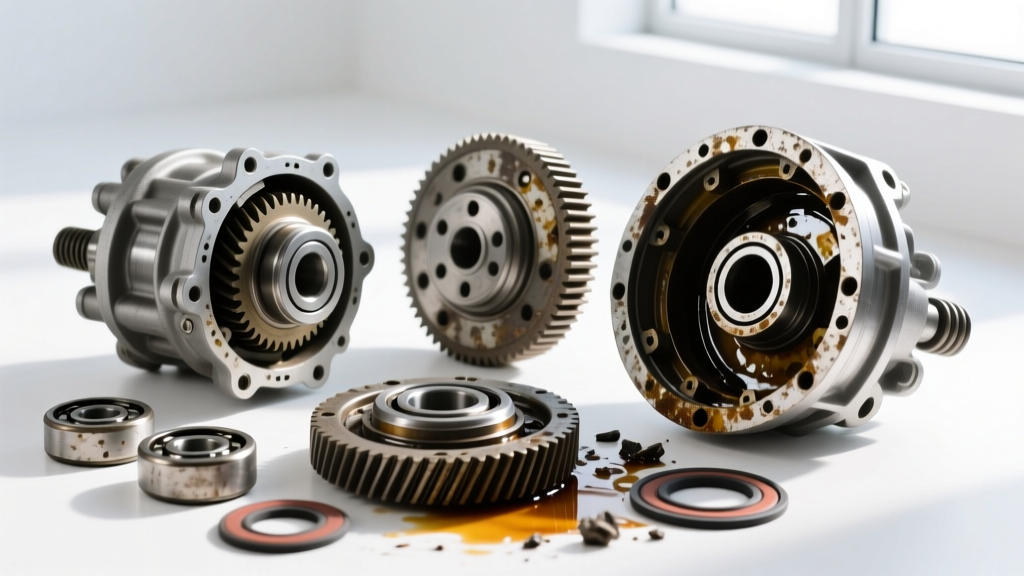
- Micro-Fines: A light gray haze is normal for Torsen units (helical gear wear). However, visible metallic flakes indicate deterministic thrust washer failure.
Step 3: Solenoid & Duty Cycle Verification (Active Diffs)
For electronically managed center differentials like the Subaru DCCD or modern Haldex systems, connect a bidirectional OBD-II scan tool. Monitor the center diff lock solenoid duty cycle while driving. If the ECU commands a steady 40% lock, but the vehicle's yaw rate and wheel speed sensors indicate erratic torque transfer, the fault lies in the hydraulic clutch pack's randomized friction coefficient, necessitating a fluid flush and potential clutch pack replacement.
Fluid Specifications, Capacities, and Torque Specs
Using the incorrect fluid is the leading cause of stochastic differential behavior. AWD center diffs are incredibly sensitive to friction modifiers and viscosity indexes. Below are the exact specifications for common platforms:
Always verify the exact OEM part number against your VIN. Substituting standard GL-5 gear oil in an active clutch-based center diff will cause immediate, erratic binding.
- Subaru 6MT DCCD (Driver Controlled Center Differential):
Capacity: ~1.2 Liters
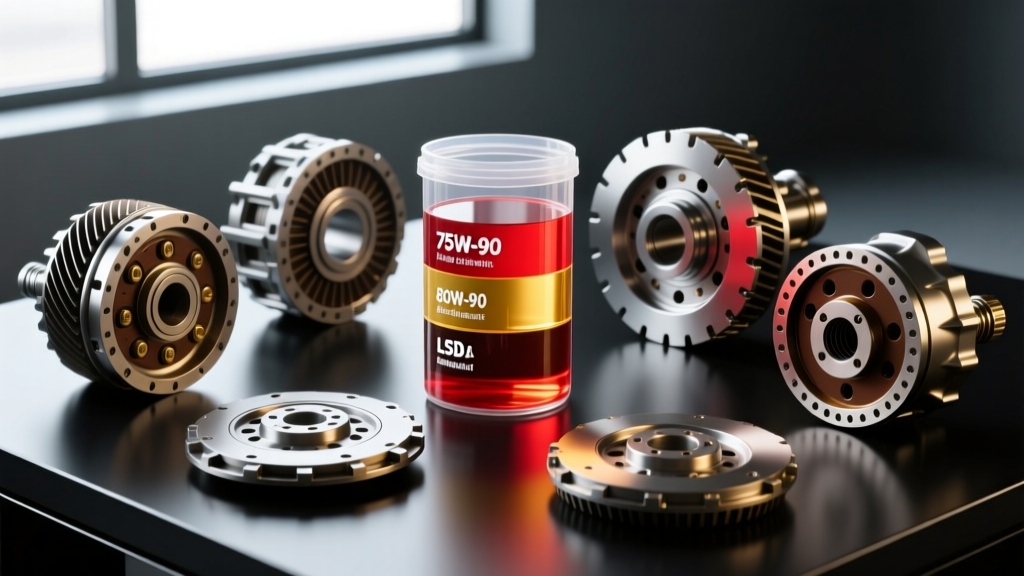
Fluid: Subaru Extra MT 75W-80 (Part # SOA635040) or Motul Gear 300 75W-90 (Part # 105783).
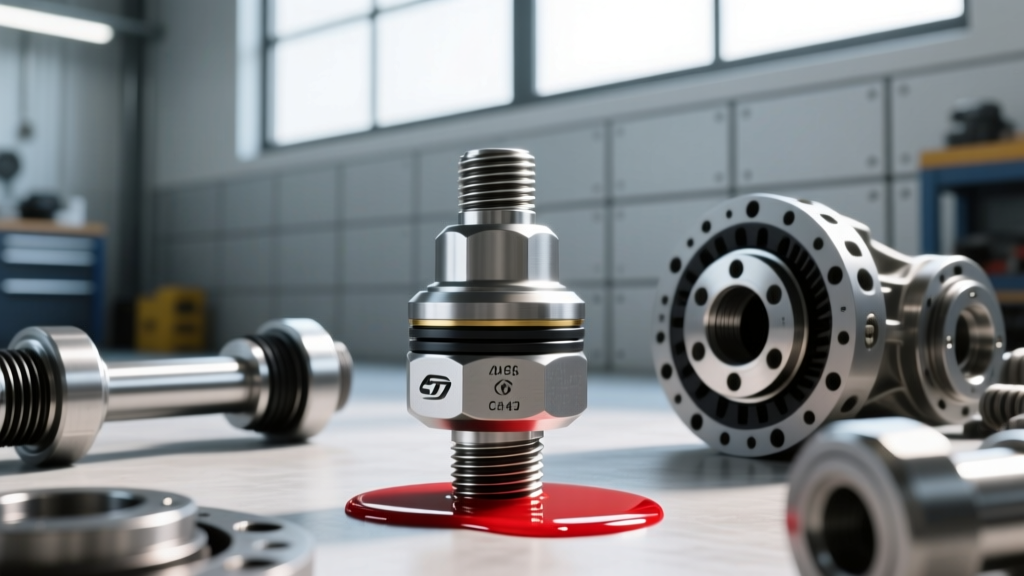
Drain/Fill Plug Torque: 33 lb-ft (45 Nm).
Subaru Symmetrical AWD Engineering Guidelines mandate strict adherence to their friction-modifier profile to prevent DCCD hunting. - Audi Quattro (Torsen Type C / 0A3 Transfer Case):
Capacity: ~0.85 Liters
Fluid: OEM Audi G 052 145 S2 (75W-90 GL-5 with specific helical gear anti-wear additives).
Fill Plug Torque: 22 lb-ft (30 Nm). - Toyota/Lexus VF4B Transfer Case (Torsen/LSD):
Capacity: ~1.4 Liters
Fluid: Toyota Genuine Transfer Case Oil LF (Part # 08885-81080).
Drain/Fill Plug Torque: 27 lb-ft (37 Nm).
Cost Analysis: Service vs. Rebuild
Addressing stochastic differential symptoms early can save thousands in unnecessary hard-part replacements. Here is a realistic 2026 pricing breakdown for center differential interventions:
- Preventative Fluid Service: $150 - $280 (Includes OEM fluid and labor). This resolves 70% of random low-speed binding issues caused by friction modifier depletion.
- Viscous Coupling Replacement: $600 - $950 (Part and labor). Required when silica shear-thickening is irreversible.
- Active Clutch Pack Rebuild: $850 - $1,400. Involves dropping the transfer case, replacing the friction plates, and resetting the ECU clutch adaptation values.
- Complete Torsen Center Diff Replacement: $1,800 - $3,200. Only necessary if helical gears are galled or thrust washers have physically disintegrated.
By understanding the difference between a hard mechanical break and a stochastic, fluid-dependent failure mode, technicians and DIY enthusiasts can accurately diagnose AWD center differential issues without resorting to unnecessary teardowns. Always start with thermal data, fluid analysis, and live solenoid monitoring before reaching for the wrench.