Understanding the AWD Center Differential
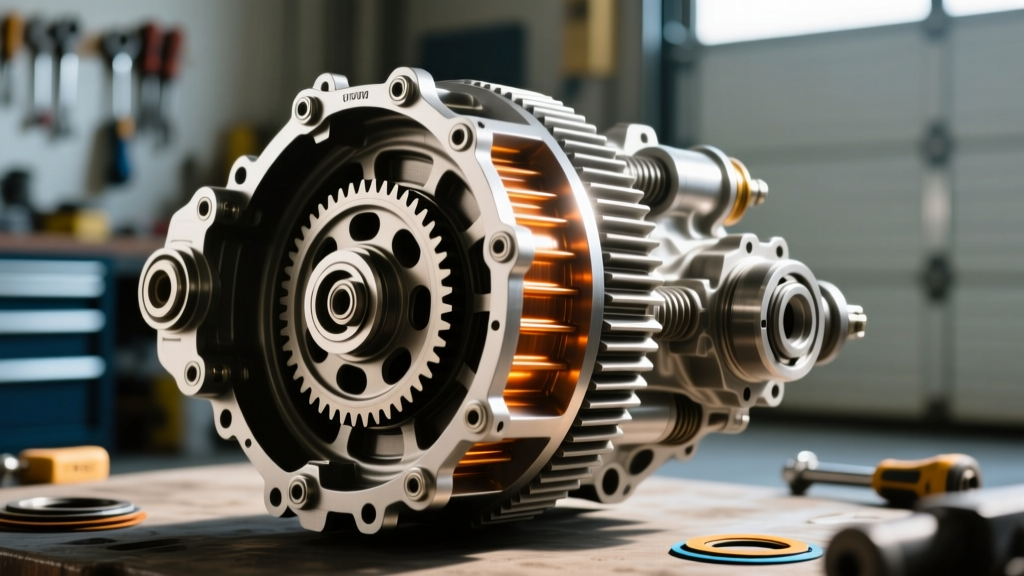
The center differential is the unsung hero of any All-Wheel Drive (AWD) system. Unlike front or rear differentials that split torque left-to-right, the center diff manages the front-to-rear torque split, accommodating speed differences between the front and rear axles during cornering. When this component begins to fail, the symptoms are often misdiagnosed as transmission failure or wheel bearing issues. While many DIYers mistakenly search for 'semi differential oil'—often confusing semi-synthetic blends with semi-floating axle applications—the reality is that AWD center differentials demand highly specialized fluid chemistry to operate correctly.
Whether your vehicle utilizes a viscous coupling (early Subaru), a helical gear setup like the Torsen (Audi Quattro), or an electronically controlled multi-plate clutch pack (BMW xDrive, Nissan ATTESA), the fluid inside is subjected to extreme shear forces and thermal cycling. In this comprehensive diagnostic guide, we will break down the exact symptoms of center differential failure, analyze the role of fluid degradation, and determine if switching to a high-quality semi-synthetic differential oil can reverse the damage.
The Anatomy of Center Differentials and Fluid Requirements
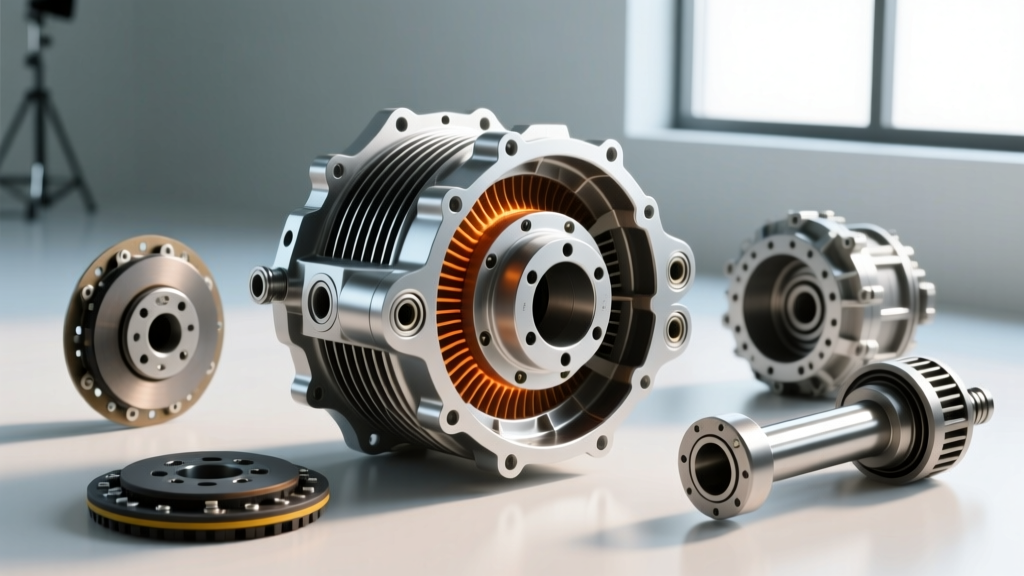
Before diagnosing a noise or driveline bind, it is critical to understand the mechanical design of your specific AWD center differential, as this dictates the fluid requirement:
- Viscous Couplings (LSD): Rely on the shear-thickening properties of specialized silicone-based fluids. Using standard gear oil will destroy the coupling.
- Helical / Torsen Diffs: Operate on worm gear mechanics. They require high-load-carrying GL-5 gear oils with specific sulfur-phosphorus extreme pressure (EP) additives to prevent gear scoring.
- Clutch-Pack Diffs: Utilize alternating steel and friction plates. These require fluids with specialized friction modifiers to prevent shudder and ensure smooth torque transfer.
According to the American Petroleum Institute (API), GL-5 gear oils are designed for high-speed, high-load, and high-torque conditions. However, not all GL-5 fluids are created equal when it comes to the shear stability required for continuous AWD center diff operation.
Top 4 Center Differential Symptoms & What They Mean
1. Low-Speed Binding and Tire Chatter
The Symptom: When pulling into a parking space or executing a tight U-turn, the vehicle feels as though the brakes are dragging, accompanied by a rhythmic 'chatter' or hopping sensation from the driveline.
The Diagnosis: This is the classic hallmark of clutch-pack glazing or friction modifier depletion. In clutch-type center diffs, the friction modifiers in the oil degrade over time due to thermal breakdown. Without these modifiers, the clutch plates grab and release erratically (stick-slip friction) instead of slipping smoothly. A fluid flush with a fresh friction modifier additive often resolves this immediately.
2. High-RPM Whining Under Load
The Symptom: A distinct, high-pitched whine that increases in pitch with vehicle speed and changes tone under acceleration versus deceleration.
The Diagnosis: Whining indicates gear tooth wear or bearing degradation. In Torsen-style center diffs, the helical gears rely on a precise fluid film thickness. If the oil has suffered from severe shear breakdown (losing its viscosity grade), metal-to-metal contact occurs, leading to micro-pitting on the gear flanks. If caught early, switching to a high-viscosity, shear-stable synthetic or premium semi-synthetic differential oil can quiet the noise. If the whine persists after a fluid change, bearing replacement is required.
3. Shuddering During Tight Corners at Speed
The Symptom: A violent vibration felt through the chassis during sweeping highway curves or off-ramps.
The Diagnosis: This points to a failing viscous coupling or a severely degraded multi-plate clutch pack. In viscous units, the internal silicone fluid permanently shears and loses its ability to transfer torque smoothly. No fluid change will fix a failed viscous coupling; the unit must be replaced.
4. The Dreaded AWD Warning Light Flash
The Symptom: The dashboard AWD warning light illuminates, often locking the vehicle into a default FWD or RWD 'limp' mode.
The Diagnosis: Modern AWD systems monitor center diff clutch slip via wheel speed sensors. If the ECU detects slip that exceeds the expected threshold (often caused by burnt fluid or worn clutch plates), it disables the system to prevent mechanical destruction. A fluid flush and ECU reset is the first diagnostic step before condemning the clutch pack.
Fluid Breakdown: Semi-Synthetic vs. Full Synthetic in Center Diffs
When owners research fluid options, the debate between full synthetic and semi-synthetic differential oil frequently arises. While full synthetics offer superior thermal limits, modern semi-synthetic blends have closed the gap significantly, offering excellent shear stability at a lower cost. The Lubrizol Driveline Additives division notes that modern additive packages can make semi-synthetic bases highly resistant to the KRL shear test, which measures viscosity loss under extreme mechanical stress.
| Fluid Type | Base Oil Composition | Shear Stability (KRL Test) | Friction Modifier Package | Avg. Cost / Quart | Best Application |
|---|---|---|---|---|---|
| OEM Full Synthetic | Group IV (PAO) | Excellent (< 2% loss) | Proprietary OEM Blend | $25 - $45 | Clutch-pack DCCD / xDrive |
| Premium Semi-Synthetic | Group II/III Blend | Very Good (< 5% loss) | High-Concentration Borate | $12 - $18 | Helical / Torsen Center Diffs |
| Conventional 80W-90 | Group I Mineral | Poor (> 10% loss) | Standard Sulfur-Phosphorus | $6 - $9 | Heavy-duty solid axles (Not AWD) |
Step-by-Step Center Diff Diagnostic Protocol
Before ordering replacement parts, follow this exact diagnostic protocol to isolate the center differential from the rest of the driveline:
- Thermal Imaging Test: After a 20-minute drive, use an infrared thermometer to measure the center differential casing temperature. Normal operating temps are between 140°F and 180°F. If the casing reads above 220°F, internal slip is occurring, generating massive friction.
- The Stall Test (Clutch-Pack Only): With the vehicle on a lift and all four wheels off the ground, start the engine and place it in drive. Apply light brake pressure to the front wheels while applying throttle. If the rear wheels immediately spin, the clutch pack is engaging. If there is a 2-3 second delay or a harsh 'clunk', the fluid is degraded or the solenoid is failing.
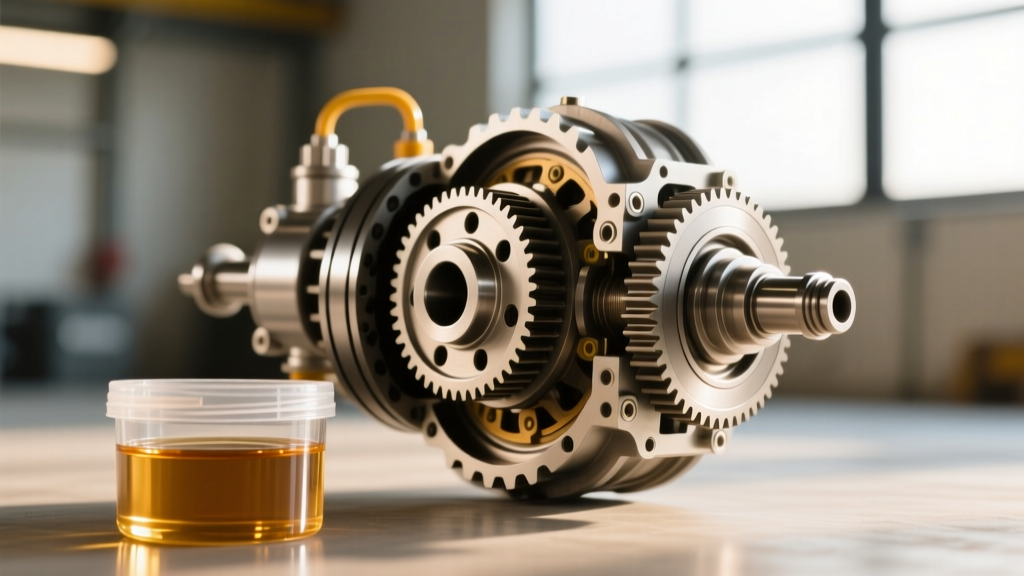
- Fluid Sampling and Analysis: Drain a small sample of the fluid into a clear glass jar.
- Brass/Gold Flakes: Indicates synchro or thrust washer wear. (Rebuild required).
- Steel Glitter (Magnetic): Normal gear wear, but excessive amounts point to bearing failure.
- Burnt Smell / Black Fluid: Clutch plate glazing. A flush may save the unit if caught early.
- Backlash Measurement: If the diff is removed, use a dial indicator to measure gear backlash. Spec is typically 0.004 to 0.008 inches. Anything over 0.012 inches will cause whining and requires a teardown.
Real-World Case Studies: Subaru vs. Audi Quattro
Case Study 1: Subaru 6MT Viscous Center Differential
Vehicle: 2015 Subaru WRX STI (6-Speed Manual)
Symptom: Severe binding during low-speed parking maneuvers.
Diagnosis: The viscous LSD center diff fluid had degraded, and the limited-slip friction modifier was depleted.
The Fix: Drained and filled with 1.7 Liters of Subaru Extra-HP 75W-90 GL-5 (Part #SOA635040000).
Torque Spec: The drain and fill plugs require a new crush washer and must be torqued to exactly 33 ft-lbs (45 Nm). Over-torquing strips the soft aluminum casing of the transmission extension housing.
Case Study 2: Audi Quattro Torsen Type C
Vehicle: 2018 Audi S4 (B9 Platform)
Symptom: High-speed highway whine under load.
Diagnosis: The previous owner used a cheap conventional 80W-90 gear oil, which sheared down to a 60-weight under the high load of the Torsen worm gears, causing micro-pitting.
The Fix: Flushed with 1.0 Liter of OEM Audi/VW G 052 145 S2 fluid. While a premium semi-synthetic differential oil like Motul Gear 300 75W-90 would have been an acceptable alternative, the OEM fluid's specific EP additive package is tailored for the Torsen's unique sliding friction.
Torque Spec: Fill plug torqued to 44 ft-lbs (60 Nm).
When to Rebuild vs. When to Flush: The Cost Reality
Knowing when to cut your losses is crucial for AWD repair economics. Here is a breakdown of what to expect in 2026 pricing:
- Preventative Fluid Flush ($150 - $250): Should be performed every 30,000 to 60,000 miles. If your only symptom is mild low-speed chatter, start here. The cost of 2 quarts of high-quality semi-synthetic differential oil and a friction modifier additive is under $50 in parts.
- Clutch Pack Replacement ($800 - $1,500): If the fluid is black, smells severely burnt, and the AWD warning light is active, the clutch plates are likely glazed beyond repair. The center diff must be removed, opened, and the friction/steel plate stack replaced.
- Complete Center Diff Rebuild or Replacement ($2,500 - $4,500): If your dial indicator shows excessive backlash, or your drained fluid is full of large brass and steel chunks, the internal bearings and gears are destroyed. For Torsen units, complete OEM replacement assemblies are often the only route, as aftermarket rebuild kits for complex helical gearsets are virtually non-existent.
Final Verdict on Fluid Selection
Can a semi-synthetic differential oil fix a noisy or binding AWD center differential? If the issue is rooted in friction modifier depletion or minor shear breakdown, absolutely. A high-quality semi-synthetic blend with the correct API GL-5 rating and OEM-approved friction modifiers can restore smooth operation and eliminate low-speed chatter. However, if the noise is a result of physical gear pitting or bearing spalling, no fluid on the market will reverse mechanical wear. Always perform a thermal and fluid-sampling diagnostic before committing to a repair path, and never ignore the specific torque specifications when resealing your driveline.