The i-VTM4 Architecture: Beyond Standard Open Differentials
The 2016 model year marked a paradigm shift for Honda’s AWD lineup, introducing the third-generation Pilot and the highly sophisticated i-VTM4 (Intelligent Variable Torque Management) rear drive unit (RDU). Unlike traditional open differentials or mechanical limited-slip units found in solid-axle trucks, the i-VTM4 is a complex, twin-clutch torque-vectoring system co-developed with ZF Friedrichshafen. This system can route up to 70% of the engine's torque to the rear axle, and subsequently distribute 100% of that rear torque to either the left or right wheel.
Because the i-VTM4 relies on wet-clutch packs to achieve this dynamic torque vectoring, thermal management is the single most critical factor in its longevity. When enthusiasts and mechanics discuss a 'differential cover' in the context of solid axles, they are referring to a removable stamped steel or cast aluminum pan. However, the i-VTM4 utilizes a sealed, split-case aluminum housing. Therefore, addressing the casing, cooling fins, and external thermal aids is essential to preserving the chemical integrity of the 2016 Honda Pilot rear differential fluid.
Thermal Dynamics: Casing, Covers, and Heat Dissipation
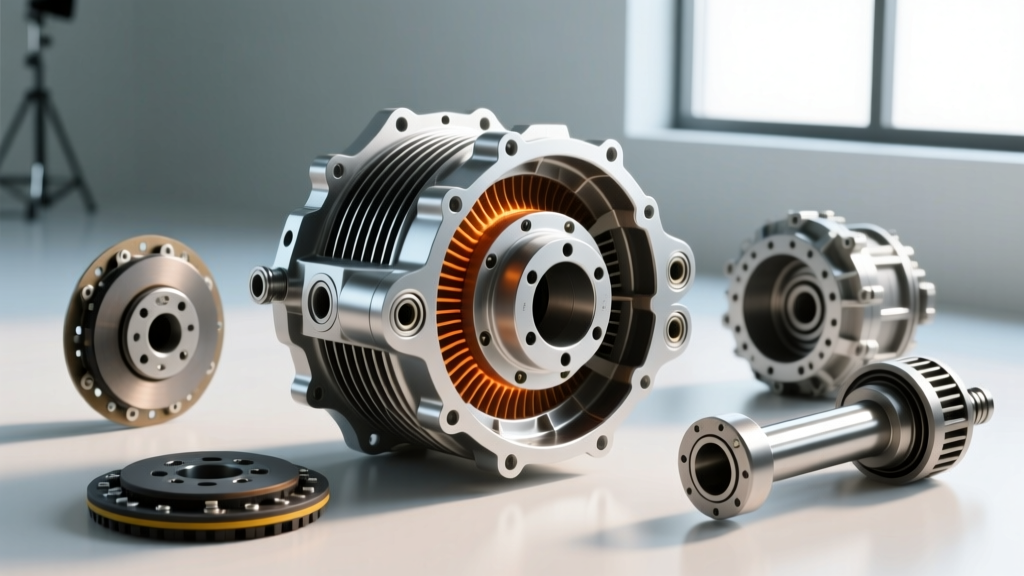
The wet-clutch packs inside the i-VTM4 RDU generate immense friction and heat during aggressive cornering, towing, or low-traction recovery scenarios. The OEM aluminum casing acts as the primary heat sink. The exterior of the housing features integrated cast cooling fins designed to maximize convective heat transfer to the ambient air rushing beneath the vehicle.
OEM Fin Design vs. Aftermarket Cooling Covers
While the OEM casing is adequate for standard commuting and light duty, it struggles under sustained high-load conditions, such as towing a 3,500-lb trailer through mountain passes. When the internal fluid temperature exceeds 220°F (104°C), the kinematic viscosity of the fluid drops, leading to clutch slip, judder, and accelerated wear. To combat this, the aftermarket has developed specialized 'cooling covers' and external cooling circuits.
Companies like PRL Motorsports have engineered upgraded rear differential covers and cooling kits specifically for the Gen 3 Pilot and Ridgeline. These upgrades typically involve replacing a section of the OEM housing or adding a finned, baffled cover that increases both the surface area for heat dissipation and the overall fluid capacity.
| Metric | OEM i-VTM4 Casing | Aftermarket Finned Cover / Cooler Kit |
|---|---|---|
| Material | Cast Aluminum Alloy | Billet / Extruded 6061-T6 Aluminum |
| Surface Area | Standard OEM Cast Fins | +45% Increased Fin Density |
| Fluid Capacity | 2.1 Liters (2.22 Qt) | Up to 2.6 Liters (with baffled cover) |
| Thermal Dissipation | Passive Airflow Dependent | Enhanced Convective & Active Cooling |
| Estimated Temp Drop | Baseline | 15°F - 25°F under sustained load |
Fluid Degradation: The Enemy of the Twin-Clutch Packs
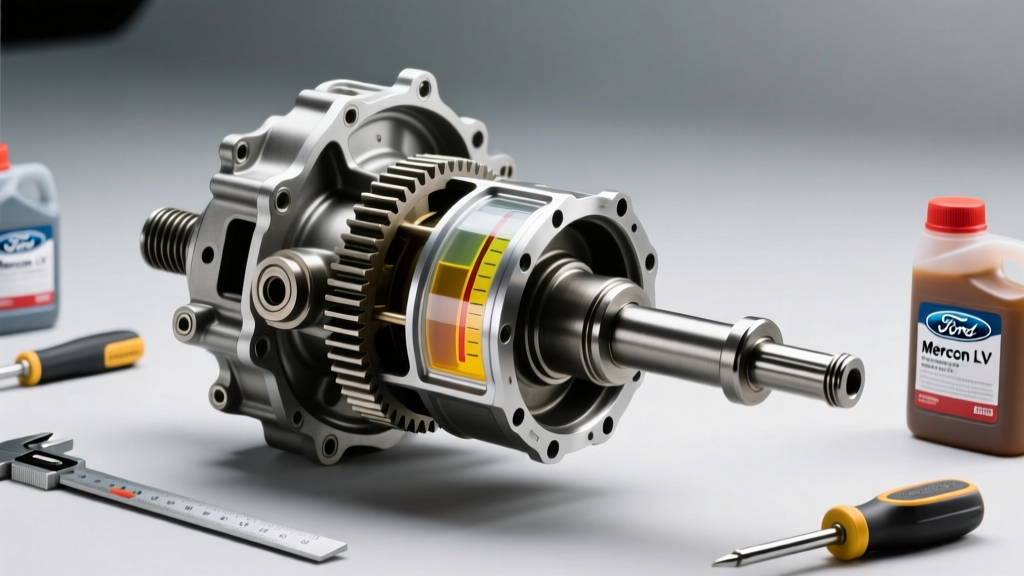
The relationship between the casing's cooling efficiency and the 2016 Honda Pilot rear differential fluid is rooted in tribology. Honda specifies a proprietary fluid for this system: Honda Genuine i-VTM4 Fluid (Part Number 08200-9007). This fluid is not a standard 75W-90 gear oil; it is a highly specialized hydraulic and lubricating fluid containing specific friction modifiers designed for the ZF wet-clutch materials.
The Stages of Thermal Breakdown
- Stage 1: Additive Shearing (15,000 - 30,000 miles): Normal mechanical shearing begins to break down the long-chain polymers that maintain the fluid's viscosity index.
- Stage 2: Thermal Oxidation (Overheating Events): If the OEM casing cannot shed heat fast enough, the fluid oxidizes. This creates varnish and sludge that clogs the microscopic feed holes in the clutch packs.
- Stage 3: Friction Modifier Depletion: The specialized additives that prevent clutch judder are consumed. The driver will begin to feel a 'groaning' or 'shuddering' sensation during tight, low-speed turns.
Relying on standard 75W-90 GL-5 gear oil will destroy the i-VTM4 clutches almost immediately, as the friction coefficients are entirely incompatible with the ZF clutch lining materials.
Precision Service: Torque Specs and Fluid Capacities
Maintaining the cooling efficiency of the system requires strict adherence to fluid change intervals, especially if the vehicle is operated in severe conditions. According to the Honda Owners Portal, the rear differential fluid should be inspected regularly and changed based on the maintenance minder system, though severe-duty intervals dictate a change every 15,000 to 30,000 miles.
Step-by-Step Thermal Maintenance Protocol
- Preparation: Drive the vehicle for 15-20 minutes to bring the RDU up to operating temperature. Warm fluid flows faster and suspends particulate matter, ensuring a more complete drain.
- Leveling:Ensure the vehicle is perfectly level on jack stands or a lift. An unlevel vehicle will result in an under-filled or over-filled RDU, both of which cause severe aeration and cooling issues.
- Fill Plug First:Always remove the upper FILL plug (17mm socket) before removing the lower DRAIN plug. This prevents the disaster scenario of draining the unit and discovering the fill plug is seized.
- Draining:Remove the drain plug and allow the fluid to drain completely. Inspect the magnetic tip on the drain plug. Fine metallic paste is normal; large shards or chunks indicate internal clutch or bearing failure.
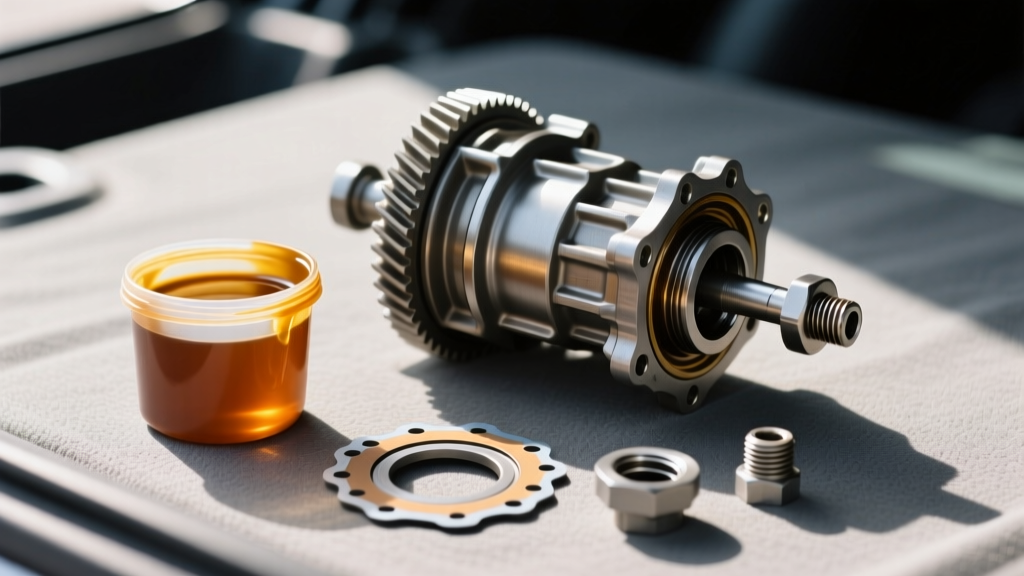
- Hardware Replacement:Discard the old crush washers. Install new 16mm Aluminum Crush Washers (Honda PN 90471-PX4-000) on both the drain and fill plugs.
- Filling:Using a fluid transfer pump, inject exactly 2.1 Liters (2.22 Quarts) of Honda Genuine i-VTM4 Fluid (PN 08200-9007) into the fill hole.
- Torque Specifications:Reinstall both plugs and torque them to exactly 33 lb-ft (44 Nm). Over-torquing can crack the aluminum casing or strip the threads, compromising the sealed thermal environment.
Diagnosing Overheating and Clutch Judder
If your 2016 Pilot exhibits a groaning noise from the rear axle during tight parking lot maneuvers, the immediate suspect is degraded fluid. However, if the fluid has been changed recently using the correct OEM specification, the issue may be thermal damage to the clutch packs or a failing internal control valve.
In these edge cases, installing an aftermarket finned differential cover or an active fluid-to-air cooling loop is highly recommended. By dropping the baseline operating temperature by just 20°F, you exponentially increase the lifespan of the i-VTM4 friction modifiers and prevent the clutch glazing that necessitates a complete RDU replacement—a repair that routinely exceeds $2,500 at the dealership level.
Summary of Best Practices for 2026 and Beyond
As these vehicles age and accumulate higher mileage, proactive thermal management transitions from an enthusiast modification to a necessary maintenance protocol. Understanding that the 'cover' on your i-VTM4 is a critical heat sink, and that the specialized fluid within it is highly sensitive to thermal degradation, will ensure your AWD system operates flawlessly. Always prioritize OEM fluid chemistry, adhere to strict torque specifications, and consider aftermarket cooling solutions if your driving profile regularly pushes the limits of the OEM casing's thermal capacity.