The 2000 Toyota 4Runner Rear Differential: A Thermal Engineering Deep-Dive
When discussing the legendary third-generation SUV platform, the 2000 Toyota 4Runner rear differential stands out as a benchmark for durability. Equipped with the iconic Toyota 8.0-inch semi-floating axle, this drivetrain component has survived decades of abuse on trails and highways alike. However, as enthusiasts push these vehicles harder in 2026—towing heavier overland trailers and running larger, heavier mud-terrain tires—thermal management has become a critical focal point. Heat is the ultimate enemy of gear oil film strength, and understanding how to properly cool and upgrade the 'cover' of this specific axle requires a masterclass in Toyota's unique drivetrain architecture.
Debunking the 'Bolt-On Rear Cover' Myth
If you are coming from the Ford, Chevrolet, or Jeep ecosystems, you are likely accustomed to axles like the Dana 44 or Ford 8.8, which feature a removable, bolt-on differential cover on the back of the axle housing. This cover allows for easy fluid changes and is frequently swapped for finned aluminum aftermarket versions to increase cooling and capacity.
The Toyota 8-inch axle does not work this way.
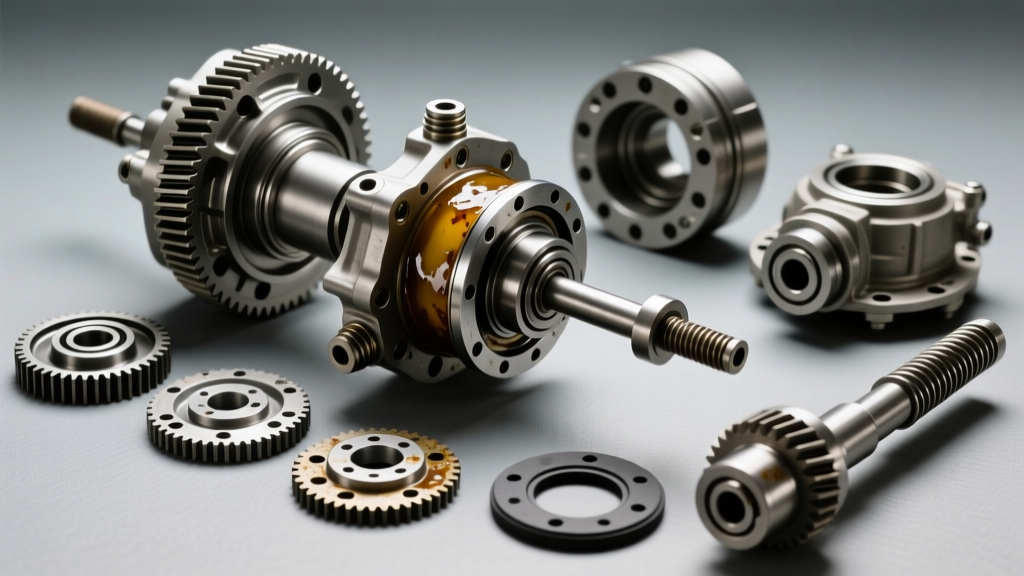
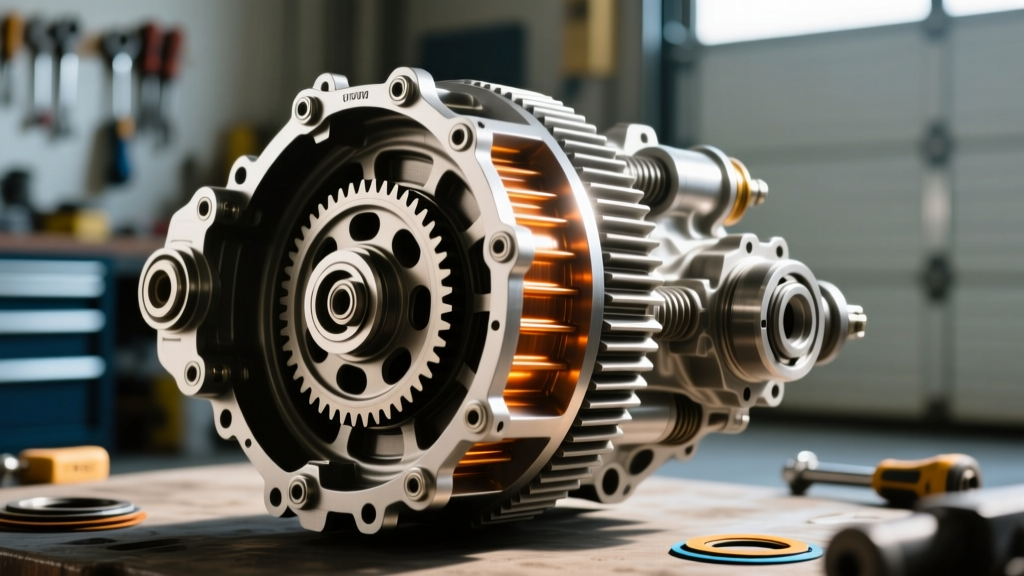
The 2000 4Runner utilizes a third-member (or drop-out) design, conceptually similar to the Ford 9-inch. The ring and pinion gears are housed in a removable center section that bolts into the front of the welded axle tube housing. The rear of the axle tube is sealed with a smooth, pressed-steel or welded cap. There is no bolt-on rear cover to remove. Therefore, when off-road shops and engineers discuss 'differential cover upgrades' for the 2000 4Runner, they are actually referring to one of three distinct thermal modifications:
- The Third-Member Dropout Housing: Replacing the heavy, smooth cast-iron dropout with a finned aluminum aftermarket housing.
- The Front Pinion Bearing Cap: Upgrading the small front-facing cover on the third member to a finned variant.
- Axle Tube Heat Sinks: Welding aluminum cooling fins directly onto the steel axle tubes where the bulk of the gear oil resides.
Thermal Dynamics of the Toyota 8-Inch Axle
To understand why cooling upgrades are necessary, we must look at the operating temperature thresholds of the 2000 4Runner's rear axle. Under normal highway driving with stock 31-inch tires, differential fluid temperatures hover between 140°F and 170°F. However, when towing a 4,500 lb trailer up a 6% grade in summer heat, or crawling in low-range 4WD with high driveline bind, internal fluid temperatures can easily spike past 230°F.
Expert Insight: At 250°F, conventional and standard synthetic 75W-90 GL-5 gear oils begin to experience rapid oxidative breakdown. The fluid's viscosity drops, leading to metal-on-metal contact between the hypoid ring and pinion gears, accelerating wear on the Toyota 8-inch's relatively small bearing journals.
Furthermore, if your 2000 4Runner is equipped with the factory electronic locking rear differential (e-locker), the internal dog-clutch mechanism and actuator motor are highly sensitive to excessive heat and fluid foaming. Managing the thermal load is not just about protecting the gears; it is about preserving the functionality of the OEM locking mechanism.
Upgrading the Dropout: Finned Aluminum Third-Members
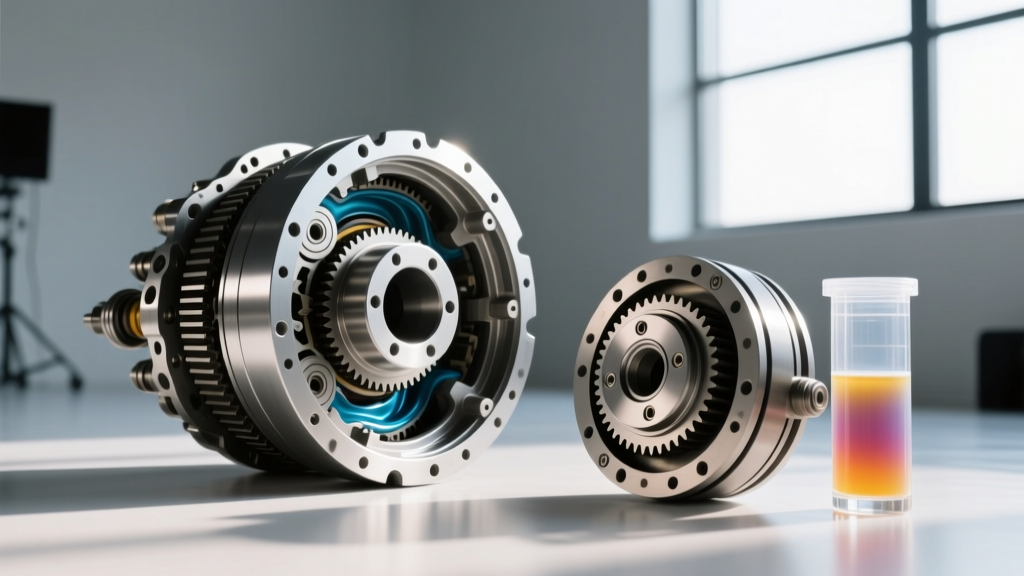
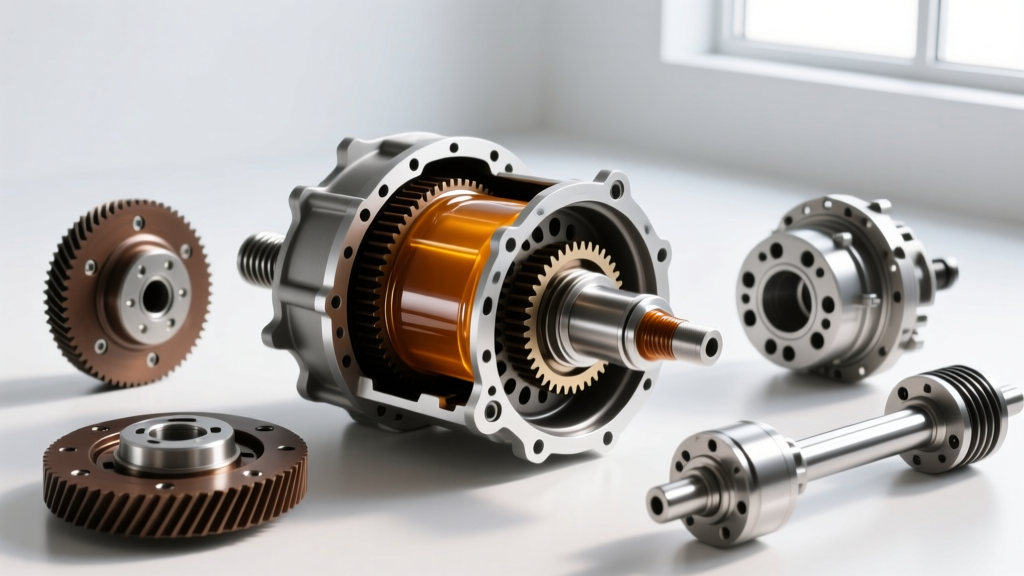
The most effective 'cover' upgrade for the 2000 Toyota 4Runner rear differential is replacing the entire cast-iron third-member housing with a CNC-machined, finned aluminum dropout. Companies specializing in Toyota solid-axle swaps and heavy-duty trail rigs, such as those documented in the Marlin Crawler technical archives, have long championed aluminum third-members for weight reduction and heat dissipation.
Stock vs. Upgraded Thermal & Capacity Specs
| Feature | OEM Cast-Iron Dropout | Aftermarket Finned Aluminum Dropout |
|---|---|---|
| Material Composition | Nodular Cast Iron | 6061-T6 Heat-Treated Aluminum |
| External Surface Area | ~450 sq inches | ~820 sq inches (Integrated Fins) |
| Total Axle Fluid Capacity | 3.2 Quarts (3.0 Liters) | 3.6 Quarts (3.4 Liters) |
| Thermal Dissipation Rate | Baseline | +45% Efficiency under load |
| Weight Savings | N/A | ~12 lbs unsprung weight reduction |
By increasing the surface area with deep cooling fins, the aluminum housing acts as a massive heat sink, pulling thermal energy away from the ring gear and transferring it to the ambient air passing under the chassis. The added 0.4 quarts of fluid capacity also increases the overall thermal mass, meaning it takes significantly longer for the gear oil to reach critical failure temperatures during slow-speed rock crawling.
Axle Tube Thermal Management
Because the third-member only holds about 1 quart of the total 3.2-quart capacity, the remaining fluid sits inside the left and right axle tubes. Cast iron and steel are relatively poor conductors of heat compared to aluminum, and the smooth steel tubes of the 4Runner trap heat.
For extreme towing applications, fabricators will weld aluminum heat-sink fins along the top and front-facing edges of the axle tubes. This structural modification requires draining the fluid, purging the housing of all flammable vapors, and using precise TIG welding techniques to avoid warping the axle tubes or damaging the internal axle shaft bearings. Alternatively, commercial differential cooling kits utilize a small 12V pump to cycle gear oil from the drain plug to a remote finned cooler mounted behind the rear bumper, though this is generally overkill for anything short of competitive desert racing.
Fluid Selection for High-Heat Applications
No amount of finned aluminum will save your ring and pinion if you are running inadequate gear oil. For the 2000 Toyota 4Runner rear differential, you must select a fluid that maintains its shear stability at high temperatures while remaining compatible with the yellow metals (bronze bushings) inside the axle.
The E-Locker Warning
If your 4Runner has the electronic locking rear diff, do not use friction modifiers. Friction modifiers are designed for clutch-type Limited Slip Differentials (LSDs) to prevent chatter. The Toyota e-locker uses a mechanical dog-clutch that physically locks the axleshafts together. Friction modifiers are entirely unnecessary, can cause foaming under high temperatures, and may interfere with the engagement of the locking collar.
Recommended Synthetic Formulations
According to lubricant engineering data from AMSOIL's Severe Gear line, modern synthetic 75W-90 or 75W-140 GL-5 fluids utilize advanced polyalphaolefin (PAO) base stocks that resist thermal breakdown far better than the petroleum-based oils available when the 4Runner was manufactured.
- Standard / Daily Driving: Toyota Genuine 75W-90 GL-5 (Part No. 08885-81080) or Red Line 75W-90 NS (Non-Slip, no friction modifiers).
- Heavy Towing / Low-Range Crawling: 75W-140 Synthetic GL-5. The higher 140-weight viscosity provides a thicker hydrodynamic film at 230°F+, protecting the hypoid gear teeth from micro-welding under extreme shock loads.
Service Specifications & Torque Data
Whether you are performing a standard fluid service or upgrading to a finned third-member housing, adhering to factory torque specifications is critical to preventing leaks and bearing misalignment. Always consult Toyota Technical Information System (TIS) for the most accurate chassis-specific data, but the following specs apply universally to the Toyota 8-inch rear axle platform:
- Drain & Fill Plug Torque: 37 ft-lbs (50 Nm). *Note: OEM plugs typically use a 24mm hex head, though aftermarket magnetic plugs may require a 10mm or 12mm Allen socket.*
- Third-Member to Axle Housing Nuts (12x 17mm): 65 ft-lbs (88 Nm). Always use a new crush washer or high-quality RTV silicone (like Toyota FIPG) depending on the gasket design of your aftermarket dropout.
- E-Locker Actuator Bolts: 18 ft-lbs (24 Nm). Do not overtighten, as the actuator housing is brittle aluminum.
Final Verdict on 4Runner Differential Cooling
The 2000 Toyota 4Runner rear differential is an engineering marvel, but its sealed, third-member design requires a different approach to thermal management than traditional solid axles. By understanding that the 'cover' is actually the front-facing dropout, and by strategically upgrading to finned aluminum third-members, welding axle tube heat sinks, and utilizing high-shear synthetic GL-5 fluids, you can easily extend the life of your 8-inch axle well into the next decade of heavy overland exploration.