Understanding Torque Distribution: AWD Center Diffs vs. Heavy-Duty 4WD
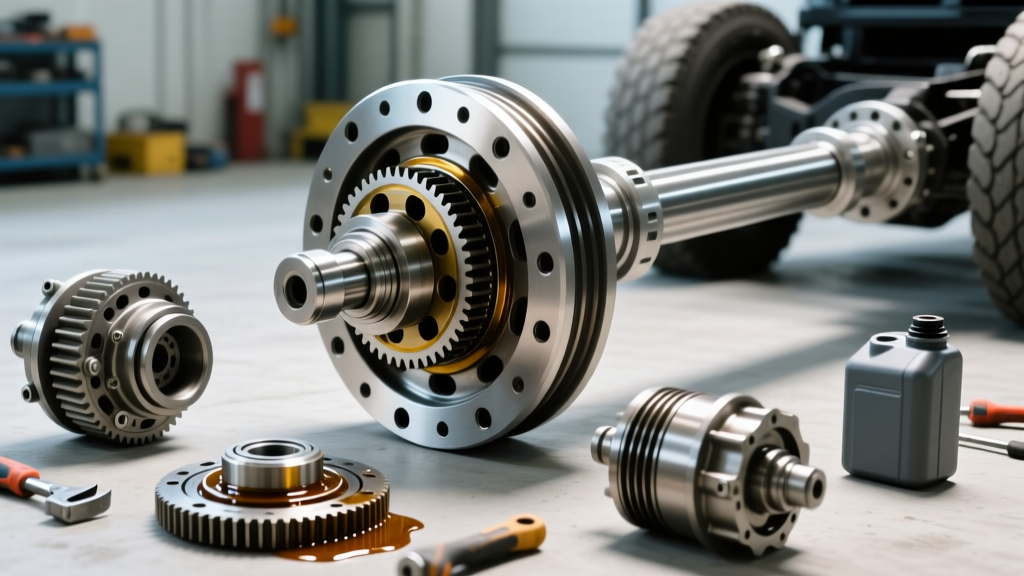
Diagnosing drivetrain noise and binding requires a fundamental understanding of how torque is distributed between the front and rear axles. In true All-Wheel Drive (AWD) systems, a center differential is the mechanical heart of the drivetrain, allowing the front and rear driveshafts to rotate at different speeds during cornering. Conversely, heavy-duty part-time 4WD trucks rely on a transfer case that mechanically locks the front and rear outputs together, eliminating the need for a center differential but mandating strict operational boundaries on dry pavement.
When technicians encounter drivetrain wind-up or rotational binding, they must first identify the architecture of the vehicle. A failing AWD center differential will mimic the symptoms of a locked transfer case driven on high-traction surfaces. Interestingly, the diagnostic baseline for heavy-duty rear axles often starts with fluid verification. For instance, when searching for the ford f350 rear differential fluid capacity, technicians are typically referencing the Dana 80 or Sterling 10.5 axles, which require precise fluid volumes to maintain proper ring and pinion lubrication under extreme towing loads. Understanding the contrast between a complex planetary center diff and a solid, high-volume rear axle is the first step in accurate symptom diagnosis.
Common AWD Center Differential Failure Symptoms
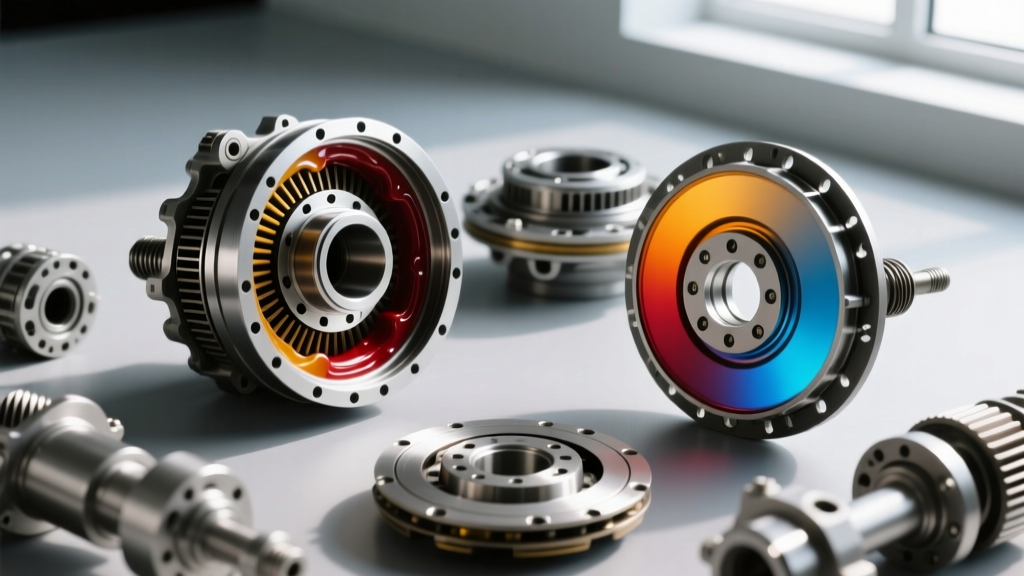
Center differentials in modern AWD vehicles generally fall into three categories: gear-driven (Torsen), viscous/silicone-based, and electronically controlled multi-plate clutch packs (Haldex). Each exhibits unique failure modes that manifest as distinct drivetrain symptoms.
1. Low-Speed Binding and Tire Chatter
If an AWD vehicle exhibits severe binding, hopping, or chatter during tight, low-speed parking maneuvers, the center differential is likely failing to differentiate. In viscous coupling systems, degraded silicone fluid can permanently shear and lock the clutch plates together. In electronically controlled systems like the Haldex Gen 5, a clogged micro-filter or failing pump can leave the clutch pack engaged, effectively locking the center diff and causing severe drivetrain wind-up.
2. High-Speed Whining and Planetary Gear Wear
A high-pitched whine that correlates directly with vehicle speed (rather than engine RPM) often points to planetary gearset wear inside the center differential or transfer case. Unlike the deep, resonant howl of a failing rear ring and pinion gear, center diff whine is typically higher in frequency due to the smaller helical gears and higher rotational speeds of the intermediate shafts.
3. Viscous Coupling Overheating
Vehicles equipped with viscous center differentials may experience sudden, temporary locking after prolonged highway driving with mismatched tires. The speed differential generates excessive heat, causing the silicone fluid to expand and lock the plates. This symptom is often misdiagnosed as a transmission issue until the center diff cools and the binding ceases.
Fluid Dynamics: Center Diff vs. Rear Axle Gear Oil
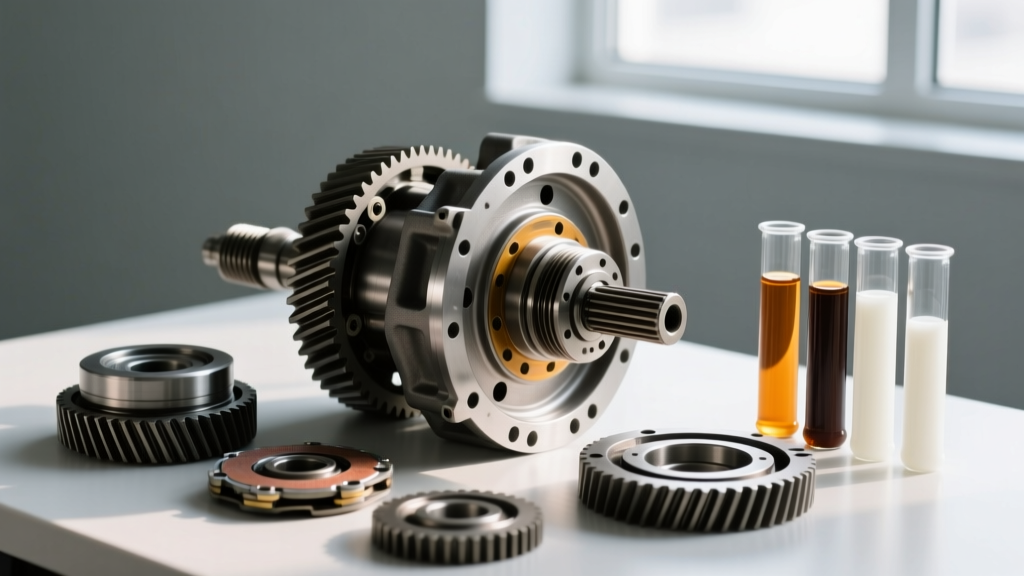
The fluid requirements for an AWD center differential stand in stark contrast to those of a heavy-duty solid rear axle. Center differentials require specialized, low-viscosity fluids designed to manage the friction coefficients of clutch packs or the precise tolerances of helical gearsets. For example, a Torsen T-3 center differential or an Audi Quattro system typically requires less than 1.0 liter of specialized fluid (such as VW/Audi G 055 175 A2).
Conversely, heavy-duty rear axles demand high-volume, high-viscosity extreme pressure (EP) gear oils. A standard Ford Super Duty equipped with a Dana 80 rear axle requires a massive volume of 75W-140 synthetic gear oil to submerge the pinion bearings and cool the hypoid gearset. The exact ford f350 rear differential fluid capacity generally ranges from 3.5 to 4.0 quarts (approx. 3.3 to 3.8 liters), depending on the specific axle cover and whether a limited-slip differential (LSD) additive is required. Underfilling a heavy-duty rear axle by even half a quart can lead to catastrophic pinion bearing failure, whereas overfilling an AWD center diff can cause fluid aeration and clutch pack slippage.
Diagnostic Table: Center Diff vs. Rear Diff Symptoms
| Symptom | AWD Center Diff Cause | Heavy-Duty Rear Diff Cause | Diagnostic Action |
|---|---|---|---|
| Low-speed binding / hopping | Locked viscous coupling or stuck Haldex clutch pack | Limited-slip clutch pack chatter (lack of friction modifier) | Check tire delta; scan AWD module; verify rear LSD additive |
| High-speed whine | Planetary gearset wear or bearing failure in transfer case | Ring and pinion gear wear or pinion bearing preload loss | Use chassis ear to isolate noise source; check fluid for metallic debris |
| Drivetrain wind-up on dry pavement | Center diff failing to differentiate (mechanical lock-up) | Transfer case left in 4WD mode (operator error or shift motor failure) | Verify transfer case shifter position; test center diff clutch disengagement |
| Fluid leak at driveshaft connection | Worn center diff output shaft seal | Worn rear pinion seal or axle shaft seal | Clean area, apply UV dye, and trace leak origin under load |
Step-by-Step Troubleshooting Protocol
When diagnosing suspected center differential or heavy-duty rear axle issues in 2026, follow this systematic approach to avoid misdiagnosis and unnecessary parts replacement.
Step 1: Verify Tire Circumference Delta
The most common cause of premature center differential failure is mismatched tire wear. AWD systems are incredibly sensitive to rotational speed differences. Measure the circumference of all four tires. A delta greater than 2/32 of an inch in tread depth between axles can cause continuous center differential clutch slip, leading to overheating and failure. For heavy-duty trucks, mismatched tires in 4WD will cause immediate transfer case and axle binding.
Step 2: Fluid Level and Condition Inspection
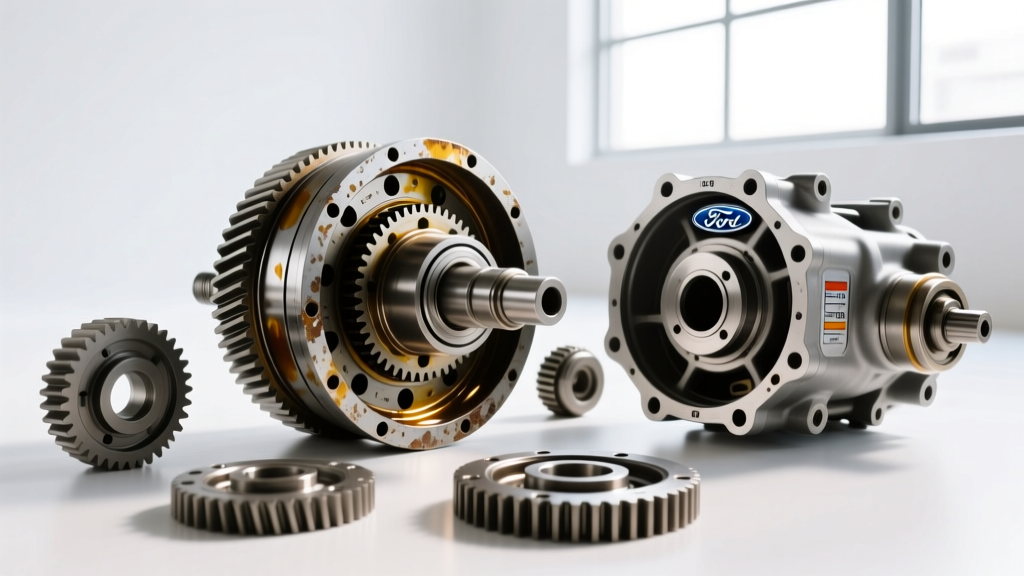
For heavy-duty applications, remove the rear differential cover. When referencing the ford f350 rear differential fluid capacity, ensure the Dana 80 or Sterling 10.5 is filled exactly to the bottom of the fill plug with the correct 75W-140 synthetic oil (e.g., Motorcraft XL-3). Inspect the magnetic drain plug; fine metallic paste is normal, but chunky ferrous shards indicate catastrophic gear or bearing failure. For AWD center diffs, check the specialized fluid for a burnt smell, which indicates clutch pack degradation.
Step 3: Torque Verification and Mechanical Inspection
Loose mounting bolts can mimic internal gear noise. Verify the rear differential cover bolts on a Dana 80 are torqued to 30-35 lb-ft. For AWD systems utilizing a Haldex coupling, inspect the pump and filter assembly. The Haldex Gen 5 filter (part # 10272481) is notoriously difficult to access and often neglected, leading to pump cavitation and a locked center diff. Ensure the pump mounting bolts are torqued to the manufacturer specification, typically around 8-10 Nm.
Step 4: Electronic Module Scanning
Modern AWD center differentials are heavily integrated with the vehicle's ABS and traction control modules. Use an OEM-level bi-directional scan tool to command the center differential clutch pack through its full range of motion. Monitor the clutch pressure PID and compare it against the commanded value. A discrepancy indicates a failing pump, a blocked hydraulic circuit, or a degraded clutch pack requiring a complete center differential rebuild.
Conclusion
Whether you are diagnosing a complex planetary gearset in an AWD center differential or servicing a heavy-duty solid axle, precision is paramount. Understanding the mechanical distinctions between these systems, adhering to exact fluid specifications, and following a logical diagnostic tree will save time and prevent costly drivetrain damage. Always consult authoritative resources like Dana Incorporated for axle specifications and Ford Motor Company for OEM maintenance schedules to ensure your 2026 diagnostic protocols remain accurate and effective.