In the medical field, a carotid space mass differential radiology report requires a meticulous breakdown of soft tissue anomalies to distinguish between a schwannoma, a paraganglioma, and reactive lymph nodes. In the automotive engineering world, performing a 'differential diagnosis' on your rear axle demands the exact same level of analytical precision when comparing a Limited Slip Differential (LSD) to an Open Differential. While a radiologist's diagnosis dictates surgical intervention, an automotive drivetrain diagnosis dictates whether you make it up a snowy incline or end up in a ditch with one spinning tire.
As we navigate the 2026 automotive landscape, the integration of advanced traction control systems with mechanical drivetrain components has never more critical. Whether you are rebuilding a classic GM 10-bolt, upgrading a Dana 44 for overlanding, or servicing a BMW F-Series ZF 8HP rear drive module, understanding the mechanical, fluid, and diagnostic differences between open and limited-slip differentials is paramount.
The Mechanical Anatomy: Open vs. Limited Slip
To make an informed buyer's decision or accurately diagnose a drivetrain complaint, you must understand the internal architecture of the differential carrier.
The Open Differential
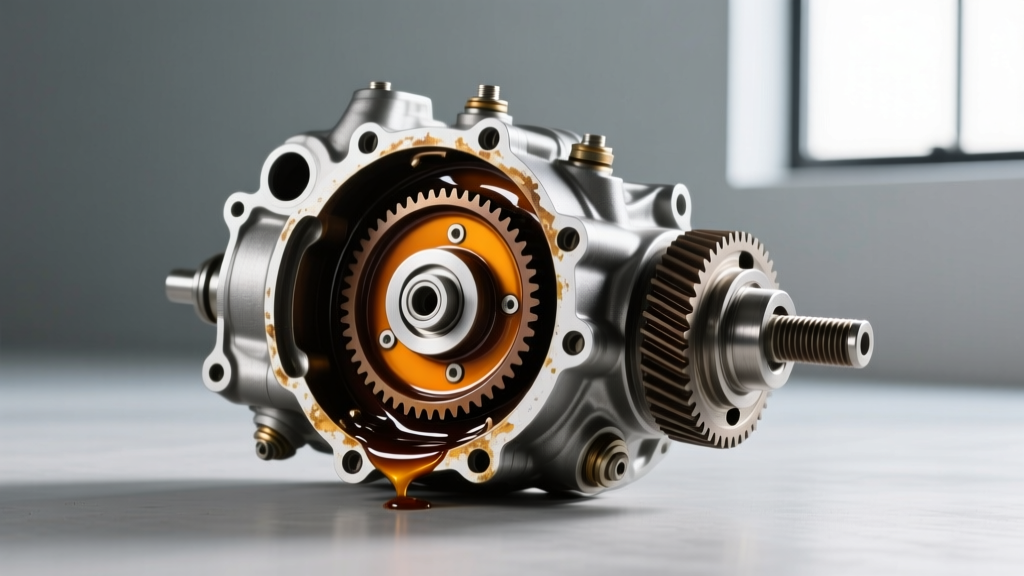
The open differential is the baseline of automotive engineering. It utilizes a set of spider gears (side gears and pinion gears) that allow the left and right axles to rotate at different speeds during cornering. However, its fatal flaw is torque distribution. An open differential always sends power to the path of least resistance. If your left tire is on dry asphalt and your right tire is on ice, 100% of the torque is routed to the spinning ice-bound tire. The torque bias ratio is a strict 1:1.
The Limited Slip Differential (LSD)
LSDs mitigate the open differential's traction loss by introducing internal resistance. There are two primary mechanical categories you will encounter in the aftermarket and OEM spaces:
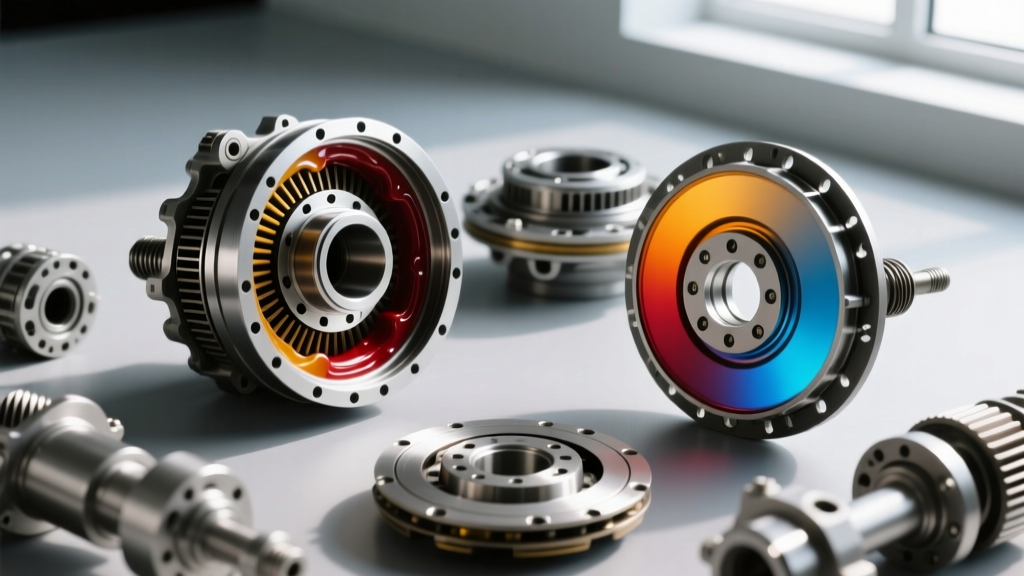
- Clutch-Type LSDs (e.g., Auburn, Eaton Posi, Ford Performance Traction-Lok): These utilize a stack of friction clutches and preload springs to couple the side gears to the carrier case. When one wheel loses traction, the clutch pack binds, transferring torque to the wheel with grip. Torque bias ratios typically range from 2.5:1 to 4:1.
- Helical Gear LSDs (e.g., Eaton Truetrac, Torsen): These operate without clutch packs, relying instead on the binding force of helical-cut planetary gears. They are torque-sensing, maintenance-free (no friction modifiers required), and offer seamless torque transfer with bias ratios up to 3.5:1.
Diagnostic Matrix: Identifying Your Differential Type
When a vehicle rolls into the bay with a drivetrain complaint, or when you are evaluating a used axle housing, use this diagnostic matrix to identify the differential type and its current health status.
| Diagnostic Test / Symptom | Open Differential | Clutch-Type LSD | Helical LSD (Truetrac) |
|---|---|---|---|
| One-Wheel Spin Test (Vehicle in Neutral, one tire off ground) | Spun tire rotates forward; opposite tire remains stationary. | Spun tire rotates forward; opposite tire attempts to rotate in the SAME direction (clutch bind). | Spun tire rotates forward; opposite tire attempts to rotate in the SAME direction (gear bind). |
| Low-Speed Cornering Behavior | Smooth, silent operation. | May exhibit 'chatter' or binding if friction modifier is depleted. | Smooth, slight gear whine is normal under load. |
| Fluid Requirements | Standard GL-5 Gear Oil (75W-90 or 80W-90). | GL-5 Gear Oil + Mandatory Friction Modifier (e.g., GM EOS or Ford XL-3). | Standard GL-5 Gear Oil (NO friction modifier allowed). |
| Common Failure Mode | Spider gear cross-pin shearing under high shock loads. | Clutch pack glazing, wear, and subsequent chatter. | Helical gear thrust washer wear (rare, usually due to low fluid). |
Fluid Dynamics, Friction Modifiers, and Torque Specs
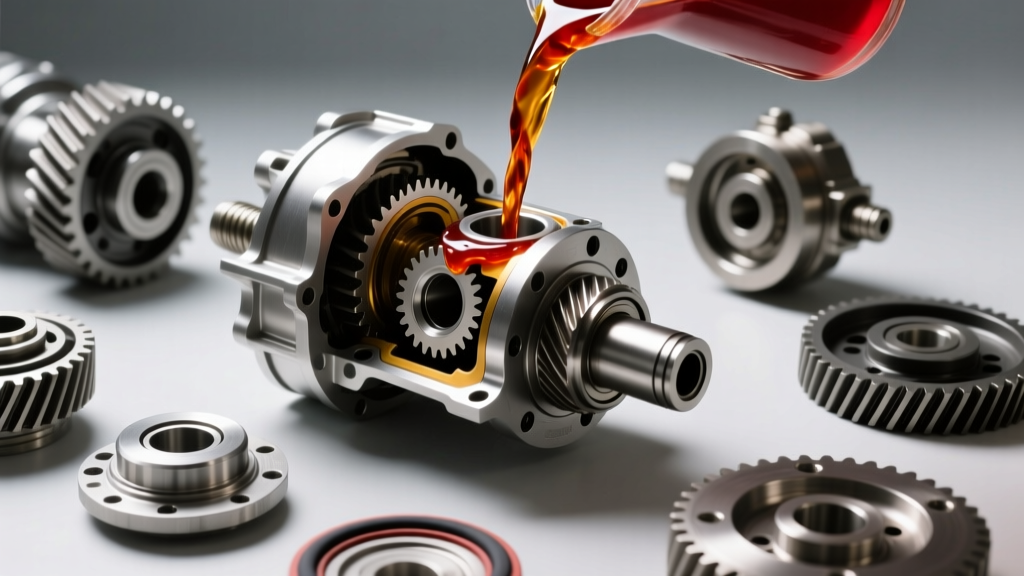
The lifeblood of any differential is its gear oil. In 2026, synthetic formulations have vastly improved shear stability, but selecting the wrong fluid for your specific differential type will lead to catastrophic failure or unbearable NVH (Noise, Vibration, and Harshness).
Friction Modifier Protocols
If you are servicing a clutch-type LSD, the friction modifier is non-negotiable. The modifier alters the coefficient of friction on the clutch plates, allowing them to slip smoothly during tight turns rather than grabbing and chattering.
- GM EOS Additive: 4 oz required for most GM 10-bolt and 12-bolt Posi units.
- Motorcraft XL-3: 4 oz required for Ford 8.8 and 9.75 Traction-Lok differentials.
- Warning for Helical LSDs: Never add friction modifier to an Eaton Truetrac or Torsen differential. It will reduce the gear binding friction necessary for the unit to function, effectively turning it into an open differential.
Precision Torque Specifications
When performing a fluid service or a complete rebuild, adhering to OEM torque specs is critical to prevent housing distortion and fluid leaks. Always use a calibrated torque wrench.
Ford 8.8-Inch Axle:
Rear Cover Bolts: 28 - 38 lb-ft
Fill Plug: 22 - 25 lb-ft
Ring Gear Bolts: 70 - 85 lb-ft (with red Loctite)Dana 44 Axle:
Rear Cover Bolts: 30 - 40 lb-ft
Fill/Drain Plugs: 25 - 35 lb-ft
Carrier Bearing Cap Bolts: 60 - 70 lb-ftGM 8.5-Inch 10-Bolt:
Rear Cover Bolts: 22 - 30 lb-ft
Ring Gear Bolts: 70 lb-ft (with red Loctite)
2026 Buyer's Guide: Upgrading Your Drivetrain
If your diagnostic assessment reveals that an open differential is limiting your vehicle's capability, upgrading to an LSD is one of the most cost-effective performance modifications you can make. Here is a breakdown of the top-tier options available on the market.
Eaton Truetrac (Helical Gear)
The Truetrac is the gold standard for daily drivers, tow rigs, and light trail vehicles. Because it requires no special fluids or maintenance, it is ideal for modern trucks equipped with the GM 6L80 or 10L80 transmissions, where smooth torque delivery is preferred.
- Part Number Example: 913A481 (Dana 44, 35-spline, 3.73-5.89 ratios)
- Average Price: $650 - $750
- Best For: Overlanding, towing, snowy climates, and street performance.
Auburn Gear Pro Series (Clutch-Type)
Auburn's Pro Series utilizes a high-capacity clutch pack that provides aggressive lockup. It is a favorite in the drag racing and muscle car community, particularly for Foxbody and SN95 Mustangs running the Ford 8.8.
- Part Number Example: 501012 (Ford 8.8, 31-spline)
- Average Price: $550 - $620
- Best For: Drag racing, autocross, and high-horsepower street builds.
Transmission Pairings: 6L80, 4L60E, and ZF 8HP
The choice of differential must be contextualized by the transmission feeding it. For example, the GM 4L60E is notorious for its fragile 4L60E output shaft and sudden torque spikes during 1-2 shifts. Pairing a 4L60E with an aggressive, high-preload clutch-type LSD in a heavy truck can lead to snapped axle shafts or shattered spider gears due to the sudden mechanical shock. In these applications, a helical LSD like the Truetrac acts as a mechanical buffer, absorbing shock loads smoothly. Conversely, modern passenger cars utilizing the ZF 8HP 8-speed automatic (found in BMW, Dodge, and Jaguar applications) feature highly sophisticated TCM (Transmission Control Module) logic. The ZF 8HP can modulate engine torque during shifts to protect the driveline. When paired with an electronic LSD (e-LSD) or a mechanical helical unit, the ZF 8HP can seamlessly manage torque vectoring, making the most out of the differential's bias ratio without overwhelming the half-shafts.
Conclusion
Whether you are deciphering a carotid space mass differential radiology scan in a hospital or diagnosing a chattering rear axle in your garage, the core principle remains the same: accurate identification dictates the correct intervention. By understanding the mechanical distinctions between open and limited-slip differentials, adhering to strict fluid and friction modifier protocols, and applying exact torque specifications, you ensure your drivetrain operates flawlessly. For further technical specifications on helical gear designs, consult the engineering whitepapers provided by Eaton Corporation, or review axle housing tolerances via Dana Spicer. Always source high-quality synthetic lubricants from reputable manufacturers like Red Line Oil to maximize the lifespan of your differential components.